Muscle Trigger Point Anatomy
- 347.00
- 4.7
- Installs
- 100.00K
- Price
- $4.99
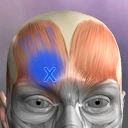
Screenshots

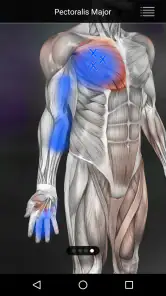
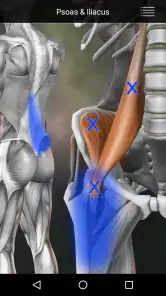
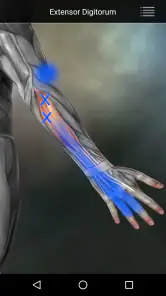
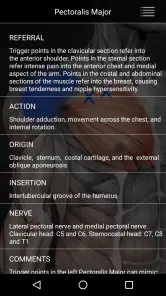

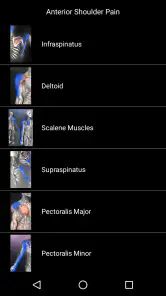

Analysis by Reviewed
I’m most likely to keep a muscle reference app around when it helps me make sense of a recurring ache, not just when I’m curious about anatomy for an afternoon. Muscle Trigger Point Anatomy is aimed at that practical question: where might a sore spot be coming from, and what can I learn about the muscles involved? Its appeal is easy to grasp in the first week, but its lasting value depends on using it as a reference rather than expecting it to diagnose pain or replace hands-on care.
What makes the first week engaging
As a medical app from Real Bodywork, it brings muscle trigger-point information into a format that feels more approachable than flipping through an anatomy reference. The body map gives me a starting point when I can identify where I feel discomfort, while the explanations help connect that area with possible trigger points and referred pain. That connection is useful because the place that hurts is not always the only place worth considering.
A realistic first use is after a long stretch at a desk: I notice tension around my neck, look at the relevant body area, then read about the muscles that could be involved before trying a gentle stretch or massage technique. I would treat the result as a learning prompt, not proof of the cause. That distinction makes the app more useful and safer: it can help me ask better questions about my habits and movement, but it cannot establish what is medically wrong.
Why it can earn a place month to month
The strongest recurring use is looking up familiar trouble spots when they return and building a clearer picture of how muscles relate to one another. That suits people who want to understand their body, massage students seeking a convenient study aid, or active users who already know basic self-care and want a reference beside it. I would also use it to compare what I feel on different days instead of assuming every ache has the same source.
Compared with a general stretching or workout app, this is more focused on anatomy and trigger points than on building a routine. Compared with a book, it offers a more direct way to start from a body area rather than searching through pages. Those alternatives may be better if you want a structured exercise plan, a broader fitness program, or a deeper course in anatomy. Here, the value is quick orientation and practical context, not a complete treatment system.
Where the habit can become tiring
The same specificity that makes the app handy also narrows its audience. If you rarely experience muscle tension, you may open it once, satisfy your curiosity, and have little reason to return. Even for regular users, looking up every twinge can encourage overthinking; I’d use it for patterns or familiar tightness, not as a reason to scrutinize every sensation. When pain is severe, persistent, follows an injury, or comes with worrying symptoms, a qualified health professional is a better next step than self-guided trigger-point work.
There is also a learning curve in interpreting referred pain. A diagram can suggest a relationship, but it cannot tell me that a particular muscle is definitely responsible. I find it most helpful to read the explanation, check whether it fits the broader situation, and stop if a technique increases discomfort. If you want personalized assessment, guided appointments, or a plan adapted to a medical condition, this is not the right substitute.
More From Our News Desk

Clash of Clans Is Won Between the Battles

Android Auto Makes the Case for Quieter Car Software

MobiOffice: Transforming Mobile Productivity with Seamless Integration

EA SPORTS FC™ Mobile Soccer: Redefining Mobile Sports Gaming

How Microsoft OneDrive Became a Mobile Productivity Giant

How Google Translate Breaks Language Barriers Effortlessly
Discovering the World of Trigger Points
The first time I opened Muscle Trigger Point Anatomy, I was pretty impressed with its user-friendly interface. Right off the bat, the app presents a detailed map of the human body. You can click on any area where you’ve been feeling discomfort, and it shows you the potential trigger points responsible for your pain. It’s like having a treasure map, but instead of gold, you find relief from your aches!
In-depth Anatomical Insight
One of the coolest features of this app is its detailed anatomical breakdown. Each muscle group is described with precision, giving you a clear understanding of how interconnected our muscles really are. The app explains how certain trigger points can refer pain to other parts of the body, a phenomenon that can be puzzling if you've never encountered it before. It’s fascinating to learn that a pain in your neck might actually be related to a muscle in your shoulder!
Your Personal Muscle Whisperer
What I love about this app is how it empowers you to take charge of your own muscular health. The app not only identifies potential trigger points but also offers advice on how to alleviate them. From stretching exercises to massage techniques, you’ll get a comprehensive guide to tackle those tight spots. It’s like having a personal physiotherapist in your pocket, available 24/7.
The tips provided are easy to understand and implement, even for someone who isn’t a fitness guru. I found myself using it after a long day at the desk, and the relief was almost immediate. Plus, the app's ability to update its database ensures you’re always getting the latest advice on muscle care.
A Community of Wellness
Another aspect that sets this app apart is the community feature. You can connect with other users to share experiences, tips, and support. It’s great to know you’re not alone in your journey to better muscle health. The app encourages a collaborative approach to wellness, and it’s nice to see how others are using the app to improve their lives.
Small habits that make the reference more useful
I would avoid opening it only at the moment discomfort becomes distracting. A more useful approach is to note the activity that came before a familiar ache, look up the relevant area, and compare the explanation with what I notice during ordinary movement. That turns a lookup into a modest pattern-finding habit, without pretending that a few observations amount to a diagnosis.
Another practical trade-off is how much pressure to use when trying massage advice. Reading about a trigger point can make it tempting to press hard in search of instant relief, but more force is not automatically better. I’d start gently, keep the technique comfortable, and stop rather than push through sharp or worsening pain. The app is best treated as a guide to learning and cautious self-care, not a reason to ignore how the body responds.
Who should keep it—and who should pass
The app costs $4.99, has an Everyone content rating, and is rated 4.7 on average from around 1.7K ratings, with over 100K installs. Its release goes back to January 27, 2011, and version 2.5.3 supports Android 4.0.3 or later. Those details make it an established, paid reference rather than a free, all-purpose wellness library; I’d consider the purchase worthwhile if I expect to revisit muscle anatomy, while someone seeking occasional stretches alone may get more from a simpler exercise resource.
Its likely audience is someone curious enough to read about muscles and comfortable making their own cautious choices. It can also be useful alongside professional learning, but it should not be treated as a clinical reference without checking the material against appropriate training. If you mainly need an appointment, a personalized rehabilitation plan, or reassurance about a new symptom, a clinician is the better option. If you want a concise explanation of possible trigger-point relationships at home, this is a more focused fit than a broad fitness app.
Does it last beyond the novelty?
Overall, Muscle Trigger Point Anatomy is a fantastic tool for anyone looking to understand and relieve muscle pain. Its blend of educational content and practical advice makes it a standout in the health and fitness app category. Whether you're a professional athlete or just someone who struggles with occasional muscle tension, this app could be a game-changer for you. Give it a try and see how it can transform your approach to muscle care!
My longer-term verdict is more measured: its value comes from returning to the anatomy when a familiar question comes up, not from using it every day. The body map and muscle explanations give it a clear purpose, while the need to judge advice carefully limits how far I’d rely on it. If that balance suits you, the $4.99 price can make sense as a reference you keep available; if you want an always-guided routine or a personal diagnosis, I’d choose a different kind of support.
A practical way to use it without turning every ache into a project
For a recurring desk-related tightness, I’d keep the process deliberately simple: first notice what movement or posture seems to bring it on, then use the body map to explore the area and read about plausible muscle connections. After that, I’d make one low-risk change, such as taking a movement break or trying a comfortable stretch, and see whether the pattern changes over time. This is more informative than switching between several techniques at once, because it gives me a better sense of what actually helps.
I would also separate learning from treatment. A useful session might simply be reading about a muscle and its possible referral pattern, without attempting any massage at all. That is especially sensible when I’m unsure where a sensation starts, or when pressing the area feels unpleasant. The app’s educational value does not depend on testing every suggestion on my body.
What to expect from a focused reference
People often want to know whether an app like this can tell them exactly why a particular spot hurts. I would not use it that way. It can point toward possible muscular relationships and help me understand why discomfort may be felt away from its source, but that is different from identifying a cause in an individual case. Symptoms can have explanations beyond trigger points, so new, unusual, or worsening pain deserves a more appropriate assessment.
Another reasonable question is whether it can replace a therapist or a structured rehabilitation plan. For me, no: it is a reference to consult at home, not a conversation with someone who can examine movement, adjust a technique, and account for personal medical history. If I already have professional guidance, I could use the anatomy material to follow the discussion more closely, but I would defer to that clinician on what is safe and suitable.
Keeping the purchase worthwhile
A paid anatomy app makes most sense when I can imagine returning to it for more than one isolated question. I’d get the most from it by choosing a small number of familiar areas to learn gradually, rather than trying to memorize the whole body or treating the app as a daily assignment. For someone studying massage or simply curious about muscular connections, revisiting a useful explanation can be more valuable than browsing a large collection of unrelated wellness content.
There is a trade-off in that focused approach: the app is not the obvious pick for people who want reminders, a progressive training schedule, or a broad library of guided movement. Those tools answer different needs. If I mostly want a routine to follow, I’d choose a dedicated exercise or mobility resource; if my main question is how muscles and referred discomfort may be connected, this app has a clearer reason to stay installed.
My lasting recommendation
Whether it earns space on your phone comes down to how often you have a genuine reason to consult a muscle reference. Its strongest case is for curious, self-directed users who want a quick route from a body area to relevant trigger-point information, and who can keep that information in perspective. It is less compelling for someone who only wants a short stretch video, gets anxious about interpreting symptoms, or needs individualized care.
I’d treat it as a shelf reference: useful when a familiar question returns, quiet when it doesn’t. That expectation gives the app a sustainable role without demanding a daily habit or promising a cure. If you value anatomical context and are willing to use massage and stretching advice cautiously, it can remain useful after the first-week curiosity fades; if you need diagnosis, supervision, or a complete recovery program, another kind of support is the better long-term choice.
Muscle Trigger Point Anatomy Frequently Asked Questions
Who publishes Muscle Trigger Point Anatomy, and what kind of app is it?
Muscle Trigger Point Anatomy is a medical app developed by Real Bodywork. Its focus is reflected in its short description and central purpose: helping users explore muscle trigger points and consider possible sources of pain. It may be relevant to people learning about bodywork, as well as professionals who want an anatomy reference. The app is rated for Everyone.
What is the Muscle Trigger Point Anatomy app?
The Muscle Trigger Point Anatomy app is a comprehensive tool designed for professionals and enthusiasts in the fields of physical therapy, massage therapy, and sports medicine. It provides detailed anatomical information about muscle trigger points, helping users identify pain sources and understand treatment techniques. The app features interactive maps and high-quality imagery to make learning engaging and effective.
How can I benefit from using the Muscle Trigger Point Anatomy app?
This app is beneficial for anyone looking to deepen their understanding of muscle anatomy and trigger points. Whether you are a student, therapist, or fitness trainer, the app offers extensive resources to enhance your knowledge. By using it, you can improve diagnostic skills, learn new therapeutic techniques, and better understand how to relieve muscle pain and tension effectively. It is best treated as an educational reference rather than a substitute for a qualified health professional’s assessment or care.
Is the app suitable for beginners in muscle anatomy?
Yes, the Muscle Trigger Point Anatomy app is designed to be user-friendly for beginners while still offering advanced features for professionals. It includes easy-to-understand guides, detailed diagrams, and interactive tools that cater to users with varying levels of experience. Beginners will find it particularly helpful for grasping the basics of muscle anatomy and trigger point therapy.
What should I know about the app’s cost and version before downloading?
Muscle Trigger Point Anatomy costs $4.99 and has a current version of 2.5.3. It was released on Jan 27, 2011, and requires Android 4.0.3 or later. Check that your device meets the operating-system requirement before downloading. The price is a straightforward consideration if you want an anatomy-focused app, especially if you expect to use it as a regular study or reference tool.
Pros
- Comprehensive muscle anatomy guide
- User-friendly interface
- Detailed trigger point diagrams
- Offline access available
- Regular updates with new content
Cons
- Limited interactive features
- Ads in free version
- No video tutorials
- Occasional app crashes
- Requires in-app purchases for full access
- Category
- Medical
- Version
- 2.5.3












