Monash University FODMAP diet
- 577.00
- 4.2
- Installs
- 500.00K
- Price
- $9.00

Screenshots
Analysis by Reviewed
I use the Monash University FODMAP Diet app as a practical reference for making food choices, rather than as a shortcut to a personalized treatment plan. FODMAPs are short-chain carbohydrates that can be difficult for some people to digest and may contribute to digestive symptoms. The app is a medical tool from Monash University’s Low FODMAP diet team, and its value is clearest when I treat it as one part of a careful, guided approach to eating.
Who Benefits Most from a Focused Food Reference
I think this app makes the most sense for someone who has been advised to try a low FODMAP approach and wants help applying that advice in ordinary situations. It is particularly useful when a food decision has to happen quickly: checking an ingredient in a supermarket, deciding whether a snack is worth trying, or comparing a couple of options before ordering. The app’s focus is narrower than a general health tracker, and that is a strength if FODMAP guidance is the question I need answered.
It is less suitable for someone who wants an app to decide whether unexplained symptoms are caused by a particular food. Digestive symptoms can have many causes, and a food reference cannot establish a diagnosis. I would seek professional advice before starting a restrictive diet, and I would not use a reassuring lookup as a reason to ignore symptoms that are persistent, severe, or changing.
There is also a practical distinction between learning the diet and following a personalized plan. A new user may need help understanding which phase they are in, how to interpret portions, and when to reintroduce foods. The app can support food decisions, but I would confirm the wider process with a dietitian or clinician rather than assume that having a guide in my pocket is the same as receiving individual care.
A More Useful Way to Shop and Cook
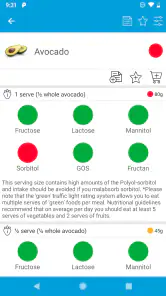
One small but important habit is to look up the exact food and serving information before adding it to a meal, then use the same approach consistently. A food’s traffic-light color should not be treated as a blanket rating for every quantity or every combination. If I am testing a meal, I would keep its ingredients and portions as steady as I reasonably can, rather than changing several things at once and trying to guess afterward what made a difference.
For a realistic weekday example, I might check a packaged snack while shopping, choose a recipe for dinner, and then record what I ate and how I felt later. Keeping the packaging or noting the precise product can help me remember what I actually chose, rather than relying on a vague memory of “some crackers.” That kind of detail makes a food diary more useful when I review it with a dietitian. It does take a little extra attention, so people who dislike keeping notes may prefer to focus on the Food Guide and use another tracking method they can sustain.
When cooking for other people, I would not assume that one low FODMAP recipe automatically meets every household need. Allergies, personal preferences, and the ingredients already in the kitchen still matter. I would read the recipe and ingredient labels carefully, and only make substitutions that fit the guidance I am following. This is a focused reference, not a guarantee that a meal works for every individual.
More From Our News Desk

Weather by Xiaomi Review: Clear at a Glance, Less Clear Up Close

X Under Pressure: Can It Recover When Posting Goes Wrong?

Clash of Clans Is Won Between the Battles

Android Auto Makes the Case for Quieter Car Software

MobiOffice: Transforming Mobile Productivity with Seamless Integration

EA SPORTS FC™ Mobile Soccer: Redefining Mobile Sports Gaming
Using the Guide in Everyday Decisions
The app’s current version is 3.2.3, and it has been available since Nov 6, 2013. That history suggests a long-running product, but a version number alone cannot tell me exactly what has changed over time. I would judge it by how well its food guidance supports decisions now, and by whether it fits into the way I actually shop, cook, and track symptoms.
Getting Started with the App
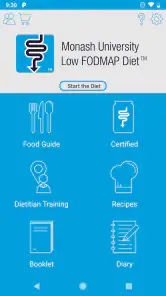
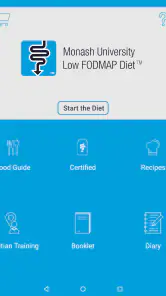
The first time you open the Monash University FODMAP Diet app, it feels like you're entering a treasure trove of knowledge. The interface is pretty straightforward, which is a relief because who wants to spend hours figuring out how to navigate an app, right? The main screen greets you with a simple menu that includes Food Guide, Recipes, and a Diary feature.
For someone newly learning the diet, that combination gives the app a more useful role than a simple food list: it brings reference, meal ideas, and personal notes together. I would still make sure I understand the plan I’m following with a qualified dietitian or clinician. A medical app can help me apply advice, but it cannot tell me whether the diet is appropriate for my specific health needs.
Food Guide
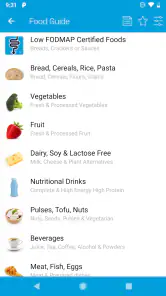
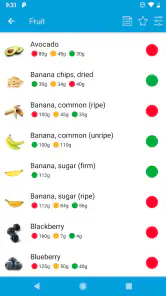
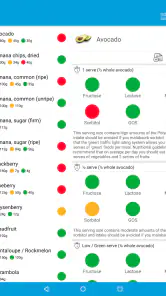
Now, this is where the magic happens. The Food Guide is like having a personal nutritionist in your pocket. It’s packed with information about which foods are low, moderate, or high in FODMAPs. The traffic light system used here is genius—green for low, yellow for moderate, and red for high FODMAP foods. It’s visually intuitive and super easy to understand. I found myself checking this section every time I was unsure about what snacks to grab from the pantry. The database is extensive, and it’s regularly updated, which is reassuring.
My useful habit would be to check a food before I build a meal around it, rather than trying to remember a color from a previous shopping trip. The traffic-light result is a starting point, not a complete verdict on a whole plate: portions and the combination of ingredients matter when I’m trying to understand how a meal affects me. I’d use the guide to compare specific choices, then follow the dietary advice I’ve been given instead of treating a single lookup as permission to eat without limits.
That workflow is especially handy in a supermarket aisle. If I’m choosing between two snacks, I can check each one while I still have the packaging in front of me, then note the choice in my own routine. It is less convenient if I want a broad meal-planning system that automatically organizes a weekly shop; the app’s strongest job is food guidance, not replacing every planning tool I might use.
Recipes Galore
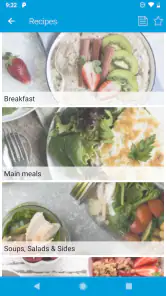
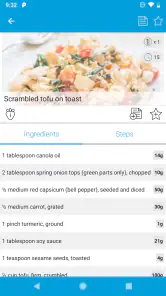
If you’re someone who enjoys cooking, then you’re going to love the Recipes section. It’s filled with delicious and easy-to-follow recipes that are all FODMAP friendly. The variety is impressive, and there's something for every meal of the day. I tried the low FODMAP pancake recipe, and let me tell you, it was a hit at breakfast! This section not only inspires but also reassures you that following a FODMAP diet doesn’t mean boring meals.
I’d use recipes as a way to make the diet feel less restrictive, especially when I’m stuck repeating the same safe breakfast or lunch. A practical approach is to choose one recipe, check its ingredients against the Food Guide, and save the result in my own meal notes so I can remember what I ate if symptoms show up later. That pairing makes the recipe section more useful than browsing for inspiration alone. It may not suit someone who wants every recipe adapted to personal allergies, household preferences, or a particular cooking style; I would still read ingredients carefully and make sensible substitutions only when they fit my plan.
Keeping a Diary
One of the standout features for me is the Diary. It allows you to track your meals and symptoms, making it a breeze to pinpoint which foods might be causing any discomfort. It’s like your personal food detective, helping you figure out the culprits behind any tummy troubles. I found this feature incredibly helpful in managing my diet and recognizing patterns over time.
The diary is most useful when I keep entries specific and consistent: what I ate, roughly when I ate it, and what symptoms followed. If I only write “lunch” or record a symptom days later, the notes are much harder to interpret. I would also avoid changing several foods at once when I’m trying to identify a pattern; otherwise, it becomes difficult to tell which change mattered. The diary can organize observations, but it does not diagnose a condition or prove that one ingredient caused a symptom.
For example, on a busy weekday I might check a packaged snack before leaving work, choose a dinner recipe at home, then record the meal and any later symptoms. That gives me a simple chain of decisions to discuss with a dietitian, rather than relying on memory at an appointment. People who dislike recording meals may find the diary a chore, and anyone who needs detailed clinical monitoring should use a method their clinician recommends.
The app also includes a section on the science behind the FODMAP diet, which is a nice touch for those of us who love to understand the "why" and "how" behind what we’re doing. It’s clear that the folks at Monash University have put a lot of heart into providing not just an app, but a comprehensive tool for anyone dealing with IBS or digestive issues.
Compared with general food-search apps, the appeal here is its focus on the Monash University approach to FODMAP guidance, rather than broad nutrition tracking or calorie counting. A generic tracker may be better for someone primarily monitoring nutrients, while a recipe app may offer more variety or meal-planning functions. I’d choose this app when the specific question is whether a food fits into my FODMAP work, and pair it with another tool only if I genuinely need those other functions.
What to Expect from a Long-Running Reference
The app costs $9.00, has an average rating of 4.2 from around 4.2 thousand ratings, and has been installed over 500 thousand times. It is rated Everyone and requires Android 9 or later. Those details help set expectations: this is a paid medical reference, not a free general wellness tracker, and the age rating does not mean its dietary guidance is suitable for every person without professional advice. I would consider the price worthwhile if I expect to consult the food guide regularly; occasional curiosity may not justify buying a dedicated tool.
Long-time users may care most about whether the app remains useful for everyday checks, while new users may want to know whether it explains the reasoning behind the diet. The science section addresses that second need, and the version history shows that the product has continued to a current version, but I would not infer particular new features from that number. Before relying on any food reference, I’d keep the app current and follow professional guidance if my plan or symptoms change.
That distinction matters when comparing it with free food blogs, online lists, or broad nutrition apps. Those alternatives can be convenient for quick ideas or tracking other parts of a diet, but their scope and approach may differ. I would not treat a random search result as interchangeable with a reference built around Monash University’s FODMAP work. At the same time, the app is not a substitute for individualized interpretation: if my clinician has given me specific instructions, those take priority over a general lookup.
One trade-off is that a dedicated guide asks me to pay for a narrow purpose instead of bundling food guidance with every possible wellness feature. That is reasonable if I use the information often, but less compelling if I only need an occasional recipe or want a comprehensive grocery planner. I would decide based on the job I expect it to do, not on the assumption that more features automatically make an app better.
In conclusion, the Monash University FODMAP Diet app is a must-have for anyone navigating the tricky waters of FODMAPs. It’s user-friendly, informative, and packed with features that make living a low FODMAP lifestyle easier and more enjoyable. Whether you’re newly diagnosed with IBS or just looking to reduce digestive discomfort, this app could very well become your best ally. Happy low FODMAP eating, folks!
My recommendation is strongest for people who have already decided with a health professional that a low FODMAP approach is appropriate and want a focused reference for food choices, recipes, and symptom notes. I’d skip it if I mainly need calorie counting, broad meal planning, or an unsupervised plan to explain persistent symptoms. Used thoughtfully, it can make daily decisions clearer; the key is to use its guidance as support for informed care, not as a substitute for it.
Monash University FODMAP diet Frequently Asked Questions
Is the Monash University FODMAP Diet App a one-time purchase, and what should I know before downloading it?
The app costs $9.00, so it is worth considering whether a dedicated low FODMAP guide fits your needs before downloading. It is a medical-category app developed by the Monash University Low FODMAP diet team, with a Everyone content rating. Its purpose is to serve as a pocket guide to following the Monash University Low FODMAP diet.
What is the Monash University FODMAP Diet App?
The Monash University FODMAP Diet App is a comprehensive tool designed to help individuals manage their symptoms of Irritable Bowel Syndrome (IBS) by following a low FODMAP diet. The app provides detailed information about foods to avoid, suitable alternatives, and includes a food guide, recipes, and meal plans to help users maintain their diet effectively.
How does the Monash University FODMAP Diet App help with IBS management?
The app assists IBS management by offering a detailed guide on low FODMAP foods, which are known to reduce symptoms like bloating, gas, and stomach pain. It includes a food database, symptom tracker, and educational resources, allowing users to tailor their diet based on personal tolerance levels and monitor their health progress over time.
Is the Monash University FODMAP Diet App easy to use for beginners?
Yes, the app is designed with user-friendliness in mind, catering to both beginners and experienced users. It features a clear, intuitive interface with easy navigation, providing step-by-step guidance on starting a low FODMAP diet. Additionally, the app offers educational resources and tutorials to help users understand and incorporate the diet into their daily routines.
What kind of resources does the Monash University FODMAP Diet App provide?
The app provides a wide range of resources, including a comprehensive FODMAP food guide, symptom tracker, meal plans, and recipes tailored to various dietary needs. It also features educational content, such as articles and videos, to enhance users' understanding of IBS and the low FODMAP diet, ensuring they have all necessary tools for effective symptom management.
Pros
- Comprehensive food database
- User-friendly interface
- Personalized dietary plans
- Regular updates
- Scientific-backed information
Cons
- Requires internet connection
- Limited free features
- Occasional app crashes
- No barcode scanner
- Subscription can be costly
- Category
- Medical
- Version
- 3.2.3











