Meds & Pill Reminder MyTherapy
- 8.95K
- 4.7
- Installs
- 5.00M
- Price
- Free

Screenshots


Analysis by Reviewed
I judge a medication app less by how many options it offers than by whether it makes a routine easier to follow without becoming another chore. Meds & Pill Reminder MyTherapy is aimed at that everyday problem: remembering doses and keeping a simple record of how you are doing. I find the idea most useful when a person has a steady routine but needs help making it consistent, rather than expecting an app to make medical decisions.
Quick checks before relying on reminders
Before adding a schedule, I would have the prescription or medication packaging beside me and enter the instructions exactly as given by a clinician. A reminder is only useful if the schedule is correct, and an app should not be treated as a source for changing a dose or deciding what to do after a missed one. If you are unsure, I would ask a pharmacist or doctor rather than guessing in the app.
It is also worth deciding what you actually want to track. Someone who only needs a nudge may prefer to keep their setup minimal, while someone managing several medicines may benefit from recording more detail. Starting small makes it easier to spot whether the routine fits your day before adding extra health notes.
Speed, busy moments, and realistic expectations
For a reminder tool, the important speed test is practical: can I check what is due and record a dose without turning the moment into a project? The app is designed around medication reminders and logging, so that quick check-in is the kind of task I would expect it to serve. I would still give myself time to enter a new regimen carefully; setup deserves more attention than a routine confirmation.
Picture a busy morning when you are leaving home and cannot remember whether you took a tablet. A timely record can help you check your own log instead of relying on a fading memory. That is useful, but it does not resolve every uncertainty: if the record is unclear or a dose may have been missed, follow the guidance from your healthcare professional rather than taking an extra dose based on guesswork.
When several reminders and notes compete for attention, a health app can feel more demanding than helpful. My practical tip is to add only the medicines and health tasks you genuinely intend to track, then review the schedule after a change in your treatment. This keeps the app from becoming a cluttered list and makes each alert easier to interpret.
Why MyTherapy Stands Out
The first thing that caught my eye about the Meds & Pill Reminder MyTherapy app is its user-friendly interface. From the get-go, it’s clear that the developers have put a lot of thought into making this app as intuitive as possible. You don’t need to be a tech wizard to navigate through its features, which is a huge plus for all of us who just want something simple and effective.
More From Our News Desk

Weather by Xiaomi Review: Clear at a Glance, Less Clear Up Close

X Under Pressure: Can It Recover When Posting Goes Wrong?

Clash of Clans Is Won Between the Battles

Android Auto Makes the Case for Quieter Car Software

MobiOffice: Transforming Mobile Productivity with Seamless Integration

EA SPORTS FC™ Mobile Soccer: Redefining Mobile Sports Gaming
Features That Make Life Easier
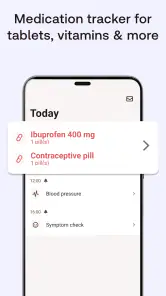
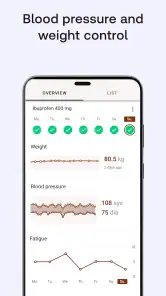
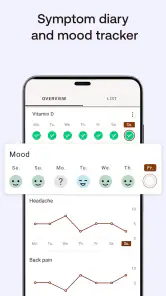
What’s truly amazing is how comprehensive this app is. It’s not just about reminding you to take your pills. You can track your health in various ways, like monitoring your symptoms, keeping a digital health diary, and even tracking your weight. It’s like having a personal healthcare assistant in your pocket. The app sends you reminders not just for medication, but also for other health-related tasks, which is perfect for someone like me who tends to forget these things amidst a busy schedule.
Another feature worth mentioning is the ability to share your health data with your doctor or family. This is particularly useful if you’re managing a chronic condition and need to keep everyone in the loop. Plus, the app’s adherence reports can be a real eye-opener, helping you understand your medication patterns better and discuss them with your healthcare provider.
My Personal Experience
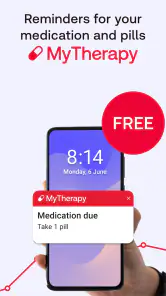
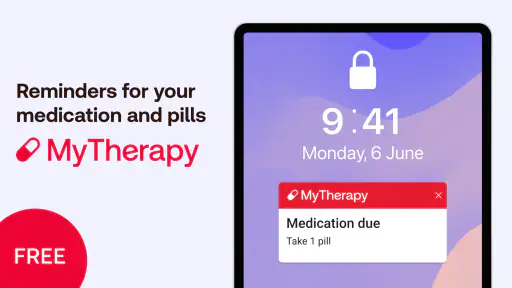
I’ve found the notifications to be just the right amount of persistent. They’re gentle nudges rather than annoying alarms, which I appreciate. And the best part? You can customize these notifications to fit your schedule. Whether you need reminders in the morning, afternoon, or evening, MyTherapy has got your back.
One of my favorite things about the app is its simplicity in logging information. Adding a new medication or health task takes just a few taps, and you’re done. It’s seamless and doesn’t feel like a chore, which is essential for sticking with it long-term.
Choosing the right level of tracking
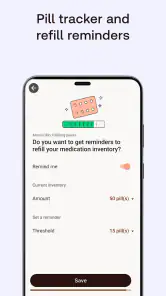
The pill counter and mood-tracking angle make this more than a bare alarm, but more tracking is not automatically better. I would use notes and symptom records when they help me notice a pattern or prepare a useful conversation with a clinician; I would skip daily entries that add effort without changing what I do. Health records can be personal, too, so I would think about what I am comfortable recording and sharing before building a detailed diary.
Compared with a phone’s built-in alarm or a basic reminder app, MyTherapy is more suited to someone who wants medication logging alongside health information and reports. A plain alarm may be quicker to set up if all you need is one daily prompt, and a paper checklist may be preferable if you do not want to keep health details on a phone. The trade-off is that simple alternatives do not offer the same combined tracking approach.
Reliability and device considerations
I would treat reminders as support, not as a guarantee that a dose has been taken. If you rely on alerts, check that the app’s schedule matches your current instructions and make a habit of recording doses when you take them. After a phone change, app update, or adjustment to your medication routine, I would review the entries rather than assuming everything still reflects your needs.
MyTherapy is a medical app from developer MyTherapy. It is free to install, with optional in-app purchases ranging from $3.69 to $79.99 per item. Its 4.7 average from around 214,000 ratings and more than 5 million installs suggest that many people have found it useful, though those figures cannot tell you whether its workflow suits your own routine. It is rated for everyone, and version 3.248.2 requires Android 8.0 or later. The app’s usefulness also depends on your device behaving as expected: if notifications are delayed or unavailable, I would not use it as my only safeguard for a time-critical medicine.
Final Thoughts
In a world where we rely on technology for everything from ordering food to tracking our fitness, having an app like Meds & Pill Reminder MyTherapy is a no-brainer for anyone who needs help managing their health. It’s packed with features yet remains easy to use, making it a must-have tool for staying on top of your health game. Give it a try, and you might find it’s just what you need to keep yourself in check.
So, if you’re someone who, like me, needs that extra reminder to take care of yourself, this app is definitely worth a download. Trust me, your future self will thank you!
Who will get the most from it?
I think it is best for people who want one place to prompt medication routines and keep health notes that they can later review. It may also help a family member who is supporting someone else’s routine, provided the person taking the medicine remains involved and any sharing is handled thoughtfully. Someone who takes medicine only occasionally, dislikes phone notifications, or wants a highly specialized clinical record may find a basic reminder or a clinician-recommended tool a better fit.
For day-to-day use, I would set up the schedule when I have time to concentrate, then make a quick check of the log at a consistent point in the day. If treatment changes, I would update the routine promptly and verify it against the clinician’s instructions. The app can organize reminders and records, but it cannot replace professional advice or independently confirm that a treatment is right for you.
My performance verdict
I see MyTherapy as a practical organizer rather than a demanding health dashboard. Its combination of medication prompts, a pill counter, mood tracking, and health records can be valuable when those pieces support one routine; the same breadth may feel like unnecessary work if you only need a single alarm. I would start with the core reminders, keep entries purposeful, and judge it by whether it makes the routine clearer. For that specific job, it is worth considering, while anyone needing medical guidance or a guaranteed alert system should use appropriate professional support and backup habits as well.
Setting it up for a changing routine
A schedule that works on an ordinary week may become confusing during travel, a shift change, or a temporary treatment adjustment. I would not rush through edits while distracted. Instead, I’d compare each entry with the current instructions, check the next reminders after saving, and make sure an old schedule is not still shaping what I expect to see. That small review is especially worthwhile when more than one medicine has a different timing pattern.
If you help a relative, agree together on who will enter changes and who will mark a dose as taken. Two people independently updating a routine can create uncertainty even when both are trying to help. Shared records are most useful when everyone understands what they show: a log of entries, not proof that a medicine was swallowed or a clinical assessment of whether the treatment is working.
When the extra detail earns its place
Mood and symptom notes can be more useful when they answer a specific question than when they become a daily obligation. For example, if you have noticed that how you feel varies during a treatment period, a short, consistent note may help you describe the pattern at an appointment. I would choose a simple scale or brief wording I can maintain, rather than trying to document every sensation. If the record starts taking longer than the routine it is meant to support, I would pare it back.
The same principle applies to weight or other health entries: decide what you hope to learn before logging them. A series of measurements without context can create noise, while entries made in a consistent way may be easier to discuss with a clinician. MyTherapy can help keep these observations together, but interpretation belongs with you and your healthcare professional, not with an assumed meaning attached to a number.
Notifications, battery, and recovery habits
I would test the reminder flow during a normal day before depending on it during a demanding one. If an alert does not appear when expected, check the schedule and the phone’s notification settings rather than assuming the dose entry is wrong. Device settings and interruptions can affect how any reminder behaves, so a written backup or another agreed routine is sensible for medication where timing matters. I would not claim that an app can guarantee delivery simply because a reminder has been entered.
For resource use, I would keep expectations modest: this is a routine tracker, not an app I would expect to need constant attention. I would not keep it open in the background just to feel reassured; the useful habit is checking the relevant entry and returning to the rest of the day. If the app or phone becomes unresponsive, reopening it and checking the current schedule and log is more sensible than assuming an action was saved. For any uncertainty about a dose, use professional instructions rather than trying to recover the situation by tapping through entries.
Choosing between a tracker and simpler tools
A calendar entry, alarm, or paper chart can be a better choice for someone who wants almost no setup and has a stable, uncomplicated routine. Those approaches can also be easier to share in a household without asking another person to learn an app. Their limitation is that they do not bring medication prompts together with mood, symptom, weight, and adherence records in the same way. The right choice depends less on which tool has more features and more on which one you will maintain accurately.
I would be cautious about choosing MyTherapy if you need a clinical decision-support system, a guaranteed time-critical alert, or a highly specialized record required by a care team. It is also not an ideal fit if you prefer not to keep health information on a phone or if recording details feels intrusive. In those cases, a basic alarm, paper method, or tool recommended by your clinician may better match the need. The app is strongest as an organizer for a person who wants to take an active role in keeping a routine and its notes legible.
What I would check before making it a habit
My practical test would be to start with one clear routine, confirm that its reminders appear at useful moments, and see whether logging feels easy enough to repeat. I would then add another medicine or health note only if it solves a real problem. That gradual approach makes it easier to identify whether the app is helping, rather than mistaking a long setup for progress.
People often wonder whether they need to record every dose, whether the app can replace a clinician’s instructions, and whether it is suitable for a family member’s routine. My answer is to use logging only as consistently as you can, keep medical decisions with your care team, and involve the person taking the medicine in any shared process. For someone who wants reminders plus a modest health record, MyTherapy can bring useful structure; for someone seeking a hands-off guarantee or an advanced clinical system, it is the wrong kind of tool.
My overall view is that its value comes from making a routine visible: what is scheduled, what has been recorded, and which notes may be worth discussing. That can save mental effort, particularly when everyday life interrupts a familiar schedule. But the app works best as one part of a dependable plan, alongside correct instructions and sensible backup habits. If you are willing to keep the setup accurate and the tracking purposeful, it is a practical option to try; if the extra record-keeping would become another burden, a simpler reminder may serve you better.
Meds & Pill Reminder MyTherapy Frequently Asked Questions
Is Meds & Pill Reminder MyTherapy suitable for someone who has never used a medication-tracking app?
Yes. MyTherapy is designed to make medication routines easier to manage, and its main tools—medication reminders, a pill counter, and mood tracking—are useful starting points for someone new to this kind of app. You can enter your routine and use reminders to support consistency. As with any health app, keep following your clinician’s instructions when setting up or changing a medication schedule.
What kind of health information can I track with MyTherapy?
MyTherapy focuses on medication routines and mood. You can use its medication reminder and pill counter tools to keep an eye on your medicines, and log how you feel with the mood tracker. Together, these features can help you maintain a personal record of your routine and wellbeing. The app is a tracking aid, not a diagnostic tool or a replacement for professional medical advice.
What is Meds & Pill Reminder MyTherapy and how does it work?
Meds & Pill Reminder MyTherapy is an app designed to help users manage their medication schedules effectively. It works by allowing users to input their medication details, including dosage and timing, and then sending reminders to ensure they take their medication on time. The app can also track health metrics and provide a comprehensive overview of one’s medication adherence, making it a valuable tool for both patients and caregivers.
Can MyTherapy help me keep track of my mood as well as my medication?
Yes. Alongside its medication reminder and pill counter tools, MyTherapy includes mood tracking, so you can log how you feel and consider it alongside your treatment routine. This can help you maintain a more complete personal health record over time. It is a tracking aid rather than a diagnosis or substitute for advice from a healthcare professional.
Is Meds & Pill Reminder MyTherapy free to use, or are there any premium features?
Meds & Pill Reminder MyTherapy is free to download and use, offering a wide range of features at no cost. However, the app offers in-app purchases ranging from $3.69 to $79.99 per item. Users can choose to purchase these items, while the app itself is free to download.
Pros
- User-friendly interface for all ages.
- Customizable reminders for medications.
- Track health data across multiple metrics.
- Supports various medication types and dosages.
- Secure data storage with privacy controls.
Cons
- Limited features in free version.
- No integration with fitness apps.
- Occasional sync issues reported.
- Ads present in the free version.
- Requires constant internet connection.
- Category
- Medical
- Version
- 3.248.2











