Levla: Habit Tracker RPG
- 34.00
- 4.8
- Installs
- 10.00K
- Price
- Free

Screenshots

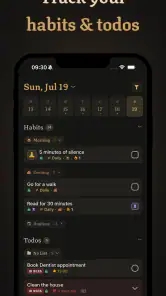

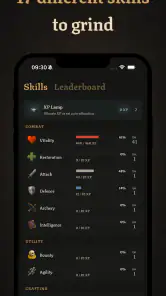

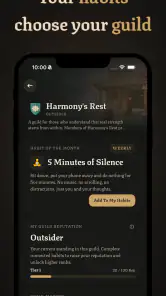

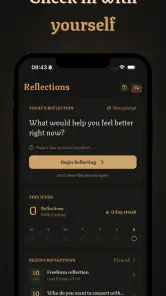
Analysis by Reviewed
I know the feeling of opening a habit tracker with good intentions, setting up a long list of goals, and then abandoning it because checking boxes starts to feel like another chore. Levla: Habit Tracker RPG takes a different route. Instead of presenting self-improvement as a plain checklist, it frames everyday progress around a role-playing character. That idea is simple, but it changes the emotional weight of small tasks: completing something is meant to feel like progress in a game rather than another obligation waiting on my phone.
I reviewed Levla as a productivity app from Turbo Labs SE, and my first impression was that its appeal depends less on complicated planning and more on whether the game-like framing helps you return consistently. It is free to start, rated for Everyone, and currently sits at a strong 4.8 average from roughly 470 ratings. That reception suggests the concept connects with many users, although a rating cannot tell you whether its style will suit your own motivation.
The app is best understood as a bridge between a habit tracker and a lightweight RPG experience. It is not trying to replace a full calendar, project manager, journal, or detailed task system. Its job is narrower: make repeated personal actions easier to notice, repeat, and emotionally reward. That focus is also its main advantage. If your problem is knowing what you should do but failing to keep doing it, Levla has a clear reason to exist.
Turning repeated intentions into something easier to return to
The recurring problem is not always planning
Many productivity tools assume that the hardest part is organizing work. In real life, I often find the difficult part comes later. I may know that I want to read, exercise, tidy a room, practice a skill, or maintain a healthier routine, yet the action still loses against distractions and tiredness. A conventional list records the intention, but it does not necessarily make the next repetition feel inviting.
Levla approaches that gap through progression. The central promise is not that the app will manage every part of my life. Instead, it gives repeated real-world behavior a game-shaped context. That distinction matters. A game can make return visits feel natural because progress is visible and personal. A productivity tool can feel like an administrative inbox. Levla tries to move the experience toward the first category without pretending that the work itself disappears.
I also appreciate that this concept can work for goals that are too small or personal for a conventional project manager. A project tool is excellent when I need deadlines, dependencies, documents, and collaboration. It is excessive when I simply want to remember a few behaviors and feel that they are accumulating into something meaningful. Levla makes more sense in that smaller space.
What the first setup should accomplish
The most useful way to begin is to treat the first setup as a selection exercise, not a complete autobiography. I would start with a short group of habits that already have a clear action attached to them. “Read a few pages,” “take a walk,” or “practice a language” is easier to evaluate than a vague goal such as “be more productive.” The clearer the behavior, the less room there is for debating whether I actually completed it.
More From Our News Desk

Clash of Clans Is Won Between the Battles

Android Auto Makes the Case for Quieter Car Software

MobiOffice: Transforming Mobile Productivity with Seamless Integration

EA SPORTS FC™ Mobile Soccer: Redefining Mobile Sports Gaming

How Microsoft OneDrive Became a Mobile Productivity Giant

How Google Translate Breaks Language Barriers Effortlessly
This is one of the app’s most important practical lessons: the RPG layer can make repetition more attractive, but it cannot rescue an unclear habit. If I add every ambition at once, the character theme may become decoration over a crowded list. A smaller starting set gives each action a chance to become familiar before I expand the routine.
I would also separate habits by the kind of day they need. A routine that works on a quiet weekend may be unrealistic during a busy weekday. Keeping the initial choices modest helps prevent the common failure where missing one demanding target makes the entire system feel broken. Levla is more useful when I use it as a gentle return point rather than a test of personal perfection.
The current version is 1.0.4 and supports Android 8.0 or later. That makes the app accessible to people using older Android devices, while still giving prospective users a straightforward compatibility check before installing. It is available without an upfront purchase, although the app includes in-app purchases ranging from $5.99 to $149.99 per item. I would therefore begin with the free experience and decide whether the progression model genuinely improves my consistency before spending anything.
Why the RPG framing can help, and where it can fail
The character idea gives a repeated action a little more identity. Instead of seeing only a completed line, I can connect the behavior with the feeling of developing a character. That can be especially useful for people who respond better to visible progression than to abstract promises about long-term benefits. The reward is not only “I remembered to do this”; it becomes “I am building a pattern.”
There is a trade-off, though. Some people find game mechanics motivating for a few days and distracting afterward. If I start optimizing the app’s reward loop instead of caring about the underlying habit, the system has become a second game rather than a support for real life. Levla works best when the fictional layer remains a prompt to act, not the reason I choose actions that do not matter to me.
A realistic weekday routine
Imagine a weekday in which I want to move more, spend less time scrolling, and practice a personal skill. A traditional task app might show three reminders among meetings, errands, messages, and unfinished work. Levla can give those personal actions a separate identity, which makes them easier to recognize as part of a routine rather than as miscellaneous leftovers.
In the morning, I would look at the habits I selected and choose an achievable first action instead of mentally negotiating the entire day. During a break, a short walk can become a quick completion rather than a vague intention. In the evening, I can record the skill practice while the result is still fresh. The value is not that the app performs any of these actions. The value is that it gives the repeated actions a consistent home and a reason to check back.
This workflow also reveals an important boundary. If my day contains complex work with several people, changing deadlines, and attached files, I would use a calendar or task manager alongside Levla. The RPG habit layer is better for personal repetition than for coordinating a project. Trying to force it into the latter role would create more friction, not less.
Using it for habits that are easy to overlook
One non-obvious use is to reserve Levla for maintenance behaviors that rarely feel urgent. Cleaning a small area, stretching, reviewing notes, or preparing something for tomorrow can have a large cumulative effect while remaining easy to postpone. These actions often disappear inside a general to-do list because urgent work pushes them down. Giving them a distinct progression context can make them visible without turning them into a major planning project.
Another useful approach is to use the app as a recovery tool after a disrupted routine. If I miss several days, I would avoid adding extra targets to compensate. Instead, I would return to the smallest repeatable action and let the character progression rebuild naturally. This prevents the familiar cycle of guilt, overcorrection, and another abandonment. The game metaphor is particularly helpful here because it encourages the idea of continuing a journey rather than declaring the entire attempt a failure.
Reducing the mental cost of checking in
The biggest friction Levla aims to remove is the emotional resistance before a small action. A plain checklist can make me feel that I am reporting to an administrator. A character-based system can make the same check-in feel more personal and immediate. That difference may sound minor, but repeated habits are often lost through tiny moments of avoidance rather than one dramatic decision.
There is also a useful separation between planning and motivation. I can decide beforehand what matters, then use the app during the day as a quick reminder of the identity I am trying to build. This is more focused than opening a large productivity suite and scanning every obligation at once. For someone who becomes overwhelmed by an all-purpose dashboard, Levla’s narrower purpose may save time simply by reducing the number of choices on screen.
At the same time, I would not expect the app to remove every source of friction. I still need to remember to open it, define sensible habits, and honestly mark progress. If the selected goals are too ambitious, the RPG presentation cannot make them sustainable. The app reduces the burden of tracking and returning; it does not eliminate the need for judgment.
How it compares with ordinary alternatives
Compared with a plain notes app, Levla offers a stronger sense of continuity. Notes are flexible and quick, but they leave me responsible for creating my own structure and motivation. Compared with a standard checklist, Levla is more expressive and potentially more engaging, though a checklist may be faster for a one-off errand. Compared with a calendar, it is better suited to recurring personal behaviors than appointments tied to a particular time.
Dedicated habit trackers may be preferable for someone who wants a highly restrained interface, detailed trend analysis, or a purely numerical view of consistency. Levla’s distinctiveness comes from the RPG framing, so users who dislike fictional progression may find a minimalist tracker more comfortable. Conversely, people who repeatedly abandon minimalist tools because they feel lifeless may gain more from Levla’s character-centered approach.
I would also keep a separate task system if my work depends on priorities, due dates, or collaboration. Levla should complement that system by handling personal habits, not compete with it. The best setup is likely a division of labor: use the calendar for time commitments, the task manager for projects, and Levla for behaviors that need repetition and encouragement.
Cost, maturity, and practical expectations
The free entry point lowers the risk of trying the concept. That matters because gamification is personal: one user may feel energized by character progression, while another may prefer a quiet list. The available purchases, however, mean I would pay attention to which parts of the experience are included before building my entire routine around it. A free trial period of use is the sensible first step, especially when the highest listed purchase reaches $149.99 per item.
The app has passed ten thousand installs, and its rating is encouraging, but I would still view it as a relatively focused product rather than a mature replacement for every productivity need. The release date is June 24, 2026, so its early stage is worth keeping in mind when deciding how much to depend on it for an elaborate long-term system. For simple personal habits, that may not matter. For users expecting a broad ecosystem of advanced planning tools, it should influence expectations.
Its Everyone content rating also makes the concept approachable for a broad audience. Parents, students, and adults can understand the basic idea without needing specialist productivity knowledge. Still, suitability is not the same as universal appeal. A younger user may enjoy the game perspective, while a professional who wants strict scheduling and reporting may find it too informal for work management.
Who should try it first
I would recommend Levla to someone who has already tried ordinary reminders and checklists but does not consistently return to them. It is particularly promising for personal goals that benefit from repetition, including movement, reading, study, creative practice, and small household routines. The strongest candidate is not the person with the most complicated schedule; it is the person who needs a more inviting reason to repeat a few meaningful actions.
I would be more cautious if I need detailed analytics, team collaboration, time blocking, or a complete project workflow. I would also skip it if the RPG theme actively irritates me. Motivation tools only work when their language feels natural. If seeing a character level up makes the task feel less serious rather than more engaging, a straightforward habit tracker is likely the better choice.
My verdict after looking at the whole workflow
Levla: Habit Tracker RPG has a clear and useful idea: make real-world repetition feel like progress in a personal adventure. Its strength is not advanced project management. It is the reduction of a very specific kind of friction—the reluctance to return to small habits that matter over time. When I keep the setup focused, the concept feels more helpful than a generic list because it gives those actions a visible identity.
The limitations are equally clear. The app still depends on honest input, sensible goals, and regular check-ins. Its game layer will not suit everyone, and users with demanding planning needs should pair it with more conventional tools. The purchase range also makes it wise to test the free experience carefully before committing money.
My recommendation is to try it with a small, realistic routine rather than transferring an entire life plan into the app. Give the character progression a chance to prove whether it changes your behavior, not merely whether it looks appealing. If the main obstacle is returning to habits, Levla is worth exploring; if the obstacle is managing complex work, choose a dedicated task or calendar app instead.
For me, the app earns its place by making personal maintenance feel less like paperwork. That is a modest goal, but it is the right one. When a tool saves mental effort at the exact moment I am tempted to postpone something, it can become genuinely useful. Levla does not promise to live my life for me, and it should not. It offers a more approachable way to keep showing up for the parts of life that are easy to overlook.
Levla: Habit Tracker RPG Frequently Asked Questions
Who makes Levla: Habit Tracker RPG, and what kind of app is it?
Levla: Habit Tracker RPG is a productivity app from Turbo Labs SE that blends personal routines with role-playing game elements. Its central idea is captured in its store summary: build real habits while leveling up a real RPG character. If you are looking for a way to make everyday goals feel more game-like, that combination is the app’s main appeal.
What is Levla: Habit Tracker RPG, and how does it work?
Levla: Habit Tracker RPG combines everyday habit tracking with role-playing game mechanics. You create habits or daily tasks, mark them as completed, and use your progress to develop an in-game character. The RPG presentation is designed to make routines feel more engaging, while the tracking tools help you monitor consistency instead of relying only on motivation.
Is Levla: Habit Tracker RPG suitable for beginners who have never used a habit tracker?
Yes. Levla is generally approachable for beginners because its main idea is straightforward: choose habits, complete them, and record your progress. The game-like elements may take a little time to understand, especially if you are unfamiliar with RPG systems, but they add an entertaining layer rather than making the basic tracking process complicated. Starting with two or three simple habits is recommended.
Can I customize habits and goals in Levla: Habit Tracker RPG?
The app is intended to support personal routines rather than forcing everyone into the same schedule. You can use it to organize goals such as exercise, reading, studying, hydration, or other recurring activities, depending on the options available in your version. Before downloading, check the current app listing for details about habit frequency, reminders, categories, and customization features.
Does Levla: Habit Tracker RPG require an internet connection?
Many habit-tracking functions may work without a constant connection, which is useful when you want to check off tasks while traveling or away from Wi-Fi. However, features such as account synchronization, cloud backups, advertisements, updates, purchases, or online services may require internet access. Availability can vary between Android and iOS versions, so review the store description and permissions before installing.
Pros
- Turns daily habits into engaging RPG-style quests.
- Customizable routines make goals easier to fit into your lifestyle.
- Progress rewards can make consistency feel more satisfying.
- Simple visual tracking helps you spot patterns over time.
- Suitable for users who enjoy gamified self-improvement.
Cons
- The RPG elements may feel too simplistic for experienced gamers.
- Some features may require regular manual habit updates.
- Missing a day can feel discouraging for perfectionist users.
- The reward system may lose appeal after extended use.
- Habit tracking quality depends heavily on consistent daily engagement.
- Category
- Productivity
- Version
- 1.0.4