KAYA: THE CLIMBER’S APP
- 305.00
- 3.9
- Installs
- 100.00K
- Price
- Free

Screenshots





Analysis by Reviewed
I came to KAYA expecting a useful companion for climbing sessions, not an app that would replace time on the wall. That distinction matters. KAYA is a free sports app from KAYA Climbing, and its appeal is tied closely to the rhythm of bouldering: finding problems, seeing what other climbers are working on, and keeping the energy of a session going after the first visit. The store summary, “All the beta. All the stoke,” captures the mood better than a technical explanation does.
My first impression was that this is built for climbers who enjoy the social and discovery side of the sport. It is less interesting if I only want a private stopwatch, a basic training timer, or a simple notebook for recording attempts. The app feels most relevant when I want climbing information connected to a real gym or climbing community, rather than a generic fitness dashboard.
That focus gives it a clear identity, but it also creates the main question I kept returning to: does KAYA remain useful once the excitement of exploring it wears off? A new climbing app can be fun during the first few sessions, especially when there is plenty to browse. The harder test is whether it becomes part of my monthly routine, whether it helps me make better decisions at the wall, and whether maintaining a personal record feels worthwhile instead of becoming another chore.
What makes the first week appealing
The strongest early experience comes from using KAYA with a specific climbing plan. Rather than opening it casually and hoping it becomes useful, I would use it before visiting a gym, during a session, and briefly afterward. Before climbing, I can use the app as a way to orient myself toward the problems or beta that interest me. At the gym, it can support the process of comparing attempts and remembering what deserves another try. Afterward, it gives the session a little more continuity than simply leaving with tired forearms.
That workflow is more valuable than scrolling without a purpose. I found that the app makes the most sense when I treat it as a climbing companion, not as a general social network. A useful habit is to decide on one or two questions before opening it: Which problems do I want to attempt? Which movement gave me trouble? Do I want to remember a sequence for the next visit? Those questions turn browsing into preparation.
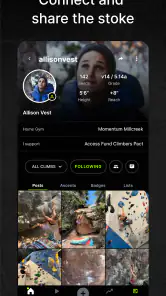
The community angle is also part of the first-week appeal. Climbing is often a shared activity even when I am working on a problem alone. Seeing how other climbers approach a route can offer a fresh idea, particularly when I am stuck on a movement that feels obvious to everyone else. The benefit is not that another person’s solution automatically works for me. It is that it can reveal a different body position, rhythm, or order of moves worth testing.
There is a useful trade-off here. Beta can shorten the time I spend feeling lost, but it can also remove some of the discovery that makes climbing satisfying. I would not watch or read everything before trying a problem myself. My preferred approach is to make a genuine attempt first, then use KAYA when I need a hint rather than a complete answer. That keeps the app from turning every climb into passive consumption.
More From Our News Desk

Clash of Clans Is Won Between the Battles

Android Auto Makes the Case for Quieter Car Software

MobiOffice: Transforming Mobile Productivity with Seamless Integration

EA SPORTS FC™ Mobile Soccer: Redefining Mobile Sports Gaming

How Microsoft OneDrive Became a Mobile Productivity Giant

How Google Translate Breaks Language Barriers Effortlessly
For a newcomer, the app may feel motivating because it connects climbing with visible progress and shared enthusiasm. However, I would not rely on it as a substitute for instruction. A beginner still benefits more from learning safe falling, warm-up habits, body positioning, and basic gym etiquette directly from experienced people. KAYA can support practice, but it cannot observe my movement or correct a risky habit in real time.
A practical session workflow
My most effective routine is deliberately small. I look through the relevant climbing content before arriving, choose a limited set of problems, and avoid turning the visit into an endless search. During the session, I use the app only when it answers a concrete question. After climbing, I record or revisit the information that will genuinely help next time. This prevents the phone from becoming a distraction between attempts.
One non-obvious advantage of this method is that it separates planning from performance. If I browse continuously while climbing, I can spend more time comparing possibilities than actually moving. By deciding in advance how much help I want, I preserve the physical and mental focus that makes a session productive. KAYA works better when it supports the wall rather than competing with it.
The app is also a better fit for climbers who visit places where its climbing content is relevant and active. If my regular gym or local scene is not well represented, the first-week excitement can fade quickly. In that situation, the app may still have value for travel or general climbing discovery, but it will not feel like a daily tool.
What survives from month to month
Longer-term value depends on whether KAYA helps me make better use of repeated visits. Climbing progress is rarely a straight line, so an app earns its place when it helps me notice patterns: which styles I avoid, which problems I abandon too early, and which attempts deserve a return visit. KAYA is most promising for that kind of continuity because it keeps the focus on climbing activity rather than broad fitness targets.
I would use it as a lightweight reflection tool. After a session, I might note the problem that exposed a weakness, the move that finally improved, or the reason I stopped trying. The important part is not building a perfect archive. It is leaving myself enough context to make the next session more intentional. A short note such as “lost tension on the final move” is more useful than a vague feeling that a climb was difficult.
This is where the app can become more than a novelty. The first week is about discovering content and learning the interface. The following months are about returning with a purpose. If KAYA helps me pick challenges that match my current level, revisit unfinished work, and learn from other approaches without copying them blindly, it has recurring value.
Still, I would not claim that every climber needs a dedicated app for this. Someone who climbs casually and is happy to remember sessions mentally may find a paper notebook or the phone’s basic notes app faster. A general fitness app may be better for someone whose main goal is tracking workouts, heart rate, running, or strength sessions. KAYA makes its case through climbing-specific context, not through being a universal training system.
The social element can also change over time. At first, community activity makes the app feel lively. Later, its value depends on whether the information stays relevant to the places and problems I care about. If I repeatedly see useful, local, or timely climbing material, I have a reason to return. If I open it and find little that affects my next session, the habit becomes harder to justify.
How I would build a sustainable habit
I would avoid checking KAYA every day simply because it is installed. A better pattern is to open it around actual climbing events: before a gym visit, during a deliberate review, or when planning a return to a problem. That keeps the app connected to a physical activity and reduces the risk of endless scrolling.
A second useful habit is to review old information before adding more. Instead of collecting every piece of beta, I would ask whether the material changed my approach. If it did, I would keep the lesson. If it did not, I would move on. This makes the app serve progress rather than accumulation.
For climbers who travel, KAYA may have a different kind of recurring value. I would use it as a preparation layer before visiting an unfamiliar climbing environment, then as a way to remember what I want to try again. The trade-off is that usefulness will depend on the available local content, so I would treat it as a helpful companion rather than the sole source of planning.
Maintenance, friction, and the cost of attention
The app is free to install, which makes trying it low risk. It carries a Teen content rating, and the current version is 3.52.4 with support for Android 7.0 and later. Those details make it accessible to many older Android devices, although the experience of any app can still vary with the phone, operating system, and the amount of content being used.
There are also in-app purchases ranging from $7.99 to $99.99 per item. That does not make the initial download expensive, but it does mean I would pay attention to which parts of the experience are available without spending and whether optional purchases fit my own climbing budget. For an app that is meant to support a recurring hobby, the difference between “free to try” and “comfortable to keep using” matters.
Maintenance is not only about money. It includes keeping personal records meaningful, deciding which notifications deserve attention, and resisting the temptation to check the app during every pause. Climbing already has natural breaks, and a phone can easily fill them with browsing. I would keep my use intentional, especially on sessions where the goal is technique, strength, or simply enjoying time with friends.
Another maintenance issue is accuracy. Beta is personal. A solution that works for a tall climber, a flexible climber, or someone with a different strength profile may not transfer neatly to me. I would treat shared advice as a set of experiments, not instructions that must be followed. This is an important limitation of any community-driven climbing resource: useful ideas can also create confusion when I forget that bodies and styles differ.
The app can therefore save time in one moment and cost attention in another. It may help me get unstuck, but it can also encourage comparison. If I start measuring my session against other people’s progress, the tool becomes less healthy for me. I would use it to learn and remember, not to turn every climb into a public performance.
Where enthusiasm can turn into fatigue
The first source of fatigue is repetition. Even a well-focused climbing app can feel less exciting once I have explored the content around my usual locations. The novelty of finding new beta is naturally strongest at the beginning. To stay useful, KAYA has to remain connected to fresh goals, new visits, or problems I have not finished.
The second is decision overload. Too much information can make a simple climbing session feel like a research project. If I spend several minutes comparing approaches before touching the wall, I have already lost some of the momentum that brought me there. My solution is to limit the number of problems I investigate in advance and give myself permission to climb without consulting the app.
A third issue is the emotional effect of social comparison. Climbing progress is uneven, and public enthusiasm can make ordinary setbacks feel worse than they are. I would be cautious about using the app immediately after a frustrating session, when I am most likely to interpret other people’s success as evidence that I am falling behind. Sometimes the better choice is to rest, eat, and return another day without opening the app.
There is also a practical reason some users may lose interest: KAYA is specialized. If I want structured strength programming, detailed recovery tracking, or a broad exercise log, another app may be a better match. If I mainly climb outdoors and need a different kind of planning resource, I would compare KAYA’s usefulness with tools designed around that specific setting. Its focused identity is a strength, but it also defines its limits.
The average rating is 3.9 from around 635 ratings, with about 305 written reviews. I read that as a sign to keep expectations realistic: the app has a meaningful audience, but it is not a universally loved solution. Its value will depend heavily on how closely my climbing habits match its intended use. That is not a criticism of the concept; it is a reminder that a specialized app should be judged by fit, not popularity alone.
Who should keep it installed
I would recommend KAYA to climbers who enjoy reviewing problems, learning from different approaches, and building a connection between one session and the next. It is especially suitable for someone who visits climbing gyms regularly and wants more context than a simple list of attempts can provide. It can also suit friends who like sharing the process of working through difficult climbs.
I would be more cautious for someone who wants a quiet, distraction-free workout. If my priority is completing a training plan, timing intervals, or staying away from screens, KAYA may add friction rather than remove it. The same is true for climbers who do not have relevant local content or who dislike social features around personal progress.
For parents and younger users, the Teen rating is worth noticing before installing. It places the app in a category that may not suit every family’s expectations, so I would review the experience personally and decide whether it fits the user’s age and climbing environment.
Does it earn lasting space?
After the novelty fades, I think KAYA earns a place on a climber’s phone when it is used as a focused bridge between sessions. Its lasting value is not simply that it contains climbing information. The stronger case is that it can help me prepare, experiment with beta, remember unfinished work, and return to the wall with a clearer idea of what I want to practice.
That value requires restraint. I would not keep it installed just to scroll through climbing content or compare myself with other users. I would keep it if it helped me turn vague goals into specific attempts and if the content around my regular climbing locations stayed useful. The app rewards a deliberate routine more than constant engagement.
As a free sports app developed by KAYA Climbing, it is easy to try without committing money at the start. The presence of optional purchases means I would check the upgrade path before making it central to my routine, particularly if I am trying to keep climbing expenses under control. The large installation base, at over 100K installs, suggests that the concept has reached plenty of climbers, but reach alone does not decide whether it belongs in my personal toolkit.
My recommendation is therefore positive but specific. Try KAYA alongside real climbing sessions, not as a replacement for them. Give it a week with a clear workflow, then judge it after a full month: Did it help me attempt something I would have skipped? Did I return to a problem with a better idea? Did it preserve useful lessons without demanding too much attention? If the answer is yes, it has lasting value. If the answer is no, a simple notebook or a more general training app may serve me better.
For me, the best version of the experience is modest and practical. I use the app to prepare, learn, and remember, then put the phone away and climb. That balance is what keeps KAYA from becoming another short-lived download. It does not need to dominate my routine to be worthwhile; it needs to make the next session a little more purposeful.
KAYA: THE CLIMBER’S APP Frequently Asked Questions
What devices and operating systems can run KAYA: THE CLIMBER’S APP?
KAYA: THE CLIMBER’S APP is a sports app from KAYA Climbing, and its current version is 3.52.4. On Android, it requires version 7.0 or later. If you are using an iPhone or another platform, check the relevant app-store page for compatibility with your particular device before installing, as operating-system requirements can differ between platforms.
Is KAYA: THE CLIMBER’S APP suitable for climbers outside the United States?
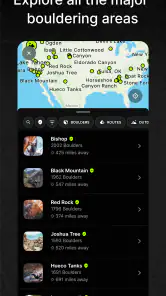
The app is intended to help climbers explore locations and climbing information, but its usefulness depends on the areas and content available to you. Before relying on it for a trip, look up your usual crags and destinations in the app and see whether the relevant routes, problems, or local details are represented. Coverage may vary, so it is worth checking the areas you care about before making plans.
What is KAYA: THE CLIMBER’S APP and who is it designed for?
KAYA: THE CLIMBER’S APP is a digital companion for climbers who want to discover climbing areas, plan sessions, and keep useful information organized in one place. It can be helpful for beginners looking for inspiration as well as experienced climbers searching for new destinations. Before downloading, users should check whether the app’s coverage includes their country, preferred climbing discipline, and local areas.
What features does KAYA: THE CLIMBER’S APP offer?
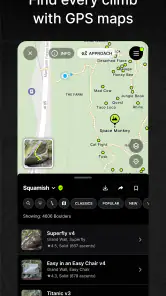
The app is focused on helping climbers explore locations, review available routes or problems, and manage their climbing activity. Depending on the area and supported content, users may find maps, route details, grades, photos, descriptions, community updates, and personal tracking tools. The usefulness of these features can vary because information is often supplied or updated by the climbing community and may not be equally complete everywhere.
Does KAYA: THE CLIMBER’S APP work offline or require an internet connection?
An internet connection is generally useful for browsing new climbing areas, loading maps, viewing photos, synchronizing activity, and accessing the latest community information. Some content may be available for offline use if the app supports saved areas or downloaded data, but users should not assume that every map or route description will work without connectivity. It is wise to prepare important information before traveling to remote crags.
Pros
- Tracks climbing sessions
- routes
- grades
- and personal progress in one place.
- Useful for organizing projects and remembering attempts on challenging climbs.
- Helps identify training patterns and areas where your performance can improve.
- A practical digital alternative to keeping notes in a paper climbing journal.
- Can make outdoor and gym sessions easier to review over time.
Cons
- Its usefulness depends on consistently entering accurate session data.
- Some features may be less valuable for casual or first-time climbers.
- Recording details at the crag can be inconvenient without a stable connection.
- Progress statistics may feel limited if your climbing area has few logged routes.
- Battery and phone use can be impractical during long outdoor climbing days.
- Category
- Sports
- Version
- 3.52.4





