Grass Puzzle Launcher
- 6.00
- 4.5
- Installs
- 1.00M
- Price
- Free

Screenshots
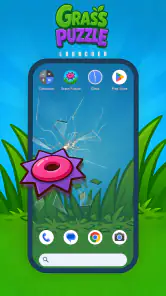
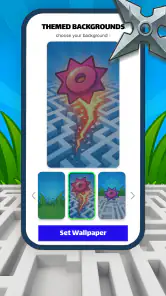
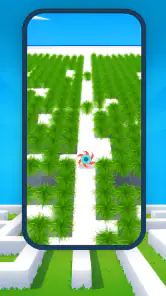
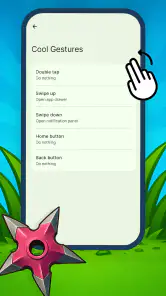
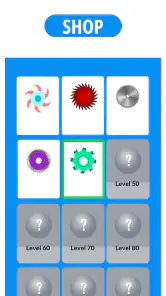
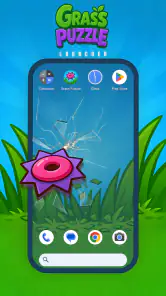
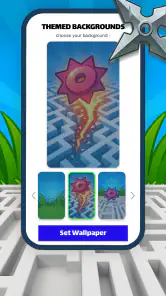
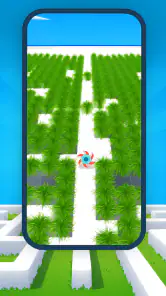
Analysis by Reviewed
I tried Grass Puzzle Launcher as a small personalization app with a puzzle-like twist, and my first impression was that it is easiest to understand when you stop treating it like a conventional launcher. Its store summary is “Plan your moves, and master each maze,” while the short description calls it “Grass Puzzle.” Those phrases point to the central idea: the experience is built around thinking through a grassy maze rather than simply arranging app icons and moving on.
That makes it an unusual choice for a shared phone or tablet. A regular launcher is mostly invisible once it has been configured, but this one can turn the moment of opening the device into a brief activity. I can imagine it working well on a household tablet that several people use, especially when the goal is to make the home screen feel more playful without paying for another app. At the same time, I would not recommend it automatically for every member of a household, because a puzzle-based interface asks for more attention than a standard launcher.
How Grass Puzzle Launcher Fits Into a Shared Device
A playful home screen changes the rhythm of everyday use
On a personal phone, I usually want to reach messages, maps, or music immediately. On a shared device, the situation is different. A child may open it for a short game, another person may need to check a calendar, and someone else may simply want to browse. Grass Puzzle Launcher adds a layer of interaction to that routine. Instead of making the home screen purely functional, it gives the device a puzzle identity that can make repeated access feel less dull.
I found that this kind of design is best suited to a tablet left in a common room, a secondary phone, or a device used during quiet breaks. It can give the device a clear character without requiring a complicated setup from every person who picks it up. The grassy theme also feels softer and less formal than a productivity-focused launcher, which helps it fit casual household use.
The trade-off is speed. If one person wants to open an app quickly, any puzzle interaction can feel like an extra step. That matters more when the device is being used for practical tasks. I would therefore separate the roles: Grass Puzzle Launcher makes sense when the device is meant to be entertaining or relaxed, while a conventional launcher remains better for a phone that is used for urgent communication and frequent work.
Why the maze idea is more than a visual theme
The phrase “plan your moves” suggests that the puzzle is not just decorative wallpaper. The appeal comes from considering a route before acting, then seeing whether the chosen movement works. That small planning habit gives the launcher a different feel from icon packs, animated backgrounds, and ordinary home-screen replacements. It is not simply changing colors or adding a new picture behind the icons; it makes the opening experience part of the product.
For a shared device, this creates an interesting social possibility. One person can solve a maze and hand the device to another person, or a child can practice a route while an adult watches without needing a separate multiplayer system. I would keep expectations realistic, though. Grass Puzzle Launcher is still a launcher-style personalization app, not a substitute for a full puzzle game with a large story, deep progression, or a broad collection of modes.
More From Our News Desk

Clash of Clans Is Won Between the Battles

Android Auto Makes the Case for Quieter Car Software

MobiOffice: Transforming Mobile Productivity with Seamless Integration

EA SPORTS FC™ Mobile Soccer: Redefining Mobile Sports Gaming

How Microsoft OneDrive Became a Mobile Productivity Giant

How Google Translate Breaks Language Barriers Effortlessly
What I would use it for at home
A realistic example is a family tablet kept in the kitchen or living room. During breakfast, one person might use it for music, later another might check a recipe, and in the evening a child might open it for a short puzzle session. In that setting, the app gives the tablet a recognizable shared identity. It can also make the device feel less like a personal phone that accidentally became communal and more like a deliberately casual household screen.
My practical tip is to decide who the device is primarily for before installing it. If the main user needs rapid access to work apps, the playful layer may become irritating. If the device is mostly for occasional browsing and relaxed use, the extra interaction is easier to appreciate. This is one of the app’s less obvious trade-offs: its value depends heavily on the device’s role, not just on whether the user likes maze puzzles.
Setup should begin with boundaries, not decoration
Because Grass Puzzle Launcher changes how the device is reached and experienced, I would install it when the device owner is present and able to test it calmly. On a personal device, that means checking whether the new behavior fits your routine. On a shared device, it means agreeing who can change the arrangement or replace the launcher later. The app itself should not be treated as a substitute for the device’s normal account and security settings.
This distinction is important. A launcher can affect the visible starting point of a device, but it does not automatically create separate user identities, separate files, or separate privacy boundaries. If several people use the same tablet, I would keep personal accounts protected through the operating system and use the launcher only as the presentation layer. That prevents a colorful or playful home screen from creating a false sense that everyone has their own private space.
I also recommend testing the first few openings with the people who will actually use the device. A puzzle that feels charming to one person may feel confusing to another, particularly if they expect the home screen to behave like the default interface. Showing the route and explaining what the maze interaction is for can avoid frustration. This is especially useful when a less technical family member needs to reach everyday apps without learning a new system from scratch.
Shared access does not mean shared control
One of the most useful household habits is to keep configuration responsibility with one or two trusted people. That does not require inventing special family features; it simply means deciding who will handle changes to the launcher and who will use it normally. If everyone experiments with the home screen, the device can quickly become difficult to recognize, particularly when it is passed between people with different preferences.
I would also avoid presenting the launcher as a lock or a privacy tool. The maze may make access feel more distinctive, but it should not be relied on to protect messages, photos, purchases, or accounts. Those protections belong to the operating system and to the individual apps. In a household, this boundary is more important than the novelty of the interface because different users may have very different expectations about what is private.
Coordination makes the app work better
Grass Puzzle Launcher is more enjoyable when people agree on how to use it. For example, a household might decide that the shared tablet keeps the app active during leisure hours, while a standard setup is preferred when someone needs the device for a time-sensitive task. Even a simple spoken rule can make the experience smoother: puzzle interaction for casual use, direct access for practical use.
This kind of coordination also helps with handoffs. If one person stops halfway through an interaction, another person may not know whether the device is ready for normal use or still waiting for a move. A quick explanation avoids the impression that the tablet is stuck. I see this as a social strength of the app when handled well: it can become a small shared activity, but only if the household treats it as an optional layer rather than a compulsory obstacle.
Another useful approach is to keep the shared device’s core apps easy to identify. A maze-themed launcher can provide the atmosphere, but household members still need recognizable routes to the browser, camera, settings, and communication tools. I would prioritize clarity over trying to make every part of the device match the theme. Personalization is successful when it adds character without making ordinary tasks harder.
Age suitability and the question of trust
The content rating is Everyone, so the app is positioned for a broad audience. That makes its light puzzle concept suitable for households considering a child-friendly shared device, but an age rating is not the same as a complete supervision plan. Parents and guardians should still decide whether the device’s other apps, accounts, and browsing access are appropriate. Grass Puzzle Launcher can shape the entrance to the device, but it does not replace conversations about responsible use.
I would feel comfortable introducing it to a child as a simple planning activity, especially with an adult nearby at first. The maze format can encourage patience because the user has to think before moving. However, I would not use it as a reward system, a timer, or a behavioral control unless the household has separately agreed on those rules. Turning the launcher into a compulsory test could make the device feel needlessly difficult, particularly for younger users or anyone who has trouble with unfamiliar interfaces.
Trust also matters between adults. If a shared device contains work documents, personal photos, or several signed-in services, changing the launcher does not resolve the underlying account problem. I would first organize those boundaries at the operating-system level, then decide whether this app improves the visible experience. That order prevents personalization from masking a more serious sharing issue.
What the developer and current build tell me
Grass Puzzle Launcher is developed by Gamnest and is available as a free app. I like that the price makes it easy to test on a spare or shared device without committing money first. Free access is particularly useful here because the app’s suitability depends on personal tolerance for puzzle-based navigation; the only reliable way to know is to use it in the routine where it will live.
The current version is 1.0.8, and the app requires Android 8.0 or later. That requirement keeps it relevant to a wide range of devices that are still in household circulation, though I would still check the Android version before planning an installation on an older tablet. Compatibility alone does not guarantee that every device will feel equally comfortable, since screen size, speed, and the habits of the people sharing it can change the experience.
The app has passed one million installs and holds a 4.5 average from around two thousand ratings. Those figures suggest that the idea has found a meaningful audience, but they should not override the more personal question of whether a maze at the entry point suits your device. The app was released on October 21, 2025, so I would approach it as a relatively new product and pay attention to how future updates affect the balance between puzzle play and everyday access.
Where it beats ordinary personalization tools
Compared with a wallpaper app, Grass Puzzle Launcher offers more than a visual change. A wallpaper can make a device look different, but it does not give people a reason to interact with the home screen. Here, the maze concept creates a small moment of involvement. That is the main reason I would choose it over a static background for a communal tablet intended for relaxed use.
Compared with a typical launcher, its advantage is personality rather than efficiency. Standard launchers are usually better when the goal is to reduce steps, keep icons predictable, and get to an app immediately. Grass Puzzle Launcher is better when the home screen itself is part of the entertainment. That is a meaningful distinction, not a flaw: the app is asking users to value engagement over pure convenience.
It also differs from installing a separate puzzle game. A standalone game is the stronger choice for someone who wants levels, extended sessions, or a dedicated gaming interface. This app is more appropriate for a short interaction woven into device access. If you want a deep puzzle hobby, I would look elsewhere. If you want the device to feel playful every time it is opened, this approach is more distinctive.
Small habits that improve the experience
My first tip is to test it at different times of day. A puzzle that feels welcome during a relaxed evening may feel inconvenient when someone is rushing out the door. That simple trial reveals whether the app belongs on your main phone or on a secondary shared device. I would not make the decision after only one opening.
My second tip is to explain the interface before handing the device to someone who expects a normal launcher. This is especially valuable for guests, older relatives, or children who may interpret an unfamiliar screen as a malfunction. A short demonstration makes the maze feel intentional and reduces the chance that someone repeatedly taps around without understanding the interaction.
My third tip is to keep the app’s role narrow. Let it provide the playful entrance, but do not ask it to solve account separation, parental supervision, or privacy management. Those jobs require operating-system settings and household agreements. Treating Grass Puzzle Launcher as one layer of the device, rather than the whole household strategy, is the best way to avoid disappointment.
A fourth useful insight is to judge it by handoff quality. Ask whether one person can leave the device and another can understand what to do without assistance. If the answer is no, the launcher may be better for a personal device than a communal one. Shared technology succeeds when the next user can take over easily, and a puzzle interface naturally introduces more room for confusion than a familiar home screen.
Who should install it and who should skip it
I would recommend Grass Puzzle Launcher to someone who wants a free personalization app with a clear maze identity, enjoys planning small moves, and is willing to trade a little immediacy for a more playful opening experience. It is particularly appealing on a spare phone or household tablet that is used for casual browsing, light entertainment, or short shared activities.
I would skip it on a work-first phone, an emergency contact device, or any handset where reaching essential apps quickly matters more than novelty. I would also be cautious if several users already struggle with unfamiliar interfaces. In those situations, a standard launcher or a simpler visual customization tool is likely to be kinder and more efficient.
For families, the best fit is a shared device with clear account boundaries and an adult willing to explain the interaction. The app can add a little fun to the routine, but it should not be presented as a security feature or as a replacement for supervision. Its age rating supports broad use, while the actual household context should determine how it is introduced.
My household verdict
Grass Puzzle Launcher succeeds because it gives personalization an active purpose. Instead of stopping at a new image or icon arrangement, it makes the route into the device feel like a compact planning exercise. I enjoyed that difference, and I can see why the app has attracted a substantial audience despite being a focused concept.
My final recommendation is conditional but positive: use it where a playful pause is welcome, especially on a shared leisure device, and avoid it where every second counts. Keep privacy and account responsibilities outside the launcher, agree who manages the setup, and test the handoff between household users. With those boundaries in place, this free app from Gamnest offers a charming alternative to ordinary personalization. Without them, the maze can become one more barrier between a person and the task they opened the device to complete.
Grass Puzzle Launcher Frequently Asked Questions
What does the name “Grass Puzzle” refer to, and what kind of experience should I expect?
Grass Puzzle is a personalization app from Gamnest whose short description is simply “Grass Puzzle.” Its summary says, “Plan your moves, and master each maze,” suggesting a puzzle-oriented theme alongside its personalization focus. If you are looking for a conventional home-screen launcher with a particular set of themes or maze mechanics, check the app’s current Play Store page and screenshots before installing so you can decide whether its presentation matches what you want.
Which Android devices can install Grass Puzzle Launcher?
Grass Puzzle Launcher requires Android 8.0 or later, so check your phone’s Android version before downloading. It is listed as an app in the Personalization category and is rated for Everyone. If your device meets the software requirement, you can consider trying it, while keeping in mind that the overall experience of a personalization app can vary with your device and Android setup.
What is Grass Puzzle Launcher, and how does it work?
Grass Puzzle Launcher is an Android customization app that combines a launcher interface with puzzle-style visual elements. After installation, it may change the home screen layout, icons, wallpapers, or interactive effects to create a more playful appearance. Before using it, review the setup instructions carefully, because launchers can become the default home app and may require additional permissions for their customization features.
Is Grass Puzzle Launcher free to download and use?
Grass Puzzle Launcher is free to download. The exact features offered without payment can vary by version and device, so check the Google Play listing for current pricing, supported devices, and purchase details before downloading, especially if you want access to the complete collection of visual or puzzle-related features.
What permissions does Grass Puzzle Launcher require?
As a launcher, Grass Puzzle Launcher may request permissions or Android access that help it display the home screen, apply wallpapers, show notifications, or provide shortcuts. Depending on the version, it could also ask to become the default launcher. Grant only permissions that make sense for its functionality, and review the developer’s privacy information before accepting requests. Avoid enabling unrelated access if it is not necessary.
Pros
- Simple puzzle gameplay that is easy to learn and play in short sessions.
- Relaxing visual style suitable for casual gaming and stress-free entertainment.
- Lightweight design should run smoothly on many Android devices.
- Progressive challenges can keep the experience engaging over time.
- Launcher-style presentation gives the app a distinctive identity.
Cons
- May feel repetitive if you prefer complex puzzles or fast-paced gameplay.
- Limited depth could reduce long-term appeal for experienced puzzle players.
- Ads or in-app purchases may interrupt play
- depending on the version.
- Performance and compatibility may vary across older devices.
- The unusual launcher concept may confuse users expecting a standard puzzle game.

- Category
- Personalization
- Version
- 1.0.8