Good Inside: Parenting
- 159.00
- 4.8
- Installs
- 50.00K
- Price
- Free

Screenshots

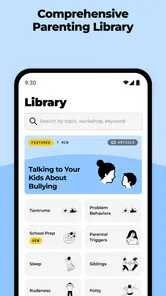

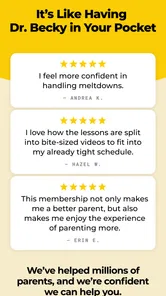
Analysis by Reviewed
When I choose a parenting app, I want help I can use in the middle of an ordinary hard moment—not just advice that sounds good when everyone is calm. Good Inside: Parenting is built around that kind of support, with practical guidance and a positive approach to family relationships. It’s a better fit for parents who want to reflect on how they respond to their children than for someone looking for a basic family calendar, milestone tracker, or pediatric reference.
Start with the kind of help you need
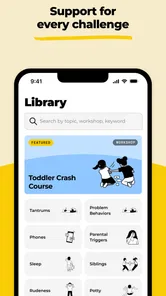
Before downloading, I’d ask myself whether I’m looking for quick answers to a specific question or a broader source of parenting guidance. Good Inside is a parenting app from Good Inside, and its emphasis is on navigating challenges such as tantrums, sibling friction, and bedtime struggles. That focus can be useful when the recurring issue is not simply what to do, but how to stay connected while setting a boundary.
The app is free to download, with in-app purchases ranging from around $84 to $279 per item, so I would check the available options before committing to a paid purchase. Its Everyone age rating and availability on devices running version 7.0 or later make it accessible to a broad audience. It has a 4.9 average from around 1,700 ratings, and more than 10,000 installs. Those figures suggest a well-received app, but they can’t tell you whether its teaching style will click with your family.
Why its format can work in a busy home
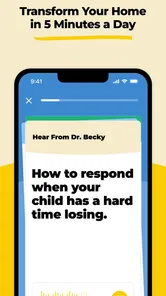
The audio content is a particularly practical choice when reading is unlikely: I can listen while tidying up or taking a break between tasks, then return to a useful idea when a calmer moment arrives. One small but valuable habit is to listen before a predictable flashpoint, such as the evening routine, rather than waiting until frustration is already high. That turns the app into preparation, not just a search for rescue advice.
It also helps to treat guidance as something to adapt, not a script to repeat word for word. A suggestion that works with one child or situation may need a gentler or firmer version in another. I’d use the app to choose one response to practise for a few days, then notice whether it changes the interaction—not expect a single audio snippet to solve a long-running pattern.
A Breath of Fresh Air in Parenting
Let's be real, parenting is no walk in the park. Whether you're dealing with tantrums, picky eaters, or just the daily grind, having a tool that offers practical advice is a game-changer. This app is designed to support you through the rollercoaster of parenthood with a treasure trove of resources. From audio guides to expert tips, it covers a wide spectrum of parenting challenges.
Features That Stand Out
One of the features I absolutely loved is the audio content. As a parent, I often find myself with my hands full, so being able to listen to advice while doing chores is a huge plus. The app offers audio snippets from experts that are both enlightening and easy to digest. Plus, they have a knack for addressing real-life situations and providing actionable insights.
More From Our News Desk

 Gmail
Gmail in a Busy Inbox: Who Benefits Most?
From first account to crowded workday, Gmail earns its place through dependable search and flexible sorting—but its best fit depends on how much inbox maintenance you can tolerate.

 Prime Video
Switching to Prime Video: What Changes in Your Viewing Routine
Prime Video can make a compelling second home for streaming, but switching means learning a different catalog, rental layer, and route from browsing to playback.

 Universal TV Remote Control
 Works Best as a Reliable Backup
A phone remote earns its place through quick setup and reliable habits. Here is how to get more from Universal TV Remote Control—and where its limits show.

 Weather - By Xiaomi
Weather by Xiaomi Review: Clear at a Glance, Less Clear Up Close
Xiaomi’s weather app makes everyday forecasts quick to scan, but its calm surface can leave useful details and recovery paths harder to find than they should be.

 X
X Under Pressure: Can It Recover When Posting Goes Wrong?
A resilience-focused review of X, examining setup, mistaken posts, interruptions, weak connections, and the gaps that matter when recovery needs to be dependable.

 Clash of Clans
 Is Won Between the Battles
Its raids are quick; its community is a long-term project of coordination, teaching, rivalry, and shared responsibility—with all the friction that entails.
Latest News



Another highlight is the community aspect. You know that feeling when you realize you’re not alone in this parenting gig? The app has a community feature where you can connect with other parents, share experiences, and offer support. It’s like having a virtual village at your fingertips.
How it compares with other parenting resources
Compared with a general parenting forum, the app’s expert-led audio and tips offer a more directed starting point; forums can be better when I want a range of personal experiences or ideas from families in similar circumstances. Books and longer courses may suit someone who prefers a structured, uninterrupted learning session, while a search engine is faster for a narrow factual question. I see this app as most useful for thoughtful, practical guidance, not as a substitute for medical advice or tailored professional support.
The community can make a difficult situation feel less isolating, but I’d still be selective about what I share. Parenting conversations involve children’s private lives, so I would avoid posting identifying details and use the space for general questions or mutual encouragement. That privacy-minded approach lets me benefit from other parents without treating an online group as a private family diary.
Putting the guidance to work in real family routines
A practical way to decide whether the app earns a place in your routine is to connect it to a situation that already repeats. Say the hardest part of your day is the transition from play to getting ready for bed. Rather than opening the app during an argument, I’d listen earlier, pick one idea to try, and agree with any other caregiver on a simple approach. That gives the child a more consistent response and gives you a fairer test of whether the guidance helps.
For a parent who shares care across households or with relatives, the useful question is not whether everyone will adopt the same language perfectly. It is whether a short conversation about one recurring challenge can reduce mixed signals. You could share the general approach you want to practise without expecting another adult to use the app or changing their whole parenting style. If there is disagreement, the app is a prompt for discussion, not an authority that settles it.
Another low-pressure use is to keep a brief note for yourself after trying an idea: what happened before the conflict, what you said, and whether the child settled or became more distressed. This is not a feature claim; it is a way to avoid judging a suggestion from one difficult attempt. A response can feel awkward at first, and a child’s reaction may vary with hunger, tiredness, or the setting. A little reflection helps separate an approach that needs adjustment from one that simply needs more than a single trial.
Where this app is strongest—and where it can fall short
I think the app is most appealing to parents who want to change the tone of everyday interactions, not just collect advice. It can be especially useful when you already know the household’s recurring pressure points but feel stuck in your own reactions. The emphasis on relationship and boundaries gives the material a practical purpose: it is meant to shape what you do next, not merely reassure you that parenting is hard.
That same focus narrows its usefulness. If your main need is recording meals, sleep, medication, appointments, or developmental milestones, a purpose-built tracker is likely a more direct choice. If you need a fast answer about a child’s symptoms or safety, use an appropriate medical source or contact a professional rather than relying on general parenting content. The app can support reflection, but it cannot assess a child or replace care tailored to your circumstances.
It may also be a poor match if you prefer to learn by reading, want a compact reference you can scan in seconds, or dislike advice that asks you to examine your own habits. Audio is convenient when your hands are busy, but it still takes time and attention; listening while distracted can make a thoughtful point easy to miss. In that case, a book you can annotate or a short conversation with a trusted professional may suit you better.
Choosing between guidance, community, and a quick answer
Parenting resources serve different jobs, and I would not expect one app to cover them all. A forum is useful when I want to hear how several families handled a similar situation, but the responses can vary in quality and may not fit my child. Good Inside offers a more guided starting point, while a search engine is often faster for a narrow factual query. The trade-off is that a focused teaching approach may not give the same breadth of lived experience as a group discussion.
Books and courses can provide a more continuous learning path, which is valuable if you want to study a topic in depth and set aside time for it. The app’s audio format makes it easier to fit a piece of guidance into a busy day, but shorter listening moments may not provide the same sense of progression as working through a full book. I’d choose based on how I actually learn: if I rarely finish long reading sessions, audio may be more realistic; if I want to compare arguments and revisit passages, print or an e-book may be better.
For questions involving a child’s health, development, or immediate safety, the right alternative is not another general parenting community but a qualified source suited to that concern. For emotional or behavioral challenges that feel persistent or overwhelming, individualized professional support may be more appropriate than broad guidance. I would treat the app as one layer in a larger support system, rather than asking it to serve as a clinician, a tracker, and a peer group all at once.
Why I Keep Coming Back
What keeps me hooked on Good Inside: Parenting is its approach to positive parenting. Instead of focusing on what not to do, the app emphasizes building a strong, healthy relationship with your kids. It’s refreshing to see an app that encourages understanding and empathy rather than guilt and pressure.
Moreover, the app is constantly updating with new content, so there's always something new to learn. Whether it’s tackling sibling rivalry or bedtime battles, the advice is practical and, most importantly, effective.
Making the change without adding pressure
If you already rely on books, a parent group, or advice from people you trust, you don’t need to replace everything at once. I’d start with one challenge that comes up often, listen to a relevant piece when I have a little headspace, and try one idea at home. If it feels useful, it can become part of a routine; if not, there’s no need to turn another app into homework.
The main trade-off is that guidance and community require attention: audio takes time, and advice is only helpful when it fits your child and your values. The current version is 1.56.0, but what matters more in daily use is whether you’ll return to it when a familiar challenge comes around. Parents seeking tracking tools, quick clinical answers, or a highly tailored plan may be better served elsewhere.
What to expect before paying or making it a habit
Because the app is free to download but offers paid items, I’d treat the first visit as a chance to judge the approach before spending anything. Ask yourself whether the guidance feels clear, respectful, and relevant to the problem you actually have. A high average rating can be reassuring, but it cannot show whether you prefer audio, agree with the parenting perspective, or will make time to return to the material.
There is also a real switching cost, even if you do not pay: attention. Parents already juggle reminders, messages, school information, and family logistics, so another app can become clutter if it has no defined role. I’d give it one job—help me prepare for a recurring interaction—and avoid expecting it to replace my calendar, notes, or trusted sources. If that job is useful, keeping it makes sense; if I repeatedly forget to open it, that is a sign the format may not suit my routine.
For a shared household, I would decide in advance how to use the material together. One caregiver could listen and bring one takeaway to a calm conversation, rather than forwarding a long list of advice during a disagreement. That small choice can make the app feel collaborative instead of corrective. It also respects a basic limitation: no general resource can know the full history, temperament, or needs of every family member.
Final Thoughts
If you're on the hunt for a parenting app that offers actionable advice, genuine community support, and a positive approach to parenting, Good Inside: Parenting might just be your new best friend. It’s packed with valuable insights and tools that can make your parenting journey a little less daunting and a lot more rewarding. So, go ahead and give it a whirl – your sanity might just thank you!
My recommendation is to try it if you want a steady source of relationship-focused guidance and are comfortable adapting suggestions rather than following a formula. I’d skip it if you mainly need a free reference library or a tracker, or if you prefer advice that is entirely individualized. For the right parent, its strongest value is not a magic fix; it’s having a useful prompt ready before the next everyday flashpoint.
Good Inside: Parenting Frequently Asked Questions
Is Good Inside: Parenting free to download, and what should I know about costs?
Good Inside: Parenting is free to download, so you can install the app without paying upfront. It also offers in-app purchases, with options priced from $84 to $279 per item. That means the free download and any paid access are separate considerations; check the purchase details shown in the app before choosing an option.
Can I use Good Inside: Parenting on my device?
Good Inside: Parenting is available for Android and iOS devices. Its minimum operating system requirement is version 7.0, so check that your device meets the requirement before downloading. The app is listed as version 1.56.0, and it is intended for a general audience, making it an option for parents looking for parenting support on a compatible phone or tablet.
What is Good Inside: Parenting and what does it offer?
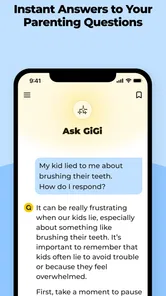
Good Inside: Parenting is an app designed to support parents in their journey by providing expert advice, parenting strategies, and a supportive community. The app offers various resources including articles, videos, and interactive tools to help parents manage common parenting challenges effectively and positively. Its stated focus is helping families transform home life through practical parenting guidance.
Is Good Inside: Parenting suitable for all parenting stages?
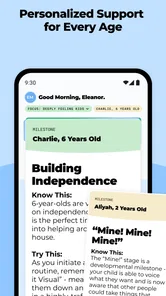
Yes, Good Inside: Parenting is designed to cater to parents at various stages, from new parents to those with teenagers. The app provides tailored content and resources that address the different challenges and milestones encountered throughout the parenting journey, ensuring relevance no matter the age of your child. This broad scope can make it useful as family needs change over time.
Does Good Inside: Parenting include expert advice and community support?
Absolutely, Good Inside: Parenting offers expert advice from qualified parenting professionals and psychologists. Additionally, it includes a community feature where parents can connect, share experiences, and support each other, fostering a sense of community and shared understanding among users. This combination gives parents both guidance to explore and an opportunity to hear from others navigating family life.
Pros
- Engaging and insightful parenting content.
- User-friendly interface for easy navigation.
- Personalized advice based on child age.
- Rich community support and forums.
- Regular updates with new parenting tips.
Cons
- Requires subscription for premium features.
- Limited free content access.
- Occasional bugs in app performance.
- Notifications can be overwhelming.
- No offline access to content.