Complete Jewish Bible
- 62.00
- 4.8
- Installs
- 10.00K
- Price
- Free

Screenshots


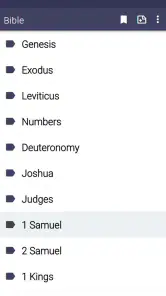





Analysis by Reviewed
I approached Complete Jewish Bible as a reading and reference tool rather than as a general-purpose Bible study platform. Its focus is clear: it presents the English version of the Tanakh in an app from the Libraries & Demo category, with the developer name KJV Bible offline shown in the listing. That narrow purpose is also its main appeal. If you want a straightforward way to keep this particular text close at hand, it avoids the clutter that often comes with broader religious apps.
My experience with it is best described as practical and quiet. It is free to download, suitable for Everyone, and the current release is identified as Complete Jewish Bible 10.0. The app does not try to compete by turning reading into a social activity or by surrounding the text with a large collection of unrelated tools. Instead, the value comes from having a dedicated place to open, read, and return to the scripture.
How the app feels when connectivity becomes part of the experience
Opening the text when the network is not ideal
The first thing I would consider before relying on this app is how much of my use will happen with a stable connection. A store summary describes it as a Complete Jewish Bible, but that wording alone does not establish that every passage is stored locally or that the app can be used fully without internet access. I would therefore test the reading experience before taking it on a trip, into a place with weak reception, or into a setting where I normally keep mobile data disabled.
That is an important distinction because Bible reading often happens in places where connectivity is unpredictable: on public transport, in a waiting room, during travel, or before bed with wireless access turned off. An app can be excellent for regular connected use and still be inconvenient if a reader assumes it behaves like a downloaded book. I would open several sections, close and relaunch the app, and briefly test it with the connection unavailable before treating it as a dependable travel reference.
When the network is working, the app’s focused design makes sense. I can use it for a short reading session without first navigating through news, community posts, audio catalogs, or a large study dashboard. That simplicity is useful when my goal is to read a passage rather than browse an entire ecosystem. It also means the app’s usefulness depends more heavily on the reliability of the basic reading path than on a long list of extra features.
A realistic everyday reading routine
Imagine a weekday morning when I have a few quiet minutes before leaving home. I might open the app, read a selected passage, and then put the phone away without getting pulled into unrelated content. Later, during a commute, I may want to continue from the same place. This is where I would pay attention to whether the app remembers my position and how easily I can return to a passage. Those details matter more in daily use than a polished first impression.
For a reader who follows a personal schedule, the most useful workflow is to decide the passage before opening the app. I would keep a simple note with the book and chapter I am studying, then use the app as the reading window rather than expecting it to organize an entire study plan. This approach reduces time spent searching and works especially well if the application offers only a lean reading experience.
More From Our News Desk

Clash of Clans Is Won Between the Battles

Android Auto Makes the Case for Quieter Car Software

MobiOffice: Transforming Mobile Productivity with Seamless Integration

EA SPORTS FC™ Mobile Soccer: Redefining Mobile Sports Gaming

How Microsoft OneDrive Became a Mobile Productivity Giant

How Google Translate Breaks Language Barriers Effortlessly
The same routine can work for family reading. A parent or study leader could prepare the references in advance, open the relevant passage, and pass the phone around when needed. Because the content rating is Everyone, it is an approachable option for households that want a Bible-reading app without an adult-oriented presentation. Still, I would check the font size and screen comfort personally before using it for a long group session.
Reading on a small screen
Mobile reading has a different rhythm from reading a printed Bible. On a phone, I tend to read in shorter stretches, and the screen can make it harder to compare distant passages at the same time. This app is most suitable for focused reading of one passage at a time. It is less naturally suited to someone who wants several translations, parallel columns, extensive cross-references, or a desktop-style research workspace.
A useful habit is to rotate the phone or adjust the text display when a passage feels cramped, if the app provides those controls. I would also avoid judging the experience from a single quick glance. The real test is whether the text remains comfortable after ten or fifteen minutes, especially in bright outdoor light or in a dim room. A dedicated reading app should disappear behind the words; if I am constantly pinching, scrolling, or losing my place, the narrow focus becomes less valuable.
Another practical point is battery and attention. Since the app is designed around reading rather than streaming media, it is a better fit for quiet, low-distraction sessions than apps that encourage audio playback or constant online exploration. That does not automatically prove lower battery use or complete local operation, so I would treat it as a reading-first choice, not as a guaranteed low-data utility.
What happens when a session is interrupted
Phones interrupt reading constantly. A call arrives, the screen locks, another app opens, or the operating system clears something from memory. I would pay close attention to recovery: does the app return me to the same passage, or do I have to navigate again? Even a small amount of friction becomes noticeable when it happens every day.
My practical workaround is simple: before closing a session, I would note the book and chapter, particularly when studying several passages. That may sound old-fashioned, but it prevents a connectivity problem or an unexpected restart from turning into a search exercise. If the app has an internal history or bookmark function, I would use it consistently rather than relying on memory. If it does not, an external note is the safer method.
This is also why I would not make the app my only copy during an important meeting or service until I had tested it under those conditions. A printed Bible or a separately confirmed offline resource remains the safer backup when access must be certain. The app can be convenient without being the sole point of failure.
Using it carefully with mobile data
People often ask whether a Bible app will consume much data. Reading text is generally a lighter activity than streaming audio or video, but the exact behavior depends on how the app loads its content and other resources. I would not assume that the application is entirely data-free simply because its purpose is reading. On a limited plan, I would first open it over Wi-Fi, observe how it behaves, and then decide whether cellular access is comfortable.
A sensible data-conscious routine is to avoid repeatedly clearing and reinstalling the app, keep automatic updates under control through the phone’s normal settings, and test the passages I need while connected to Wi-Fi. If I plan to read in a basement, on a flight, or in a rural area, I would verify the experience in advance rather than discovering the limitation at the exact moment I need the text.
This matters particularly for students and study groups. A person may assume that everyone can instantly open the same chapter, but network conditions differ between devices. I would share the reference in writing and encourage each participant to prepare before the meeting. That small step makes the group less dependent on reception and keeps the discussion focused on the passage instead of troubleshooting phones.
How it compares with broader Bible apps and printed editions
Compared with a large Bible platform, this app’s advantage is its narrower purpose. A broad alternative may offer several translations, audio, reading plans, notes, highlights, search tools, and synchronized accounts. Those features are valuable if I am studying across versions or building a long-term digital library. They can also make the experience feel busy when I simply want the Complete Jewish Bible available for reading.
Compared with a printed edition, the phone is more portable and easier to keep nearby. I can carry it alongside the rest of my daily apps instead of bringing another book. The trade-off is concentration: notifications, calls, and screen fatigue are always close. A physical Bible also removes questions about charging, network access, app behavior, and operating-system compatibility. For deep study, I would often prefer paper or a larger screen; for quick access, the phone is more convenient.
The app is therefore not automatically the best replacement for every alternative. It is a sensible choice for someone who specifically wants this English Tanakh in a compact mobile format. It is a weaker choice for a researcher who needs extensive comparison tools, for a reader who depends on confirmed offline access, or for someone who dislikes reading long passages on a phone.
Who will get the most from it
I would recommend it to readers who already know what they want to read and prefer a dedicated app over a broad digital study suite. It also makes sense for someone who wants a free starting point, since the app costs nothing to download. The listing shows an average rating of 4.8 from around 448 ratings, which suggests that many users find the basic experience satisfactory, though a rating cannot tell me whether it matches my preferred reading style.
The app may also suit a newcomer who wants to explore the Complete Jewish Bible without committing to a paid purchase first. Because it is rated for Everyone, it can fit a shared family device or a simple personal reading routine. I would still recommend spending a few minutes checking navigation, text comfort, and access in the places where the app will actually be used.
On the other hand, I would steer away from it if my main reason for downloading a Bible app is advanced study. Someone who needs Hebrew tools, multiple translations side by side, detailed commentary, synchronized annotations, or a structured reading plan should look at a more specialized alternative. This app’s strength is focus, and focus inevitably means fewer surrounding tools.
Costs, expectations, and long-term use
The basic app is free, while in-app purchases are listed at $0.99 per item. I would check the purchase screen carefully before confirming anything, especially if I am using a shared device. The free entry point makes it easy to test the reading experience first, which is exactly what I would do before deciding whether any optional item is worthwhile.
The application was released on March 26, 2018, and its current version is Complete Jewish Bible 10.0. It supports devices running Android 7.0 or later. That makes compatibility an important first check for anyone using an older phone. I would also keep the operating system and app updated where possible, since an older device can introduce problems that are not really caused by the text or the app itself.
The developer is listed as KJV Bible offline, and the app has passed the ten-thousand-install mark. Those details give it a real user base without making it feel like a massive mainstream platform. For me, that reinforces the need to judge it on the actual reading workflow: how quickly I reach a passage, how well I recover after interruptions, and whether it remains comfortable over repeated sessions.
My connectivity verdict
Complete Jewish Bible is a focused mobile reading option with a clear audience. I like the idea of keeping the English Tanakh in a dedicated app rather than forcing every reading session through a crowded study platform. Its free price, Everyone rating, and straightforward purpose make it easy to try, and its strong average rating indicates that the core experience has appealed to many readers.
My main caution is connectivity. I would not promise myself a fully dependable offline experience until I had tested it directly on my own device. That single check should happen before travel, group study, or any situation where access matters. I would also keep a written reference or another backup when the reading is important.
In the end, I would recommend it to a friend who wants a simple, portable way to read this specific Bible version and does not need a full research suite. I would suggest a broader Bible app for comparison study, and a printed edition for distraction-free or connection-independent reading. The best reason to choose this app is its focused access to the text; the best reason to hesitate is the need to verify how well it fits your own network and recovery habits.
Complete Jewish Bible Frequently Asked Questions
Who publishes the Complete Jewish Bible app, and what version is available?
The app is published by KJV Bible offline and is titled Complete Jewish Bible. Its current version is Complete Jewish Bible 10.0, and it is listed for Android devices running version 7.0 or later. The app is categorized as a library and reference-style resource, making it relevant to readers looking for a Bible text on their device.
What devices can run the Complete Jewish Bible app?
The Complete Jewish Bible app is available for Android devices that run Android 7.0 or later. Before downloading, check your device’s Android version in its settings to make sure it meets that requirement. The app is free to download, and its age rating is Everyone, so it is presented as suitable for a general audience.
What is the Complete Jewish Bible app?
The Complete Jewish Bible app is a digital Bible resource designed for readers who want to explore the Scriptures using a Jewish-oriented translation and presentation. It is described as the English version of the Tanakh. The app gives readers a way to access this text on a mobile device, while its overall experience and available tools may depend on the app version.
Is the Complete Jewish Bible suitable for beginners?
Yes, the app can be useful for beginners, especially those interested in reading the Bible through a Jewish cultural and linguistic perspective. However, some names, expressions, and transliterations may be unfamiliar if you are used to standard English Bible editions. New readers may benefit from comparing passages with another translation and using any available introductions, explanations, or study resources.
Does the app work without an internet connection?
Offline availability depends on the specific Complete Jewish Bible app and how its publisher has implemented the content. Many Bible applications allow users to download or access the text after installation, while other features, such as advertisements, updates, audio, or external study links, may require an internet connection. Check the app listing and test downloaded passages before relying on it offline.
Pros
- Includes the complete Jewish Bible in one convenient mobile app.
- Hebrew names and terminology help preserve the text’s Jewish context.
- Useful for personal reading
- study
- devotionals
- and scripture comparison.
- Search tools make it easy to locate verses
- topics
- and passages quickly.
- Works well for readers seeking a Messianic Jewish translation perspective.
Cons
- Translation wording may feel unfamiliar to readers used to standard English Bibles.
- Some features or content may require an internet connection.
- Interpretive choices may not appeal to all Jewish or Christian traditions.
- The interface can feel basic compared with feature-rich Bible study apps.
- May lack extensive commentaries
- maps
- and original-language study tools.
- Category
- Libraries & Demo
- Version
- Complete Jewish Bible 10.0