Amplified Bible offline
- 459.00
- 4.8
- Installs
- 100.00K
- Price
- Free

Screenshots




Analysis by Reviewed
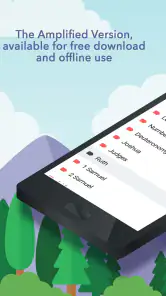
I approached Amplified Bible offline as a practical reading app rather than as a complete study platform. Its purpose is straightforward: give you access to the Amplified Bible on an Android phone, with the store identifying it simply as “Amplified Bible.” That narrow focus is important because it shapes both the app’s appeal and its limits. If you want a familiar Bible translation close at hand, this is easy to understand. If you expect a large research library, elaborate note-taking, or a broad collection of translations, you may find it too limited.
In my experience, the strongest reason to consider it is convenience. A Bible app can be useful in places where carrying a printed copy feels impractical, and a phone is already something most people keep nearby. The app belongs to the Libraries & Demo category, is free to install, and is suitable for Everyone. It comes from the developer KJV Bible offline, although the actual reading experience here is centered on the Amplified Bible rather than the King James wording suggested by the developer name.
The app has built a solid audience, with a 4.8 average from around twelve thousand ratings and more than one hundred thousand installs. Those figures suggest that its basic approach works for many readers, but they should not be mistaken for proof that it suits every kind of Bible study. I would judge it mainly by how well it fits your reading habits, your need for connectivity, and the amount of supporting material you expect from a mobile Bible.
How the reading experience changes with connectivity
Why the network question matters before you begin
The word “offline” is central to the app’s identity, but I would still approach any mobile reading tool with a little practical caution. Connectivity can affect more than the act of opening a passage. Store pages, updates, optional purchases, and other surrounding parts of an app may involve the internet even when the main reading purpose is intended for offline use. I would install and open the app while connected, then test the passages I expect to use before relying on it during travel or in a low-signal location.
That small test is more useful than assuming every part of the experience behaves identically without a network. Open several books, move between familiar and less frequently read passages, and close and reopen the app. This gives you a realistic sense of whether it is ready for your routine. It also prevents an awkward discovery when you are already in a meeting, on a train, or somewhere with unreliable reception.
For ordinary reading, an offline-oriented Bible has a clear advantage over a browser-based alternative. A website may be convenient when you have a strong connection, but it becomes less dependable in airplane mode, underground transport, rural areas, or buildings with poor reception. A dedicated app is also easier to reach quickly than opening a browser, finding the right site, and waiting for a page to load.
A useful companion for short, repeated reading
I found the app most appealing for short reading sessions: a passage in the morning, a few verses during a break, or a return to a chapter that I am already familiar with. Those situations do not require a complicated workflow. The value comes from reducing the steps between picking up the phone and beginning to read.
More From Our News Desk

Clash of Clans Is Won Between the Battles

Android Auto Makes the Case for Quieter Car Software

MobiOffice: Transforming Mobile Productivity with Seamless Integration

EA SPORTS FC™ Mobile Soccer: Redefining Mobile Sports Gaming

How Microsoft OneDrive Became a Mobile Productivity Giant

How Google Translate Breaks Language Barriers Effortlessly
The Amplified translation itself is also better suited to readers who appreciate expanded wording and explanatory nuance within the text. That can make a verse feel more accessible when a compact translation seems too compressed. At the same time, the added wording may make a passage feel slower to scan than a simpler translation. I would not choose it solely for speed; I would choose it when the expanded presentation helps me think about a phrase more carefully.
Where a connected Bible service may be stronger
The usual online alternatives can be better when you need comparison. A web-based Bible service or a larger Bible app may offer several translations, cross-references, study notes, audio, reading plans, or searchable commentary. Those tools are valuable when I am preparing a lesson, checking how different translations handle a sentence, or tracing a theme across books.
This app makes more sense when the translation is the priority and connectivity is not something I want to depend on. I would not replace a full study platform with it, but I could easily use it beside one. That division is sensible: use this app for dependable access to the Amplified Bible, and turn to a broader service when research becomes the main task.
Using it in real mobile situations
Consider a realistic Sunday morning. I might be leaving home in a hurry, carrying only my phone, and heading toward a place where reception is inconsistent. Rather than searching online after arriving, I would open the app beforehand, locate the passage, and make sure it is available in the way I expect. That preparation takes little effort and makes the phone a practical backup for a printed Bible.
The same applies to a long flight, a road trip, a hospital waiting room, or a campsite. In each case, the advantage is not that the app transforms Bible study; it is that it keeps a specific reading resource close when the network is inconvenient. I would still keep a note of the book and chapter for an important appointment, because relying on memory alone is unnecessary when a quick preparation step can remove uncertainty.
Another useful habit is to choose a small set of passages before leaving connected surroundings. Instead of trying to browse aimlessly later, I can decide what I want to read and use the app as a focused reference. This turns an offline Bible from a vague emergency tool into part of a deliberate routine.
What happens when access is interrupted
Connectivity failures are most frustrating when they happen in the middle of an activity. With a reading app designed around offline access, the sensible recovery plan is to prepare in advance rather than troubleshoot at the exact moment a passage is needed. I would open the app while online, revisit the books I use most, and confirm that restarting the phone does not change the basic reading experience.
If the app behaves normally after reopening, that is a useful sign for everyday use. If something does not appear as expected, I would first check whether the app needs an update or whether the issue is tied to a particular section rather than the whole library. The current version is listed as Amplified Bible Free OFFLINE 16.0, and keeping the installed version current is a reasonable maintenance step, especially after changing phones or reinstalling.
I also recommend avoiding a last-minute reinstall before an important event. Reinstallation can create a fresh setup moment, and it is better to verify access calmly at home than to discover a problem when there is no signal. This is not a criticism unique to this app; it is simply good practice for any mobile resource that you plan to use away from reliable internet.
Keeping the phone useful when data is limited
For people with limited mobile data, the app’s offline emphasis is particularly attractive. Reading a prepared Bible locally is more comfortable than repeatedly loading pages through a browser, especially when you are checking the same chapters more than once. I would do any initial setup and update work over a trusted Wi-Fi connection, then use the app normally while away from it.
There is also a battery angle. A reading session that does not require repeated page requests can be less distracting than an online session filled with loading delays, though your phone’s overall battery life depends on many other factors. The practical benefit I noticed is simpler: I can read without watching the signal indicator or wondering whether a page will refresh.
The free price makes trying the app low-risk, but the listing also notes in-app purchases of $0.99 per item. I would check any optional purchase screen carefully before confirming it, particularly if I am looking for a completely no-cost reading experience. The core appeal is access to the Bible without an upfront price, while the presence of optional items means “free” should not be read as “every possible part of the app has no charge.”
Android compatibility and everyday setup
The listed minimum operating system is Android 7.0, so the app is aimed at a broad range of Android phones rather than only the newest devices. That matters if you are using an older handset as a dedicated reading phone or keeping a spare device for travel. I would still install it on the phone I actually plan to carry, because screen size, storage conditions, and the general responsiveness of an older device can affect comfort even when the operating system is supported.
My preferred setup would be simple. Install it while connected, open the translation, test a few locations, and place the app somewhere easy to reach. I would then use it for a week in normal situations before deciding whether it deserves a permanent place on my home screen. That trial reveals more than a quick opening does: you learn whether the wording suits you, whether navigation feels natural, and whether the app fits the way you actually read.
Readers who use a phone mainly for quick reference should appreciate this approach. Readers who want extensive personalization may need more patience or may be happier with a larger Bible platform. The app’s value is strongest when I accept its focused purpose instead of expecting it to behave like an entire digital library.
Who will appreciate it most
I would recommend it to someone who wants the Amplified Bible available on an Android phone and values access that is not tied to a live connection. It is a good match for personal devotional reading, occasional church use, travel, and anyone who prefers a single familiar translation rather than a crowded collection of tools.
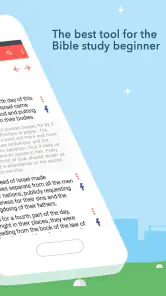
It can also suit a reader who is new to Bible apps and does not want to learn a complicated interface. A focused app reduces the number of decisions on screen. That can be a genuine advantage for older users or for anyone who simply wants to read rather than configure a study system.
On the other hand, I would suggest a different option to someone who regularly compares translations, needs scholarly notes, wants synchronized highlights across devices, or relies on audio and structured reading plans. Those needs call for a broader product. I would also skip this app if the developer naming creates confusion for you and you specifically want the King James Version; the title and store description point to the Amplified Bible, so checking the wording before settling into a reading routine is important.
Small habits that make the app more dependable
My first tip is to test it in the exact condition where you expect to use it. Turn off the connection only after opening the app normally, then move through several passages. This is more meaningful than testing one verse and assuming the whole experience is ready.
My second tip is to use it as a focused reading anchor rather than a replacement for every Bible tool. I might read the Amplified text here, then use another resource later if I need historical background or translation comparison. Separating those jobs keeps this app quick and prevents disappointment caused by expecting features it was not designed to provide.
My third tip is to prepare before important gatherings. Find the passage, confirm the book and chapter, and give yourself a few minutes to become familiar with the screen. That reduces fumbling in front of a group and makes the phone feel more like a prepared reference than a last-second search device.
My fourth tip is to treat optional purchases thoughtfully. Since individual in-app items are listed at $0.99, I would not tap through a purchase prompt automatically. Decide whether the extra item improves your specific reading habit, and keep the free reading experience as your baseline for comparison.
My final view on connectivity and value
The best reason to use this app is dependable access to one specific Bible translation when you do not want your reading to revolve around a network. That makes it more practical than a browser for travel and weak-signal situations, while its focused design keeps the experience approachable. The 4.8 average and audience of over one hundred thousand installs show that many readers find this straightforward approach worthwhile.
Still, I would not describe it as a complete answer for every kind of Bible study. Its appeal depends on wanting the Amplified Bible, not on needing a large research environment. If your reading is personal, regular, and mobile, it is a sensible free app to try. If your work involves comparing several translations or building detailed study notes, a broader alternative will serve you better.
After using it, my recommendation is conditional but positive: install it if you want a compact Amplified Bible reader that you can prepare for offline situations, and test it before depending on it in a place without reception. For me, that combination of simple access, free entry, and mobile convenience is enough to make it useful, provided I treat it as a dedicated reading companion rather than a full Bible-study suite.
Amplified Bible offline Frequently Asked Questions
Will Amplified Bible Offline work on my device?
Amplified Bible Offline is an Android app that requires Android 7.0 or later. If your device meets that requirement, you can install it and use it for Bible reading. The app is rated for Everyone, making it suitable for a broad audience. Before downloading, check your device’s Android version and confirm that you are choosing the intended Amplified Bible app.
What is Amplified Bible Offline, and how does it work?
Amplified Bible Offline is a Bible-reading app designed to let you access the Amplified Bible without a continuous internet connection. After installing the application and downloading or enabling its Bible content, you can read passages, browse books and chapters, and return to Scripture while traveling or in areas with limited connectivity. Its offline functionality makes it especially convenient for regular personal reading.
Can I use Amplified Bible Offline without an internet connection?
Yes, the main purpose of Amplified Bible Offline is to provide access to the Bible when you are offline. Once the required content has been installed on your device, you should be able to open and read the available books without mobile data or Wi-Fi. Internet access may still be needed for the initial download, updates, advertisements, synchronization, or any additional online features included by the developer.
What reading and study features are included in the app?
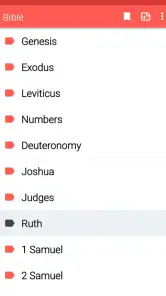
The app generally focuses on convenient Bible reading, with navigation by book and chapter and the expanded wording associated with the Amplified Bible translation. Depending on the version installed, it may also include search, bookmarks, notes, highlighting, daily verses, reading history, or adjustable text settings. Users should check the current store description because available tools can vary between Android and iOS releases.
Is Amplified Bible Offline free to download and use?
The application is free to download, and it also offers in-app purchases priced at $0.99 per item. The exact experience depends on the edition and developer. Some versions are supported by advertisements, while others may offer optional purchases for removing ads, unlocking study tools, or accessing extra content. Before downloading, review the store listing for pricing, in-app purchases, subscription details, and whether all Bible books are included at no additional cost.
Pros
- Works without an internet connection after the Bible files are downloaded.
- Includes expanded wording that clarifies meanings behind many verses.
- Useful for personal study
- devotional reading
- and sermon preparation.
- Search tools make it easy to find verses
- words
- and biblical topics.
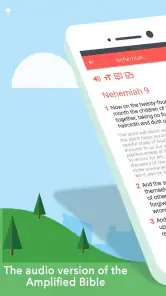
- Audio playback can support listening during travel or other daily activities.
Cons
- The expanded translation can feel wordy compared with more concise Bible versions.
- Some features may require downloads that use considerable device storage.
- Audio availability and quality may vary by book or app version.
- Older devices may experience slower navigation with large offline resources.
- Ads or in-app purchases may appear
- depending on the specific app edition.
- Category
- Libraries & Demo
- Version
- Amplified Bible Free OFFLINE 16.0