Transport Tycoon Empire: City
- 4.12K
- 4.3
- Installs
- 10.00M
- Price
- Free
Screenshots
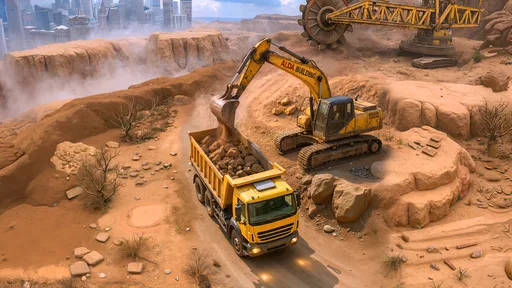
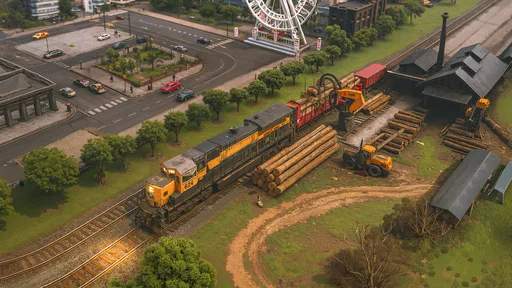
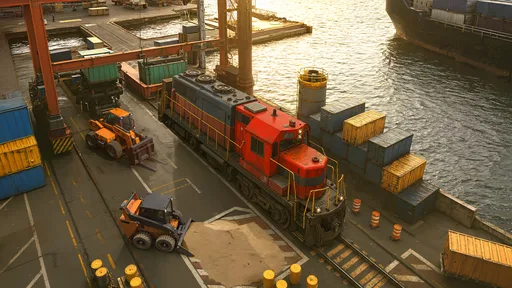
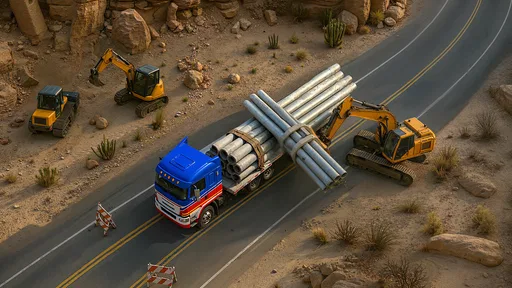
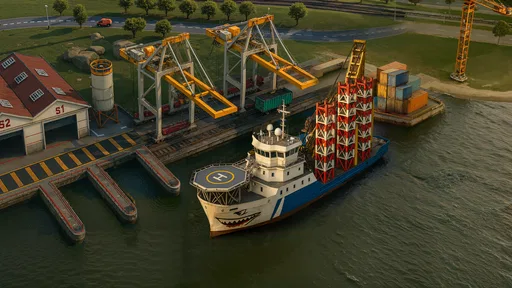
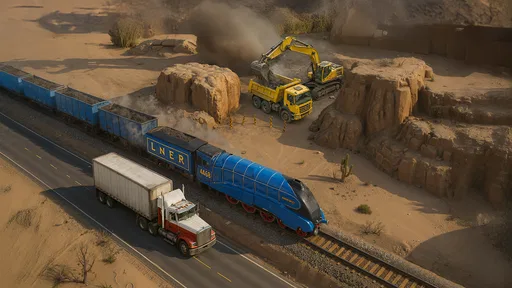
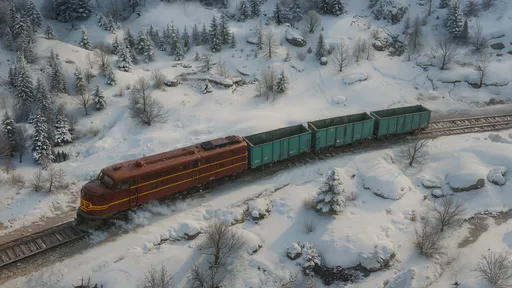
Analysis by Reviewed
I approached Transport Tycoon Empire: City as a strategy game for anyone who enjoys making a growing town work, not just making it look busy. Its appeal is the link between building and transport: choices about the city matter because goods and vehicles have to move, too. I’d recommend it to players who like gradual planning and small improvements, though it is less suited to someone looking for a quick, action-heavy game.
What to expect from the first session
The premise is easy to grasp, but the satisfying part is noticing how one decision affects another. A new building can create fresh demands; expanding transport can help meet them while making the network more involved. I found that the game works best when I treat each new addition as a planning question rather than placing everything as soon as it becomes available. That keeps the city’s growth from feeling like a string of unrelated tasks.
This is a free strategy game from Alda Games, with an Everyone age rating. It has a 4.4 average from around 193,000 ratings and more than 10 million installs, so there is a sizeable audience for its particular mix of city development and logistics. The current version is 2.10.0, and optional in-app purchases range from $0.99 to $199.99 per item. I’d go in expecting a free starting point with paid options, not a game where spending is necessary to enjoy the basic planning loop.
Who will enjoy this kind of planning
The strongest match is someone who likes gradual progress and can enjoy solving a small practical problem without needing a dramatic payoff every few minutes. I’d especially recommend it to players who find satisfaction in making a town’s needs and its transport network line up. If you tend to enjoy logistics puzzles more than combat, this gives you a different kind of strategic decision-making: your attention goes toward what needs to move and how the city can support it.
I’d be more cautious about recommending it to someone who wants a game to feel complete after one short sitting. This is a project to revisit, and the pleasure comes from seeing a developing network become more useful over time. A player who prefers fast matches, direct action, or a purely decorative sandbox may get more from another strategy game or a simpler city builder. The transport layer is the point here, but it also means you can’t treat every new building as an isolated ornament.
Building Your Empire
Right from the start, Transport Tycoon Empire: City throws you into the bustling world of city management. Your mission? To transform a small town into a sprawling metropolis. Sounds simple, right? Well, brace yourself, because this game is packed with challenges that will keep you on your toes.
The game offers a variety of buildings to construct, from residential areas to commercial hubs. Each building plays a crucial role in your city's development and affects your overall progress. The graphics are stunning, and watching your city come to life is incredibly satisfying. I found myself spending hours just optimizing the layout for maximum efficiency.
More From Our News Desk

Weather by Xiaomi Review: Clear at a Glance, Less Clear Up Close

X Under Pressure: Can It Recover When Posting Goes Wrong?

Clash of Clans Is Won Between the Battles

Android Auto Makes the Case for Quieter Car Software

MobiOffice: Transforming Mobile Productivity with Seamless Integration

EA SPORTS FC™ Mobile Soccer: Redefining Mobile Sports Gaming
Getting to a first useful win
For a new player, I’d make the first goal modest: complete an early task, then pause long enough to see what it asks you to provide before adding more buildings or transport. That creates a useful feedback loop: you learn what the town needs, make a targeted change, and see whether your network can support it. It is a more reassuring start than trying to expand in every direction at once.
A practical routine is to check the current objective before a short play session and again before leaving the game. If a delivery or construction request is still unfinished, make a note of the bottleneck rather than immediately spending to push past it. The useful insight is that a transport problem may be a planning problem: adding capacity without understanding the demand can make the network harder to manage instead of solving the original issue.
A useful way to read slow progress
When an objective stalls, I’d separate three questions: what does it ask for, what does the town currently need, and what part of the transport network is involved? That simple check helps prevent a common beginner reaction: making a large change when a smaller adjustment would do. It also gives you a clear stopping point for a short visit. If you have identified the obstacle but can’t reasonably address it yet, you can return later with a better idea of what to do.
It’s worth resisting the urge to treat every unlocked option as an instruction to build it immediately. New possibilities can be tempting, but each addition is most useful when it supports a current need or a plan you understand. I find that this mindset keeps the early town easier to read and makes the first successful delivery or completed task feel earned rather than accidental.
The Logistics Challenge
Now, here's where it gets interesting. Apart from building your city, you need to manage a complex network of transportation. From trains to trucks, every vehicle needs to be strategically placed to ensure your city runs smoothly. I loved the challenge of optimizing routes and ensuring that goods were delivered on time. It’s like a giant puzzle, and solving it is immensely rewarding.
Plus, the game constantly throws new challenges your way. Whether it's dealing with traffic jams or expanding your transport network, there's never a dull moment. It’s these challenges that make Transport Tycoon Empire: City so exciting and addictive.
What makes the transport layer different
Compared with the usual city-building game, where the main pleasure may be arranging buildings and watching a skyline fill in, this one asks you to think about movement as part of development. Compared with a conventional strategy game built around battles or quick competitive turns, the challenge is more about managing needs and connections. That makes it a good choice if you like systems that depend on one another, but a weaker fit if you want a clean, quick win condition every time you play.
One non-obvious trade-off is that a more complicated network is not automatically a better network. More routes and vehicles may look like progress, but they can make it harder to spot which link is actually holding up an objective. I’d focus on the specific demand in front of me, then change only what seems relevant. The goal is not to make the busiest-looking city; it’s to make the transport choices serve the city’s current needs.
Untangling the confusing parts
One thing I would keep in mind is that city growth and transport efficiency are connected, but they are not the same goal. A town can look more developed while its supply routes still need attention. When progress feels slow, I’d inspect what the active task is asking for and focus on that specific need before changing the whole layout. This is a calmer way to troubleshoot than treating every delay as a reason to rebuild.
The game is also not the right fit if you want a purely decorative city builder or a fast strategy match with a clear finish in one sitting. Its appeal comes from returning to a developing network and adjusting it over time. Compared with combat-focused strategy games, the challenge here is logistical rather than tactical; compared with simpler builders, transport planning gives each expansion more consequences. If you prefer direct competition and little waiting or resource management, another style of strategy game may suit you better.
Starting without overthinking the setup
For a first-time player, I’d keep the initial approach uncomplicated: follow the early direction the game gives you, learn what each request expects, and avoid planning a grand layout before you understand the town’s immediate needs. You don’t need to solve the whole empire at the start. The first meaningful success is simply completing a task and seeing how a building or transport choice helped make it possible.
If you’re wondering whether it makes sense to play in brief visits, I think it does, provided you give each visit a small purpose. Check the current task, make one considered adjustment, and leave the larger decisions for when you have time to think them through. That’s more comfortable than opening the game with no plan and feeling that you must upgrade or expand just to make the session worthwhile.
Strategic Decisions
Every decision you make in the game has a ripple effect on your city. Want to expand your transportation network? Be prepared to manage the increased traffic. Thinking of upgrading your buildings? Make sure you have enough resources. It’s this level of strategic depth that kept me coming back for more.
The game also offers various missions and events that add an extra layer of excitement. Completing these missions not only rewards you with resources but also helps in unlocking new features. It’s a great way to keep players engaged and motivated.
And let's not forget the social aspect. You can join alliances, trade resources, and even compete with other players. It adds a competitive edge to the game and makes it even more engaging.
Making the game fit an everyday routine
For a realistic short session, I’d open the game while taking a break, check one mission, and decide whether I can make progress with the resources and transport already available. If the task calls for more than that, I’d leave the larger expansion for a longer session rather than making rushed changes. This approach suits the game’s planning pace and makes it easier to enjoy without turning every spare moment into a demand to keep checking in.
There is a trade-off in the optional purchases: the free entry is appealing, but the listed range reaches $199.99 per item. I’d treat any purchase as a deliberate choice, not as the default answer to a bottleneck. Players who prefer a completely purchase-free experience should be comfortable ignoring paid options and accepting a more measured pace.
Deciding whether to spend or wait
It’s reasonable to ask whether purchases are needed to enjoy the game. I’d start free and see whether the planning loop itself holds your attention before considering any optional spending. If a task is taking longer than you hoped, first check whether you can make progress by redirecting your attention to a different objective or by waiting for a more suitable session. Paying should be a personal convenience choice, not a substitute for understanding what the network needs.
For parents considering it for a younger player, the Everyone age rating is reassuring as a broad content guide, while the optional purchases are the detail I’d keep in mind. I’d make sure the player understands that paid items are optional and that the game can be approached without treating each delay as a reason to buy something. For adults, the same rule applies: decide on spending outside the heat of a frustrating moment.
Final Thoughts
Overall, Transport Tycoon Empire: City is a fantastic game for anyone who loves strategy and city-building. The combination of managing a city and its transport network is executed brilliantly. The graphics are top-notch, and the gameplay is both challenging and rewarding.
If you're looking for a game that will test your strategic skills and keep you entertained for hours, this is it. So, what are you waiting for? Dive into the world of Transport Tycoon Empire: City and start building your empire today!
Who I’d recommend it to
I’d point this toward players who enjoy returning to a growing project, comparing what the city needs with what its transport can actually deliver, and adjusting plans rather than chasing constant action. It can also suit someone who likes social competition alongside solo development, since alliances, trading, and competing with other players are part of the experience. If those systems matter to you, take them as an extra layer rather than the only reason to start.
My main advice is to keep the first few goals narrow, avoid expanding just because you can, and let missions show you where your effort will matter most. That makes the early learning curve feel manageable and gives each new connection a purpose. If you want a logistics-flavoured city project to grow at your own pace, this is an inviting place to begin; if you want immediate, self-contained rounds, I’d choose a different kind of strategy game.
Transport Tycoon Empire: City Frequently Asked Questions
What kind of game is Transport Tycoon Empire: City, and is it right for players who enjoy planning?
Transport Tycoon Empire: City is a strategy game about building and managing transport connections across a city. Its focus on stations, routes, resources, and expansion makes it a natural fit for players who enjoy thinking ahead and improving a growing network. If you prefer action-focused gameplay with little planning, its management-centered approach may be less appealing.
What transport options are featured in Transport Tycoon Empire: City?
The game’s transport theme includes trains, aircraft, and ships, with a train station, airport, and sea port at the heart of its city-building premise. That variety gives the experience a broader logistics focus than a game centered on just one kind of vehicle. Players who like connecting different modes of transport may find this mix particularly appealing.
Is Transport Tycoon Empire: City suitable for short play sessions?
The game is built around planning and developing a transport network, so it can suit players who enjoy returning to a management project and making gradual progress. How long a session lasts depends on your pace and the activities you choose to pursue. If you want a game that is only about quick, self-contained rounds, its ongoing city-building focus may not be the best match.
Can children play Transport Tycoon Empire: City?
Transport Tycoon Empire: City has an Everyone content rating, so it is presented as suitable for a broad audience. Its strategy and management elements involve planning and making decisions, which families may want to consider when choosing games for younger children. The game also includes optional in-app purchases, so parents can review device purchase controls and discuss spending before a child plays.
Is Transport Tycoon Empire: City free to download, and does it offer optional purchases?
Transport Tycoon Empire: City is free to download, so you can try its transport-management gameplay without paying upfront. It also offers optional in-app purchases, with prices ranging from $0.99 to $199.99 per item. Purchases may appeal to players who want to obtain game items or progress more quickly, but you can decide whether to spend as you play. Consider enabling purchase controls if children use your device.
Pros
- Engaging and strategic gameplay.
- Varied missions and challenges.
- Visually appealing graphics.
- Offers both online and offline modes.
- Regular updates with new content.
Cons
- Can be resource-intensive.
- In-app purchases may be costly.
- Requires stable internet connection.
- Advertisements can be intrusive.
- Limited offline features.