Mafia City
- 61.11K
- 4.5
- Installs
- 100.00M
- Price
- Free

Screenshots




Analysis by Reviewed
Before you install, it helps to know that Mafia City is built around gradual progress, not a short campaign with a tidy ending. I’d approach it as a strategy game to revisit: develop an operation, make choices about resources and relationships, and decide how much of the social side you want in your routine. It is free to start, made by Phantix Games, and rated Mature 17+. Its average rating is 4.5 from around 1.4 million ratings, with more than 100 million installs; that reach signals a large audience, not a guarantee that its pace will suit you.
Who will enjoy this kind of commitment
The best match is someone who likes seeing a plan grow across sessions and doesn’t mind keeping track of several goals at once. If you enjoy checking in, choosing a priority, and slowly strengthening a base, the persistent structure can be satisfying. Players who want a complete plot, a quick tactical match, or a game that never asks for attention between sessions may be happier elsewhere.
That distinction matters more than the crime theme alone. The setting gives the strategy a particular mood, but the lasting appeal comes from managing an operation and deciding how to deal with other players. I’d also think about the age rating before handing the game to a younger player: the Mature 17+ label makes this a poor choice for a child, even if they are familiar with strategy games.
Articles Related to Mafia City
A manageable first visit
When starting out, I’d resist the urge to tap through every menu just to see what is there. Follow the immediate prompts, read the resource cost attached to an action, and pick one development goal you can understand. This turns the opening into a small experiment: you learn what a task needs and what completing it changes, rather than spending resources without a plan.
A useful first-session target is simply to finish one meaningful development step and identify what it enables next. You do not need to understand every system before that point. If the game presents several possible activities, note the ones that appear connected to your current goal and leave the rest for another visit. This keeps the interface from feeling like a test you have to pass all at once.
What to expect from its city-building strategy
The central appeal is the gradual work of building influence: managing resources, developing your base, recruiting a crew, and making choices about alliances and rivals. I enjoy strategy games where small decisions accumulate, and this one gives that process a dramatic underworld setting. It is less suited to someone looking for a self-contained story that can be finished in a few sessions; progress is better approached as an ongoing commitment.
Compared with a conventional turn-based strategy game, the emphasis here is less on a neat sequence of short matches and more on maintaining a growing operation and engaging with other players. That social layer can make plans feel consequential, especially when you coordinate with an alliance. It also means the experience is not entirely on your schedule: other players and shared activity can influence what seems worth doing next.
You May Like

EA SPORTS FC™ Mobile Soccer: Redefining Mobile Sports Gaming

How Microsoft OneDrive Became a Mobile Productivity Giant

How Google Translate Breaks Language Barriers Effortlessly

Why Google Sheets Is the Ultimate Mobile Productivity Tool

Unveiling the Dynamic World of My Talking Tom Friends

Free Fire MAX: Dominating the Battle Royale Arena
The Alluring World of Crime
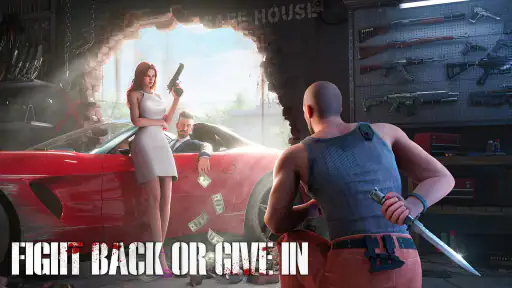
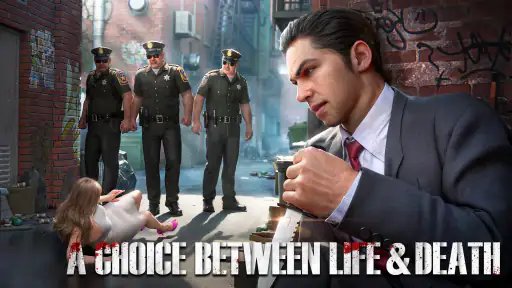
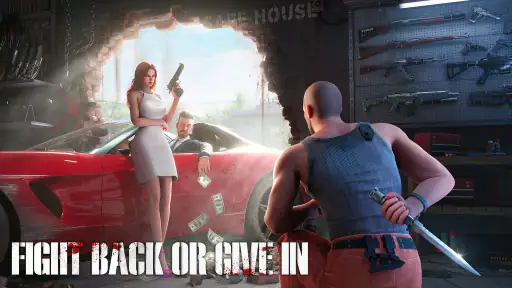
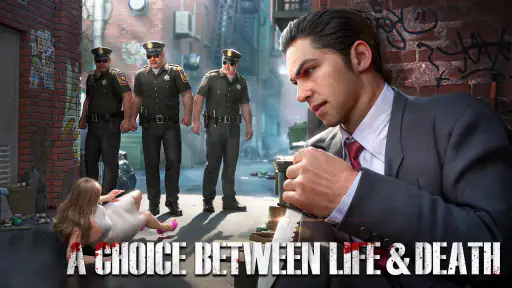
Upon downloading Mafia City, you're immediately thrust into a gritty and glamorous world. The graphics are slick, and the attention to detail is impressive—think dark alleys, neon lights, and a city that never sleeps. It's a feast for the eyes, really. But what kept me hooked was the storyline. You're not just mindlessly tapping away; you're making strategic decisions that affect your rise to power.
Gameplay Mechanics
The mechanics are straightforward enough for newbies but complex enough to keep veterans entertained. You're tasked with managing resources, building your base, and recruiting a crew. Each decision you make, from alliances to rivalries, can tip the scales in your favor or lead to your downfall. I found myself constantly strategizing, thinking several moves ahead like a chess player—only this time, the stakes are much higher.
What sets this game apart is its social aspect. You can form alliances with players worldwide, and trust me, these connections make a huge difference. Imagine coordinating a time-sensitive operation with someone halfway across the globe. It’s exhilarating!
Getting through the first sessions
For a first-time player, I’d keep the opening sessions focused rather than trying to understand every option at once. Follow the game’s immediate prompts, notice which actions contribute to your base’s development, and pause to read what a choice costs before committing. That simple habit helps you avoid spending resources just because a button is available. Your first meaningful success is not mastering the whole city; it is completing a useful development step and understanding why it helps your next one.
A practical routine is to check in when you have a few uninterrupted minutes, choose one clear objective, and finish that before browsing side activities. If you play during a short break, avoid starting a task that depends on coordinating with an alliance unless you can return when needed. This is a small but important distinction: solo progression is easier to fit around an unpredictable day, while group plans are more rewarding when you can be present and communicate.
Immersive Features
One of the standout features is the depth of customization available. You can personalize your avatar, pimp out your ride, and even choose a luxurious mansion to flaunt your success. The level of detail is astonishing, and it adds a personal touch that makes you feel more invested in your criminal persona.
Another feature I loved is the real-time battles. You can watch as your strategies unfold, and there's something incredibly satisfying about seeing your plans come to life. It's not just about brute force; it's about outsmarting your opponents and claiming victory.
Making social play fit your day
The alliance element is most appealing when you treat it as coordination rather than another checklist. Before committing to a group plan, consider whether you can actually be available for it; a quick solo development task is a safer choice when your time is uncertain. For example, if I had a few minutes between errands, I’d work on a clear base objective and leave any time-sensitive group activity until I could give it proper attention.
This is also where the game differs from many single-player strategy alternatives. In a solo campaign, the world waits while you decide. Here, the presence of other players can make cooperation feel lively, but it can also make the game seem more demanding. If you prefer to pause whenever you like and resume without considering anyone else’s plans, a self-contained campaign is the more comfortable option.
Spending choices and the pace of play
The game is free, with optional in-app purchases ranging from $0.99 to $99.99 per item. I’d treat purchases as optional conveniences, not a requirement for deciding whether the core loop appeals to you. Before paying, give yourself time to learn which resources you actually use and whether a purchase solves a real frustration. If you are prone to impulse buying in games, setting a personal limit before you begin is a sensible safeguard.
There is also a trade-off between customization and strategic progress. Personal touches can make your character and city feel like your own, but they may not be the best priority if your immediate aim is strengthening your operation. I’d first learn the basic progression and only then decide which cosmetic or convenience options matter to you. The game supports a more involved style of play, so it may be a poor fit if you want a light strategy game with no ongoing decisions or spending prompts.
Reading choices without getting bogged down
One practical habit is to compare an action’s cost with the specific objective you have chosen, rather than judging it by how prominent it looks. When several options compete for attention, I’d ask whether one directly advances the next step I care about. That simple filter makes it easier to ignore distractions without assuming that every visible activity is urgent.
It is also worth separating customization from progression in your own mind. Choosing a look can be enjoyable, but it answers a different question from whether your operation is developing effectively. If you are still learning the resource loop, postpone optional decisions until you have a clearer sense of what you value. That way, early choices feel deliberate instead of being driven by novelty.
The Learning Curve
If there’s one thing to note, it's the learning curve. At first, I was a bit overwhelmed by the sheer amount of information and options available. But, as they say, Rome wasn't built in a day. With a little patience, I started to get the hang of it. The community is pretty helpful, and there are plenty of online resources to guide you.
When something feels confusing, I find it useful to separate three questions: what is the immediate objective, what resource does it require, and what will I be able to do after completing it? That keeps the many choices from blurring together. I would also avoid treating every rival encounter as a cue to respond instantly. A deliberate pause to check your readiness is often more useful than reacting emotionally to a challenge.
Checking whether it suits your device and expectations
On Android, the minimum operating system requirement is version 5.1. The Mature 17+ rating is another reason to check that it is appropriate for the person who will play; the crime setting is part of the game’s identity, not just decoration. These practical checks are worth doing before investing time in a long-term game.
It is a free game to begin, but the optional purchase range is broad, so I’d make the decision about spending separately from the decision about trying it. You can first see whether the base-building loop and social play are enjoyable, then decide whether any paid option addresses a need you actually have. If the presence of in-app offers would make the experience uncomfortable, choosing a strategy game without that spending model is a reasonable alternative.
Who will enjoy it—and who may prefer another game
This is a strong choice for players who like persistent strategy, building a base over time, and communicating with an alliance. It can also work for someone who enjoys dipping into a game regularly and watching a plan develop across multiple sessions. If you mainly want quick, self-contained tactical battles, a match-based strategy game is likely a better fit. If you prefer a quiet solo experience, the social side here may feel like an obligation rather than a bonus.
For a first-time player, the most useful question is not whether the game has many things to do, but whether you enjoy choosing among them. If making a priority and returning later sounds satisfying, its ongoing structure may click. If you find persistent goals stressful or would rather finish a mission and put the game away, a short-session tactics title is likely to respect your time better.
Finding a rhythm that lasts
My advice is to start small, learn the resource loop, and join group activity only when you are comfortable with the pace. If you are playing after work, for example, choose a straightforward base objective first; save time-sensitive coordination for an evening when you can stay engaged. That approach helps keep the game enjoyable instead of turning every notification or rival move into a demand for attention.
Overall, my experience with Mafia City has been a thrilling ride. The game offers a blend of strategy, social interaction, and personalization, but its ongoing pace and busy options ask for patience. I’d recommend it to someone who wants a crime-themed strategy game to return to and shape over time. If you would rather finish a complete story or play short rounds without alliance commitments, I’d choose another style of game. For everyone else, a focused first session is the best way to find out whether building a place in this underworld feels rewarding.
Mafia City Frequently Asked Questions
How much storage space should I set aside for Mafia City?
Before downloading Mafia City, make sure your device has enough free storage for the game and any updates it may need. The space used by a mobile game can change over time, so check the download page and your device’s available storage before installing. Keeping some room free can also help avoid interruptions during installation.
Does Mafia City require an internet connection?
Yes. Mafia City requires an internet connection to play, as it includes online interactions and real-time strategy elements. That means you should plan to play while connected to Wi-Fi or mobile data rather than treating it as an offline game. If you expect to play while traveling or in places with limited coverage, consider whether a reliable connection will be available.
What devices can run Mafia City?
Mafia City is a strategy game for Android and iOS devices. On Android, it requires version 5.1 or later, so checking your device’s operating system before downloading is a useful first step. The game is free to download, and its mature crime themes are worth considering alongside your device’s compatibility.
What kind of game is Mafia City, and who makes it?
Mafia City is a strategy game developed by Phantix Games. Its crime-world setting gives the strategy a clear theme, while the store summary captures that atmosphere with the phrase, “That’s how mafia work!” If you enjoy mobile games centered on building influence and planning your next move, its premise may appeal to you.
What is the main objective of Mafia City?
Mafia City is a strategy-based mobile game where players aim to build their own criminal empire. The main objective is to expand your territory, recruit gangsters, and upgrade your resources to become the ultimate crime lord. Players engage in various activities such as robbing banks, fighting rival gangs, and forming alliances to dominate the mafia world.
Pros
- Immersive city-building gameplay
- Engaging storyline and missions
- High-quality graphics and sound
- Active online community
- Strategic alliance and gang wars
Cons
- In-app purchases can be expensive
- Requires constant internet connection
- Complex interface for new users
- Notifications can be overwhelming
- Limited offline gameplay options

- Category
- Strategy
- Version
- Varies with device