The Walking Zombie 2: Shooter
- 32.32K
- 4.4
- Installs
- 50.00M
- Price
- Free
Screenshots
Analysis by Reviewed
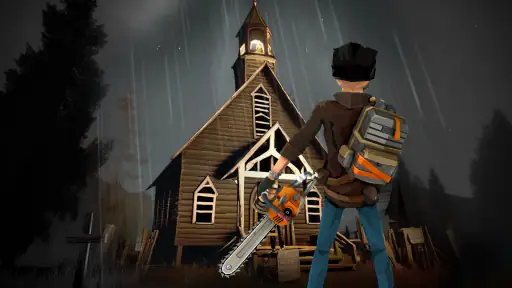
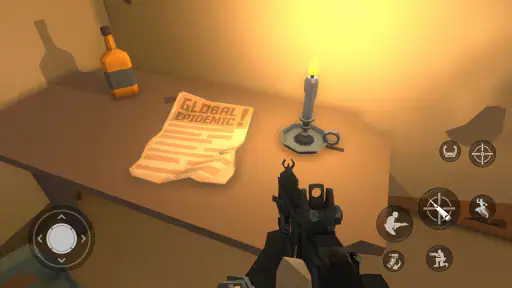
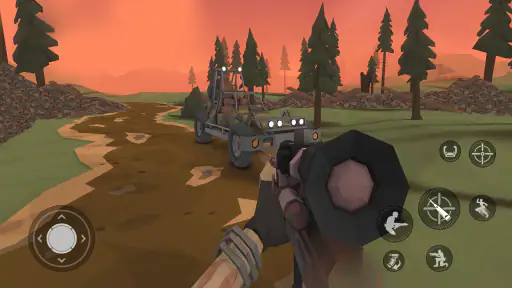
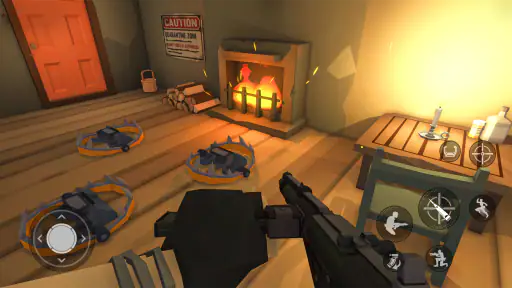
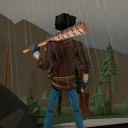
I tend to enjoy zombie shooters most when they give me more to do than aim at a crowd, so I was curious about The Walking Zombie 2: Shooter. It’s a free action game from Alda Games, built around solo play, polygon-style visuals and RPG elements. The simple look makes its world feel less grim than many survival shooters, which is a plus if you want action without a relentlessly bleak atmosphere. Its Teen age rating is also worth checking before handing it to a younger player.
Where the experience can snag
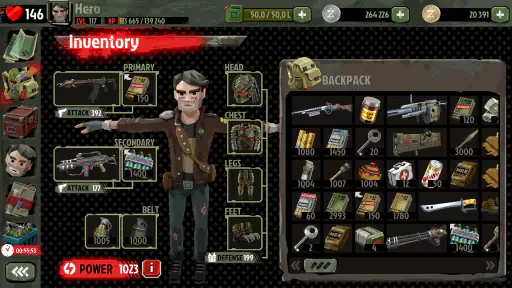
The main adjustment is learning to balance shooting with the game’s progression. If you rush through encounters without thinking about what your character or equipment needs next, later challenges can feel like a sudden jump in pressure. I’d treat each mission as a chance to check whether my current approach is working, rather than assuming that more firing will solve every problem. The RPG layer gives the action a longer arc, but it also asks for a little patience.
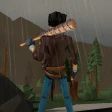
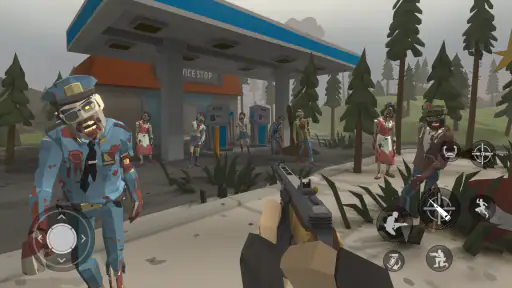
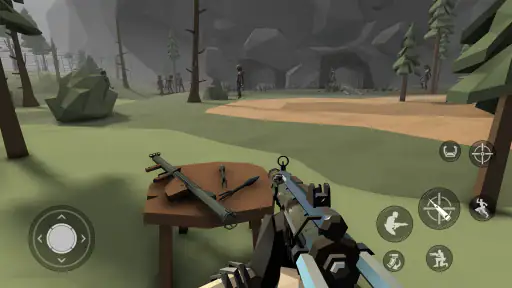
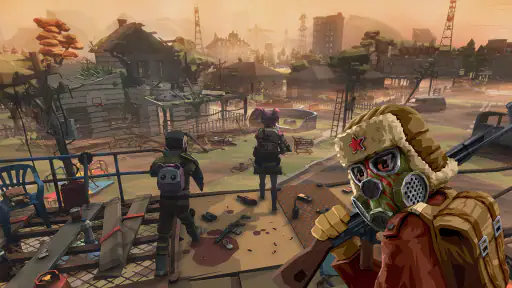
The polygon art is clear and distinctive, though players who want realistic gore or polished, cinematic visuals may find it too playful. That is a matter of taste, not a flaw in the controls. Compared with a typical fast arcade shooter, this one makes more room for missions and character development; compared with a heavier survival game, it is easier to approach and less focused on grim atmosphere. I’d choose it for a casual action session, not for a deeply realistic horror experience.
Getting settled and making progress
Because the game is designed for single-player offline shooting, it suits a commute or a quiet break when a steady connection is inconvenient. Before heading out, I’d open it while connected and make sure it reaches the playable part of the game; that simple check can help distinguish a setup or loading snag from an issue with the phone’s connection later. If something stalls, closing and reopening the game and checking that the device has a stable connection during setup are sensible first steps, without assuming the game itself is at fault.
A practical habit is to pause between missions and decide whether to improve the weapon you already rely on or save toward a different option. That choice is more useful than upgrading on impulse: a familiar weapon may serve you well, while a change can make sense when your current approach feels ineffective. I also wouldn’t spend in-game resources just because a tougher encounter is coming; first consider whether a small adjustment in how you aim and manage each fight will do the job.
Who should pick it up
I’d recommend it to players who like a solo campaign, readable visuals and a mix of shooting with gradual character decisions. It can fit a short everyday session: I might play a mission during a break, then leave longer progress for when I have time to focus. Since it supports offline play, it is also a sensible option for travel once it has been set up. If you mainly want competitive matches with friends, a multiplayer-focused shooter is a better fit; if you want a tense, realistic horror game, this lighter presentation may not land for you.
First Impressions and Gameplay
Right off the bat, the game throws you into a post-apocalyptic world teeming with zombies. The graphics might not be cutting-edge, but they have a charming, almost cartoonish style that sets The Walking Zombie 2: Shooter apart from other gritty, hyper-realistic games. It’s like the developers knew that sometimes, less is more. The controls are intuitive, which is always a plus, especially when you’re trying to fend off hordes of the undead. You’ll find yourself quickly adapting to the game’s pace, aiming and shooting with relative ease.
You May Like

Clash of Clans Is Won Between the Battles

Android Auto Makes the Case for Quieter Car Software

MobiOffice: Transforming Mobile Productivity with Seamless Integration

EA SPORTS FC™ Mobile Soccer: Redefining Mobile Sports Gaming

How Microsoft OneDrive Became a Mobile Productivity Giant

How Google Translate Breaks Language Barriers Effortlessly
Storyline and Missions
The storyline is intriguing, albeit a bit cliché. You’re a survivor in a world gone mad, and your primary goal is to stay alive while uncovering the mysteries behind the zombie outbreak. The missions are varied enough to keep you engaged, ranging from simple tasks like securing supplies to more complex ones like rescuing fellow survivors. Each mission provides a good mix of action and strategy, making sure you’re not just mindlessly blasting away at zombies.
Weapons and Upgrades
One of the most exciting aspects of the game is its arsenal of weapons. From basic handguns to powerful shotguns and assault rifles, there’s something for every play style. As you progress, you can upgrade your weapons to increase their effectiveness, which is crucial when facing tougher enemies. I found this feature particularly engaging as it adds a layer of strategy to the game – do you spend your resources on upgrading your weaponry or saving up for something new?
Making each session count
The mission structure makes it easier to fit the game around ordinary routines than a shooter that expects one long, uninterrupted run. On a train ride or during a break, I’d aim to complete a single mission rather than start playing without a stopping point in mind. That keeps the session manageable and gives me a natural moment to review my equipment before continuing. If I’m tired or distracted, I’d avoid making a big upgrade decision then; a short pause to compare what I use most often with what feels weak is more useful than spending resources just to keep moving.
There’s also a useful distinction between a weapon feeling underpowered and a fight simply going badly. Before changing equipment, I’d pay attention to whether I’m missing shots, getting too close, or trying to push through an encounter without adjusting my approach. That small check can prevent unnecessary spending and helps the RPG side feel like a set of choices rather than a demand to upgrade constantly. It won’t make every difficult encounter easy, but it gives me a sensible way to troubleshoot my own play first.
Multiplayer and Social Elements
If you’re someone who enjoys playing with friends, the multiplayer mode might just be your favorite feature. Teaming up with other players to tackle missions can be a blast, and it adds a social element that single-player modes often lack. Plus, coordinating with real people instead of AI can sometimes lead to hilarious, unpredictable moments.
What the solo focus means in practice
The game’s clearest fit is still a player who is happy to make progress alone. I wouldn’t pick it as a group activity when everyone wants to join the same match, compare live performance, or depend on friends being online at the same time. For those plans, a multiplayer-first action game is the more straightforward choice. Here, the benefit of playing solo is that I can set my own pace and return when it suits me; the trade-off is that the action does not become a shared session just because friends are nearby.
That distinction matters when choosing between this and other zombie games. A competitive shooter is better for head-to-head tension, while a survival-focused alternative may suit someone who wants atmosphere and open-ended exploration above mission completion. I see this game in the middle: it offers focused shooting, a continuing progression layer and a lighter visual tone. If that combination is what you want, the compact mission rhythm is a strength; if you need a large world to roam or a serious horror mood, the alternatives are likely to feel more rewarding.
Practical value and trade-offs
The game has a 4.4 average from around 1.5 million ratings, and it has passed 50 million installs, so it has clearly found a broad audience. That scale doesn’t guarantee it will suit your taste, but it does make this a well-established pick rather than an obscure experiment. It is free to start, with optional in-app purchases ranging from $0.99 to $99.99 per item, so I’d keep an eye on purchase prompts if you prefer not to spend. The game was released on June 27, 2019, and its long-running appeal rests more on its approachable action loop than on novelty.
For a parent or anyone sharing a device, I’d check the Teen rating and be mindful of purchase prompts before passing the phone over. The game can be started without paying, but the presence of optional purchases means it is sensible to keep spending decisions deliberate, especially if a younger player is using the device. I would treat purchases as optional convenience rather than assume they are necessary to enjoy the core loop. If you prefer games with no purchase decisions at all, that is a fair reason to choose a different shooter.
One useful way to judge whether it fits is to ask what you want from a zombie game. If you like a clear mission goal followed by a chance to improve your kit, the rhythm can be satisfying. If you want an open-ended world to wander through, or a game built around social cooperation, this is not the choice I’d make. Its single-player focus is a strength for playing alone, but it also means the appeal depends on enjoying your own pace and decisions.
When a snag may be elsewhere
If loading or controls feel inconsistent, I’d first check whether the phone is responding normally and whether the game has finished loading before restarting repeatedly. A crowded device or unstable connection during initial setup can make an otherwise simple launch feel broken. For offline sessions, test that the game opens before you lose connectivity rather than waiting until you are already on the move. If the issue persists after a fresh launch, avoid making several changes at once; checking one basic condition at a time makes it easier to tell whether the problem follows the game or the device.
Questions worth settling before a long session
If you are wondering whether it works without a connection, the practical answer is to prepare first: launch it while online, let it reach the playable section, and then try a short offline session before relying on it during travel. That is a safer test than discovering a loading problem after you have already lost reception. If you are deciding whether to keep playing after a difficult mission, I’d first try a more careful approach and review equipment between missions rather than immediately spending or restarting in frustration.
Players who prefer a story-led solo shooter can expect missions and character progression to be part of the appeal, while anyone looking for competitive online play should choose another game. The different visual style is also a real deciding factor: it keeps the presentation approachable, but it will not satisfy someone seeking convincing horror imagery. Those are not setup problems to solve; they are taste and genre preferences, and recognizing that early can save time.
My practical verdict
Overall, The Walking Zombie 2: Shooter is a delightful surprise. It combines elements of shooting, survival, and strategy in a way that keeps you coming back for more. While it might not revolutionize the genre, it does offer a fresh take with its unique art style and engaging gameplay. If you’re in the mood for a fun and challenging zombie shooter, give it a shot – you might just find yourself hooked!
I’d recommend it most to someone who wants a self-paced action game for solo breaks, enjoys balancing combat with gradual upgrades, and is comfortable with a playful polygon look. I’d skip it if realistic horror, open-ended survival, or dependable sessions with friends are the main draw. My best advice is to try it in a short, connected session first, then decide whether its mission rhythm suits your routine before making any purchase.
The Walking Zombie 2: Shooter Frequently Asked Questions
Is The Walking Zombie 2: Shooter a single-player game?
Yes. The Walking Zombie 2: Shooter is designed as a single-player zombie shooter, so its missions and combat are focused on your own progress rather than competing or cooperating with other players. That makes it a straightforward option if you want a solo action game, and its offline play also means you can enjoy the core experience without staying connected to the internet.
What kind of gameplay should I expect from The Walking Zombie 2: Shooter?
Expect action built around shooting zombies, completing missions, and improving your character over time. The game combines shooter combat with RPG elements, so there is more to do than simply aim and fire: progression and upgrades are part of the experience. Its polygon-style graphics give the post-apocalyptic setting a distinctive look rather than aiming for realistic visuals.
Is The Walking Zombie 2: Shooter suitable for younger players?
The Walking Zombie 2: Shooter is rated Teen, so it is intended for teenage players rather than very young children. Its action centers on shooting zombies in a post-apocalyptic setting. Parents may want to consider whether that theme and combat style suit their child before downloading, and review the game together if they are unsure.
Does The Walking Zombie 2: Shooter need an internet connection to play?
The game is described as a single-player offline shooter, making it a practical choice when you do not have a reliable connection. Offline play lets you take on its zombie-shooting action without staying online. The game also includes in-app purchases, so check your device’s purchase settings if you want to manage spending.
What is The Walking Zombie 2: Shooter about?
The Walking Zombie 2: Shooter is a first-person shooter game set in a post-apocalyptic world overrun by zombies. Players embark on missions to survive, complete quests, and battle various types of zombies. The game combines action with RPG elements, allowing players to upgrade skills and weapons, ensuring an immersive and thrilling experience.
Pros
- Engaging storyline keeps players hooked.
- Variety of weapons to choose from.
- Open-world environment for exploration.
- Regular updates with new content.
- Supports offline play for convenience.
Cons
- In-app purchases can be pricey.
- Graphics may not appeal to everyone.
- Some missions feel repetitive.
- Occasional bugs and glitches.
- Energy system limits playtime.
- Category
- Action
- Version
- Varies with device