Evony: The King's Return
- 41.64K
- 4.1
- Installs
- 100.00M
- Price
- Free

Screenshots
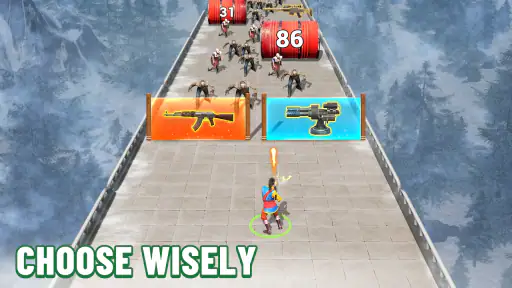

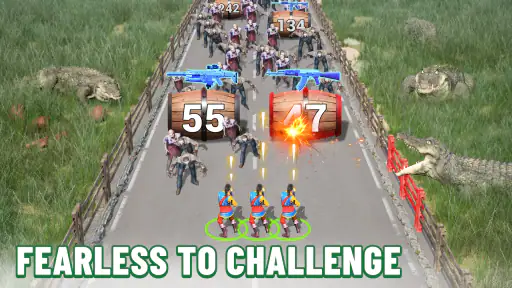
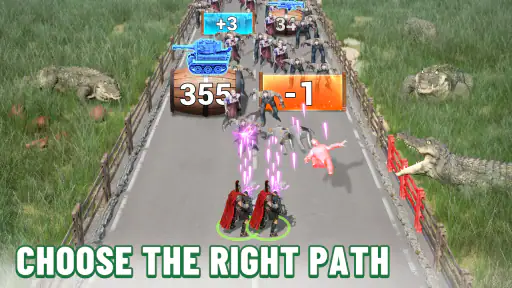
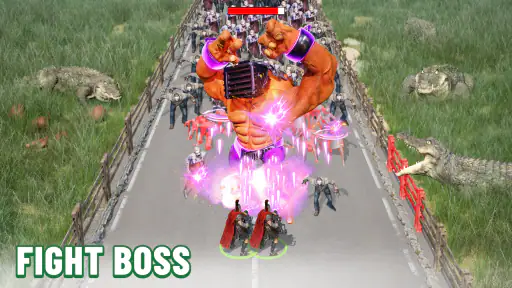
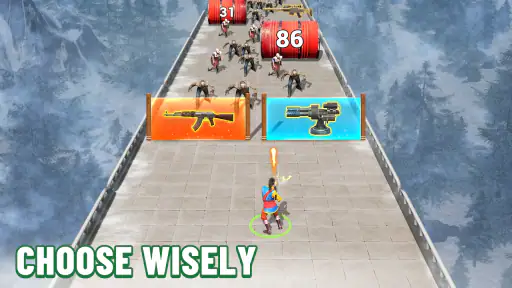

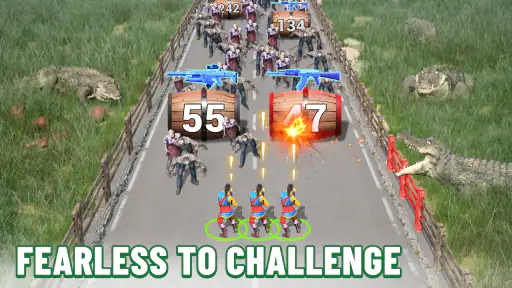
Analysis by Reviewed
I went into Evony: The King’s Return expecting a strategy game about building a kingdom, and that is the heart of the experience: grow your city, manage its needs, and decide how much attention to give diplomacy and conflict. It is a mobile game, so progress unfolds in small visits as well as longer sessions. I would not treat it as a quick puzzle to finish in one sitting; it suits players who enjoy returning to a developing world and making the next decision.
What the first session feels like
The opening stretch is easiest to understand if you focus on the immediate tasks the game presents rather than trying to plan your entire empire. Buildings, resources, research, and troops all compete for attention, and it can be tempting to upgrade whatever looks most impressive. I found it more useful to ask what I need for the next step: if progress depends on a particular building or resource, prioritize that instead of spreading effort everywhere.
That small habit makes the early game feel less like a pile of buttons and more like a sequence of choices. You do not need to master every system before making progress. Learn what each prompt asks you to do, check the requirements before committing to an upgrade, and keep one clear near-term goal in mind. For a first-time player, that is a reassuring way to get oriented without pretending the game has no learning curve.
Building Your Empire
The first thing you’ll notice about Evony: The King’s Return is its emphasis on empire-building. You start with a small plot of land and a handful of resources. From there, it’s all about expansion. Whether you’re constructing buildings, researching new technologies, or training troops, there’s always something to do. The game’s mechanics are intuitive, but there’s enough depth to keep things interesting. I found myself constantly planning my next move, weighing the benefits of building a new farm versus upgrading my barracks.
Turning early progress into a routine
My first meaningful success was not a dramatic victory; it was getting a city task done and seeing how one sensible upgrade opened the way to another. That is a useful way to judge progress here. Rather than chase every available activity, choose a building or research goal, check what it requires, and use your next short session to move that goal forward. If you are playing between other tasks, make a quick mental note of what you are waiting on so you can resume without rethinking your whole plan.
A practical trade-off appears quickly: developing the city gives you a foundation, while training forces and improving commanders points toward conflict. Neither is automatically the right choice at every moment. I would avoid investing in troops just because battles look more exciting if your city still lacks the support your current goals require. Conversely, if you want to take part in warfare, city growth alone will not deliver the same satisfaction. Decide which kind of progress you want before spending a session on upgrades.
A manageable first-day plan
If I were guiding a friend through a first day, I would suggest treating the opening as a guided tour rather than a race. Follow the tasks that explain the city, but pause when a choice asks you to spend resources on something not tied to your immediate goal. This is not about playing perfectly; it is about learning what buildings and research contribute before trying to optimize everything. A few deliberate decisions make later menus easier to interpret.
More From Our News Desk

Weather by Xiaomi Review: Clear at a Glance, Less Clear Up Close

X Under Pressure: Can It Recover When Posting Goes Wrong?

Clash of Clans Is Won Between the Battles

Android Auto Makes the Case for Quieter Car Software

MobiOffice: Transforming Mobile Productivity with Seamless Integration

EA SPORTS FC™ Mobile Soccer: Redefining Mobile Sports Gaming
One useful habit is to separate “available” from “necessary.” The game can show several things you could do, but doing them all at once may scatter your resources and attention. I would pick one city-development objective and one secondary interest, such as learning about commanders, then leave the rest for a later visit. This gives a new player a simple way to make progress without feeling that every visible button must be pressed.
Alliances and Diplomacy
One of the standout features of Evony is its focus on alliances. As you progress, you’ll find that joining an alliance isn’t just beneficial—it’s essential. The game encourages cooperation, and being part of a strong alliance can mean the difference between victory and defeat. I really enjoyed the social aspect of the game. Chatting with alliance members, coordinating attacks, and sharing resources added a whole new layer to the gameplay. Plus, it’s always nice to have allies watching your back when rival players come knocking!
Choosing how social you want to be
Alliance play is a good reason to consider whether the game fits your routine. If you enjoy checking in with other players and coordinating plans, cooperation can make the world feel more alive than a solo city-building game. But it also means that your experience may depend on how active and welcoming the group is. I would look for an alliance whose pace suits you rather than joining one that makes the game feel like an obligation. If you prefer complete independence or do not want social coordination, the alliance layer may be a poor fit even if the city management appeals.
Compared with a typical single-player strategy game, Evony puts more emphasis on other people and ongoing competition. That gives victories a social context, but it also means the game is less suited to someone who wants every outcome to be fully self-contained and available on demand. A traditional offline strategy title is a better choice for uninterrupted solo planning; Evony makes more sense if interaction and a persistent empire are part of the appeal.
Finding the right alliance pace
For a first-time player, joining a group does not have to mean making the game your main hobby. I would pay attention to how members communicate and whether their expectations match the amount of time I actually want to spend. A quiet, friendly group can make it easier to ask basic questions; a highly coordinated group may be more rewarding for someone who wants regular shared plans. The point is to choose social play that supports your enjoyment, not to let the group set a pace that feels stressful.
It is also worth remembering that social advice can be useful without being universally right. Another player may recommend a particular upgrade because it suits their priorities, but your own goals might be different. Before following a suggestion, check how it fits the city task or style of play you have chosen. That small pause helps you benefit from cooperation while keeping control of your own decisions.
The Art of War
Let’s talk battles. In Evony, warfare is more than just sending troops to fight. You’ll need to strategize, considering troop formations and leveraging the unique skills of your generals. The battles are visually engaging, and there’s a real sense of accomplishment when you outsmart an opponent. I found myself getting quite invested in my generals, upgrading their skills and equipping them with powerful items to ensure victory.
Reading the game before committing
One source of confusion for a newcomer is that visible activity does not always mean every choice is equally urgent. A battle may be tempting, but it is worth checking what you stand to gain and whether your city is ready to support that approach. I recommend treating commanders and their equipment as part of a longer plan, not as a reason to spend resources on every available improvement. Concentrating on a direction is easier to manage than trying to make every general and every troop type a priority at once.
There is also a useful distinction between enjoying the presentation of a battle and enjoying the planning behind it. If you mainly want direct, moment-to-moment tactical control, a dedicated tactics game may suit you better. Evony’s appeal is broader: city development, preparation, and player interaction all contribute to the conflict. That mix is rewarding when you like building toward an outcome, but less satisfying if you want combat to be the whole game.
Keeping your resources pointed in one direction
A commander can become a tempting sink for attention because improving a character feels tangible. I would connect that choice to a specific plan: decide which kind of activity you want to pursue, then focus your upgrades around it rather than spreading them evenly. This is a practical way to avoid feeling that you have made no progress despite spending a session on several small improvements. It also makes it easier to tell whether you enjoy the strategic preparation, not just the battle screen.
When a result surprises you, I would use it as a reason to review the choices leading up to it instead of immediately changing everything. Consider whether the issue was preparation, the forces selected, or a mismatch between your goal and the activity. That kind of calm review is more helpful than reacting to one outcome by investing in every available option. The game is easier to learn when each attempt teaches you something specific.
The game also offers a variety of events and challenges, keeping things fresh and exciting. Whether you’re defending your city against waves of enemies or launching an offensive against a rival kingdom, there’s always a thrill in the air.
Making events fit your day
Events can give you a reason to return, but I would not let every activity dictate your schedule. A relaxed routine works better: decide how long you want to play, handle the tasks that support your current goal, then stop when the session no longer feels enjoyable. For example, if I had a few minutes after dinner, I would check the city’s next useful upgrade and make progress there rather than start a long chain of unrelated activities. This keeps the game from turning a casual hobby into a checklist.
Another sensible first-week habit is to pause before spending. Evony is free to play, but it offers in-app purchases, with listed item prices ranging from $0.49 to $99.99. You can decide for yourself whether optional purchases suit your budget; I would first learn which parts of the game you actually enjoy before considering them. The game’s age rating is Everyone 10+, and it is developed by TG Inc.
Graphics and Sound
Visually, Evony is a treat. The game boasts detailed graphics that bring your kingdom to life. The animations are smooth, and the art style is both vibrant and immersive. The sound design complements the visuals perfectly, with epic music scores that make you feel like a true king or queen.
Where it fits among strategy games
Evony sits between a city-building game and a social strategy game. Compared with a puzzle strategy title, it is less about solving one self-contained challenge and more about maintaining a developing empire. Compared with a purely tactical game, it spends more of its appeal on preparation, expansion, and other players. I would choose it when I want a world to revisit and gradual goals to work toward; I would choose a shorter, offline strategy game when I want a complete match without ongoing commitments.
That difference matters for practical use. Someone who enjoys checking a plan during a spare moment and returning later may find the persistent structure satisfying. Someone who wants to play only when friends are online, or who dislikes having several systems to keep track of, may find a simpler turn-based game more comfortable. Neither style is better in general; they offer different kinds of control over your time.
Who will enjoy returning to the kingdom
For a newcomer deciding whether to install it, the clearest question is whether you like gradual development. If you enjoy seeing a small settlement grow while balancing resources, research, commanders, and alliance activity, this is a promising fit. If you want a compact game with a clear finish, minimal social interaction, or battles that provide the entire experience, I would choose another strategy game instead. Evony asks for patience and a willingness to learn how its different parts support one another.
A realistic routine might be to open the game during a break, check the city task you chose earlier, make one upgrade or research decision, and then leave the larger strategic choices for a longer session. In the evening, you could return to consider whether to develop your city further, work on a commander, or talk with your alliance. That split makes the game easier to fit around everyday life than trying to do everything in one sitting.
The main limitation is that the many directions for progress can make priorities feel unclear, especially when you are new. It may also be a poor match if you do not want to think about alliances or ongoing competition. I would not recommend it as a relaxing, no-pressure puzzle when you want a short session with a definite ending. Its best moments come when you are comfortable with steady progress and can ignore activities that do not fit your plan.
It has a substantial audience: the average rating is 4.1 from around 794,000 ratings, with more than 42,000 written reviews and over 100 million installs. Those figures suggest many people have tried it, but they do not tell you whether its pace or social style will suit you personally. It is free to play, and the current version is 4.99.1, with Android 7.0 or later required.
One practical question is whether you need to spend money to decide if the game is for you. I would start without making a purchase: learn which parts you return to, and only then decide whether an optional item is worth its cost to you. Another is whether you must join an alliance immediately. Cooperation is an important part of the experience, but the right time and group depend on how social you want your play to be. For now, learning the city and its tasks is a sensible first step.
Overall, Evony: The King’s Return is a fantastic app for anyone who enjoys strategy games. It combines empire-building, diplomacy, and warfare into a cohesive and engaging package. Whether you’re a seasoned strategist or new to the genre, there’s something here for everyone. So, if you’re ready to claim your throne and lead your kingdom to glory, give Evony a try. Who knows? You might just become the greatest ruler the game has ever seen!
Evony: The King's Return Frequently Asked Questions
What kind of game is Evony: The King's Return?
Evony: The King's Return is a strategy game focused on building an empire, managing resources, and leading armies. Its store summary invites players to build an empire, explore, and move and shoot, while the broader experience centers on developing a kingdom and taking part in battles. If you enjoy planning and gradual progression, this mix may appeal to you; it is less suited to someone looking only for a short, self-contained action game.
Is Evony: The King's Return suitable for children?
The game is rated Everyone 10+, which makes it more suitable for older children and adults than for very young players. It includes battles and interactions with other players, so families may want to consider both the strategy content and the online social features before downloading. It is free to install, but optional in-app purchases are also available, so it can be sensible to review purchase settings before a child plays.
Can I play Evony: The King's Return on my Android device?
Evony: The King's Return is a strategy game for Android, with a minimum operating system requirement of Android 7.0. Before downloading, check your device’s software version and make sure it can run a current game comfortably. The game is free to install, though optional in-app purchases are available. It is rated Everyone 10+, so it may be more suitable for older children and adults than for very young players.
Does Evony: The King's Return require an internet connection?
Evony: The King's Return is built around real-time strategy and interaction with other players, including battles and alliances. Those features depend on being connected, so it is best approached as an online game rather than something to play offline. A stable connection can help keep play smooth, particularly when coordinating with an alliance or taking part in competitive activities. Consider your usual access to Wi-Fi or mobile data before downloading.
What is the primary objective of Evony: The King's Return?
Evony: The King's Return is a real-time strategy game where players aim to build and expand their empire, train armies, and engage in battles against other players. The primary objective is to become the most powerful leader by conquering territories, forming alliances, and strategically managing resources. Players must also defend their kingdom from enemy attacks while participating in various in-game events to gain rewards.
Pros
- Engaging real-time strategy gameplay.
- Rich historical themes and alliances.
- Variety of puzzles to solve.
- Active and supportive player community.
- Frequent updates with new content.
Cons
- In-game purchases necessary for progression.
- Complex interface for new players.
- Time-consuming to level up.
- Occasional server issues.
- High battery consumption.
- Category
- Strategy
- Version
- 4.99.1