Doomsday: Last Survivors
- 52.35K
- 4.5
- Installs
- 50.00M
- Price
- Free

Screenshots
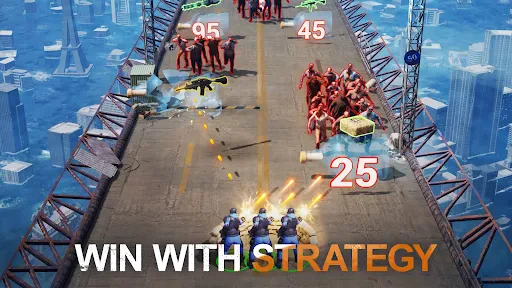
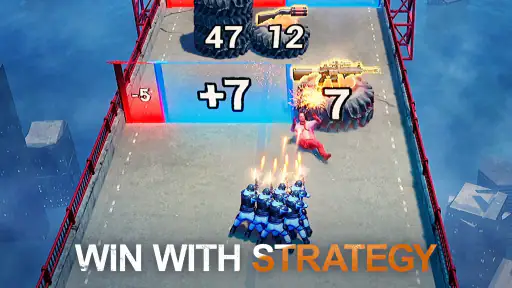
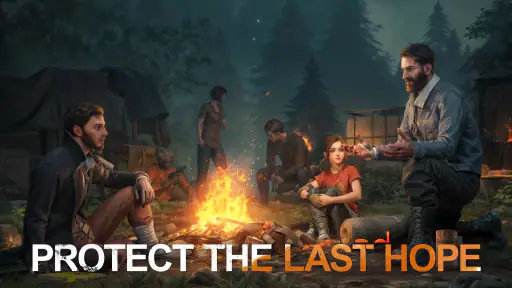
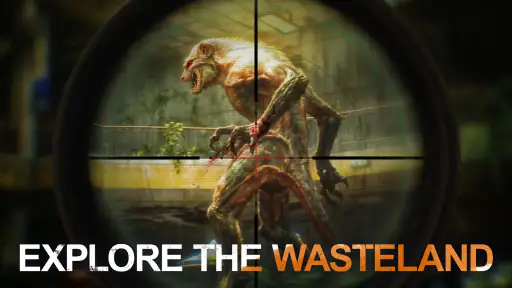
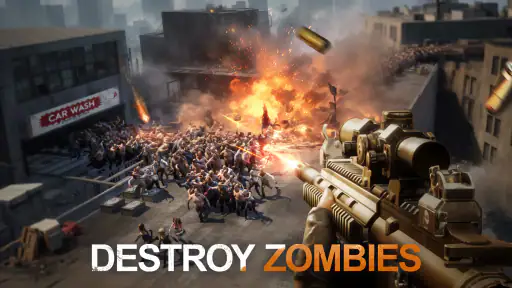
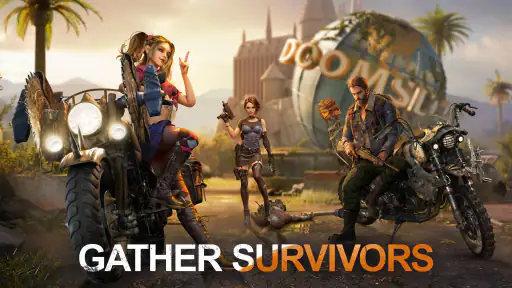
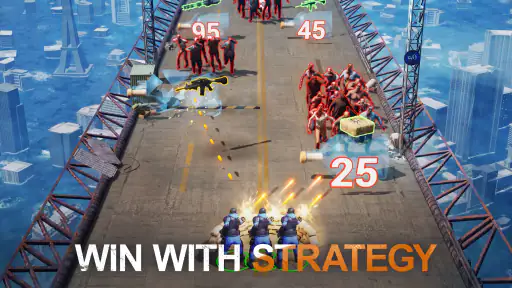
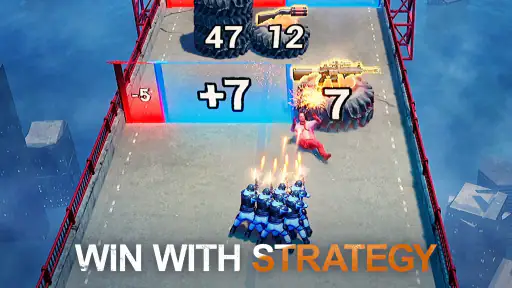
Analysis by Reviewed
I judge a strategy game not only by how much it asks me to do, but by how comfortably I can understand and manage those demands. Doomsday: Last Survivors puts a zombie-survival setting around the work of protecting a community, so its appeal depends on whether you enjoy making decisions and returning to a developing crisis. I find that framing more useful than expecting a quick action game: this is better suited to players who like to pause, assess priorities, and keep an eye on how their shelter is doing.
Readability, navigation, and the shape of play
In a strategy game, the important question is whether the screen helps me tell what needs attention next. Here, I would approach each session by looking for the most urgent shelter or survivor task before spending time on optional decisions. That simple habit can make a busy game feel more manageable: deal with what protects the community first, then explore the rest when I have time. If you prefer games that put one clear objective in front of you at all times, the broader demands of a survival strategy game may take some getting used to.
The menus and information also matter for players who need to read at a slower pace or prefer a less crowded screen. I recommend taking a moment to learn where the main actions are rather than tapping quickly through prompts. Once you recognize the routine, it is easier to return after a break without having to re-evaluate everything from scratch. Still, anyone who finds dense screens tiring should try a short session first and see how comfortably they can follow the game’s flow on their own device.
Motor and sensory considerations
I would not describe this as a game that depends only on fast reactions. The strategy focus gives you room to think, which can suit players who want decisions to matter more than constant rapid input. A useful approach is to play when you can give the screen your attention, rather than trying to handle complicated choices while distracted. That can also reduce mistakes: a quick tap in a management game may commit you to an action before you have checked what it affects.
For sensory comfort, the zombie setting and the pressure of protecting survivors may not be everyone’s idea of a relaxing break, even though the game is strategic rather than simply an action test. I would skip it if you want a quiet, low-stakes puzzle or a game with no threatening theme. If you do enjoy survival stories but are sensitive to busy visual activity, try the game in a calm setting first and judge how its presentation feels to you.
Making a shelter strategy fit everyday life
I find that the best way to judge whether a shelter strategy belongs in my routine is to notice how much attention I can comfortably give it, rather than trying to keep up with every prompt. A focused check-in can make the game feel like a deliberate choice instead of another obligation, especially on a busy day. That practical rhythm also helps me decide which settings and situations suit a longer visit.
When a short visit works—and when it does not
Doomsday: Last Survivors is a strategy game from IGG.COM, released on September 15, 2021. Its zombie-survival premise gives ordinary management decisions a clear purpose: keep survivors safe and maintain their last shelter. The game is free to start, with in-app purchases ranging from $0.49 to $299.99 per item, so I would go in with a spending limit in mind. It is rated Teen, has a 4.5 average from around 2.3 million ratings, and has passed 50 million installs. Version 1.44.0 requires Android 5.1 or later.
More From Our News Desk

Weather by Xiaomi Review: Clear at a Glance, Less Clear Up Close

X Under Pressure: Can It Recover When Posting Goes Wrong?

Clash of Clans Is Won Between the Battles

Android Auto Makes the Case for Quieter Car Software

MobiOffice: Transforming Mobile Productivity with Seamless Integration

EA SPORTS FC™ Mobile Soccer: Redefining Mobile Sports Gaming
A realistic use case is checking in during a lunch break: I can review what needs attention, make a considered choice, then put the phone away rather than treating every spare minute as a reason to stay in the game. This suits someone who enjoys gradual strategy and can accept that progress may involve returning later. It is less suitable if you want a complete story session that starts and ends cleanly in a few minutes, or if you dislike games that may tempt you to spend on optional purchases.
Compared with a straightforward tower-defense game, this has a wider survival-management frame; compared with a calm city builder, its zombie danger gives decisions a more urgent mood. That distinction is useful when choosing: pick a simpler defense game if you mainly want short bursts of tactical action, or a peaceful builder if you want creativity without survival pressure. I would choose this one when the appeal is balancing a community’s needs within an apocalyptic setting, not merely placing buildings or clearing a quick level.
Practical trade-offs and who should pass
One tip that helps with this kind of game is to decide what you want from a session before opening it. If you have only a moment, check the most important needs and avoid starting a chain of decisions you cannot finish attentively. With more time, you can explore the broader strategy and consider how one choice affects the next. This is not a hidden feature; it is a way to make a management game feel less demanding and to avoid spending simply because a prompt is in front of you.
The purchase range is worth treating as a real boundary, not a minor detail. I would enjoy the free experience first and avoid buying anything impulsively; players who want a strictly no-spend game may prefer an alternative with no in-app purchases. Likewise, if you mainly play one-handed while commuting, have difficulty distinguishing small interface elements, or need a game that remains comfortable in noisy or interrupted situations, test it under those conditions before committing. Strategy can be less reflex-heavy than action, but it still asks for visual attention and deliberate input.
My inclusive verdict
For me, this is a reasonable choice for players who like to plan, check in on a vulnerable group, and make decisions within a tense setting. Its strategy focus can be more welcoming than games built around nonstop precision, but it does not automatically make the experience accessible to every ability or situation. People who benefit from uncluttered screens, minimal reading, or uninterrupted play should be especially cautious and try a brief session first. I would recommend it to a friend who enjoys survival management and is comfortable setting their own limits around time and spending; I would steer someone seeking a gentle, instantly readable, or reliably short game elsewhere.
Choosing a routine that keeps decisions manageable
One practical question is whether I can enjoy this game without checking it constantly. I would treat it as a planned stop rather than a background task: open it when I can focus, identify the shelter decision that matters most, and leave once I have made a sensible choice. That routine is useful for players who want a strategy game on a phone but do not want it to take over every pause in the day. If you know that unfinished timers or visible reminders make you feel obliged to return, that pressure may outweigh the appeal of gradual progress.
For a first session, I would avoid trying to understand every screen at once. Learn the basic route between the shelter view and the actions you expect to use, then make a note of any label or icon that is unclear. This small orientation step is especially helpful if you play in short bursts: it reduces the chance of spending your next visit searching through menus instead of making a decision. It also gives you a fairer test of readability than opening the game while rushed and judging the whole experience from the first screen.
Where it sits among mobile strategy games
Many mobile strategy games lean heavily toward either direct combat or city planning. The appeal here is the combination of a community to protect and a threatening survival premise, which gives management choices a human focus. I would pick it over a pure tactical battler when I want the shelter itself to be part of the reason I care about a decision. On the other hand, someone who wants every session to revolve around a discrete match may find a match-based strategy game easier to fit into a fixed break.
That comparison also helps set expectations about pace. A compact puzzle or level-based defense game usually offers a clearer endpoint; a survival-management game asks me to care about an ongoing situation instead. Neither approach is automatically better, but they suit different moods. If I have time to settle in and think about several connected priorities, this premise makes sense. If I want to tap through one self-contained challenge and put my phone down immediately, I would choose a game built around individual rounds instead.
Making the experience work across different settings
At home, with a larger stretch of quiet attention, I can take time to understand the choices and see how the shelter’s needs fit together. In a waiting room or during a work break, I would keep the goal narrower: check the urgent task, avoid rushed purchases, and stop before I start a sequence that needs more concentration than I have. This is a useful distinction for anyone balancing play with interruptions, because the same interface can feel manageable in a calm moment and frustrating when attention keeps shifting.
If you are deciding whether to install it for a family member, I would consider both the Teen rating and their comfort with zombie themes, not just whether they like strategy games. The slower decision-making may suit someone who dislikes reflex tests, but that does not guarantee the interface will be comfortable for every player. A brief hands-on trial is a better guide than assuming that a management game is automatically easy to navigate. I would also agree on spending expectations in advance if the device is shared or purchases are a concern.
What I would check before settling in
People often wonder whether this is a good fit for occasional play, whether it demands quick fingers, and whether it can be enjoyed without buying anything. My honest answer is conditional: its strategic framing is less about constant reaction than an action game, and the free entry makes it possible to try before spending, but your comfort depends on how well the screen, pacing, and ongoing responsibilities fit your habits. I would test it during the kind of break when I expect to play, rather than only in an ideal quiet setting.
I would also decide in advance what “enough” looks like for a session. For me, that might mean resolving one clear priority and stopping, rather than following every prompt or treating every offer as necessary. This is not a special in-game setting; it is a personal boundary that makes optional purchases and longer play sessions easier to judge. If you prefer games with no purchase prompts or a definite finish line, another strategy title may be a more comfortable choice.
Inclusive verdict: a thoughtful fit, with caveats
Hey there, fellow gamers! Today, I want to dive into a game that's been making waves on both Android and iOS. Ever heard of Doomsday: B.Duck? If not, buckle up because this game takes you on a whimsical, yet thrilling journey that you won't want to miss.
Quacking Through the Apocalypse
Doomsday: B.Duck is not your typical end-of-the-world scenario. You get to experience an apocalyptic adventure, but through the eyes (or should I say beak?) of a cute and quirky duck. The premise is simple yet captivating: navigate through a world that's on the brink of collapse, while dodging obstacles, collecting power-ups, and solving puzzles. Sounds intriguing, right?
Gameplay and Features
What really sets this game apart is its unique blend of action and strategy. As you guide your duck through various levels, you'll encounter a mix of fast-paced action and brain-teasing puzzles. It's a delightful combo that keeps you on your toes. The controls are intuitive, making it easy for players of all ages to jump right in. And let's not forget about the graphics – the vibrant and playful art style makes every level a joy to explore.
Speaking of levels, the game boasts a variety of environments, each with its own set of challenges. From bustling cityscapes to eerie forests, each level is designed to keep you engaged and entertained. Plus, the soundtrack is a perfect match, enhancing the overall experience with catchy tunes that you'll find yourself humming long after you've put down your phone.
Why You Should Play
Now, you might be wondering, "Why should I download Doomsday: B.Duck?" Well, if you're a fan of games that offer more than just mindless tapping, this one's for you. The game strikes a perfect balance between fun and challenge, ensuring that you never get bored. Whether you're a casual gamer looking for a quick escape or a hardcore player seeking a new obsession, this game has something for everyone.
Another aspect worth mentioning is the community. With a growing player base, you're never alone in your quest. Share tips, compete in leaderboards, or simply enjoy the camaraderie of fellow duck enthusiasts. It's this sense of community that adds an extra layer of enjoyment to the game.
So, there you have it! If you're ready to embark on a quirky adventure that combines action, strategy, and a whole lot of ducks, give Doomsday: B.Duck a try. Trust me, it's a quack-tastic experience you won't regret!
My overall recommendation is for someone who wants an ongoing survival strategy experience and is willing to learn its priorities at their own pace. I would not choose it as a default recommendation for a player who needs a very simple screen, a low-stimulation atmosphere, or sessions with a guaranteed stopping point. The strongest fit is a curious planner who enjoys checking in on a settlement and can set practical limits around attention and spending; for that person, its premise gives routine decisions a reason to matter.
Doomsday: Last Survivors Frequently Asked Questions
What is the main premise of Doomsday: Last Survivors?
Doomsday: Last Survivors sets its strategy gameplay in a zombie apocalypse, where the central idea is defending the survivors’ last shelter from the undead. The survival theme shapes the experience, so it may appeal if you enjoy games about protecting a community in a post-apocalyptic setting. The store’s short description is simply “Doomsday,” while its summary highlights the shelter-defense premise.
Who makes Doomsday: Last Survivors, and when was it released?
Doomsday: Last Survivors is developed by IGG.COM and was released on September 15, 2021. Knowing the developer and release date can help put the game in context before you download it, especially if you are comparing mobile strategy games. Its central theme is a zombie apocalypse, with the objective of defending survivors’ last shelter.
What kind of game is Doomsday: Last Survivors?
Doomsday: Last Survivors is a strategy game set in a zombie apocalypse. Its premise centers on protecting the survivors’ last shelter from the undead, giving the game a survival-focused setting alongside its strategic play. If you enjoy games built around defending a community in a post-apocalyptic world, this theme is central to what the game offers.
Is Doomsday: Last Survivors free to download?
Yes. Doomsday: Last Survivors is free to download, so you can get started without paying for the game itself. It also includes optional in-app purchases, with items priced from $0.49 to $299.99. Consider those purchases before playing, particularly if you prefer to avoid spending inside games; they are separate from the initial download.
What is the main objective of Doomsday: B.Duck?
In Doomsday: B.Duck, the main objective is to navigate through a post-apocalyptic world as B.Duck. Players must overcome various challenges, solve puzzles, and collect items to progress through the game. The goal is to help B.Duck survive and thrive in this desolate environment, all while enjoying engaging graphics and an immersive storyline.
Pros
- Engaging storyline captivates players
- Cute character design adds charm
- Challenging levels enhance gameplay
- Frequent updates with new content
- Easy to learn controls for all ages
Cons
- In-app purchases can be costly
- Requires constant internet connection
- Occasional bugs affect experience
- Limited customization options
- Ads can interrupt gameplay
- Category
- Strategy
- Version
- 1.44.0