Tiles Survive!
- 4.19K
- 4.4
- Installs
- 10.00M
- Price
- Free

Screenshots
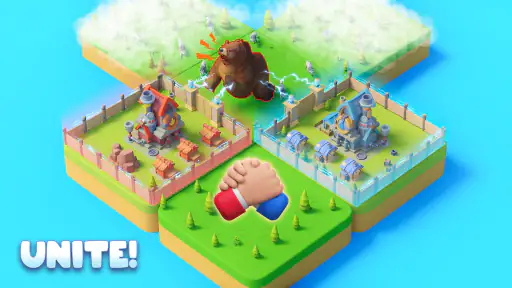
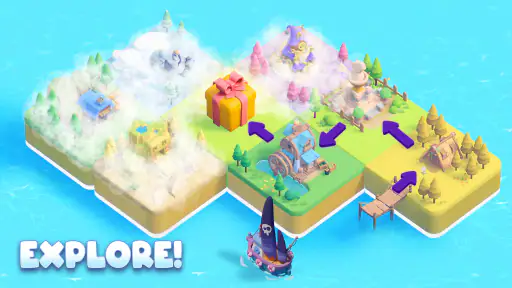
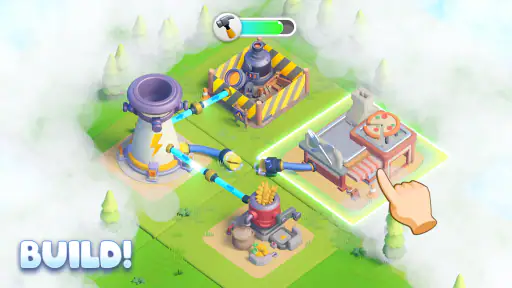
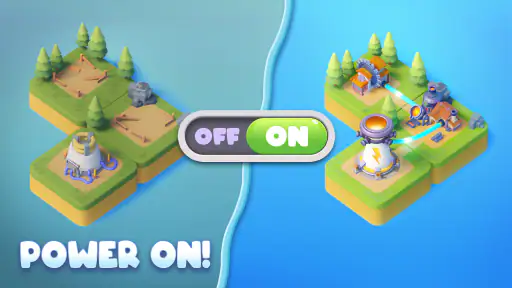
Analysis by Reviewed
I like strategy games that give me a small, clear decision to make before asking for a long session, and Tiles Survive! has an appealing premise for that kind of play. It is a strategy game from FunPlus International AG, built around tiles and survival. That combination suggests a more approachable entry point than a sprawling strategy map, but it still asks players to think ahead rather than tap through without a plan. My main question when approaching it is not simply whether it can hold my attention, but how comfortable its presentation and pace feel across different players and everyday situations.
Reading the board and finding your way
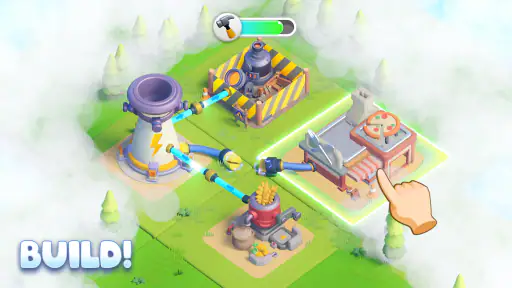
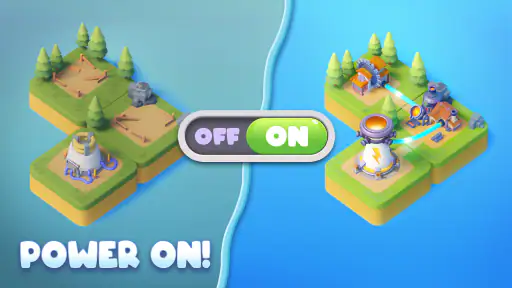
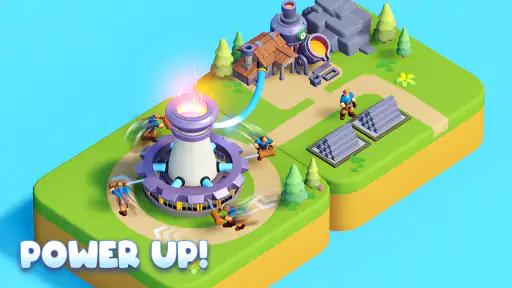
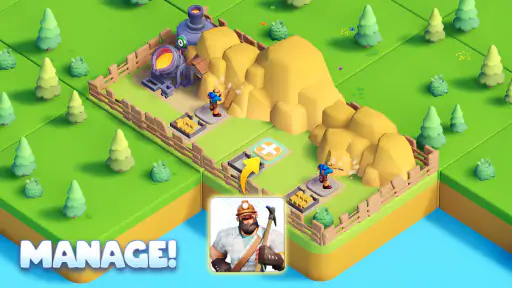
The tile-based framing is the most immediately useful part of the game’s identity. A board of discrete spaces can be easier to scan than a crowded battlefield full of overlapping units and menus: each tile gives the eye a place to focus, and choices can feel more contained. For someone new to strategy games, that can make the first decisions less intimidating. It also gives experienced players a compact space in which to weigh consequences.
Still, a tile layout is not automatically easy to read. Clarity depends on how distinctly the game communicates the state of each space, what a choice will do, and what needs attention next. I would encourage new players to take a moment over the board before committing to a move, especially when several tiles compete for attention. In a strategy game, overlooking a small visual cue can matter more than it would in a straightforward puzzle.
Readable decisions matter more than a simple-looking board. When I try a game with this format, I look for a useful rhythm: inspect the available spaces, identify the immediate need, and then choose a move without having to remember a long chain of unrelated instructions. If that loop feels understandable, the tile presentation can help make strategy approachable. If the screen feels busy or the consequences of a choice are hard to follow, the same format can become frustrating, particularly for players who need extra time to process visual information.
Navigation deserves the same practical attention. A game can have manageable decisions but still be tiring if getting between the board and supporting screens requires repeated searching. I recommend learning the handful of screens you use most early on, rather than trying to understand every option in one sitting. That small habit is useful in any strategy game, but especially in one where returning to the board with a clear sense of the next priority can prevent aimless tapping.
Strategy that can fit short visits
The store presents Tiles Survive! as a casual strategy game, and that positioning is promising for players who want tactical choices without necessarily setting aside a whole evening. The survival theme also gives the decisions a practical frame: players can think in terms of what keeps a settlement or situation going, rather than treating every move as an abstract score chase. I find that framing easier to return to than a game whose only motivation is climbing a leaderboard.
That does not mean every visit will feel equally light. Strategy often asks you to remember what you were trying to accomplish, and survival games can make priorities compete. A quick check during a break may be enough to make one sensible decision, but it may not be enough to understand a complex situation if you have forgotten the previous plan. A useful approach is to leave yourself a simple mental note before closing the game: what needs attention first when you come back?
That makes it a plausible fit for a commute with a seat, a quiet lunch break, or a few minutes at home while waiting for something else. It is less suited to moments when you can only glance at the screen for a second or when interruptions are constant. The key distinction is not whether a session is long; it is whether you can give the board enough attention to understand your choice.
Motor and sensory comfort
Tile-based play may involve more deliberate targeting than a game that relies on fast movement, which can be a welcome change for people who dislike frantic controls. A player can generally approach each decision as a choice rather than a reflex test. That is a meaningful design advantage in principle, though the comfort of actual play still depends on how accurately the controls respond and how clearly the game signals a selection.
If you have limited dexterity, hand fatigue, or difficulty making precise taps, try the game in a relaxed setting before deciding whether it suits you. Pay attention to whether you can select a tile consistently and whether any important action feels rushed. I would not assume that a strategy label guarantees low physical effort: repeated taps, small targets, or fast-moving prompts can change the experience, so the useful test is how your own hands feel after a short session.
Sensory comfort is personal, too. Players who are sensitive to animation, bright effects, sound, or busy screens should check how the game feels in practice and adjust their play environment where possible. I find it helpful to start with a brief session in a quiet room, then decide whether the visual and audio presentation is comfortable enough for longer visits. That is more reliable than assuming a casual tone will necessarily mean a calm sensory experience.
For players who benefit from a larger display, a tablet may make it easier to view a board and keep nearby details in sight, if they have access to one. On a smaller phone screen, careful orientation and avoiding glare can make a real difference. These are simple adjustments, but they can be more useful than trying to power through when the board is hard to distinguish.
Playing around interruptions and different routines
One realistic use case is checking in at home between everyday tasks. I might open the game while waiting for dinner, inspect the current situation, make one considered move, and stop before the next task begins. This works best when I already know what I want to accomplish; opening a strategy game with no plan can turn a short break into a longer session than intended. If you need to be ready to respond to people or responsibilities, decide in advance how much attention you can spare.
Another situation is playing while tired. The casual strategy framing may sound inviting after a long day, but fatigue makes it harder to compare options and remember consequences. I would use those sessions for familiar decisions, not for choices that could reshape a carefully built plan. If you notice yourself tapping just to make progress, it is probably better to pause and return when you can pay attention.
Players who need a predictable, quiet activity may prefer a puzzle game with fixed stages and no evolving survival priorities. On the other hand, someone bored by isolated puzzles may appreciate having a broader strategic context around tile choices. Compared with typical real-time strategy games, the tile-centered approach sounds less dependent on constant movement and rapid reactions; compared with a pure match or logic puzzle, it asks for more ongoing planning. That middle ground is the most distinctive reason I would consider trying it.
Where friction can remain
Tiles Survive! is free to download, but it includes in-app purchases priced from $0.49 to $439.99 per item. That wide span is worth considering before starting, even if you intend to spend nothing. I recommend treating optional purchases as a separate decision from whether the underlying game is enjoyable: play at your own pace, understand what is being offered, and avoid buying anything simply because a prompt appears during a moment of frustration.
For younger players, the Teen content rating is relevant, and families may want to look at the game together before deciding whether it suits their household. The combination of a free entry point and purchasable items also makes it sensible to discuss spending expectations in advance. That is especially helpful when a player shares a device or payment method with someone else.
There are also limits to what a tile-based strategy game can offer. If you want a story-first adventure, a relaxing activity with no meaningful consequences, or a competitive game built around fast reactions, this may not be the right pick. Likewise, if you need extensive control over how information is presented, do not assume the format alone will meet that need. The best way to judge the fit is to try a short session and notice whether reading the board, selecting actions, and keeping track of priorities feels comfortable.
The game has a 4.4 average from around 316,000 ratings, with over 10 million installs. Those figures suggest it has reached a broad audience, but they cannot tell me whether its particular pace or presentation will work for an individual player. I would use them as context, not as a substitute for checking whether the game’s choices feel clear and manageable to you.
Who I would recommend it to
I would point Tiles Survive! toward players who enjoy making practical decisions on a compact board and want a strategy game that does not present itself as an intense, full-scale war simulator. It may also suit someone curious about survival strategy who would rather begin with tiles than learn a dense map of units and commands. Its current version is 2.6.200, and it is listed for devices running Android 7.0 or later, details worth checking against your device before downloading.
I would be more cautious about recommending it to someone who struggles with small on-screen targets, needs a very low-stimulation experience, or dislikes games that invite ongoing planning. A turn toward a dedicated puzzle title may be better for a player who wants clear stopping points and no need to remember a broader situation. For fast, competitive action, a real-time strategy alternative is likely to feel more satisfying.
My inclusive verdict is that the tile-based approach offers a potentially approachable way into strategy, but comfort depends on the details of play, not the label. I like the prospect of making measured decisions without relying on constant reflexes, and I appreciate that the game is free to start. I would try it in a low-pressure moment, check how readable and controllable it feels on my own screen, and set a spending boundary before exploring purchases. If those basics work for you, it is a worthwhile option to sample; if they do not, choosing a simpler puzzle or a more accessible-feeling alternative is a sensible call.
Tiles Survive! Frequently Asked Questions
What is Tiles Survive! about?
Tiles Survive! is a survival strategy game centered on rebuilding a settlement after a disaster. You gather resources, clear and expand the land, construct facilities, and manage survivors’ needs while exploring nearby areas. Progress depends on balancing practical tasks such as food production and shelter with longer-term development. The exact features and pacing can vary with game updates, so check the current store listing for the latest details.
Is Tiles Survive! free to download and play?
Tiles Survive! is generally offered as a free download, but free access does not necessarily mean every feature or upgrade is free. The game may include optional in-app purchases, such as items or resources that can speed up progression, and it may also display advertising. Check the Google Play or Apple App Store page for the current purchase information, and review your device’s payment settings before playing.
Does Tiles Survive! require an internet connection?
Some features in Tiles Survive! may rely on an internet connection, particularly account services, events, social or alliance activities, and server-based progress. Availability of offline play can depend on the version and the feature you want to use, so it is safest to expect that a connection may be needed. Confirm the game’s current requirements on its store page, and consider using Wi-Fi for downloads and updates.
Can I play Tiles Survive! on both Android and iOS, and will my progress transfer?
Tiles Survive! may be available through Google Play for Android and the Apple App Store for iOS, but availability and device compatibility can differ by region and operating-system version. Progress transfer between devices is not always automatic: it may require linking an account or using a supported sign-in service. Before changing phones or reinstalling, check the game’s account and backup options to reduce the risk of losing your settlement.
Is Tiles Survive! suitable for children, and what should players consider before downloading?
Tiles Survive! includes survival and strategy themes, resource management, and potentially competitive or social features. Its age rating, privacy practices, advertising, and in-app purchase options can differ by platform and region, so review the store listing before a child downloads it. Parents may also want to use device-level purchase controls and discuss online interactions, especially if the game offers alliances, chat, or other player-to-player features.
Pros
- Easy-to-understand controls make it approachable for casual players.
- Short play sessions suit quick breaks.
- Tile-based exploration gives each area a clear sense of discovery.
- Survival objectives provide a steady reason to keep progressing.
- The post-apocalyptic setting gives the game a distinctive atmosphere.
Cons
- Progress may slow when resources become scarce.
- Frequent tasks can make gameplay feel repetitive over time.
- Some upgrades may require a significant time investment.
- Small interface elements can be tricky to use on phones.
- Performance and battery use may vary across devices.

- Category
- Strategy
- Version
- 2.6.200