State of Survival: Zombie War
- 92.93K
- 4.3
- Installs
- 50.00M
- Price
- Free
Screenshots

Analysis by Reviewed
I usually think of mobile strategy games as either quick puzzles or long-term projects, and State of Survival: Zombie War is firmly in the second camp. Its mix of settlement building, zombie threats, and player coordination gives me a reason to check back, but it works best when I’m happy to make gradual progress rather than expect a complete adventure in one sitting.
A shared game, not a shared account
In a household, it can be tempting to pass one device around so everyone can inspect the base or take a turn. I’d treat progress as belonging to one player, though: choices about development and participation in player groups are easier to manage when one person is responsible for the account. If someone else wants to try it, agreeing on whose turn it is and what not to change avoids the familiar “I was only upgrading something” surprise.
A practical routine is to let one person handle longer-term decisions while another watches or helps compare options. That makes the game a conversation rather than a tug-of-war over upgrades. It also suits short breaks: check the settlement, decide what deserves attention next, then put the phone away instead of letting a shared session drift into an argument about who gets to play.
What the strategy asks of your time
The appeal is the chain of decisions: resources support development, development strengthens the settlement, and that in turn shapes how prepared you feel for threats. I recommend choosing a priority before opening the game. If you switch between every available task, it’s easy to spend a session reacting without feeling that you made a coherent plan. A focused approach—improving the area you rely on most, for example—makes progress easier to follow.
Compared with a compact turn-based strategy game, this is less suited to a single, self-contained play session. It is closer to a persistent base-building game, where a player’s interest comes from returning and adjusting plans. That ongoing structure is satisfying if you like watching a settlement develop; if you want a clear ending or tactical matches that fit neatly into a few minutes, a puzzle or skirmish-focused alternative may be a better fit.
Gameplay that Keeps You Hooked
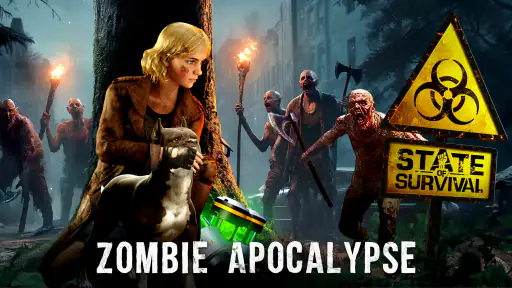
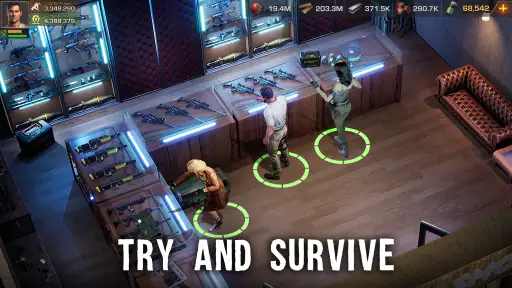
From the moment I started, the game plunged me into a world ravaged by zombies. The premise of rebuilding a civilization while fending off the undead is as intense as it sounds. You begin with a small settlement and, bit by bit, you gather resources, recruit heroes, and fortify your defenses. It’s like playing real-life chess with zombies, and I’m all in for it!
Graphics and Sound
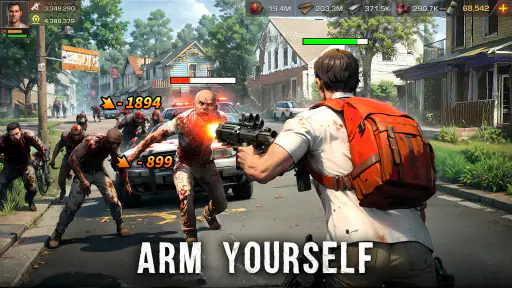
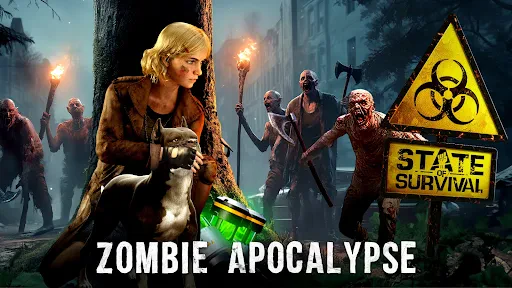
The graphics are top-notch for a mobile game. The detail in the characters and the environment makes the experience so immersive. I could almost feel the chill of the post-apocalyptic world. And the sound effects? They amp up the tension, especially when a horde of zombies approaches. It’s unnerving in the best way possible!
More From Our News Desk

Clash of Clans Is Won Between the Battles

Android Auto Makes the Case for Quieter Car Software

MobiOffice: Transforming Mobile Productivity with Seamless Integration

EA SPORTS FC™ Mobile Soccer: Redefining Mobile Sports Gaming

How Microsoft OneDrive Became a Mobile Productivity Giant

How Google Translate Breaks Language Barriers Effortlessly
Building and Strategy
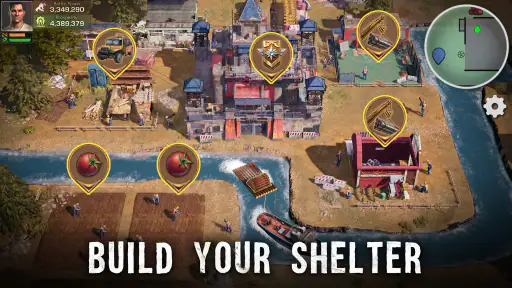
There’s a strong focus on strategy in State of Survival: Zombie War. You’ll need to balance between upgrading your base, training troops, and exploring new territories. I found myself constantly planning my next move. Should I strengthen my walls or expand my territory? Every decision counts, and that’s what keeps me coming back for more.
For everyday use, I’d save bigger decisions for a moment when I can give them proper attention, then use a brief check-in to review what I want to do next. That small habit helps keep the game from turning into aimless tapping. I also wouldn’t assume that spending is necessary to enjoy the strategic loop: it’s free to start, with optional in-app purchases ranging from $0.49 to $199.99 per item, so I’d set a personal spending boundary before any purchase prompt appears.
Multiplayer Interaction
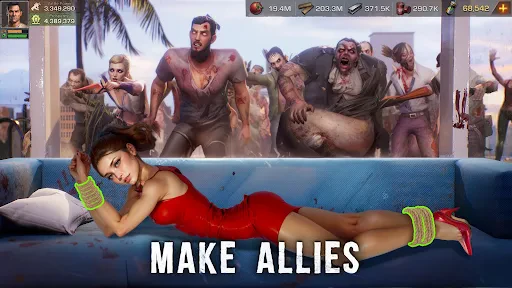
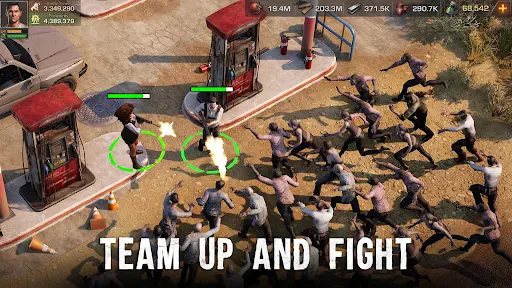
One of my favorite aspects is the alliance system. Joining forces with other players to tackle challenges and events is a blast. It’s a game of survival, and having allies makes it all the more engaging. Plus, the social aspect adds a layer of fun, as you can strategize and chat with players worldwide.
That social layer is also a commitment to consider. Before joining an alliance, I’d look for one whose pace and expectations suit my routine; coordination is more enjoyable when it doesn’t feel like another obligation. A household could talk through that choice together, but I would not treat an alliance as a substitute for direct supervision or assume that playing alongside someone makes every interaction suitable for every age.
Age, trust, and who should play
The game is rated Teen, which gives families a useful starting point for deciding whether its zombie conflict and online interaction fit their household. I’d have a straightforward conversation about how to handle messages from other players and when to ask for help, rather than relying on the age label alone. It is a strategy game from FunPlus International AG, and the online community is part of the experience, so the player’s comfort with social play matters as much as their interest in building.
It has a 4.3 average from around 2.3 million ratings and has passed 50 million installs, signs that many players have tried it, not guarantees that every household will enjoy its pace. It launched on August 26, 2019, and version 1.22.90 requires Android 5.0 or later. The Lara Croft zombie-hunting event offers an extra reason for fans of the character to take a look, while the core appeal remains the settlement-and-strategy loop.
Who will enjoy it—and who may not
I’d recommend it to someone who likes nurturing a base, making linked resource decisions, and sharing goals with an alliance. It can also work for a player who wants a game to revisit between other activities rather than finish in one sitting. I’d steer away if you dislike persistent progression, prefer solitary play, or find recurring purchase prompts distracting. Those are not small preferences here: they affect whether the central routine feels engaging or tiring.
In conclusion, State of Survival: Zombie War is more than just a game; it’s an adventure. Whether you’re a fan of strategy games or just looking for an exciting way to kill time, this game has something for everyone. Just be prepared—once you start, it’s hard to put down!
My household verdict
For shared-device use, I’d keep account decisions with one clearly agreed player and make time for others to watch or discuss plans without casually changing progress. For a family considering it, the Teen rating and online social element deserve a conversation before play begins. My overall take is that it’s a rewarding choice for patient strategy fans who enjoy cooperation, but not the best pick for a household looking for a quick, private game with a tidy finish.
Making short sessions count
A useful way to decide whether this kind of game fits your day is to separate a quick check-in from a planning session. During a short break, I’d look over the settlement and pick one clear next action, rather than trying to make every available improvement at once. When there’s more time, I’d consider how that choice affects the next steps: whether resources should go toward strengthening what is already useful or opening up a new direction. This approach makes small visits feel intentional without pretending that a persistent strategy game can be completed in a spare moment.
That distinction matters for shared-device households, too. If one person has only a minute, they can review the current plan without taking over decisions that another player has been weighing. A simple verbal handoff—“I’m saving for this, so please don’t spend those resources”—can prevent accidental changes. I would keep the routine informal and clear rather than inventing household rules around features the game may not provide. The goal is just to make the account’s progress understandable to whoever is using the device.
Choosing a plan instead of chasing every prompt
Games with a growing settlement can present many reasons to switch focus, and the temptation is to tap whichever task looks most urgent. I find it more satisfying to decide what “better prepared” means for the next stretch of play. If I care most about security, I can prioritize defensive development; if I want to broaden what the settlement can do, expansion may feel more worthwhile. The important point is not that one route is always correct, but that a choice has a reason behind it. That makes later progress easier to judge and reduces the sense that I have spent time without direction.
For a new player, I’d avoid treating early decisions as a test with one perfect answer. The game’s appeal comes partly from balancing connected priorities, so learning what each choice supports is part of the experience. If you are unsure, make one change, observe how it affects your next options, and use that knowledge to refine the plan. This is a more comfortable approach than trying to optimize everything immediately, especially when you are still deciding whether the slower, ongoing format suits you.
What the alliance adds to a household routine
Playing with other people changes the rhythm. A solo base-building game can be picked up and left according to your own schedule; an alliance makes coordination part of the attraction, but it can also make the game feel less independent. I’d think about that before committing to a group. If you enjoy shared objectives and exchanging ideas, the social layer can give your planning extra purpose. If you want a game that never asks you to consider other players, this may not be the right version of strategy for you.
In practical terms, I’d choose a time for household conversations about the game rather than letting every notification or new objective interrupt whatever else is happening. If several people are interested, they can discuss what the account should prioritize before the player responsible makes the change. That keeps cooperation friendly and gives younger players a chance to understand the reasoning without making them responsible for online commitments. It also avoids the assumption that everyone who shares a screen wants the same level of involvement.
Spending and expectations
The free starting point makes it easy to see whether the settlement loop appeals to you, but optional purchases deserve a deliberate boundary. The listed purchase range runs from $0.49 to $199.99 per item, a wide enough span that I would not make decisions on impulse. For a personal account, I’d decide in advance whether spending is off the table or whether there is a limit I’m comfortable with. In a household, I’d make sure the person using the device understands that an in-game prompt is not permission to buy something.
I also would not judge the game solely by whether a purchase is available. The more useful question is whether you enjoy the choices you can make without turning every session into a search for shortcuts. If you feel that progress is only satisfying when you pay, that is a sign to pause and reassess rather than keep chasing the next offer. Players who prefer a fixed-price game with a clearly bounded purchase decision may find a traditional premium strategy title more comfortable.
Picking it over other strategy games
Against quick tactical games, this one trades match-by-match closure for a settlement that develops over time. Against purely solitary builders, it adds the pull of alliances and other players, which can make goals feel more social but also means that the experience is not entirely private. That combination is its clearest identity: it is for someone who wants the slow satisfaction of improving a base and is willing to revisit decisions as the game continues.
If your favorite part of strategy is solving a compact board or winning a self-contained encounter, I’d choose a turn-based alternative instead. Those games usually make it easier to know when a session is finished. If you like the feeling of a world that keeps moving forward through your own choices, the longer arc here is a better match. Neither style is automatically deeper; the right choice depends on whether you want a defined challenge now or a project to return to.
Who should pass, and who should give it a try
I’d put this on the shortlist for patient players who enjoy linking resource decisions to settlement growth, and for friends or household members who like talking through strategy without needing to control the same account. Lara Croft fans also have a specific reason to be curious because the game includes a zombie-hunting event featuring her. I would not install it expecting that event to change the central format, though: the continuing base-and-strategy routine remains the main reason to stay.
I’d pass if you want a fully self-contained story, dislike online interaction, or prefer to play without returning to a persistent project. It may also be a poor fit when a device is shared but nobody agrees who should make lasting choices. The simplest test is whether you enjoy planning what to improve next even when there is no neat finish line at the end of a session. If that sounds like work rather than fun, another style of game will probably serve you better.
My household verdict
For shared-device use, I’d keep account decisions with one clearly agreed player and make time for others to watch or discuss plans without casually changing progress. For a family considering it, the Teen rating and online social element deserve a conversation before play begins. My overall take is that it’s a rewarding choice for patient strategy fans who enjoy cooperation, but not the best pick for a household looking for a quick, private game with a tidy finish.
State of Survival: Zombie War Frequently Asked Questions
How much storage space and mobile data should I expect the game to use?
State of Survival: Zombie War is a strategy game with settlement management, battles, and ongoing events, so downloading and playing may involve more than the initial installation. Make sure you have enough free space before installing, and consider using Wi-Fi for downloads and updates if you want to limit mobile data use. Actual storage and data use can vary by device and game updates.
Does State of Survival: Zombie War require an internet connection?
State of Survival: Zombie War includes multiplayer features such as alliances and competition with other players, which are intended for connected play. If you are considering it for travel or places with unreliable service, plan on needing an internet connection to use those social and online features. The game’s core appeal combines settlement strategy and zombie survival with interaction beyond a single-player experience.
Who developed State of Survival: Zombie War, and when was it released?
State of Survival: Zombie War was developed by FunPlus International AG and released on August 26, 2019. It is a strategy game built around surviving a zombie-filled setting, managing a settlement, and interacting with other players. Its ongoing events and evolving in-game content give returning players reasons to check back, while new players can begin with the main survival experience.
Is State of Survival: Zombie War suitable for younger players?
The game has a Teen content rating and centers on survival in a world threatened by zombies, so its subject matter may be intense for younger children. Parents should consider whether zombie-themed battles and the game’s strategic conflict are appropriate for their child. It is a free-to-play game, and in-app purchases are also available.
Does State of Survival: Zombie War include a crossover or special character?
The game’s store summary highlights a zombie-hunting adventure with Lara Croft and the chance to earn exclusive rewards. This gives players an additional themed element alongside the settlement-building and survival focus. If that crossover is part of what interests you, check the game’s current in-game events after installing, since event content can change over time.
Pros
- Immersive storyline with engaging missions.
- Rich graphics enhance gameplay experience.
- Co-op multiplayer mode for strategic play.
- Regular updates keep content fresh.
- Diverse heroes with unique abilities.
Cons
- In-app purchases can be expensive.
- Some missions feel repetitive.
- Requires constant internet connection.
- Limited energy restricts playtime.
- High device storage requirement.
- Category
- Strategy
- Version
- 1.22.90