Tidy X
- 804.00
- 4.6
- Installs
- 1.00M
- Price
- Free

Screenshots

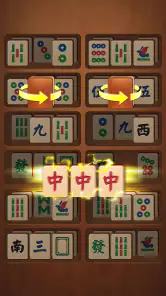


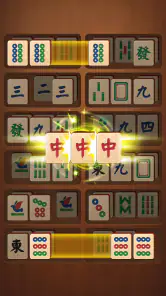

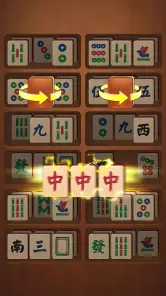
Analysis by Reviewed
Some puzzle games keep me busy by piling on timers, complicated rules, or a constant stream of new challenges. Tidy X takes a quieter route: its central appeal is the act of matching and sorting tiles until the board feels orderly. That simple focus makes it easy to pick up when I want a small mental reset, though it also means the game is best for players who enjoy calm, familiar puzzle rhythms rather than dramatic twists.
As a free board game from Heartsnet, Tidy X is aimed at a broad audience, with an Everyone age rating. It has a 4.6 average from around 20,000 ratings, and more than a million installs. Those figures suggest that its straightforward premise has found an audience, but they do not tell you whether its particular pace suits you. The useful question is whether arranging and matching tiles is the kind of low-pressure task you like returning to.
Why the tile-sorting idea works
A small puzzle built around visual order
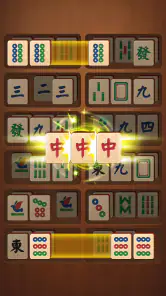
The strongest idea in Tidy X is also its clearest one: tile matching and sorting provide the structure for a tidy-up puzzle. Rather than asking me to learn a large rule set before I can start, the game’s premise is immediately legible. I can focus on looking at the board, spotting useful relationships between tiles, and making choices that move the puzzle toward a more organized state.
Articles Related to Tidy X
That visual emphasis changes the feel of the challenge. The appeal is not only finding a match; it is watching a scattered arrangement become more manageable. When I want a game that occupies my attention without asking me to follow a story or master a complicated strategy system, that kind of focused task can be satisfying. The pleasure comes from making progress I can see, one decision at a time.
It is worth setting expectations, though. A simple central mechanic can be relaxing, but it may not provide the variety that someone expects from a deeper board game. If you enjoy learning new systems, planning several turns ahead, or competing with other people, a more strategic or social alternative may hold your attention longer. Tidy X makes most sense as a compact puzzle activity, not as a substitute for every kind of board game.
How I would approach a board
With a sorting puzzle, it is tempting to grab the first obvious match and move on. I find it more useful to take a moment to scan the available tiles before acting. That quick pause helps me notice whether a match is likely to simplify the board or merely clear an easy pair while leaving a less convenient arrangement behind. The difference is small, but it makes the activity feel more considered than simple tapping.
A practical habit is to look for the area that seems most crowded or awkward first. If a move can make that part easier to read, it may be more valuable than an immediately satisfying match elsewhere. I would not treat every board as a serious planning exercise; the point is to keep the game relaxing. Still, a little attention to the whole layout can make each decision feel purposeful and can help avoid playing on autopilot.
You May Like

How Microsoft OneDrive Became a Mobile Productivity Giant

How Google Translate Breaks Language Barriers Effortlessly

Why Google Sheets Is the Ultimate Mobile Productivity Tool

Unveiling the Dynamic World of My Talking Tom Friends

Free Fire MAX: Dominating the Battle Royale Arena

Free Fire: Winterlands – The Ultimate Winter Gaming Adventure
Another useful approach is to use short sessions for different moods. When I have only a brief break, I can treat a puzzle as a small diversion and stop once I have had enough. When I have more time, I can slow down and pay attention to how one move changes the remaining choices. That flexibility is a natural fit for a tile-based game, although players who need a strong sense of progression or a clear long-term goal may prefer a title built around those elements.
Where it fits into an ordinary day
The most convincing everyday use is a quiet pause between tasks. Imagine waiting for a kettle, sitting down after finishing a piece of work, or taking a few minutes before moving on to an errand. In those moments, a board that asks me to inspect and arrange tiles can give my attention somewhere to land without turning a short break into a big commitment. It is particularly suitable when I want to do something more active than scrolling, but do not have the energy for a demanding game.
I would also consider it for someone who likes visual puzzles but does not want to start with a lengthy tutorial or a complicated set of instructions. Its basic premise is easy to explain: match and sort tiles. That does not guarantee that every stage will feel effortless, but it makes the concept approachable. A parent looking for an age-inclusive puzzle to introduce casually may appreciate the Everyone rating, while still choosing to supervise play according to their household’s preferences.
For a commute or other situation where I might be interrupted, the simple puzzle format is appealing in principle: it is easier to return to a visual task than to reconstruct a plot or a long chain of tactical decisions. I would still avoid assuming that every session can be paused in a particular way, since the experience can depend on the device and the current game state. The broader point is that the game’s low-complexity premise is better suited to spare moments than a puzzle requiring sustained concentration.
The trade-offs behind a calming loop
Relaxed does not mean endlessly engaging. Tile matching and sorting are familiar ideas, so the game’s main strength can also become its limitation. If you quickly tire of repeating a recognizable puzzle pattern, Tidy X may feel too narrow. It is a better fit for someone who enjoys returning to a clear task than for someone who expects each session to introduce a very different kind of challenge.
There is also a difference between a tidy-looking concept and a puzzle that always feels fair or satisfying. A move that seems obvious at first may not be the move that best helps the board, and a player who dislikes reconsidering choices may find that frustrating. I recommend taking a beat to inspect the layout rather than rushing through every apparent match. That small change makes the puzzle more thoughtful, but it will not turn a straightforward tile game into a deep strategy experience.
The game is free to download, with optional in-app purchases ranging from $1.99 to $9.99 per item. I would decide whether to spend based on what I actually want from the game, rather than treating a purchase as necessary to enjoy the basic idea. If you prefer a fully predictable, no-extra-spending experience, check the purchase options on your device before settling in. The existence of optional items is a real consideration, especially for families sharing a device.
It is also sensible to match the game to your preferred kind of challenge. Compared with a competitive board game, the appeal here is the private, visual task of organizing tiles; it is not the best choice if the point of play for you is bluffing, negotiation, or outsmarting another person. Compared with a more elaborate logic puzzle, it offers a simpler entry point, but may not satisfy someone seeking complex rules or extended planning. Choosing it for what it is helps avoid expecting the wrong kind of entertainment.
Who is likely to get the most from it
I would recommend Tidy X to people who enjoy modest, visual puzzles and like the feeling of making a cluttered arrangement clearer. It may work especially well as a brief, low-pressure activity for someone who wants to focus on one small problem at a time. The game’s board-game framing gives the tile task a familiar shape, while its core idea remains approachable enough for casual play.
I would be more cautious about recommending it to players who need a narrative, frequent surprises, multiplayer interaction, or a strong competitive goal to stay interested. Those preferences are not flaws in the game; they simply point toward different alternatives. If you want a game night activity, choose something designed for shared play. If you want a substantial strategic challenge, look for a board game with more layers of planning. Tidy X is at its best when the goal is a calm puzzle, not a full evening’s entertainment.
For anyone trying it, my practical advice is to begin with the board itself: scan before moving, favor choices that make the layout easier to read, and keep sessions short if the repetition starts to show. That lets the sorting mechanic do what it does best without demanding more from it than it offers. Heartsnet’s current version is 1.7.2, and the minimum operating-system requirement is Android 7.0, which is useful to check before installing on an older device.
A gentle recommendation with clear expectations
Overall, I see Tidy X as a pleasant option for a specific mood: when I want a compact tile puzzle that gives me a visible task and does not require a major commitment. Its matching-and-sorting focus is easy to understand, and that clarity is the reason I would reach for it during a quiet break. The trade-off is that the same focused loop may feel repetitive to players who want a broader range of systems or more social play.
If that distinction sounds appealing, it is worth trying as a free game and deciding whether its pace suits you. I would not recommend it as an all-purpose board-game replacement, but I would happily point a friend toward it if they enjoy organizing visual puzzles and want something approachable. The best reason to keep it installed is simple: when a few minutes of calm, deliberate tile work sounds better than a more demanding game, this is the sort of puzzle that can fit the moment.
Choosing the right moment to play
I find this kind of puzzle most useful when I need a clear stopping point. For example, if I am waiting for an appointment and have a little time but cannot settle into a longer game, I can treat one board as a contained activity. I would avoid opening it when I need to stay alert to frequent interruptions or when I am trying to fill a whole evening; the appeal is a focused pause, not a deep commitment.
One small way to keep the experience fresh is to change what I pay attention to from session to session. Sometimes I can prioritize clearing the most visually awkward area; other times I can simply look for the move that leaves the board easiest to understand. This gives the same basic mechanic a slightly different mental emphasis without pretending that the game has a broader set of modes or rules.
What to expect before installing
The practical decision is less about whether tile puzzles are generally enjoyable and more about whether this particular kind of tidy, measured play matches your habits. If you reach for a game to unwind, focus briefly, and then put your phone away, the premise makes sense. If you want progression systems, changing objectives, or a strong reason to return every day, I would choose a different board or logic game rather than hoping this one will provide those things.
The current release is version 1.7.2, and the game requires Android 7.0 or later on Android devices. I would check that requirement before installing on an older phone or tablet. Its free entry point makes it easy to sample the core idea, while the optional purchases are worth considering before handing a shared device to a child. That is a more useful expectation than assuming every part of a free game will necessarily be free.
A calm puzzle, not an all-purpose game
My recommendation remains deliberately specific: try Tidy X if the act of sorting tiles sounds satisfying in itself, and skip it if you need variety, competition, or a richer strategic layer. Its modest scope is both its appeal and its boundary. For the right player, a short stretch of visual tidying can be enough; for someone looking for a game with a broader arc, it is better to choose an alternative designed around that goal.
Tidy X Frequently Asked Questions
What is Tidy X, and what can I use it for?
Tidy X is the name of an app, but its exact purpose and features may vary depending on the version and the developer. Before downloading, check the app-store description and screenshots to confirm whether it matches what you need. Look for details about its main tools, supported devices, and any account requirements, as well as recent user reviews that can help clarify how it works in practice.
Is Tidy X free to download and use?
Check the current Google Play or Apple App Store listing for Tidy X before installing, because pricing and included features can change by platform or region. An app may be free to download while offering optional subscriptions, in-app purchases, or paid features. Review the price information and subscription terms carefully, and confirm how to cancel a recurring plan if you decide it is not right for you.
Is Tidy X safe, and what information might it collect?
No app can be judged safe from its name alone. Before installing Tidy X, review the developer information, store privacy disclosures, and requested permissions. Consider whether each permission is necessary for the features you intend to use, and avoid providing sensitive details unless there is a clear reason. Download only from an official app store, keep the app updated, and consult the developer’s privacy policy for information about data collection and sharing.
Which devices and operating systems are compatible with Tidy X?
Compatibility depends on the current release, so check the Tidy X listing in the store for its minimum Android or iOS version and device requirements. The app may not be available in every country or work equally well on every phone or tablet. If you are close to the listed system-version limit, make sure your device has enough free storage and install available operating-system updates before downloading.
What should I do if Tidy X does not work as expected?
If Tidy X crashes, will not open, or behaves differently than expected, first check your internet connection and install any available app or system updates. Restarting the device can also resolve temporary problems. If the issue continues, consult the app-store listing for support details and contact the developer with your device model, operating-system version, and a clear description of the problem. Avoid sharing passwords or other sensitive information in a support request.
Pros
- Quickly sort files into categories with a simple swipe-based workflow.
- Review suggested matches before moving files
- helping prevent accidental changes.
- Useful for clearing out duplicate and similar photos.
- A clear interface makes the main cleanup tools easy to find.
- Can help free up storage without manually checking every file.
Cons
- Some cleanup suggestions may need careful review to avoid removing wanted files.
- Results depend on granting access to your photos and files.
- Large libraries may take time to scan and organize.
- Automatic categorization may not always match your preferences.
- Some features or usage limits may depend on a paid plan.

- Category
- Board
- Version
- 1.7.2