Singing Monsters: Dawn of Fire
- 30.51K
- 4.7
- Installs
- 10.00M
- Price
- Free

Screenshots
Analysis by Reviewed
I tend to enjoy music games most when they give me something to shape, not just a song to replay, and that is the decision point with Singing Monsters: Dawn of Fire. This free music game from Big Blue Bubble Inc turns a cast of odd little performers into a growing, player-built orchestra. It is rated for Everyone, so its playful presentation is easy to share, but the steady cycle of nurturing and expanding is best suited to someone who likes gradual progress rather than instant musical challenges.
Choose it for a world that develops over time
The appeal is less about testing rhythm against a timer and more about watching a musical world take shape. If you want a quick session where you tap along to familiar tracks, a conventional rhythm game is probably a better fit. Here, the reward comes from discovering how creatures sound together and deciding what to work toward next. I would recommend it to curious players who like collection, light planning, and a soundtrack that changes as their island grows.
A realistic way to play is to check in during a spare moment, choose one useful next step, then leave the world to develop until you return. I find that mindset more satisfying than trying to rush through every goal in one sitting. It also makes the game a reasonable companion for short breaks: you can enjoy the creatures and their music without needing every session to become a long planning exercise.
What to consider before settling in
The main trade-off is that progression asks for patience. Breeding, crafting, and building form a connected routine, so players who dislike resource management may find the charming presentation cannot make every wait or decision feel exciting. The game is free to start, but in-app purchases range from $0.99 to $99.99 per item. I would treat spending as optional and decide on a personal limit before buying anything, especially if the appeal is simply to relax with the music.
It is also worth thinking about what kind of music experience you want. Compared with a standard rhythm title, this one gives more attention to collecting and arranging than to precise timing. Compared with a purely decorative island builder, the monsters’ musical contributions give the setting a clear purpose. That middle ground is its strength, though it may not satisfy someone seeking either demanding rhythm gameplay or an open-ended design tool.
Make progress without turning play into a chore
One useful way to decide whether the routine suits you is to notice what you enjoy during a session. If you mainly want to hear how the island sounds after adding a creature, the ongoing tasks can feel like a route toward a musical payoff. If you mainly want to clear a long list of objectives, the same tasks may start to feel like housekeeping. I try to let curiosity lead: choose something because I want to hear or see what changes, rather than because I feel obliged to finish every available task.
That approach is especially helpful when playing in short bursts. Before closing the game, I would leave myself with one clear intention for next time: check on a developing goal, decide what to build, or listen to the current arrangement with fresh ears. It reduces the small re-entry cost of remembering what I was doing. It also makes an ordinary pause—waiting for a meal, taking a breather between chores, or winding down before bed—feel like a complete visit rather than an interrupted marathon.
More From Our News Desk

Clash of Clans Is Won Between the Battles

Android Auto Makes the Case for Quieter Car Software

MobiOffice: Transforming Mobile Productivity with Seamless Integration

EA SPORTS FC™ Mobile Soccer: Redefining Mobile Sports Gaming

How Microsoft OneDrive Became a Mobile Productivity Giant

How Google Translate Breaks Language Barriers Effortlessly
For younger players or families, the Everyone rating makes the presentation approachable, but I would still treat purchases as an adult decision. A child can enjoy the creatures and music without needing to spend, while a parent can set expectations before handing over a device. The larger point is that a free starting point does not mean every optional purchase is equally casual; keeping spending separate from the fun helps the game remain a low-pressure pastime.
Unleashing the Melodic Magic
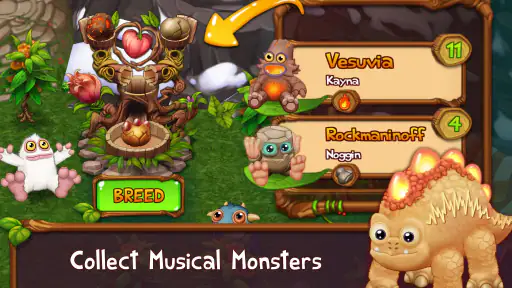
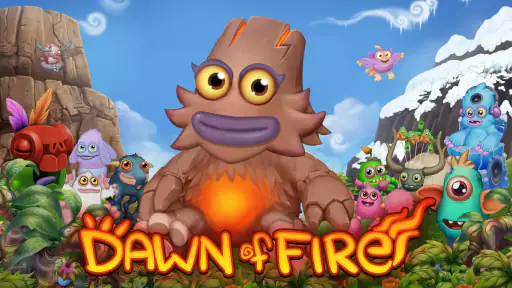
From the moment I launched the game, I was instantly captivated by the vibrant graphics and engaging soundtrack. Singing Monsters: Dawn of Fire manages to build on its predecessor's charm while introducing a fresh perspective to the series. The aim of the game is simple yet addictive: breed your monsters, listen to them sing, and expand your monster orchestra. But trust me, it’s not as easy as it sounds—there’s a delightful complexity hidden beneath the surface.
Monsters with a Melodious Twist
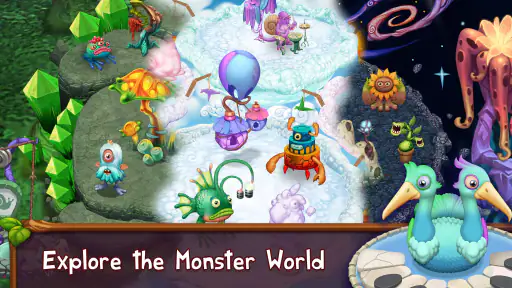
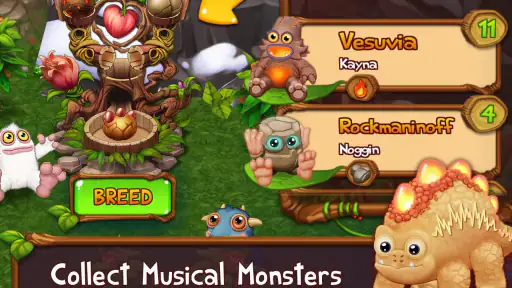
The real charm of this game lies in its monsters. Picture a world where each monster has its own unique musical talent, from toe-tapping melodies to deep bass accompaniments. I found myself eagerly waiting to unlock new monsters, each bringing a distinct musical note to my ever-growing symphony. The game offers a vast array of creatures to discover, ensuring that there’s always something new to look forward to.
And let’s not forget about the baby monsters! Watching them grow up and develop their musical skills was oddly satisfying. It's like having a front-row seat to a never-ending concert, with each monster adding its own flair to the performance. The attention to detail in their animations and sounds is truly impressive, making the experience all the more immersive.
Building and Expanding Your World
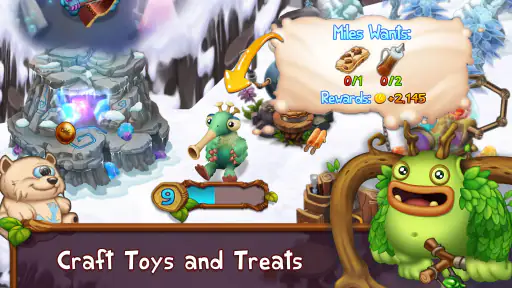
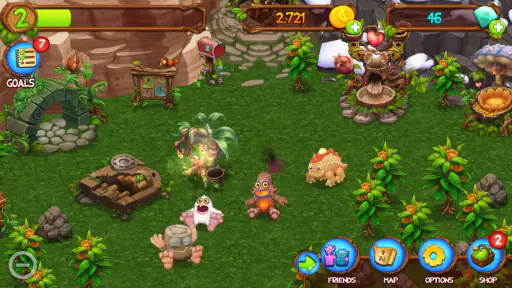
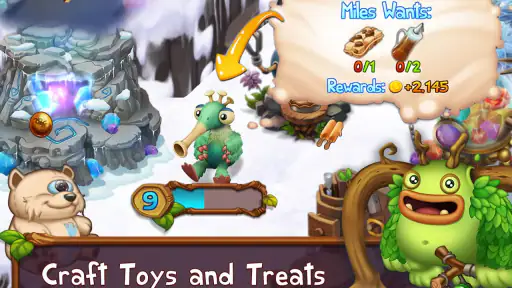
As you progress, you’ll be tasked with constructing various buildings and crafting items to keep your monsters happy and thriving. This aspect of the game requires strategic planning, as each building serves a specific purpose in nurturing your musical monsters. The resource management aspect adds depth to the gameplay, keeping you engaged as you balance between breeding, crafting, and expanding your monster world.
To make that planning less haphazard, I would treat each return to the game as a small decision rather than a checklist. Pick a current goal—such as developing a monster or working toward a building—and let that guide what you do with your resources. This keeps the crafting loop understandable and helps avoid scattering effort across several projects without a clear payoff. If you prefer to improvise, that is fine too, but a single priority can make gradual progress feel more visible.
A small but important trade-off is that building and crafting ask you to think about the world as a system, not just as a stage. When several ambitions compete for attention, it can be tempting to spend resources wherever a prompt appears. I get more satisfaction by pausing for a moment and asking which choice will make my next visit more interesting. That might mean prioritizing a goal connected to a creature I am curious about, rather than spreading effort evenly across every possibility. It is not a complicated strategy, but it makes the game feel more intentional.
Additionally, the game encourages creativity by allowing players to design their own island layouts. I spent countless hours arranging decorations and optimizing the layout to ensure the best acoustics for my monster orchestra. It’s these small touches that make the game so enjoyable, giving players the freedom to express their creativity while maintaining a sense of progression.
Sharing the experience at your own pace
Seeing another player’s island can be useful as inspiration, not just as a social extra. I would visit when I wanted fresh ideas for arranging a space or simply wanted to hear how a different collection of monsters comes together. That makes the community element relevant even if you are not the sort of player who wants to coordinate constantly with friends; you can enjoy the creative side without turning the game into a social obligation.
For me, looking at another island works best as a prompt, not a blueprint. It can help break a decorating rut, but copying someone else’s layout wholesale risks losing the personal touch that makes arranging enjoyable. I would borrow one idea at a time—perhaps a way of grouping decorations or making a musical mix feel visually coherent—then adapt it to the creatures and space I have. That keeps community browsing light and useful rather than turning comparison into another target to chase.
Before starting, it is fair to ask whether a long-running collection game suits your habits. The game has been available since September 25, 2015, and its current version is 3.3.3; it requires Android 6.0 or later. Its 4.7 average comes from around 195,000 ratings, and it has passed 10 million installs. Those figures suggest a broad audience, but they do not change the basic fit: the strongest reason to stay is enjoying the sound and the gradual world-building, not chasing a quick finish.
A community of Music Lovers
One of the game’s standout features is its vibrant community. You can connect with friends, visit their islands, and even trade resources. It’s heartwarming to be part of a community of fellow music enthusiasts, all working towards creating the perfect monster symphony. This social aspect adds a layer of camaraderie, making the game feel like a shared journey rather than a solo endeavor.
The social side is a bonus rather than a requirement for the core appeal I describe. If you enjoy sharing a hobby, the possibility of visiting friends’ islands and trading resources gives you a reason to compare progress and swap ideas. If you prefer to keep games private, the central pleasures—watching creatures develop, shaping the island, and listening to the ensemble—still make sense on their own. I would not start solely because friends play, though: the slower collection loop needs to appeal to you personally for the game to hold attention once the novelty wears off.
Who will enjoy the long view
I would put this game in front of someone who likes to revisit a world and notice small changes: a new voice in the mix, a creature that has grown, or a layout that feels more like their own. It is a particularly good fit for players who enjoy several kinds of play in one package, with collecting, light resource decisions, decoration, and music all connected. The audio gives those activities a distinct identity, so progress is not only about seeing a bar fill or an item appear.
It is less suited to a player who wants a tightly scored challenge with clear rounds and immediate feedback. A dedicated rhythm game will usually be the more satisfying choice when the goal is to test timing, chase a personal best, or play one song from start to finish. Likewise, someone who wants an unrestricted creative sandbox may prefer a building-focused game with fewer progression chores. The appeal here depends on liking the blend, not on expecting it to replace either specialist category.
There is also a difference between “relaxing” and “effortless.” The whimsical art and playful singing make the mood friendly, but the linked progression systems still ask for attention. I would not choose it when I need a completely hands-off soundtrack or a game that wraps up neatly in a few minutes. I would choose it when I want a gentle, ongoing project and am happy for a session to be about one small decision rather than a dramatic win.
A practical way to judge the fit
If you are unsure, I would judge the early experience by three questions. Do you enjoy the sound of the creatures enough to want to hear a fuller arrangement? Does deciding what to develop next feel satisfying rather than burdensome? And do you like the idea of returning to the same island over time? If the answer is yes to most of these, its gradual structure is likely a strength. If the music is only a background detail and you mainly want quick action, the game’s distinctive loop may not be enough to keep you engaged.
That test is more useful than trying to predict how long you will play. Collection games can feel absorbing at first and then settle into a slower routine; here, the musical character gives that routine a particular payoff, but it does not remove the need for patience. I would also avoid treating every possible goal as equally urgent. Choosing what you personally want to hear or build makes the island feel like a project you own, rather than a queue of tasks set by the game.
My recommendation is to try it if you like expressive collections and don’t mind returning to a project over time. It is less convincing for someone who wants a self-contained musical performance, a fast-paced score chase, or a building game without resource routines. With around 31,000 written reviews, it clearly has plenty of players willing to share their impressions, but I would still judge it by whether the creature sounds and the slow rhythm of progress appeal to you. For me, that unusual combination is the reason it stands apart.
To sum it up, Singing Monsters: Dawn of Fire is a delightful blend of music, strategy, and creativity. Whether you're a fan of the original game or a newcomer to the series, you're bound to be charmed by its whimsical world and captivating melodies. So, why not give it a try? Who knows, you might just discover your inner maestro.
My recommendation in everyday terms
I would install it when I want a cheerful world to dip into, not when I am looking for a complete concert or a demanding music test. The best everyday use is a relaxed check-in: decide on a single breeding, crafting, or decorating priority, enjoy what the island sounds like, and stop when the visit feels complete. That gives the game room to be charming without letting its progression become a second job.
As a free game with optional purchases, it is easy to sample, but I would go in with the right expectations. The strongest reason to stay is not a promise of constant novelty; it is the pleasure of gradually shaping an odd, personal ensemble. If that idea makes you curious, the game has a clear identity that many music and building alternatives do not share. If you want instant challenge, unrestricted construction, or no resource routine, choosing a more focused alternative is likely to leave you happier.
Singing Monsters: Dawn of Fire Frequently Asked Questions
Is Singing Monsters: Dawn of Fire suitable for a casual player?
Yes. Singing Monsters: Dawn of Fire is built around collecting and nurturing musical monsters, so it can appeal to players who enjoy making progress at their own pace and shaping a playful world. Its music-focused approach gives the game a creative feel, while its cast of quirky creatures provides plenty to discover. It is a good fit if you want a lighthearted game rather than a competitive experience.
Who developed Singing Monsters: Dawn of Fire?
Singing Monsters: Dawn of Fire was developed by Big Blue Bubble Inc. The game is part of the My Singing Monsters world and centers on exploring the Monster World with a cast of unusual creatures. If you already enjoy the series’ character-driven music and collecting, Dawn of Fire offers another way to spend time with its monsters and their distinctive sounds.
What kind of game is Singing Monsters: Dawn of Fire?
Singing Monsters: Dawn of Fire is a music game developed by Big Blue Bubble Inc. It invites players to master a cast of quirky My Singing Monsters and explore the Monster World. Its playful mix of monster collecting and musical creativity makes it a distinctive choice for players who enjoy building a world around sound and character.
What devices can run Singing Monsters: Dawn of Fire?
Singing Monsters: Dawn of Fire is available on Android and iOS, so it can be played on compatible phones and tablets using either platform. The Android version requires Android 6.0 or later. Before downloading, check that your device meets the system requirement and has enough available space for the game and any updates.
What is Singing Monsters: Dawn of Fire?
Singing Monsters: Dawn of Fire is a delightful prequel to the popular game My Singing Monsters. In this game, players can raise and breed adorable monsters, each with their own unique musical talents. As you nurture these creatures, they contribute their melodies to create harmonious tunes, offering an engaging and creative gaming experience for music lovers.
Pros
- Engaging and colorful graphics.
- Diverse range of monsters to collect.
- Creative island building feature.
- Regular updates with new content.
- Simple and intuitive gameplay.
Cons
- In-app purchases can be expensive.
- Requires constant internet connection.
- Progression can feel slow at times.
- Limited resources without spending money.
- Occasional bugs and crashes.

- Category
- Music
- Version
- 3.3.3