Whiteout Survival
- 28.63K
- 4.3
- Installs
- 50.00M
- Price
- Free

Screenshots
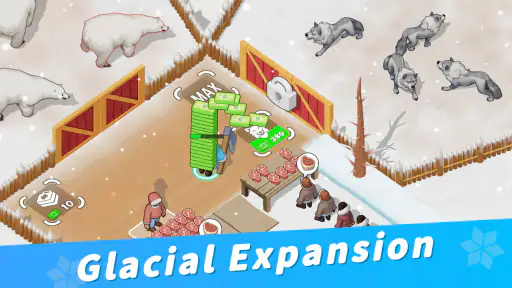

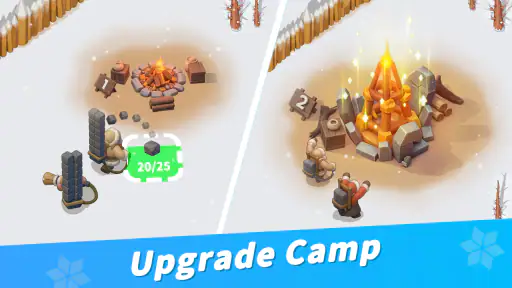
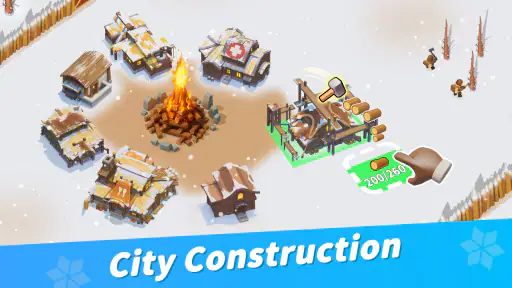
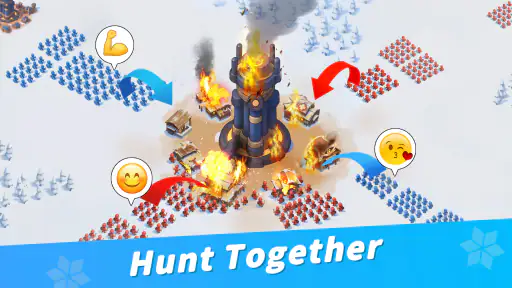
Analysis by Reviewed
I went into Whiteout Survival expecting a strategy game built around a frozen setting, and that is the right starting point: you manage a settlement under pressure, make choices about limited resources, and gradually work toward stability. It is less about twitch reactions than deciding what needs attention now and what can wait. I found that rhythm appealing, especially in short visits where I could check progress, make a few useful choices, and leave with a clearer plan.
What to expect from the frozen setting
The game is a strategy title from Century Games PTE. LTD., free to download and rated Everyone 10+. It has a 4.3 average from around 1.2 million ratings, and it has passed 50 million installs. Those figures suggest a broad audience, but the more useful thing to know is the style: this is a settlement-management game with survival framing, not a hands-on wilderness simulator where every moment is about controlling a character directly.
That distinction matters if you are choosing between it and a conventional strategy game. The cold gives the decisions a clear theme, while the idle elements make progress feel less dependent on sitting through one long session. If you enjoy checking a base, improving it, and returning later to see what needs doing, the structure makes sense. If you want a compact campaign that reaches a definite ending, or constant action without waiting, a different kind of strategy game may suit you better.
Survival of the Fittest
When I first launched Whiteout Survival, I was immediately struck by the immersive environment. The premise is simple yet gripping: you’re in the middle of a frozen wasteland and your primary goal is to survive the harsh conditions. Trust me, it’s not as easy as it sounds. The game does a fantastic job of simulating the challenges that come with extreme weather, and you have to be smart about how you manage resources and craft tools.
First setup and a sensible opening routine
For a first-time player, I would treat the opening as a guided tour rather than trying to optimize everything at once. Follow the tasks the game puts in front of you, check what each asks you to spend, and avoid scattering attention across upgrades just because they are available. That simple habit makes the early decisions easier to understand: you can see which action helps the settlement’s immediate needs and which one is a longer-term investment.
A practical first-session routine is to collect what is ready, review the current objective, complete the next useful task, then check whether any new requirement changes your priorities. I would not spend money just to make the opening feel faster. The game is free, but it offers in-app purchases ranging from $0.99 to $99.99 per item, so it is worth deciding your own spending limit before a tempting shortcut appears. You can make progress without treating every delay as a problem to pay away.
Gameplay and Mechanics
The gameplay is intuitive, making it easy for newcomers to jump right in, but seasoned gamers will find plenty of depth to keep them engaged. You’ve got to gather resources, build shelters, and fend off wild animals. Every decision matters and could mean the difference between life and death. Oh, and did I mention the game has a dynamic weather system? One moment you’re basking in the (relatively) calm snowfall, and the next, you’re caught in a blizzard that could wipe out your entire camp.
More From Our News Desk

Clash of Clans Is Won Between the Battles

Android Auto Makes the Case for Quieter Car Software

MobiOffice: Transforming Mobile Productivity with Seamless Integration

EA SPORTS FC™ Mobile Soccer: Redefining Mobile Sports Gaming

How Microsoft OneDrive Became a Mobile Productivity Giant

How Google Translate Breaks Language Barriers Effortlessly
My first meaningful success in a game like this is not a dramatic victory; it is getting a small chain of decisions to work together. I finish the current task, use the reward where it addresses a visible need, and make sure I understand what the next bottleneck is before spending again. That is more satisfying than tapping through every available option. If a goal looks unclear, opening its requirement and tracing the missing resource back to the relevant activity is a better move than guessing at upgrades.
Making progress around an ordinary day
The idle structure is most useful when it fits around your schedule. I can imagine checking in before work or class, making a couple of decisions, then returning during a break to see what is ready and what the settlement needs next. That makes it easier to enjoy than a game that demands an uninterrupted evening, although it still rewards regular attention. If you only want to play once in a while, expect slower momentum and more catching up when you return.
One small but useful discipline is to avoid opening the game without a purpose when you are short on time. Pick one task to finish, review the next requirement, and stop there. That keeps a quick check from turning into aimless tapping, and it helps you notice whether you are actually advancing or just moving resources between goals. I also recommend pausing before spending premium currency or making a large commitment: first check whether the same objective can be handled by waiting or choosing a different task.
Visuals and Sound
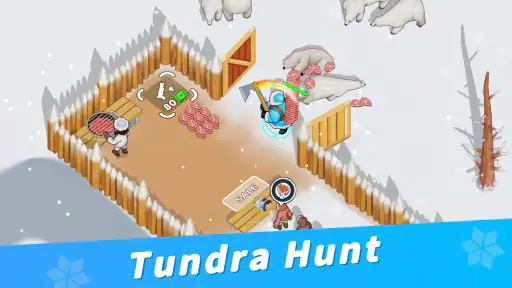
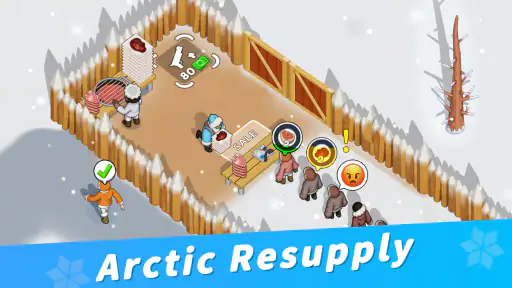
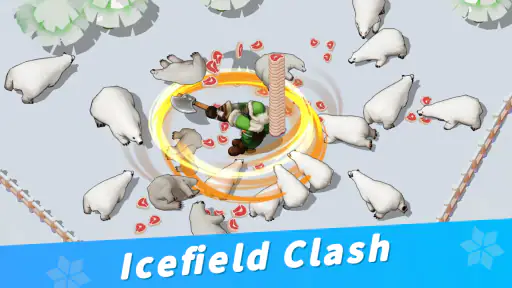
Visually, the game is striking. The developers have done an incredible job of capturing the bleak beauty of a frozen world. The graphics are sharp, and the attention to detail is commendable. The sound design, too, is on point. The howling winds and crunching snow underfoot add a layer of realism that draws you deeper into the experience.
Where the pacing can test your patience
The trade-off is that settlement progress can feel measured rather than dramatic. Some players will enjoy having several small priorities to juggle; others may find that the rhythm of checking, waiting, and returning feels repetitive. It is also easy to mistake activity for progress, especially when there are multiple tasks competing for attention. I get more out of it when I choose a clear next objective instead of trying to improve everything at once.
Compared with a puzzle strategy game, this asks for more ongoing management and patience; compared with a fast tactical game, it offers less immediate action. That is not a flaw for the right player, but it is a meaningful distinction. If you prefer self-contained levels or a game that can be fully enjoyed offline in short bursts, I would look elsewhere. If you like watching a base develop through repeated, connected choices, the gradual pace is part of the appeal.
Challenges and Progression
Now, let's talk about progression. The game doesn’t hold your hand, and that’s a good thing! You start with minimal resources, and it’s up to you to explore and expand your territory. There’s a real sense of accomplishment when you manage to upgrade your shelter or craft a new tool, and the game rewards strategic thinking and careful planning.
Who will get the most from it
I would recommend it to players who like a visible home base, a survival theme, and decisions that build on one another over time. It can also work well for someone new to strategy games because the immediate goals give you something concrete to do before you understand the broader planning. The key is being comfortable with gradual progress instead of expecting every session to deliver a major breakthrough.
I would skip it if you dislike timers, resource planning, or games that encourage frequent check-ins. It is also not my pick when I want a story-led adventure with a tightly directed ending. The age rating is Everyone 10+, and the game is free to start, but the optional purchases mean families may want to set expectations about spending before handing over a device. Those are practical considerations, not reasons to assume the game is unsuitable for everyone.
Moving from the first win to a longer plan
Once the opening tasks feel familiar, I would shift from asking “What can I upgrade?” to “What is currently holding me back?” That question helps avoid waste: if one resource or requirement is blocking the next useful step, focus there rather than spreading effort across unrelated improvements. It also gives each return visit a purpose. When you have a little more time, review the broader goals and decide which one is worth working toward next; on a rushed day, stick to a single immediate need.
The game’s scale and its 29,000 reviews point to a well-established audience, but popularity alone cannot tell you whether its pace suits you. I would judge it by how you feel after a few sessions: are you curious about the next settlement decision, or checking in out of obligation? That is a better test than pushing through simply because you have already invested time. Its minimum operating-system requirement is Android 7.0, which is useful to check before downloading on an older device.
For a realistic first day, I would fit it around an existing pause rather than planning a long session. Open it when you have a few quiet minutes, deal with one clearly stated need, and note the next requirement before closing. Later, check whether the settlement has moved forward and whether that next step still matters. This is a better way to judge the game’s fit than trying to complete everything at once: you learn whether its return-and-review rhythm feels satisfying or like another chore in your day.
Choosing a pace that suits you
One useful trade-off is between breadth and focus. It can be tempting to treat every available task as equally urgent, but a crowded to-do list makes the settlement harder to read. I would keep a simple mental priority: immediate survival or a current objective first, then the requirement that unlocks the next useful improvement. If neither is pressing, collect what is ready and leave. This does not make progress instant, but it helps each visit feel deliberate.
Compared with city builders that emphasize free-form layout, this experience is more about reacting to needs and following connected goals than spending a session perfecting a town’s appearance. Compared with survival games centered on direct exploration and moment-to-moment control, its appeal is more managerial. That makes it a better fit for someone who enjoys planning from a settlement screen than for someone who wants to wander through a world and discover the next challenge firsthand.
When to keep going—and when to step away
If you are unsure whether to continue after the introductory stretch, pay attention to the kind of question the game leaves you with. “Which need should I address next?” is a good sign if planning is what you enjoy. “How long until I can tap again?” may mean the idle pacing is not working for you. I would not force daily check-ins just to protect momentum; a strategy game should be something you return to because the next decision interests you, not because you feel behind.
For younger players, the Everyone 10+ rating is one part of the decision, while the purchase options are another. I would explain that optional spending is not required for every task and agree on a household rule before play begins. For adults who prefer to keep games entirely free of purchase prompts, the available in-app purchases may still be an annoyance even if they never buy anything. It is worth considering that preference before settling in.
But beware—this game is not forgiving. Make a wrong move, and you could find yourself back at square one, which adds to the thrill and replayability. You’ll want to keep coming back to see if you can survive just a little bit longer than last time.
In conclusion, if you’re looking for a game that challenges your strategic mind while immersing you in a beautifully harsh environment, this is definitely worth checking out. It’s a game that’s as rewarding as it is challenging, and once you get the hang of it, you’ll find it hard to put down. So, bundle up and get ready to brave the cold!
Whiteout Survival Frequently Asked Questions
Is Whiteout Survival suitable for someone who prefers casual, pick-up-and-play games?
Whiteout Survival includes idle elements alongside its strategy and survival gameplay, so it may suit players who like to check in on a developing settlement and make management decisions over time. It also asks you to plan around resources and the needs of your community, so it is not purely a hands-off idle game. Consider whether that mix fits the way you enjoy playing.
What is the setting of Whiteout Survival like?
Whiteout Survival takes place in a frozen, post-apocalyptic world where harsh weather shapes the challenge of keeping a settlement going. The icy setting is central to its survival premise, rather than simply being a backdrop for action stages. If you enjoy games built around a community struggling to endure difficult conditions, this theme is a major part of the experience.
What kind of gameplay can I expect from Whiteout Survival?
Whiteout Survival blends idle, strategy, and survival gameplay in a frozen setting. You manage a settlement, make decisions about resources, and work to keep its residents going through harsh conditions. Its strategy focus means progress involves planning and managing your community, rather than simply playing through a sequence of action stages.
What is the main objective in Whiteout Survival?
Whiteout Survival is a strategy game where players strive to survive in a post-apocalyptic, icy world. The main objective is to manage resources efficiently, build and upgrade shelters, and lead a group of survivors against harsh weather conditions and potential threats. Players must strategize to ensure their community thrives in this frozen wasteland.
Is Whiteout Survival a free-to-play game?
Yes, Whiteout Survival is free to download, and its core features can be enjoyed without spending money. Optional in-app purchases range from $0.99 to $99.99 per item and can expedite progress, so spending is something to consider if you prefer to avoid purchases or want to keep a close eye on them.
Pros
- Engaging gameplay with survival elements.
- Visually stunning graphics and effects.
- User-friendly interface and controls.
- Regular updates and new content.
- Multiplayer mode adds social interaction.
Cons
- Requires constant internet connection.
- Can be resource-heavy on some devices.
- In-app purchases can be expensive.
- Occasional bugs and glitches.
- Limited customization options in-game.

- Category
- Strategy
- Version
- Varies with device