Nexus War: Civilization
- 2.64K
- 4.3
- Installs
- 5.00M
- Price
- Free

Screenshots
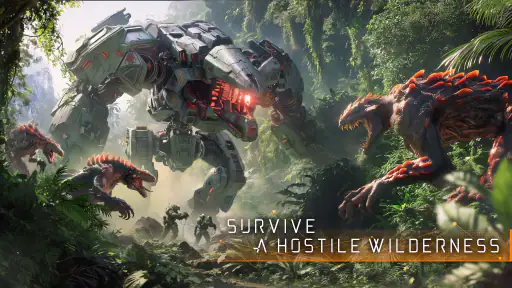
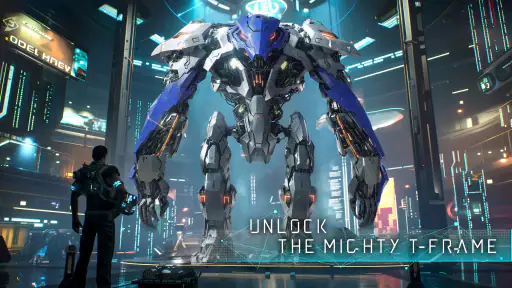
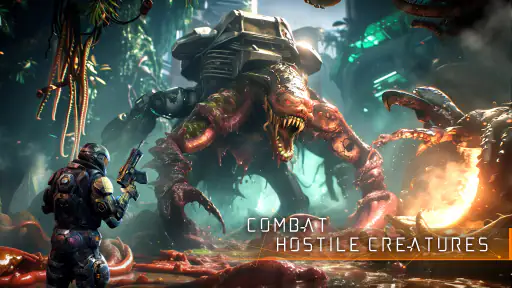

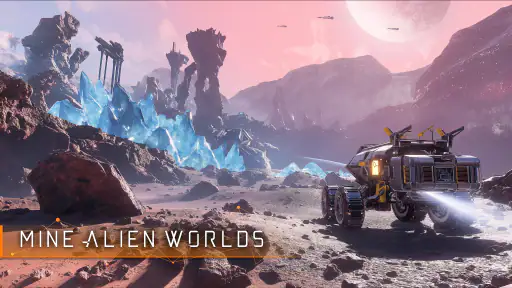

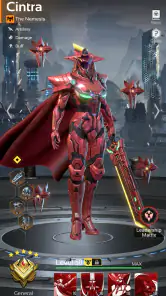
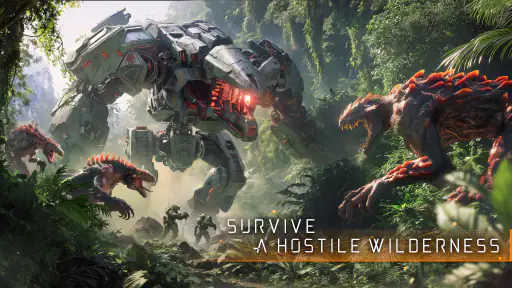
Analysis by Reviewed
I find Nexus War: Civilization easiest to enjoy when I treat it as a shared interest rather than a game everyone can casually dip into on the same account. Its mix of city development, territory, battles, and player alliances gives a household plenty to talk about, but progress and decisions belong to whoever is playing. If someone else wants to try it, I’d keep play on their own device or account where possible rather than assuming one shared save will suit everyone.
Making room for a strategy game at home
A practical routine helps with a game built around a growing civilization. I’d use a short break to check the city and make a few deliberate choices, then save longer stretches for battles or alliance conversations. That division makes it easier to enjoy the strategic side without letting a quick check turn into an unexpectedly long session. It also gives other people at home a clear sense of when the device is available again.
For shared devices, the main question is not whether the game can entertain more than one person, but whether players are comfortable taking turns without mixing up decisions. One person may want to focus on building while another is eager to test a battle plan; switching back and forth can make the experience feel less personal. I’d agree on whose turn it is and avoid making important choices in someone else’s game.
Choosing a pace and a play style
Compared with puzzle or turn-based strategy games that can be picked up and put down in a single self-contained round, this has a broader empire-building focus. That gives each decision more context, but it may be a less convenient fit when you only want a quick, finished challenge. Players who enjoy watching a city develop and weighing territorial choices are more likely to appreciate that longer arc.
One useful approach is to decide what you want from a session before opening the game: city growth, defending your territory, taking part in a battle, or talking strategy with an alliance. That small habit helps keep the different activities from competing for your attention. It also makes it easier to stop when you have reached your own goal rather than chasing every possible task.
Age, spending, and trust
The game is rated Teen, which is worth considering when deciding whether it fits a younger player in your home. I’d look at the game together and talk about how to handle conversations with other players, since alliances and in-game chat are part of its social appeal. A teenager who enjoys collaborative strategy may find that interaction motivating; someone who prefers to play privately may be more comfortable with a less social game.
It is free to start, with optional in-app purchases ranging from $0.99 to $99.99 per item. I’d set a clear household expectation about purchases before handing over a shared device, and make sure the person playing understands that optional spending is not the same as a requirement to enjoy the strategy. If spending boundaries are a concern, a game without in-app purchases may be a better fit.
You May Like

Clash of Clans Is Won Between the Battles

Android Auto Makes the Case for Quieter Car Software

MobiOffice: Transforming Mobile Productivity with Seamless Integration

EA SPORTS FC™ Mobile Soccer: Redefining Mobile Sports Gaming

How Microsoft OneDrive Became a Mobile Productivity Giant

How Google Translate Breaks Language Barriers Effortlessly
For a realistic evening, I can picture one person checking the city after dinner, then asking a family member to help think through a defensive choice. That can be a fun way to share the strategic conversation without sharing control of the account. The trade-off is that the game’s ongoing empire focus may invite players to return often, so it suits people who can set their own stopping point.
Released on June 29, 2023, and developed by Phantix Games, it remains a free strategy game with a 4.3 average from around 41,000 ratings and over 5 million installs. The current version is 0.2.835 and it requires Android 5.0 or later. Those details make it accessible to many Android devices, though I would still check that the particular device feels comfortable for extended play. Its Teen rating and social focus are just as relevant to a household decision as its strategy mechanics.
Stepping into a World of Strategy
Nexus War: Civilization is not just any strategy game; it's a full-blown adventure where you get to craft your empire from scratch. Picture this: you're the mastermind behind a civilization, shaping its destiny with every decision you make. Sounds intense, right? But that's the thrill of it!
The Gameplay: A Test of Wit and Will
Diving into the game, you're immediately tasked with gathering resources, building your city, and forming alliances. It's like playing chess, but with way more adrenaline. The game mechanics are smooth, and the graphics? Absolutely top-notch. Trust me, watching your empire grow with those stunning visuals is a treat for the eyes.
What I love most is the balance between strategy and action. You're not just sitting there making decisions; you're actively participating in battles, defending your territory, and expanding your borders. There's never a dull moment!
Community and Alliances: Friends or Foes?
One thing that sets this game apart is its emphasis on community. You can form alliances with other players, which adds a whole new layer of strategy. Do you trust them to have your back, or are they secretly plotting against you? The social aspect keeps things exciting and unpredictable.
Plus, the in-game chat is a great way to connect with fellow strategists. Whether you're exchanging tips or just bantering, it adds a personal touch to the entire experience.
Living With Its Ongoing Strategy
The empire-building structure changes what I expect from a strategy session. A puzzle game gives me a clean finish; here, the satisfaction is more about making a sensible choice now and returning later to see how the broader plan is going. I would not pick it when I want a complete challenge during a short commute, but I would consider it when I have time to think through a few connected decisions.
That distinction also helps when choosing between this and a traditional, single-player tactics game. If I want every encounter to be self-contained and fully under my control, a turn-based campaign is a better match. If I want city growth, territorial pressure, and the possibility of coordinating with other players, this has a more social, ongoing pull. The trade-off is that other players and alliance conversations make the experience less predictable than a solo game.
A practical way to keep the game manageable is to use a simple personal stopping rule. I might finish the task I opened the game for, such as reviewing the city or discussing a plan, and then leave rather than searching for another reason to stay. This is especially useful on a shared household device: it prevents a casual check from quietly taking over the time someone else expected to use the phone or tablet.
Planning Around Shared Devices and Accounts
For a household with one tablet, I would treat the device schedule and the game account as separate questions. Taking turns on the hardware can work, but handing the same in-game progress from one person to another can blur responsibility for city development, territory decisions, and purchases. Before anyone starts, decide who is making choices in that session and whether the other person is only watching or offering advice.
That boundary matters most when players have different goals. A younger family member may want to explore, while an adult may be trying to follow an alliance plan. I would avoid letting a spectator make a consequential choice just because the device is already in their hands. Talking through a decision is a good shared activity; making the decision in another player’s game is not the same thing.
If two people in the home both enjoy the game, separate play where practical gives each person room to develop their own approach. It also avoids turning a disagreement about whether to build, defend, or take part in a battle into an argument about who changed whose progress. For a household that cannot separate devices or accounts, agreeing on a clear handoff routine is more realistic than expecting everyone to remember which choices belong to whom.
Getting More From Alliance Play
Alliance participation is most rewarding when I arrive with a specific question or useful observation rather than treating chat as a stream I have to follow constantly. For example, I can ask for advice on a territorial decision, share what I am considering, and then return to the city once I have a plan. That makes the social side purposeful without requiring every session to become a long conversation.
There is a trade-off: alliances can make strategy feel richer, but they also bring other people’s expectations into my play. Someone who likes complete independence may find that coordination is an interruption rather than a benefit. I would approach the social elements at my own pace and choose how much attention to give them, instead of assuming that being part of an alliance means being available every time I open the game.
For a new player, I would first learn the basic rhythm of building, defending, and making territorial choices before trying to follow every discussion. That keeps alliance advice easier to judge: I can compare a suggestion with my own goals rather than copying it without understanding the trade-off. It also makes it easier to spot when advice is aimed at a different play style or a different stage of development.
Who Will Enjoy It, and Who May Prefer Something Else?
I would recommend it most to someone who likes seeing several strategic concerns connect: a city to develop, territory to consider, battles to take part in, and other players to coordinate with. The game is also a good candidate for a household conversation game, where one person plays and another helps think through a choice without taking over the account. Its appeal comes from that continuing strategic context, not from a quick sequence of unrelated rounds.
I would steer away from it if you dislike social interaction, want a game that can be completed in short, independent stages, or find persistent empire-building hard to put down. A solo strategy game is a cleaner option when you want to set the pace entirely yourself, while a puzzle title is better for a definite beginning and end in each sitting. And if optional purchases would create tension at home, a game with no in-app spending is likely the calmer choice.
On the practical side, it is free to begin, but the broad purchase range means I would talk about spending before a young person plays on a device connected to household payment methods. I would also make sure everyone understands that a high-priced option is still optional; no one should feel pressured to spend simply to keep up with a conversation or a group. That expectation is more useful than treating the free download as a promise that every part of play will be cost-free.
Age, Trust, and a Household Routine
The Teen rating is a useful starting point for deciding whether the game fits a younger player, but I would make the decision with the player rather than relying on the label alone. The alliance and chat elements make it sensible to talk about respectful communication, what information is appropriate to share, and when to ask an adult for help with an uncomfortable interaction. Those are everyday online habits, not a reason to assume that every conversation will be a problem.
A routine can make the game easier to fit around homework, meals, or shared-device time. I would agree on when the device is available, keep purchase expectations clear, and encourage the player to choose a goal for each visit. This does not require a complicated household rulebook; the point is simply to keep a long-running strategy game from becoming an unspoken source of conflict over time, attention, or account ownership.
Final Thoughts: Worth Your Time?
In my honest opinion, Nexus War: Civilization is a must-try for any strategy game enthusiast. It's engaging, visually appealing, and offers endless hours of entertainment. Just be prepared to lose track of time, because once you start, it's hard to stop!
So, if you're on the lookout for a game that tests your strategic skills while offering a rich, immersive experience, give this one a shot. Who knows? You might just find yourself ruling the virtual world.
Nexus War: Civilization Frequently Asked Questions
What does the sci-fi setting add to the game?
Nexus War: Civilization places its strategy gameplay in a science-fiction world, with Origin as the setting for a galactic adventure. That gives the game a different backdrop from historical or modern-world strategy titles. If you enjoy building a civilization while pursuing a space-themed goal, the premise may be a good fit; the central appeal remains planning how to develop and expand.
Is Nexus War: Civilization a good choice for someone new to strategy games?
It may suit newcomers who are curious about strategy games, since its basic premise is to develop a civilization and make choices about expansion. However, it is still a strategy experience, so players should be comfortable thinking ahead and managing progress over time. Those who prefer games focused on brief, self-contained sessions may want to consider whether a longer-term style of play appeals to them.
What kind of strategy experience does Nexus War: Civilization offer?
Nexus War: Civilization is a sci-fi strategy game centered on a galactic adventure and the world of Origin. It is designed around developing a civilization and making strategic choices as you seek to expand your influence. If you enjoy games that combine long-term planning with a science-fiction setting, its premise may appeal to you.
What is Nexus War: Civilization about?
Nexus War: Civilization is a strategic mobile game where players engage in building and managing their own civilizations. The game combines elements of resource management, tactical combat, and alliance-building to offer a comprehensive gameplay experience. Players can explore different territories, conquer enemies, and utilize advanced technologies to enhance their civilization's growth and dominance.
Is Nexus War: Civilization free to play?
Yes, Nexus War: Civilization is free to download and play. However, like many mobile games, it offers in-app purchases which allow players to buy resources, speed up progress, or acquire special items. These purchases are optional, and players can still enjoy the core game experience without spending money, although it might require more time and strategy to advance. Optional purchases range from $0.99 to $99.99 per item, so check the purchase details before confirming anything.
Pros
- Stunning graphics and immersive gameplay.
- Wide variety of civilizations to choose from.
- Engaging multiplayer mode with real-time battles.
- Rich storyline with historical elements.
- Regular updates and new content.
Cons
- Requires stable internet connection.
- Can be resource-intensive on devices.
- In-app purchases can be expensive.
- Initial learning curve for new players.
- Some features locked behind paywall.

- Category
- Strategy
- Version
- 0.2.835