 About Gym Heros: Fighting Game
Gym Heros: Fighting Game Is Easy to Learn, Harder to Trust
A fighting game can feel dependable right up to the moment a match is interrupted, a tap lands on the wrong upgrade, or a connection starts to wobble. Gym Heros: Fighting Game sells its appeal through quick, physical bouts and a steady push toward a stronger fighter; the tougher question is whether the game explains itself and recovers gracefully when play goes off script. My verdict is cautious: the core loop is easy to understand, but the game gives players less reassurance about failure and recovery than a long-term mobile game should.
This is a review of the moments around the punches, not a claim that every device or network behaves identically. Some recovery details are difficult to verify without controlled tests across versions and phones, so I separate what the play experience makes clear from what remains uncertain. That distinction matters here: a brief arcade-style fight is easy to restart, but lost progress, unclear rewards, or an unexplained pause can make a small setback feel much bigger.
The fight is simple; the surrounding promises are not
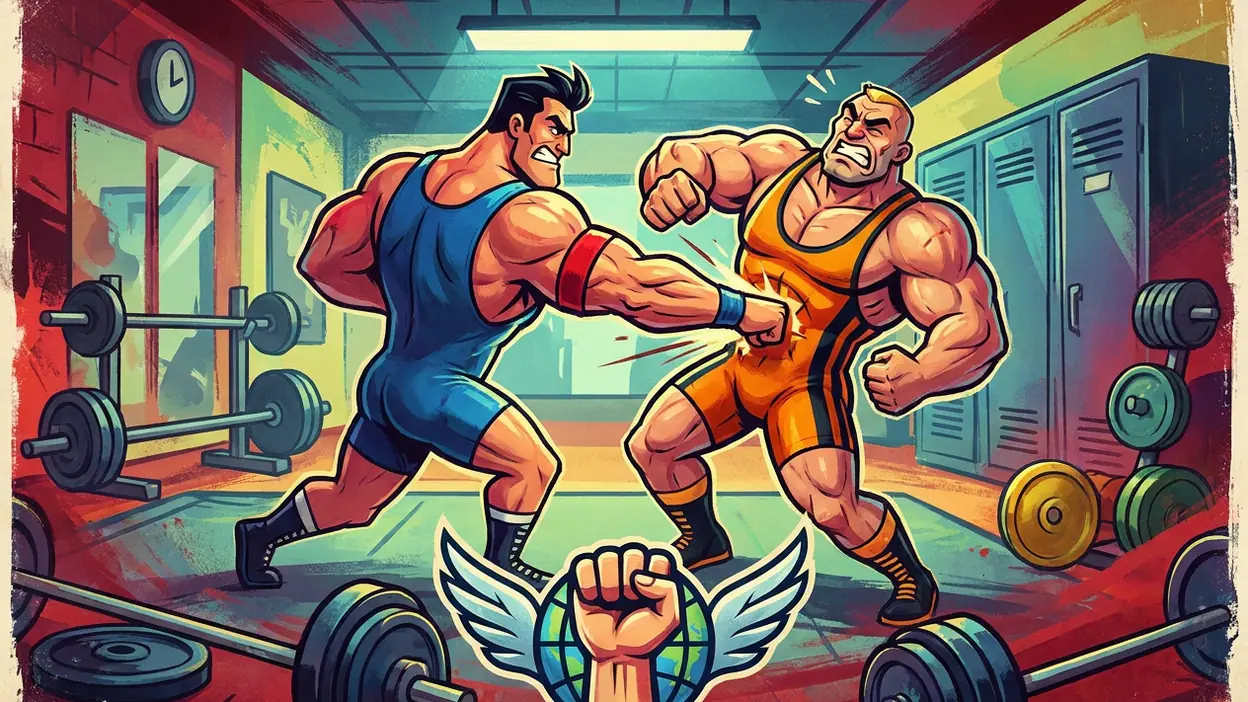
The reliability promise is an implied one. Gym Heros asks for short sessions, repeated attempts, and gradual improvement, so players expect each bout to be quick to enter and easy to resume. Its hook is the contrast between the gym’s training fantasy and the exaggerated impact of a fighter trading blows. The rhythm is compact: step into a fight, read the opponent, attack and defend, then take the result back into the next attempt.
That structure is well suited to spare moments. A bout does not need a sprawling adventure map or a lengthy narrative setup to feel rewarding; the pleasure is in spotting an opening, landing a clean exchange, and seeing a run improve. But the same short-session design raises the bar for reliability. If the game loses context between bouts, a player has less patience for troubleshooting than they might in a slower game with a clear save point.


The combat loop is the reliable part of the pitch. Its readable action makes a mistake legible: a poor exchange is generally easier to understand than a hidden rule in a complicated strategy game. The weaker part is the information around that action. A polished fight can still leave players unsure what a reward changed, whether a failed attempt consumed anything, or what exactly to do after an interrupted screen.
Setup can stumble before the first clean round
First setup is where mobile games often spend a player’s trust before they have earned it. Permissions, initial loading, account prompts, and tutorial steps can each become a snag. Gym Heros’ basic appeal does not depend on building a detailed profile or learning a dozen systems, which is a strength: the game’s central idea is graspable without a long explanation.
Still, a light setup is not the same as a transparent one. If the game asks for a permission, players should be able to tell why it matters; if it offers account or progress options, it should make the consequences plain. I would not assume that a particular account-linking path, cloud-save behavior, or offline start is guaranteed across all installations. Those are practical details that can vary with version, device, and distribution, and they are not established just by the game’s straightforward combat.
Latest News



The tutorial also has a delicate job. It needs to show the difference between attacking, guarding, and reacting without turning the first bout into a string of unexplained taps. The game’s simple premise helps, but any instruction that disappears too quickly can make a player confuse a timing error with a control problem. A concise replayable lesson would be more useful than expecting newcomers to reconstruct the rules from a loss.
Mistakes should teach, not quietly tax
Gym Heros works best when a mistake is reversible in the ordinary arcade sense: lose a round, learn the opponent’s rhythm, and try again. That loop gives failure a purpose. It also creates a clear standard for the game’s upgrade and reward decisions. A mistaken tap on a permanent purchase, a consumed item, or a one-way progression choice is not the same kind of error as mistiming a punch.
The game’s fighting format makes practice feel natural, but the interface needs to distinguish reversible choices from costly ones. Before a consequential upgrade or spending action, the player should see what changes and whether the decision can be undone. I could not verify a universal undo, refund, or confirmation flow for every such action, so players should treat consequential taps carefully rather than assume a safety net exists.
That uncertainty is especially relevant in a game built around quick inputs. A button placed near the action can be easy to hit while moving through menus at speed. Good mobile design anticipates that habit with clear labels and a confirmation step where the cost warrants one. Fast retries are only forgiving when the game also protects players from fast, expensive mistakes.
Returning after an interruption
Phone calls, app switching, screen locks, and low battery are routine interruptions, not edge cases. In a short fight, a reliable return should either restore the active bout or explain that the bout has ended. The worst outcome is an ambiguous restart that leaves the player guessing whether progress counted, a reward was granted, or an attempt was spent.
Gym Heros’ compact match structure makes recovery seem achievable: even if a round cannot be resumed, restarting should not require a long journey back through menus. But that is an expectation, not proof of behavior under every interruption. I cannot confidently promise that the game always resumes mid-fight, preserves the same opponent state, or records a result after the app is suspended. Players should expect a possible reset and avoid treating an unfinished bout as safely saved.
There is a useful design distinction here. Losing a few seconds to a restarted match is annoying; losing a meaningful reward without an explanation is a trust problem. A brief, plain-language message after a return would do more to reassure players than a silent reload. The game benefits from short sessions, but short sessions do not remove the need for a clear account of what happened.
Weak connections and unclear states
Connectivity pressure deserves the same caution. A game may launch and feel responsive under ordinary conditions, yet still rely on a connection for rewards, progression, or other services. Without controlled offline and poor-network tests, I would not label Gym Heros fully playable offline or claim that every fight can finish cleanly on a weak signal.
For players, the practical question is not simply whether a connection is required. It is what the game does when that connection drops: pause, retry, abandon the bout, or continue locally and sync later. Those outcomes have very different costs. If the game offers no clear status or retry message, waiting and tapping repeatedly can make the situation worse, especially when the player cannot tell whether a request is still processing.
Unclear states are the quiet enemy of trust. A reward screen that does not say whether an item was added, a spinner with no explanation, or a fight that returns to a menu without a result all force players to infer what the game should report. Gym Heros’ action is easy to read; its failure state needs to be just as readable. A visible retry option, a clear connection notice, and a confirmed result would turn uncertainty into a manageable pause.
Recovery guidance should be part of the game
When something goes wrong, useful guidance should start with safe, simple steps: wait briefly for a response, check the connection, then retry once if the game offers that option. If the app closes or a match resets, the player should be told whether the result was recorded. A suggestion to reinstall or clear data should never come before a clear warning about local progress and save behavior.
I would also look for an accessible support route and a way to report a lost reward or failed purchase. Those details are not glamorous, but they are part of the product’s resilience. In a game focused on repeated bouts, players will forgive a temporary interruption more readily than a support path that sends them in circles or leaves them unable to explain what vanished.
Compared with something like Plants vs. Zombies, where a player can often judge progress through a visible sequence of levels, a fighting game’s state may hinge on a single result or reward. That makes a receipt-like confirmation valuable: not a complicated log, just a clear statement that the bout ended and the result was saved. Gym Heros would feel more dependable if it made that handoff unmistakable.
What remains unverified, and who should care
There are limits to what a failure-mode review can honestly establish without repeatable testing across operating systems, devices, and network conditions. I cannot verify that every player can recover a suspended bout, that progress always synchronizes across installations, or that every purchase and reward has the same reversal policy. These are not claims that the game fails; they are gaps that matter when a player’s progress depends on them.
That gap matters most to people who play in short bursts on an unreliable connection, share a device, switch frequently between apps, or care about preserving every bit of progression. It also matters to parents and younger players, who benefit from clear spending confirmation and predictable recovery. Someone who treats Gym Heros as a casual string of quick fights may be comfortable with some uncertainty. Someone investing time or money should want firmer answers before relying on it.
Replay value comes from the direct loop rather than a promise of endless novelty: read an opponent, adjust your timing, and see if the next attempt goes better. That is an honest, satisfying reason to return. It also means that recovery should protect the rhythm, not interrupt it with guesswork. The game’s strongest moments are immediate; its weakest moments are the ones where the player needs the interface to explain itself.
The resilience verdict is mixed but not damning. Gym Heros has the right foundation for a quick mobile fighter: readable action, short bouts, and a retry-friendly rhythm. Its weakness is not that every interruption becomes a disaster; it is that the recovery contract is harder to see than the combat loop. I would recommend it to players happy to enjoy the next fight without demanding ironclad continuity. If you need verified offline behavior, dependable mid-match restoration, or crystal-clear protection against costly mistakes, keep expectations modest until those details are confirmed.
In short, Gym Heros: Fighting Game earns its next round through the fight itself, but it has not yet earned full confidence in what happens when the round goes wrong.