Zoox
- 968.00
- 4.9
- Installs
- 100.00K
- Price
- Free

Screenshots
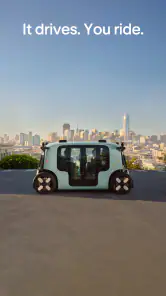
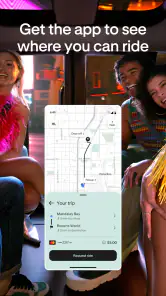
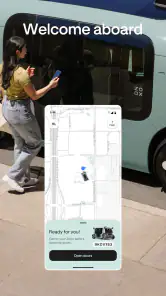
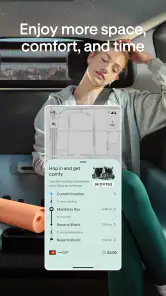
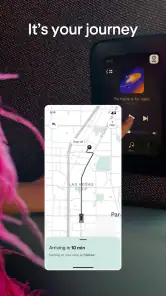
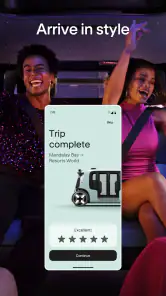

Analysis by Reviewed
I approached Zoox as a travel app first and a robotaxi experience second. That distinction matters. A normal ride-hailing app mainly helps me request a human-driven car, follow its arrival, and pay for the trip. This app represents a different kind of journey: it is connected to Zoox’s autonomous ride service, so the important question is not only whether the interface feels convenient, but also whether I understand what I am choosing, what information I am sharing, and how much control I have during the process.
Zoox, Inc. presents the app as a free Travel & Local download for Everyone. It has reached over 100 thousand installs and holds a 4.9 average from around 5 thousand ratings, with nearly 1 thousand written reviews. Those figures suggest strong early interest, although I would not treat them as proof that the service is equally practical in every city or for every journey. Robotaxi availability is naturally more dependent on where the service operates than a conventional taxi app, and that is the first reality I would keep in mind before making it part of my daily travel routine.
What using Zoox feels like when trust matters
The most interesting part of this app is the relationship between a familiar ride request and an unfamiliar vehicle experience. I can understand the basic idea immediately: I want a ride, I use the app to arrange it, and the vehicle handles the driving. Yet the absence of a human driver changes the moments when I look for reassurance. With a conventional ride, I may check the driver, vehicle details, pickup point, and arrival status. With a robotaxi, I also want the app and the vehicle experience to make it clear that I am entering the correct car and that I know what to expect once the trip begins.
That is why I would not judge Zoox only by how quickly I can reach a booking screen. I would pay attention to the wording around pickup, the clarity of any ride status, and whether the app gives me understandable choices rather than pushing me through a vague automated flow. In a service built around autonomous vehicles, clear communication is part of the product, not a decorative extra.
My first practical test would be a simple trip that is easy to abandon: a short daytime journey in a familiar area. I would use that trip to learn how the app handles pickup instructions, how it identifies the vehicle, and how much information appears before I commit. I would not begin with an airport transfer, an important appointment, or a late-night ride in an unfamiliar location. That is not a criticism of the concept; it is sensible preparation for any newer travel service.
Where the app fits better than ordinary alternatives
Compared with a conventional ride-hailing app, Zoox has a narrower but more distinctive purpose. Someone who wants the broadest possible choice of drivers, vehicle types, or immediate coverage will probably find a traditional service more practical. Someone who is curious about autonomous transportation, prefers a consistent service concept, or wants to experience a robotaxi without owning a car may find Zoox more compelling.
I also see a useful difference for people who dislike negotiating with a driver. Some passengers prefer a quiet trip with fewer social expectations, and an autonomous ride can appeal to that preference. On the other hand, passengers who rely on a driver for local advice, help with luggage, or reassurance during an unusual pickup may prefer a human-driven alternative. The right choice depends less on novelty than on what kind of assistance I need during the journey.
More From Our News Desk

Clash of Clans Is Won Between the Battles

Android Auto Makes the Case for Quieter Car Software

MobiOffice: Transforming Mobile Productivity with Seamless Integration

EA SPORTS FC™ Mobile Soccer: Redefining Mobile Sports Gaming

How Microsoft OneDrive Became a Mobile Productivity Giant

How Google Translate Breaks Language Barriers Effortlessly
A realistic everyday scenario would be leaving a meeting in an area where I already know the streets, opening the app, checking the pickup instructions, and taking a robotaxi to a nearby train station. In that situation, I have time to read the ride details and a backup option if the experience does not suit me. I would be much less comfortable making the app my only plan for a time-sensitive connection until I had already learned how its local service behaves.
Account choices deserve attention before the first ride
Travel apps often become more personal than they first appear. A ride request can reveal where I start, where I finish, when I travel, and which places I visit repeatedly. For that reason, I would review the account setup carefully instead of treating sign-in as a meaningless hurdle. I would look for visible choices about notifications, saved locations, trip history, and any communications connected with the service.
I would also separate information needed to arrange a ride from information that merely makes future use more convenient. Saving a home or work location may reduce typing, but it also creates a more persistent record inside the account. My preference would be to add only the locations I genuinely use and to remove old shortcuts when they no longer serve a purpose. That small habit gives me more control without making the app difficult to use.
The same principle applies to notifications. Arrival alerts can be useful when I am waiting outside, while promotional or general messages may be less important. I would keep the alerts that help me coordinate a trip and turn off anything that distracts me. A good travel workflow should make urgent information easy to notice without making every message feel urgent.
The most trustworthy choice is the one I can understand before I tap to confirm. I would apply that standard to account prompts, location requests, ride details, and any screen that asks me to accept a new condition. If a choice is presented clearly, I can make an informed decision. If it is hidden behind rushed wording or an unclear button, I would pause rather than assume.
Location data is central to the experience
For a robotaxi service, location is not a minor convenience. The app needs to connect a passenger with a pickup point and a destination, so location-related information is closely tied to the core purpose. That makes the timing of access important to me. I would prefer to provide location when I am actively arranging or managing a ride, rather than leaving access enabled without considering whether I need it at that moment.
Before requesting a car, I would check the pickup pin manually. This is one of the most useful habits I can recommend because a map pin may not represent the exact curb where I am standing. Large buildings, divided roads, shopping centers, and stations can all create confusing meeting points. Moving to a clear entrance and confirming the location before requesting the ride can prevent a stressful exchange later.
I would be especially careful with recurring destinations. A pattern of trips can say more about my routine than a single journey. If I use the app for work, medical appointments, or visits to someone’s home, I would periodically review saved places and trip records through whatever account controls are visible to me. I would not assume that convenience settings are harmless simply because they save a few seconds.
There is also a practical privacy trade-off when using the app in public. I would avoid reading sensitive trip details aloud or leaving the phone unlocked while waiting. If I were arranging a ride for another person, I would confirm that the destination and pickup instructions are correct before handing over the phone. These are simple steps, but they matter more when the app is managing movement through a physical space.
Why the vehicle handoff is a different kind of usability test
The pickup stage is where I would judge Zoox most carefully. A traditional ride often gives me a driver to contact if I cannot identify the car. A robotaxi experience needs a different form of clarity: the app should help me recognize the correct vehicle and understand what action is expected from me. I would not approach a vehicle based only on color or general appearance. I would first compare the information shown in the app with the vehicle in front of me.
I would also make sure I am standing at the designated pickup point rather than expecting the vehicle to search through a crowded area. This is a non-obvious but important trade-off: autonomous operation may reduce dependence on driver conversation, but it does not remove the passenger’s responsibility to be precise. A few seconds spent checking the curb and surrounding landmarks can be more valuable than immediately pressing through the next screen.
For a first ride, I would leave extra time for this handoff. I would avoid testing the service while carrying several bags, rushing through rain, or trying to coordinate a group at the same time. Once I understood the process, I could decide whether it was comfortable enough for more demanding situations. Until then, a standard taxi or ride-hailing service would remain the safer choice for a complicated pickup.
When a driver is still the better option
Zoox is not automatically the best answer for every passenger. I would choose a human-driven alternative when I needed help with heavy luggage, had a complex accessibility request, wanted assistance finding a difficult entrance, or needed a driver to adapt to an unusual situation. I would also choose the familiar option when the trip was too important to use as a learning experience.
Families should think about the exact needs of the passenger rather than assuming that an autonomous ride is simpler. A child traveling with an adult, an older passenger unfamiliar with the technology, or someone who may need help during boarding could benefit from a service with a clearly available human point of contact. The app may still be interesting for independent passengers, but convenience should not be confused with personal assistance.
Likewise, frequent travelers who depend on broad coverage may find the service less useful than a mature ride-hailing app. A robotaxi can be appealing when it is available in the right place and the route is straightforward. It is less attractive when I need several vehicle categories, a driver who can respond to changing instructions, or a backup booking from almost anywhere.
What I would check before relying on it
My preparation would be deliberately simple. I would keep the app updated, confirm that my phone meets its minimum operating requirement of version 12, and make sure the account is ready before I am standing on a busy curb. The current version is 26.31.405, so I would use the latest version offered for my device rather than relying on an old installation.
I would then run through a short checklist:
- Confirm that the pickup location is exact and safely reachable on foot.
- Read the ride details before confirming instead of assuming the route is obvious.
- Keep a conventional taxi or ride-hailing option in mind for the first few trips.
- Review notification and saved-location choices after the account is set up.
- Allow extra time when the pickup area is crowded or unfamiliar.
This workflow does not make the experience complicated. It simply recognizes that a robotaxi app combines digital decisions with a physical handoff. The best experience comes when I treat both parts as equally important.
How the free price changes the decision
The app itself is free, which makes trying it less risky than committing to a paid download. That does not mean every ride decision is risk-free. My time, travel reliability, and comfort still have value, so I would not install it and immediately replace every other transport option. I would use the free download as an opportunity to evaluate whether the service fits my routes and expectations.
The free entry point is particularly useful for curious passengers who want to understand robotaxi travel firsthand. It also makes sense for someone who already lives or works near the service area and can test it without making a special trip. For a person outside a practical coverage area, however, installing the app may offer little immediate benefit. The concept can be interesting while still being irrelevant to a daily commute.
I would also avoid judging value solely by the absence of an app charge. A ride service should be assessed by the complete booking experience, the reliability of the pickup, the clarity of user choices, and whether it gets me where I need to go with an acceptable level of confidence. Free installation is a good invitation to explore, not a reason to ignore the details.
My cautious verdict after weighing control and convenience
Zoox is an appealing travel app for people who want to explore robotaxi transportation in a controlled, familiar situation. I like that its purpose is clear and that the app opens a door to a type of ride that ordinary taxi tools cannot provide. The strong rating and growing install base show that many users are responding positively, but I would still interpret that enthusiasm alongside the practical limits of service availability and the different expectations created by an autonomous vehicle.
My recommendation is conditional but positive: try it for a straightforward trip, inspect every pickup and account choice, and keep a backup option until the process feels routine. I would not choose it blindly for a high-pressure journey, a complex accessibility need, or a situation where human assistance is essential. In those cases, a conventional service remains more suitable.
For me, the app earns trust not through novelty alone, but through the user’s ability to slow down, understand the ride, check the location, and decide how much convenience is worth sharing. If you value autonomous transportation and are willing to learn a new pickup routine, Zoox is worth exploring. If you mainly need maximum coverage, flexible human help, or the least surprising travel experience, I would stay with the usual alternatives. That balance is what makes this free app interesting without making it the right choice for everyone.
Zoox Frequently Asked Questions
What devices can run the Zoox app?
Zoox is a Travel & Local app for arranging robotaxi rides. It requires Android or iOS 12 or later, so check your device’s operating system before downloading. Keeping your phone’s software current can also help with app compatibility. The app is free to download, but ride availability depends on whether Zoox operates in your area and whether you can access its service.
Is the Zoox app free to download, and does that mean rides are free?
The Zoox app is free to download, but that does not mean every ride is free. Ride prices and any applicable conditions are shown in the app before you confirm a trip. The Zoox app is published by Zoox, Inc. and is intended for requesting its robotaxi service. Check the displayed fare and trip details before booking so you understand the cost of the ride.
What is Zoox, and how does the service work?
Zoox is an autonomous ride-hailing service designed to transport passengers without a traditional human driver. The purpose-built vehicle is controlled by an automated driving system and includes seating for multiple passengers. Availability depends on the city, operating area, local regulations, and whether the service is open to the public. Users generally request a ride through the Zoox app, confirm pickup details, and follow the vehicle’s instructions during the trip.
Where is Zoox available, and can anyone request a ride?
Zoox is not available everywhere, so users should check the current service area before downloading the app or planning a journey. Access may be limited to selected locations, testing zones, invited riders, or specific operating hours. Even in an active city, pickup and drop-off locations can be restricted. Eligibility, account requirements, and ride availability may also change as Zoox expands its autonomous service.
Is riding in a Zoox vehicle safe?
Zoox vehicles are developed with autonomous driving technology, cameras, sensors, safety systems, and remote support procedures intended to help manage unusual situations. However, autonomous transportation is still an evolving technology, and no ride can be considered completely risk-free. Passengers should remain attentive, follow in-vehicle instructions, use seat belts when provided, and contact Zoox support if they experience a safety concern or unexpected problem.
Pros
- Autonomous rides can reduce stress by removing the need to drive.
- App-based booking makes requesting and managing rides convenient.
- A consistent vehicle experience may be easier for frequent users.
- No human driver means fewer distractions during the journey.
- Could improve mobility for people unable or unwilling to drive.
Cons
- Availability may be limited to selected service areas.
- Unusual road situations can lead to cautious or delayed vehicle behavior.
- Riders may have limited control compared with driving themselves.
- Service interruptions could leave users without a quick alternative.
- Privacy concerns may arise from cameras
- sensors
- and trip data collection.
- Category
- Travel & Local
- Version
- 26.31.405