Wahls Diet App
- 10.00
- 2.6
- Installs
- 10.00K
- Price
- Free

Screenshots
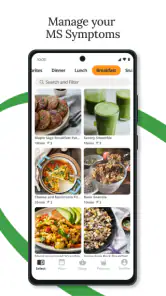
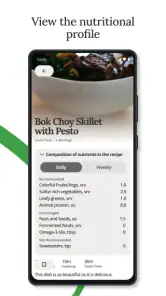
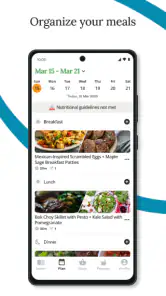
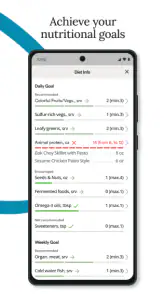
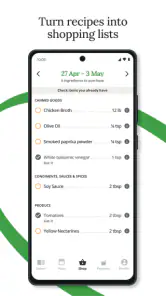
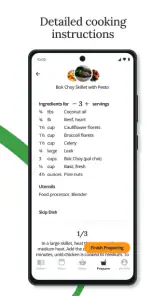

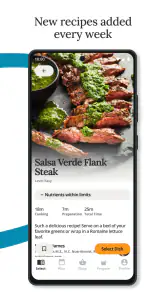
Analysis by Reviewed
I approached Wahls Diet App as a practical companion for people with multiple sclerosis who want to explore the Wahls diet in a more organized way. It is a free medical app from Foogal, aimed at managing MS-related symptoms through dietary guidance rather than acting as a replacement for clinical care. That distinction matters: the app can help turn a complicated eating plan into something easier to think about, but it should sit beside advice from a neurologist or registered dietitian, not above it.
The app has a modest public reception, with an average rating of 2.6 from around twenty ratings and ten written reviews. It has passed the ten-thousand-install mark, so it is not an entirely unknown experiment, but it is also not a widely established health platform. I see that combination as a reason to test it carefully and judge it by whether it fits your routine, rather than assuming popularity proves usefulness.
How the app fits into an MS-focused food routine
The basic idea is straightforward. The Wahls Diet App is designed to help users engage with the Wahls diet while paying attention to MS symptoms. For someone who has read about the approach and feels overwhelmed by conflicting food advice, a dedicated app can be more convenient than keeping scattered notes, browser tabs, cookbooks, and printed lists together.
That convenience is most useful during the transition from interest to routine. Reading about a dietary framework is easy; remembering what it means when you are tired, shopping, cooking for other people, or eating away from home is harder. A focused app has the potential to keep the chosen approach visible at the moment decisions are made.
Still, I would not treat the app as a diagnostic tool. Symptoms such as fatigue, weakness, pain, balance problems, or cognitive changes can have many causes, and food changes should not be used to delay medical assessment. The most sensible role here is organizational and educational: it may help you follow a personal plan consistently, record observations, and prepare better questions for your healthcare team.
Foogal released the app on July 19, 2022, and the current version is 1.12.9. It works on Android devices running version 7.0 or later, which makes it accessible to many older phones. The content rating is Everyone, so the presentation is not restricted to an adult audience. That does not make every dietary recommendation suitable for every person, though; age rating and medical suitability are separate questions.
What free access really means
The app itself is free to download, which lowers the barrier for anyone who wants to inspect its approach before committing money. That is an important advantage in a health category, where people can easily spend on meal plans, coaching, books, and subscriptions without knowing whether the method will fit their life.
More From Our News Desk

Clash of Clans Is Won Between the Battles

Android Auto Makes the Case for Quieter Car Software

MobiOffice: Transforming Mobile Productivity with Seamless Integration

EA SPORTS FC™ Mobile Soccer: Redefining Mobile Sports Gaming

How Microsoft OneDrive Became a Mobile Productivity Giant

How Google Translate Breaks Language Barriers Effortlessly
There are also in-app purchases priced from $14.99 to $99.99 per item. I would therefore separate the decision into two stages. First, use the free access to see whether the explanations, workflow, and practical guidance are genuinely useful to you. Only then should you consider paid material. The presence of a purchase option does not automatically mean the free experience is incomplete, and it also does not prove that a paid item is good value for every user.
This is where the app’s value needs a personal calculation. Someone who only wants a quick reminder of the diet may find free access sufficient. Someone seeking a more structured, sustained program may consider a paid item worthwhile, but should compare the cost with alternatives such as a consultation with a dietitian, a reputable book, or a simple food journal. I would not pay merely because the app concerns MS; the purchase needs to solve a problem you actually have.
A useful way to test that is to define the problem before opening the payment screen. Are you struggling to understand the eating pattern, plan meals, stay consistent, or notice links between food and symptoms? If the free part does not help with the specific problem, paying for more content is unlikely to fix the mismatch. If it does help, the purchase may offer value, but the decision should still account for your medical needs and household budget.
Where I see practical value
The strongest potential use is as a central place for people who are already motivated but inconsistent. Diet changes often fail for ordinary reasons: shopping happens when energy is low, meals are improvised, and a busy day pushes the plan aside. Keeping the app available on the phone can reduce the mental effort involved in returning to the plan.
One realistic scenario is a weekday evening after work or an appointment. A user with MS may have limited energy and may not want to compare several sources before preparing dinner. A dedicated guide can make the next decision feel smaller: check the intended approach, choose an option that fits the available ingredients, and record what happened afterward. The important benefit is not novelty; it is reducing friction at a moment when fatigue makes complicated planning less realistic.
I also see value in using it as a conversation aid with a clinician. Instead of saying, “I changed my diet and felt different,” you can bring a clearer account of what you tried, when you changed it, and which symptoms seemed to vary. That does not establish cause and effect, but it creates a better starting point for a medical discussion. A food-and-symptom record can be especially useful when several lifestyle changes happen at once, because it encourages you to separate observations instead of relying on memory.
Another less obvious use is treating the app as a temporary experiment planner rather than a permanent authority. Choose a defined period for observing your routine, keep other major changes stable where medically appropriate, and review the experience with a professional. This approach helps avoid the common mistake of changing diet, supplements, exercise, sleep, and medication habits simultaneously, then attributing every improvement or setback to food.
The app may also help households communicate. If one person is following the Wahls approach while others are not, having a shared reference can make shopping and meal discussions less vague. It will not remove the work of preparing different portions or accommodating preferences, but it may prevent the user from having to explain the same principles repeatedly.
Important limits before you rely on it
The public rating of 2.6 is the clearest warning sign I would not ignore. A small number of ratings cannot tell me exactly why users were dissatisfied, but the overall score suggests that the experience has not been consistently convincing. I would approach it as a tool to evaluate, not as a polished standard that automatically deserves trust.
There is also a fundamental limitation in any symptom-focused diet app: personal observations can be useful without proving that the diet caused a change. MS symptoms naturally fluctuate, and factors such as sleep, stress, heat, infection, medication, activity, and disease progression can affect how a person feels. If the app encourages tracking, I would use the notes to identify patterns and questions, not to make medication decisions or declare a treatment successful.
People with food allergies, diabetes, kidney disease, digestive disorders, pregnancy-related nutritional needs, or a history of disordered eating should be particularly cautious about making major dietary changes from app guidance alone. A plan that looks manageable on a screen can become nutritionally unbalanced when applied to a specific body and medical history. The right professional may be a neurologist, primary-care clinician, or dietitian depending on the question.
Another trade-off is that a specialized app can narrow attention. If you become focused only on whether a meal matches the diet, you may overlook broader priorities such as adequate calories, protein, hydration, affordability, enjoyment, and the ability to maintain the routine. For a person whose MS fatigue makes cooking difficult, the best plan may be the one that is safe and sustainable, even if it is less strict than an idealized version of a diet.
I would also avoid assuming that a paid purchase guarantees personal coaching or clinical supervision. The listed purchase range tells me that optional paid items exist, but it does not by itself establish that buying one creates a professional relationship. Before paying, read the purchase description carefully and ask whether it offers the kind of support you actually need. If your priority is individual medical advice, an app purchase is not a substitute for an appointment.
Small workflows that make the app more useful
My first recommendation is to begin with a narrow goal. Rather than attempting a total lifestyle overhaul, use the app to understand one part of the eating routine and make it repeatable. This makes it easier to notice whether the tool reduces confusion or simply adds another source of instructions.
Second, keep a separate distinction between adherence and symptoms. Write down what you followed, but do not label a difficult day as proof that the diet failed or a good day as proof that it worked. This simple separation protects against hindsight bias and gives your clinician more useful information.
Third, review the app when you have energy, not only when you are hungry. Planning a short shopping list or a few fallback meals in advance can make the app more valuable than opening it during a fatigue flare. A prepared fallback is often more realistic than expecting perfect motivation at every meal.
Fourth, consider the social and financial cost of strict choices. If following the plan requires separate groceries, complicated preparation, or frequent paid content, note that burden honestly. A routine that works for two enthusiastic weeks but becomes exhausting afterward is not necessarily a successful routine. The free entry point makes it easier to test this before spending on optional items.
Finally, use the app to prepare questions rather than conclusions. You might ask whether a particular change is appropriate with your medication, whether your overall intake remains adequate, or how to adapt the plan to another health condition. That is a more responsible use of a digital guide than asking it to settle a medical decision on its own.
Who is likely to get the most from it?
I think the best match is an adult with MS who is curious about the Wahls diet, comfortable evaluating health information carefully, and looking for structure rather than a miracle promise. The free download makes it reasonable to explore, especially if you prefer a phone-based reference to paper notes. It may also suit someone who wants to document a dietary experiment in a more deliberate way before discussing the experience with a healthcare professional.
It could be useful for a caregiver or family member as well, particularly when meal planning is shared. The app may give the household a common starting point and reduce the need to reconstruct the diet from memory. However, the person with MS should remain involved in decisions, since convenience for the cook is not the same as suitability for the patient.
I would be less enthusiastic for someone who wants a fully individualized meal plan, direct clinical monitoring, or guaranteed symptom improvement. I would also suggest skipping it if you already have a dietitian-designed plan that works and the app would only create conflicting instructions. People who dislike tracking or who find diet-focused content stressful may be better served by a simpler general food journal or by working directly with a professional.
Compared with a general nutrition app, this one has the advantage of being centered on the Wahls approach and MS-related concerns. A general tracker may be better for broad calorie, nutrient, or habit monitoring, while a consultation is stronger for adapting recommendations to medical history. The specialized focus is therefore both its main strength and its main constraint: it can feel more relevant to the intended audience, but less useful if your needs extend beyond that framework.
My value judgment and final recommendation
My overall view is cautious but fair. The free entry point gives the app a sensible opportunity to prove itself, and its MS-focused purpose may appeal to people who want a dedicated place to organize dietary observations. I appreciate the possibility of using it as a planning and discussion aid rather than treating it as a cure. That is where I see the most responsible value.
At the same time, the average rating of 2.6 makes me reluctant to recommend paid items without first testing the free experience closely. Optional purchases range from $14.99 to $99.99 per item, so the upper end represents a meaningful commitment. I would compare any paid value against a professional consultation and against simpler tools you already understand. More content is not automatically better content, and a medical app should earn trust through clarity and usefulness.
My verdict: try the free version only if you want a Wahls-diet-focused organizer, and skip the purchase unless it clearly improves a problem in your daily routine. Keep your clinician involved, treat symptom notes as observations rather than proof, and choose a different solution when individualized nutrition advice is the real need. For the right user, this can be a practical starting point; for everyone else, its specialized focus and uneven public reception make a cautious trial the sensible limit.
Wahls Diet App Frequently Asked Questions
Is the Wahls Diet App free to download, and what should I know about its costs?
The Wahls Diet App is free to download, but it also offers in-app purchases. The listed purchase range is around $14.99 to $99.99 per item, so check the purchase details shown in your app store before buying anything. This can help you understand which features are included at no cost and whether an optional purchase fits your budget.
Which devices and operating systems can run the Wahls Diet App?
The Wahls Diet App is available for Android, with a minimum operating system requirement of Android 7.0. Before downloading, check your device’s software version and make sure you have enough room for the app. Compatibility can affect whether installation succeeds and how smoothly an app runs, so reviewing the requirements on the store page for your particular device is a sensible first step.
What is the Wahls Diet App designed to help with?
The Wahls Diet App is intended to help users organize and follow the dietary principles associated with the Wahls Protocol. It may provide guidance on recommended foods, meal ideas, shopping support, and daily tracking. The app is best viewed as an educational and planning tool, rather than a medical treatment, and users should consider their individual nutritional needs before making major dietary changes.
Does the Wahls Diet App provide personalized meal plans?
Depending on the version and available features, the app may offer meal suggestions, recipes, food lists, or planning tools based on the Wahls Diet approach. However, users should not assume that every recommendation is medically personalized. People with allergies, diabetes, digestive conditions, kidney disease, or other health concerns may need advice from a qualified dietitian before following the suggested meals or changing their usual eating habits.
Is the Wahls Diet App suitable for beginners?
The app can be useful for beginners because it gathers information about the Wahls Diet in one place and may make it easier to understand food categories, preparation ideas, and daily routines. Even so, the protocol can involve significant dietary adjustments, so new users should read the guidance carefully, begin at a manageable pace, and avoid treating app content as a replacement for professional medical or nutritional advice.
Pros
- Simple food guidance makes the diet easier to follow day to day.
- Helpful meal ideas can reduce the effort needed for planning.
- Suitable for users seeking a structured approach to dietary choices.
- Clear categorization may help identify foods that fit personal goals.
- Useful as a quick reference while shopping or preparing meals.
Cons
- Some recommendations may feel restrictive for users with varied diets.
- Meal suggestions may not suit allergies
- intolerances
- or medical needs.
- Nutritional information may lack the detail needed by advanced users.
- The app should not replace advice from a qualified healthcare professional.
- Tracking and personalization options may be limited compared with full diet apps.
- Category
- Medical
- Version
- 1.12.9