Veryable: Work. Next Day Pay
- 3.99K
- 4.2
- Installs
- 1.00M
- Price
- Free

Screenshots
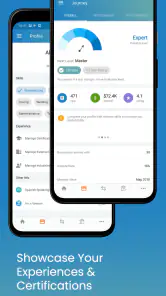
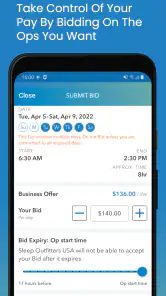
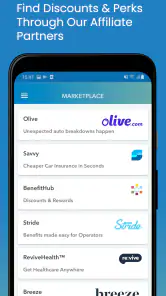
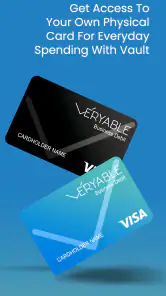
Analysis by Reviewed
My first impression of Veryable: Work. Next Day Pay was that it puts short-term work within reach of people whose schedules do not fit a standard weekly shift. That flexibility can be useful, but it also makes timing and a reliable connection matter: listings, applications, and updates are most useful when you can check them before making plans. I’d treat it as a way to explore available work, not a promise that a particular job will always be there.
When a connection matters most
The key moments are browsing nearby opportunities, deciding whether an assignment fits, and keeping up with messages or notifications. If I were checking during a commute or between errands, I’d review the details while I had a stable connection rather than wait until the last minute. That gives me time to compare the commitment with my calendar and avoid accepting work based on a hurried glance.
The app is free, and Veryable, Inc. develops it. It has a 4.2 average from around 11,000 ratings, with more than 1 million installs. Those figures suggest it has reached a substantial audience, though they cannot tell me whether a suitable opportunity will be available in my own area on a given day.
Mobile use and practical planning
Flexible work is especially appealing when I need to fit an assignment around classes, caregiving, another job, or an unpredictable week. A realistic routine might be to check listings over breakfast, compare any promising shift with travel time and existing commitments, then revisit the app before heading out for an update. I would keep the job’s location and schedule in mind rather than assume that a nearby listing is automatically convenient.
Notifications can help draw attention to new opportunities, but I wouldn’t rely on them as my only way to keep track. A notification may arrive when I’m busy or out of service, so checking the app at a time when I can make a considered decision is a sensible habit. This is less about constantly watching the screen and more about building a dependable routine around work that can change.
How the work platform fits everyday needs
How Does It Work?
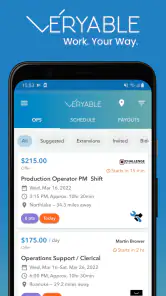
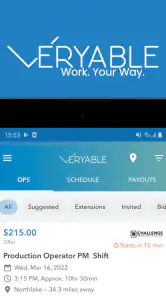
The app is pretty straightforward to navigate, which is a relief for someone like me who isn’t exactly tech-savvy. Upon opening the app, you’re greeted with a list of available gigs in your area. You can filter these gigs based on your skills, location, and availability. Once you find something that piques your interest, you simply apply. If selected, you show up, do the job, and soon enough, you’ll see your earnings pop up in your account the next day.
For someone who thrives on flexibility, the ability to choose when and where to work is a game-changer. Plus, the app sends you notifications about new gigs, so you're always in the loop. It’s like having a personal job scout right in your pocket!
More From Our News Desk

Clash of Clans Is Won Between the Battles

Android Auto Makes the Case for Quieter Car Software

MobiOffice: Transforming Mobile Productivity with Seamless Integration

EA SPORTS FC™ Mobile Soccer: Redefining Mobile Sports Gaming

How Microsoft OneDrive Became a Mobile Productivity Giant

How Google Translate Breaks Language Barriers Effortlessly
Making an informed choice before applying
I’d use the filters as a first pass, not as a substitute for reading each opportunity carefully. Skills and location can narrow the field, while the real decision is whether the specific assignment works with my transport, available hours, and energy that day. One useful trade-off is that flexible listings can widen my options but may require more frequent checking than a fixed roster. If I need guaranteed hours far ahead, a regular employer or scheduled part-time role is likely a better fit.
Compared with broad job boards, which are usually built around longer applications and ongoing vacancies, this platform is aimed at short-term assignments. Compared with general gig marketplaces, the focus on work opportunities and next-day pay gives it a different appeal, especially for someone looking for a practical shift rather than a long-term job search. The choice still depends on local availability and the kind of work I’m seeking; no single app replaces a stable position when predictable hours matter most.
User Experience
Let’s talk about the user experience because, honestly, it can make or break an app. Thankfully, Veryable nails it in this department. The interface is clean and intuitive, making it easy to browse through listings and manage your profile. They’ve also got a rating system in place, so you can check out reviews from other gig workers before deciding to apply. It’s reassuring to know you’re walking into a reliable workspace.
However, what really stood out to me is the community feel. You’re not just taking gigs; you’re part of a network of workers. There are forums and support resources available if you ever run into issues or need advice. It’s like joining a club where everyone’s got your back.
Connection hiccups and sensible recovery
Any work app becomes less useful when a connection drops at the moment I need to check an opportunity or respond. I’d avoid leaving an application or an important decision until I’m in a spot with unreliable reception. If something does not load, I’d reconnect and check the app again before assuming an action went through. For a time-sensitive assignment, confirming the current status is safer than relying on a screen that may not have refreshed.
That same caution applies to travel. I’d review the location and timing before setting off, while I have a working connection, and keep enough time to deal with ordinary delays. The app can help organize the search, but it cannot remove the practical uncertainty of getting to a job or guarantee that every listing will suit a worker’s circumstances.
Keeping mobile use focused
For people watching their data use, I’d make checks intentional: browse when connected to a dependable network where practical, and avoid repeatedly reopening listings just to see whether anything changed. Notifications can reduce the need for constant manual refreshing, although they should be balanced with the possibility of missing an alert while the phone is offline or busy. That approach keeps the app useful without turning it into a reason to monitor the phone all day.
It is also worth thinking about the phone’s battery and your own attention. A worker who depends on updates should start the day with enough charge and check the app before entering a place where reception may be patchy. These are small habits, but they matter more for short-notice work than they would for a job board where an application can wait several days.
What flexibility looks like in a real week
Imagine I have a changing class schedule and a free weekday morning. I could look through available assignments at home, use the filters to narrow the choices, and then compare a promising option with the time it takes to get there. If the listing fits, applying is only one step in the decision: I’d still need to keep an eye out for a response and make sure the plan remains workable. That extra checking is the cost of choosing assignments one at a time instead of receiving a fixed roster.
This workflow is most useful when I can be selective. I would decide in advance which days I can work, how far I’m willing to travel, and what kinds of assignments suit my experience. That simple boundary-setting makes the listings easier to judge and helps prevent the appeal of quick pay from pushing me into a commitment that clashes with another responsibility.
Who is likely to benefit—and who may prefer another route?
I see the strongest case for Veryable among people who can make room for individual assignments and want to explore work without committing to a fixed weekly schedule. It may suit someone bridging a gap between jobs, adding occasional shifts around other responsibilities, or testing whether short-term work is a good match. The app is listed for Everyone, and its current version is 6.5.7, with a minimum operating system requirement of 7.0.
It is less compelling if I need a dependable number of hours, a predictable long-term schedule, or income that does not depend on finding and completing suitable assignments. In those situations, I’d compare it with local employers, staffing agencies, or conventional job listings rather than rely on a flexible-work platform alone. Next-day pay is appealing, but I would still plan a budget around work actually secured and completed, not around opportunities I hope will appear.
Pay timing and realistic expectations
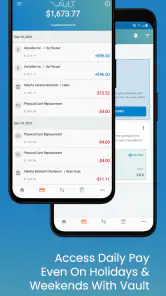
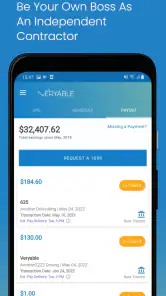
Next-day pay is a meaningful distinction when a worker is managing a tight budget, but I would not treat the phrase as a substitute for checking the terms attached to a particular assignment. The practical question is what work has been accepted and completed, not simply what appeared in a search. I’d keep a modest record of the shifts I take and the money I expect from them, then check that against my own budget rather than count on an unconfirmed opportunity.
That distinction also helps answer whether the app can replace a regular job. For some people it may be a useful source of additional shifts; for others, it is better viewed as one channel among several. If rent, childcare, or another fixed expense depends on a stable weekly amount, I would prioritize predictable work and use flexible assignments only where the schedule and earnings make sense.
Final Thoughts
In the ever-evolving gig economy, Veryable: Work. Next Day Pay is a breath of fresh air. It empowers individuals to take control of their work life, offering flexibility and immediate financial reward. Whether you’re looking for a side hustle or a temporary job to bridge unemployment gaps, this app is worth checking out. Just remember to keep your notifications on—you never know when your next gig might pop up!
As someone who's tried a fair share of gig apps, I can genuinely say this one ticks all the right boxes. So, if you're ready to dive into the world of flexible work opportunities, give Veryable a shot. You might just find it’s the perfect fit for your lifestyle.
What to check before making it your main option
Before building a routine around the app, I’d first see whether the assignments that appear match my skills, preferred travel range, and actual free hours. A promising service in principle is only useful if its opportunities suit the person using it. I’d also consider how much schedule variation I can tolerate: someone who can adapt from week to week may value choice, while someone who needs to arrange childcare well in advance may prefer work with a settled timetable.
There is a useful middle ground between relying on one source and ignoring it altogether. I could keep a regular job search or established work arrangement as my foundation, then use Veryable to look for suitable short-term opportunities around it. That approach reduces the pressure to accept an assignment simply because it is available and lets me judge each one on its own merits.
My connectivity verdict
For me, the main takeaway is that this app works best when I pair its flexibility with a little planning: check opportunities when the connection is reliable, read details before applying, and confirm updates before acting on them. The app’s business focus and short-term work model make it a useful option to explore, but not a substitute for guaranteed shifts. If that balance matches what you need, it is worth trying; if stable hours come first, I’d look elsewhere or use it only as a supplement.
Veryable: Work. Next Day Pay Frequently Asked Questions
Is Veryable available for both Android and iOS?
Veryable is a mobile app for finding flexible work, and its minimum operating-system requirement is version 7.0. Before downloading, check that your device meets the requirement and that the app is available through the app store you normally use. The app is free to download, so you can get started without paying an upfront app charge.
Who develops Veryable, and what is the app’s age rating?
Veryable is developed by Veryable, Inc. Its content rating is Everyone, so the app is intended for a broad audience. It focuses on business and work opportunities rather than entertainment, with features described around flexible scheduling, daily pay, exclusive perks, and skill building. As with any work platform, review each opportunity carefully before deciding whether it suits you.
What is Veryable: Work. Next Day Pay?
Veryable is a platform that connects workers with on-demand gigs in various industries, offering the flexibility to choose when and where to work. It allows users to earn money quickly by providing next-day pay for completed tasks. This app is ideal for those seeking flexible work hours and immediate earnings.
How does the next-day pay feature work in Veryable?
Veryable’s next-day pay feature allows workers to receive payment for their completed gigs within 24 hours. After finishing a job, the payment is processed and directly deposited into the user's account, making it a convenient option for those who need quick access to their earnings. Users should ensure their banking details are correct for seamless transactions.
What types of jobs are available on Veryable?
Veryable offers a wide range of jobs primarily in industries such as manufacturing, warehousing, logistics, and general labor. Users can browse through available gigs in their area and select ones that match their skills and availability. The platform is designed to cater to various skill levels, from entry-level to more experienced positions.
Pros
- Flexible work schedule options.
- Quick and easy job application process.
- Next-day pay for completed work.
- Variety of job opportunities available.
- User-friendly interface.
Cons
- Limited job availability in some areas.
- Inconsistent work hours.
- No benefits or health insurance.
- Jobs may require specific skills.
- App occasionally crashes.

- Category
- Business
- Version
- 6.5.7