Vay - rent a car by the minute
- 127.00
- 4.9
- Installs
- 50.00K
- Price
- Free

Screenshots


Analysis by Reviewed
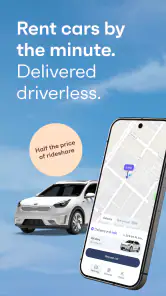
I approached Vay - rent a car by the minute as a practical travel tool rather than another ordinary car-rental app. Its idea is simple: arrange access to an electric rental car, have it delivered, and use it for the part of a journey where public transport, taxis, or owning a vehicle would be inconvenient. That makes it interesting for short urban trips, planned errands, and situations where I need a car without committing to a traditional rental period.
Vay Technology places the app in the Travel & Local category, and the free download makes it easy to try without adding an upfront cost. The app is rated 4.9 from around eight hundred ratings, with more than one hundred written reviews and over fifty thousand installs. Those figures suggest a small but notably positive user base rather than a mass-market service that everyone already knows.
What matters to me, though, is not the rating alone. A minute-based electric-car service succeeds only when the app feels quick during booking, remains dependable when plans change, and does not become a burden on an older phone. After using it with that standard in mind, I see a focused service with a compelling alternative to taxis and conventional rentals, but also one that suits a particular kind of trip much better than every possible journey.
How the app feels when speed matters
The first impression is shaped by the time between deciding to travel and actually arranging the car. With a service like this, I would not want to spend several minutes moving through unnecessary screens while standing outside a station or trying to leave an appointment. The concept depends on reducing friction: I choose the service, organize the rental, and get moving without the long handover process associated with a standard rental desk.
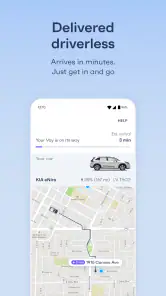
That does not mean every part of the experience is instant. The app is coordinating a real vehicle rather than simply calling a digital taxi, so the useful measure of speed is not just how quickly a screen opens. It is how clearly the app helps me understand the next step. A fast interface is still frustrating if I am uncertain about where the car will arrive, when I should be ready, or what I need to do before driving.
I found the strongest value in planned short journeys. If I know I will need a car later in the day, arranging it before leaving home gives the service more room to work naturally. I can think through the destination, avoid making a rushed decision, and begin the trip with fewer surprises. For an unplanned emergency, I would still compare the expected wait with a taxi or nearby public transport before committing.
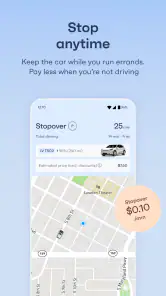
The minute-based approach also changes how I think about time. A normal rental encourages me to accept a fixed block of hours, even if I only need the vehicle briefly. Here, the appeal is the possibility of paying for a more closely matched period of use. That can be especially useful for a quick shopping trip, a medical appointment, or carrying something awkward that would be difficult on a train or bus.
More From Our News Desk

Clash of Clans Is Won Between the Battles

Android Auto Makes the Case for Quieter Car Software

MobiOffice: Transforming Mobile Productivity with Seamless Integration

EA SPORTS FC™ Mobile Soccer: Redefining Mobile Sports Gaming

How Microsoft OneDrive Became a Mobile Productivity Giant

How Google Translate Breaks Language Barriers Effortlessly
There is a trade-off that is easy to overlook: the app may make the reservation feel efficient, but the overall journey still depends on delivery and real-world traffic. I would not use it with the assumption that a digital booking removes every delay. My practical tip is to arrange the car before the last possible moment, particularly when arriving somewhere at a fixed time. The service is most convincing when convenience is planned, not when I expect it to behave like an instant button.
A realistic everyday trip
Imagine I have finished work with a few bulky purchases and need to get home across town. A bus would be cheaper in some circumstances, but carrying everything through multiple connections would be tiring. A taxi might be quick, yet I would have no control over the vehicle beyond the ride itself. A traditional rental could solve the transport problem, but the paperwork and time commitment would feel excessive for one short outing.
This is where the app makes sense to me. I could arrange an electric car for the necessary trip, use it for the practical part of the journey, and avoid maintaining a personal vehicle for occasional needs. The best case is not a dramatic road trip; it is an ordinary day where the app removes one awkward transport problem without turning it into a full rental project.
For that scenario, I would prepare a backup plan before confirming. I would check the meeting point, allow extra time for the handover, and keep another route in mind in case the delivery does not fit my schedule. That is not a criticism unique to this service. It is simply the sensible way to use any app that connects a digital request with a physical vehicle.
What happens during heavier use
The demanding moments are not necessarily long periods of browsing. They are the moments when I am switching between the app and the real world: checking a booking, following delivery progress, reviewing instructions, or trying to recover from a poor connection. A travel app can feel perfectly smooth at home and much less comfortable when I am outdoors, carrying bags, or watching the clock.
In those situations, clear navigation matters more than decorative design. I want the current action to be obvious and the next action to be easy to find. Vay’s purpose is narrow enough that it does not need to overwhelm me with unrelated travel content. That focus is a strength because the app can stay centered on arranging and managing the car rather than becoming a general-purpose travel portal.
Heavy use also includes repeated checks before a journey. I may open the app several times to confirm the arrangement, review timing, or make sure I am still prepared. A well-behaved travel app should tolerate that pattern without making me restart the entire process. My experience suggests that the service is better suited to deliberate checking than to frantic tapping through multiple last-minute changes.
That distinction is important for people who often travel spontaneously. If my routine changes constantly, I would be cautious about depending on a minute-based rental as my only option. The app can be convenient, but the vehicle is still a limited physical resource. A taxi network or a dense public-transport system may offer more flexibility when I need to leave immediately and cannot wait for a specific car arrangement.
Resource demand is another practical consideration. The app is not the sort of tool I would expect to keep open continuously. I would use it to organize a trip, check the relevant details, and return when necessary. That usage pattern should be easier on a phone than leaving a map-heavy or media-heavy application running for hours, although the real workload will depend on the device, connection, and the active booking process.
My most useful habit is to avoid doing the important part of the booking while multitasking. I would finish the arrangement in one sitting, read the instructions carefully, and only then switch to another app. That reduces the chance of missing a confirmation or confusing the rental task with an ordinary map search. It also makes the service feel faster because I am not repeatedly interrupting the process.
Recovery when a plan goes wrong
No travel service should be judged only by its ideal journey. The more revealing test is what happens when I lose connectivity, close the app accidentally, arrive at the wrong place, or realize that my schedule has changed. I look for a clear route back into the active booking rather than a need to reconstruct everything from memory.
My advice is to review the important trip details before leaving a reliable connection. I would also keep the phone charged and avoid assuming that every recovery step can be completed comfortably with a nearly empty battery. These are ordinary precautions, but they matter more when the app is part of the access process for a physical car.
The service is not the right choice for someone who wants a completely invisible rental experience. Even if the app is straightforward, I still need to pay attention to timing, meeting arrangements, and the responsibilities that come with driving. A conventional taxi may be better when I want someone else to handle the driving, and public transport may be preferable when I want the lowest-complexity option.
Reliability beyond the first successful booking
Vay’s high average rating gives me confidence that the overall concept works well for many users, but reliability has several layers. There is the reliability of the app opening and responding, the reliability of the booking information, and the reliability of the vehicle delivery itself. A polished interface cannot compensate for a car that is not available when I need it, while a dependable delivery cannot fully rescue confusing instructions.
What I appreciate is the clear relationship between the app and the service. This is not merely a directory of rental companies. It is intended to be the working point for arranging an electric car and managing the journey around that arrangement. That focus makes it easier for me to understand why I am using it and when it is likely to be useful.
Still, I would not treat the app as a universal replacement for ownership or every other rental model. Someone who needs a car for a full day, wants to travel far beyond the service area, or requires a particular vehicle type may be better served by a traditional rental company. Someone who only needs a short ride and does not want to drive may find a taxi more appropriate. The strongest match is the person who wants temporary access to an electric car for a defined urban need.
The developer, Vay Technology, has kept the product identity focused on that use case. The store summary describes delivered electric rental cars and a smarter, cheaper way to drive, but my judgment is more conditional: it can be cheaper or more convenient when the trip is short and the timing is manageable. It should not be assumed to win on every route, especially when public transport is direct or when a taxi removes the need to park and drive.
I also pay attention to how much confidence the app gives me before I commit. A useful rental workflow should help me decide whether the service fits the journey, not simply encourage me to start. I would compare the expected total effort with the alternatives: walking to a station, waiting for a bus, calling a taxi, or collecting a conventional rental. That comparison is where the app earns its place.
Device constraints and practical preparation
The current version is 1.26.0, and the app supports phones running Android 7.0 or later. That broad compatibility is helpful for people who do not upgrade frequently, although compatibility alone does not guarantee a perfect experience on every older handset. A phone with limited storage, an aging battery, or unreliable mobile data can still make a travel workflow stressful.
I would install it before the day I actually need the car. That gives me time to sign in, understand the booking flow, and check whether my phone handles the app comfortably. Testing it while standing outside a venue with a deadline is the wrong moment to discover that an older device is slow or that I have forgotten an account detail.
The app is free to install, but that should not be confused with a free rental. The cost decision belongs to the trip itself, and I would compare the expected rental expense with a taxi, public transport, or a normal car hire. The minute-based model can be attractive for short use, yet a longer outing may change the calculation. This is one of the most important questions a new user should answer before relying on it.
Because the content rating is Mature 17+, I would also consider whether the intended user is old enough for the service and comfortable with the responsibilities of driving. The rating is not a substitute for checking local driving requirements or rental conditions, but it does signal that this is an adult-oriented mobility tool rather than a casual travel game or a child-focused navigation app.
Battery management deserves more attention than it usually gets. When an app is involved in accessing a vehicle, I do not want to begin with a phone at the edge of its charge. I would top up the battery, keep mobile data available, and avoid closing the app before I have finished the active part of the journey. These steps are simple, but they improve recovery if I need to consult the booking again.
For older devices, I would keep other demanding apps closed during the handover period. I would not describe Vay as inherently resource-heavy from its purpose alone, but travel workflows become demanding when location services, connectivity, maps, notifications, and repeated screen checks overlap. The safe approach is to give the app enough system resources and to avoid treating a budget phone as if it had unlimited battery and memory.
Who should use it and who should choose something else
I would recommend the app to urban users who occasionally need a car but do not want the fixed cost of ownership. It is especially appealing when the journey involves luggage, shopping, equipment, or a destination that public transport serves poorly. It also suits people who like the idea of driving an electric vehicle without arranging a conventional long rental.
It may also help visitors who want more independence than a taxi provides, provided the service is practical for their location and schedule. The important distinction is that I would plan around the service rather than assume a vehicle will always be ready at the exact second I decide to travel. Checking the arrangement early is part of using it well.
I would skip it for a trip where I do not want to drive, for a journey with a very tight departure deadline, or for a long rental whose economics are likely to favor a standard hire. I would also choose public transport when the route is direct and inexpensive, because adding a car can introduce parking, traffic, and handover concerns that the train or bus avoids.
Compared with a taxi, Vay potentially gives me more control over the vehicle portion of the trip, but I take on the driving task and the need to manage the rental. Compared with a traditional rental, it promises a more targeted way to access a car instead of accepting a broad rental period. Compared with owning a car, it removes maintenance and long-term commitment, while giving me less certainty about immediate availability.
That comparison explains the app’s real niche. It is not trying to make every form of travel obsolete. It is useful in the middle ground between a ride I do not control and a car I own or rent for too long. Once I understand that middle ground, deciding whether to use it becomes much easier.
My performance verdict after weighing the trade-offs
My overall impression is positive, with one important condition: I would use Vay for planned, practical urban journeys rather than as my only emergency transport option. The app’s focused purpose, free installation, electric-car model, and delivery-based approach make it meaningfully different from a standard rental directory. The strong user rating reinforces the sense that the idea has landed well with the people it targets.
From a performance perspective, I expect the best experience when I prepare in advance, use a reasonably capable phone, and keep the booking details easy to access. The app should not need to be a constant background companion, and its value comes from completing a specific mobility task rather than entertaining me between trips. That focused workload is a good match for occasional use.
The main friction is not the concept itself but the dependence on timing and real-world coordination. A fast screen cannot guarantee a fast vehicle, and a convenient rental can become less attractive if I am rushing, carrying a nearly dead phone, or comparing it with a direct bus route. I would therefore judge each journey individually instead of assuming the service is automatically cheaper or quicker.
For me, the best reason to install it is flexibility without ownership. I can consider an electric car for the occasions when walking, buses, or taxis do not fit, while avoiding the commitment of keeping a vehicle available every day. The best reason to skip it is equally clear: if I need a driver, instant departure, or a long uninterrupted rental, another option will probably be simpler.
My final recommendation is to try Vay when your travel needs sit between a taxi ride and a conventional car rental. Install it ahead of the first important journey, learn the booking process while you have time, compare the trip with your usual alternatives, and keep a small buffer for the physical handover. Used that way, this Travel & Local app feels like a thoughtful solution to a very specific problem: getting temporary access to an electric car without turning a short trip into a full-time ownership decision.
Vay - rent a car by the minute Frequently Asked Questions
Is Vay free to download, and what devices can run it?
Vay is free to download, and its current version is 1.26.0. The app requires Android 7.0 or later, so check your device’s operating system before installing. Downloading the app does not mean that the car rental itself is free; rental charges and any applicable fees depend on the trip and the terms shown in the app.
What is Vay – rent a car by the minute?
Vay is a car-rental service designed for short, flexible trips. Instead of renting a vehicle for an entire day, users can typically book a car for the time they need and pay according to the rental period or applicable service charges. The app is intended for convenient urban transportation, although availability, vehicle types, pricing, and operating areas depend on the city where Vay operates.
How do I rent a car through the Vay app?
After installing Vay, you generally need to create an account, verify your identity and driving eligibility, and add an accepted payment method. The app can then show available vehicles or rental options near you. Before confirming, carefully review the estimated price, pickup instructions, service area, and any requirements. You should also inspect the car and report existing damage when the app requests it.
Who can use Vay, and what documents are required?
Vay is normally intended for licensed drivers who meet the company’s age, driving-history, and identity requirements. During registration, you may be asked to submit a valid driver’s license, personal details, and sometimes additional verification documents or payment information. Requirements can vary by location, so approval is not guaranteed simply because the app is available for download.
How much does renting a car with Vay cost?
The total cost depends on factors such as the vehicle, rental duration, city, demand, distance or usage rules, taxes, and possible booking or service fees. The price shown before confirmation should be treated as an estimate unless the app clearly identifies it as a fixed rate. Check the final fare, cancellation policy, fuel or charging responsibilities, and potential late-return or damage charges before starting your trip.
Pros
- Cars can be rented for short trips without committing to a full-day booking.
- The app shows nearby vehicles and helps locate them quickly.
- Flexible drop-off zones make one-way journeys more convenient.
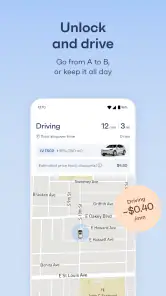
- Digital unlocking reduces waiting time at pickup.
- Useful for occasional travel when owning a car is unnecessary.
Cons
- Vehicle availability may be limited outside busy areas or peak hours.
- Prices can vary depending on demand
- location
- and rental duration.
- You may need to walk some distance to reach the nearest available car.
- Parking and drop-off rules can differ between service zones.
- Extra charges may apply for late returns
- damage
- or unsuitable parking.
- Category
- Travel & Local
- Version
- 1.26.0