Ubigi: Travel eSIM & data plan
- 334.00
- 3.3
- Installs
- 1.00M
- Price
- Free

Screenshots





Analysis by Reviewed
I find a travel eSIM most useful when it removes a small but persistent travel worry: being able to look up directions or contact someone after landing. Ubigi: Travel eSIM & data plan is built around that need. Ubigi is a free travel and local app from Transatel, and its current version is 3.6.3. The app has an average rating of 3.3 from around 4,900 ratings, so I would treat it as a practical option worth comparing rather than assuming every traveler will have the same experience.
Where it fits into a travel day
The key difference from a physical SIM is the setup model: Ubigi is intended to provide mobile data through a virtual SIM, so you can avoid swapping a small card at your destination. That is handy when you want to keep your usual SIM in place for calls or texts while using a separate data connection. I would still check that your phone supports eSIM and that you can complete setup before departure; sorting connectivity out at home is less stressful than doing it on airport Wi-Fi.
For example, imagine landing in a new city with a train to catch and a hotel address saved in a message. Having data ready can make it easier to check the route, message your host, and find the right station exit without first searching for a local shop. This is where a travel eSIM can be more convenient than buying a physical SIM on arrival. It is less compelling if your carrier already gives you affordable roaming, or if you need a local number rather than data access.
Choosing a plan without guesswork
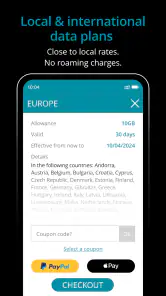
Ubigi lets you buy plans in the app for multiple countries, which suits both a single-destination holiday and a trip with several stops. Before choosing, I would map the plan to the itinerary rather than buying based only on the first destination: check that every country you will visit is covered, and think about how much you rely on data away from Wi-Fi. A navigation-heavy city break and a trip spent mostly at a hotel can have very different needs.
A useful habit is to download maps, tickets, and other essentials before leaving reliable Wi-Fi, then use mobile data for live directions, messages, and changes to plans. That reduces pressure on any travel data allowance and gives you a fallback if coverage is patchy. Since the app supports 5G where available, the connection may be faster in places with compatible coverage, but I would not plan around 5G being present everywhere; destination coverage and your device both matter.
Everyday trade-offs before you buy
One detail I would think through is which connection your phone will use for each task. An eSIM for data can sit alongside your regular SIM, but that does not make the two interchangeable: calls and texts may still depend on your ordinary line, while internet-based messaging needs data. Before travelling, I would check the phone’s mobile-data selection and roaming settings so the intended line is handling data. A quick test at home helps catch a setup mistake before it turns into a search for airport Wi-Fi.
For a short trip with several border crossings, a plan that covers the full route can save the repeated effort of sourcing a new SIM at each stop. The reverse is also worth considering: if you are spending a long time in one country, a local provider may offer a better fit for sustained use or local voice needs. I would compare the actual destinations and the kind of service I need, rather than assuming an eSIM is automatically the cheapest or most comprehensive choice.
More From Our News Desk

Weather by Xiaomi Review: Clear at a Glance, Less Clear Up Close

X Under Pressure: Can It Recover When Posting Goes Wrong?

Clash of Clans Is Won Between the Battles

Android Auto Makes the Case for Quieter Car Software

MobiOffice: Transforming Mobile Productivity with Seamless Integration

EA SPORTS FC™ Mobile Soccer: Redefining Mobile Sports Gaming
How it compares, and where I would hesitate
Against carrier roaming, an eSIM app can make costs and destination choices easier to manage, while roaming may be simpler if your existing plan already includes travel data. Compared with a physical SIM bought locally, Ubigi avoids the card swap, but a local SIM may suit someone who wants a local number or expects to stay for a long time. For a traveler who mainly needs occasional messages and has dependable Wi-Fi, either option could be more than necessary.
I would also keep expectations measured. The app’s average rating is 3.3, which suggests experiences are mixed, and a smooth interface cannot guarantee equally smooth service in every location. Before relying on it for work or an important arrival, I would confirm device compatibility, plan coverage, and setup while I still have a dependable connection. If anything goes wrong, having key addresses and booking details available offline is sensible travel preparation, not a criticism unique to this app.
Getting Started with Ubigi
First things first, downloading and setting up Ubigi was a breeze. The app is available for both Android and iOS, which is great because no one likes platform limitations. Once installed, the app walks you through the setup process with easy-to-follow instructions. It's like having a personal tech guide in your pocket, ready to assist.
Design and Usability
The design of the app is sleek and intuitive. Everything is where you'd expect it to be, and the navigation is smooth. I appreciated the minimalist approach because, honestly, who has time to figure out a complex app interface when you're trying to catch a flight or explore a new city?
That simplicity is most useful when you are preparing rather than already in a rush. I would open the app before departure, review the available destinations and plans, and make sure I understand the installation steps while connected to reliable Wi-Fi. This turns setup into a deliberate task instead of something to troubleshoot with a queue behind you. It also gives you time to check the phone’s eSIM settings and confirm the data line you intend to use.
Features That Stand Out
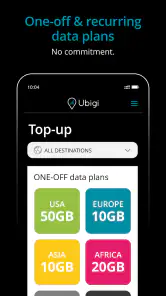
One of the standout features is the ability to purchase data plans directly through the app for multiple countries. Whether you're hopping from Paris to Tokyo or just chilling in one country, Ubigi has got you covered. The app offers a variety of plans tailored to different needs, which means you can pick what works best for you without breaking the bank.
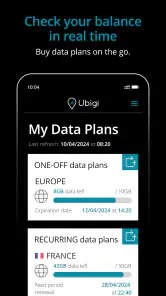
Another cool feature is the ability to switch between different data plans. This flexibility is a game-changer, especially for frequent travelers. And yes, the app supports 5G, so you can enjoy fast internet speeds where available.
For a practical plan choice, I would estimate usage by separating essentials from luxuries. Maps, transit updates, and messaging are the things I would want to work when I am away from Wi-Fi; high-volume media use is easier to postpone until I am back on a trusted connection. This is not about guessing an exact allowance from a generic rule. It is about looking at your own habits, trip length, and planned Wi-Fi access before selecting a plan, then avoiding unnecessary background data use where your phone allows it.
Performance
In terms of performance, Ubigi delivers as promised. The connection is stable, and I didn't experience any major hiccups while using it across different locations. This reliability is crucial when you're relying on your phone to navigate, communicate, and share your travel experiences in real-time.
Even with a good experience, I would treat mobile coverage as local rather than guaranteed everywhere. A connection that works well near a station may be less dependable inside a building or outside a major town. If I were travelling for an important appointment, I would save the address and route in advance and keep the booking details accessible offline. That small backup is useful with any mobile provider, and it makes an eSIM more reassuring rather than asking it to be infallible.
Who benefits most, and who may prefer another option
I see the clearest fit for people who value an immediate data connection after arrival, dislike handling tiny SIM cards, or have a route that crosses more than one country. It can also suit a traveller whose normal number needs to remain reachable while mobile data comes from a separate travel connection. The benefit is less about replacing every part of a phone plan and more about keeping basic online tasks available without changing the physical SIM.
I would hesitate if you need a local phone number, expect heavy data use for an extended stay, or already have roaming that meets your needs at a reasonable cost. It may also be the wrong choice for someone whose phone does not support eSIM. In those cases, checking the carrier’s roaming terms or comparing a local physical SIM is more sensible than choosing an eSIM simply because it sounds convenient.
Product maturity and what to check
Ubigi was released on June 20, 2018, and its current version, 3.6.3, gives travelers a concrete version to check before installing. That does not tell me exactly what changed between releases, so I would not infer a particular new feature or improvement from the version number alone. For existing users, the practical question is whether the app and eSIM setup still behave as expected on their phone; I would review the app’s current device and plan details before a trip instead of relying on an old setup memory.
For someone who already uses the app, the sensible routine is to review the plan for the next itinerary rather than assume a previous choice will suit a different journey. A one-country break and a multi-stop trip create different coverage needs. I would also check that the app is up to date before leaving, then verify the destination and data-line settings once the plan is ready. The version number is a useful reference point for identifying the app installed, not proof by itself that a particular problem has been fixed or a feature newly added.
The app is rated for Everyone and has more than one million installs, which shows it is used broadly, but neither fact guarantees coverage or a trouble-free connection at a specific destination. I would consider Ubigi especially for a short trip, a multi-country itinerary, or a first day when immediate data is more valuable than finding a SIM shop. Someone staying in one place for an extended period, needing local voice service, or relying on data for critical work may be better served by comparing local options and keeping a backup connection.
Questions worth settling before departure
The first practical question is whether your phone can use an eSIM. I would check the device settings or manufacturer guidance before buying, because an app cannot overcome incompatible hardware. The next is whether the plan covers every stop on your route; for a trip with layovers or border crossings, I would include those destinations in the check rather than focus only on the final hotel.
It is also worth deciding what you expect the connection to do. If you need internet access for navigation and messaging, a data-focused option may fit. If you need ordinary calls through a local number, compare other arrangements before travelling. And if your trip depends on uninterrupted work access, I would not make any single mobile connection the only plan: save essential documents offline and know what alternative connectivity is available at your destination.
Finally, I would treat 5G as a possible benefit, not a promise for every leg of a journey. The actual experience depends on compatible coverage and the phone being used. Preparing for ordinary mobile data rather than counting on the fastest available network keeps expectations realistic and makes the app easier to judge fairly.
Ending Thoughts
Overall, Ubigi: Travel eSIM & data plan is a solid choice for travelers who want to stay connected without the hassle of swapping SIM cards or dealing with exorbitant roaming charges. It's user-friendly, efficient, and offers a range of data plans to suit different travel needs. If you're planning your next trip and connectivity is a priority, I'd say give Ubigi a shot. It just might become your favorite travel companion.
My recommendation comes with a simple condition: choose it for the convenience of travel data, not as a substitute for checking your device, route, and communication needs. If those line up, setting things up before leaving home can make the first hours in a new place feel much easier. If they do not, a carrier plan or local SIM may be the better match. Either way, a little preparation matters more than expecting any app to solve every connectivity problem on the road.
Ubigi: Travel eSIM & data plan Frequently Asked Questions
Can I keep my regular SIM active while using Ubigi?
Ubigi is designed to add mobile data through an eSIM, so it can be useful alongside a regular SIM on a compatible device. This lets travelers keep their usual number available for calls or messages while using Ubigi for internet access. Check your phone’s SIM settings before traveling so you know which line is selected for mobile data and avoid unexpected roaming charges.
Does Ubigi provide mobile data for international travel?
Yes. Ubigi is a virtual SIM card for mobile internet connection and international roaming, including 5G connectivity. The app is in the Travel & Local category and is developed by Transatel. It is intended for travelers who want to get online abroad without relying on a physical SIM card, with the relevant data plan managed through the app.
What is Ubigi and how does it work?
Ubigi is a travel eSIM and data plan application designed to provide seamless internet connectivity for travelers without the need for physical SIM cards. It works by allowing users to download an eSIM profile to their compatible device, enabling them to access mobile data services in multiple countries through the app. The process is simple: install the app, choose a data plan, and connect to the network without any hassle.
Is my device compatible with Ubigi's eSIM?
Before downloading Ubigi, it's crucial to check if your device is eSIM compatible. Most modern smartphones, particularly those from major brands like Apple, Samsung, and Google, support eSIM functionality. However, it's advisable to confirm compatibility through the device specifications or Ubigi's official website to ensure seamless operation.
What are the benefits of using Ubigi for international travel?
Using Ubigi for international travel offers several benefits, including the convenience of not needing to swap physical SIM cards, access to competitive data rates across numerous countries, and the ability to manage data usage through a single app. This makes it an ideal solution for frequent travelers who want to stay connected easily without incurring high roaming charges.
Pros
- Easy to set up without physical SIM card.
- Wide coverage in over 190 countries.
- Flexible data plans for short or long trips.
- No contract or hidden fees involved.
- Supports multiple devices with one eSIM.
Cons
- Limited voice call capabilities.
- App interface can be confusing initially.
- Data speed may vary by location.
- Higher cost in certain countries.
- Requires internet to activate eSIM.
- Category
- Travel & Local
- Version
- 3.6.3