TrackMyTour
- 4.00
- 3.4
- Installs
- 10.00K
- Price
- Free

Screenshots
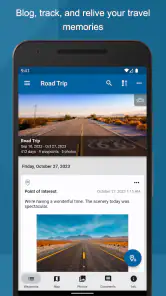
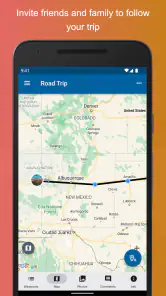
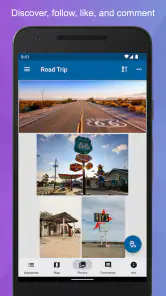
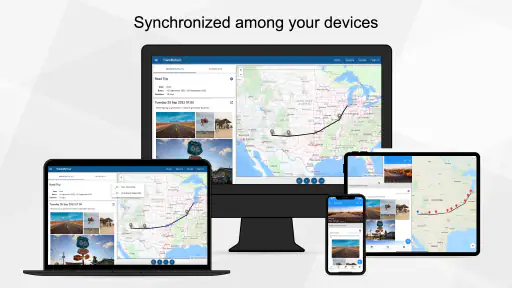

Analysis by Reviewed
When I tried TrackMyTour, I found an app with a clear and useful idea: turn a journey into something friends, family, or fellow travelers can follow and remember. It sits in the Travel & Local category, but it feels more personal than a standard map or booking tool. The focus is not simply getting from one place to another. It is about sharing the shape of a trip and building a record around it.
That focus is also the reason I would not recommend it to everyone. If you only need directions, reservations, or a quick list of nearby places, a conventional maps app will probably be faster. TrackMyTour makes more sense when the journey itself matters and when other people need to see, follow, or revisit it. My overall view is positive but measured: it is a specialized travel companion, not a universal replacement for the usual travel apps.
What using TrackMyTour feels like in practice
The app is developed by TrackMyTour and is free to install, which makes it easy to test before committing to a particular travel workflow. Its store summary, “Travel Sharing & Books,” points toward two related uses: sharing an active trip and preserving travel experiences in a more lasting form. I found that combination more interesting than treating the app as just another location tracker.
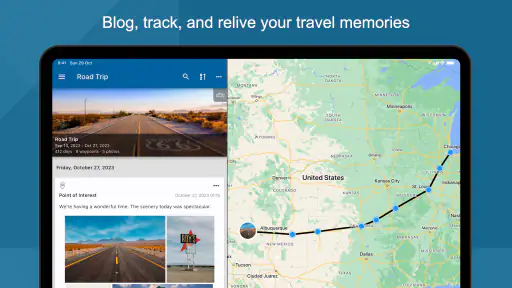
A useful way to think about it is as a shared travel diary with a live element. A traveler can use it while moving between destinations, while people at home can use it to keep up with the route. Later, the same journey can function as a personal record rather than disappearing into a camera roll and a collection of scattered messages.
That distinction matters because ordinary alternatives usually divide these jobs between several tools. A maps application handles navigation, a messaging app handles updates, and a photo service stores memories. TrackMyTour is appealing when you want those travel moments organized around the trip itself instead of split across unrelated conversations and folders.
In my experience, the best results come from deciding before departure what the trip is meant to be. If the goal is to keep relatives informed, the sharing side deserves attention. If the goal is to create a readable travel record, the trip should be updated consistently rather than only at the end. The app rewards a little planning more than casual, occasional tapping.
The strongest reason to use it
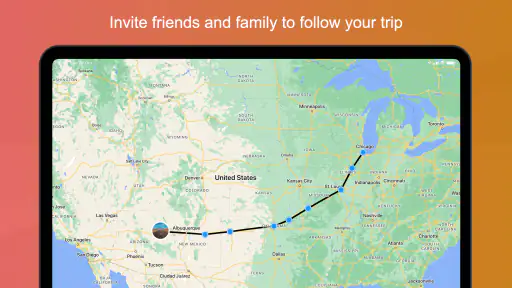
The strongest part of the concept is the shared context. A single update about a city, stop, or stretch of road says more when it belongs to a visible journey. Instead of sending isolated messages such as “we arrived” or “we are heading north,” a travel companion can understand where that update fits in the larger route.
More From Our News Desk

Clash of Clans Is Won Between the Battles

Android Auto Makes the Case for Quieter Car Software

MobiOffice: Transforming Mobile Productivity with Seamless Integration

EA SPORTS FC™ Mobile Soccer: Redefining Mobile Sports Gaming

How Microsoft OneDrive Became a Mobile Productivity Giant

How Google Translate Breaks Language Barriers Effortlessly
This is particularly useful for a multi-stop holiday. Imagine a couple driving through several towns while their family wants occasional reassurance without starting a new group conversation for every update. A dedicated tour record gives those updates a home. The travelers can add to it at a pace that feels comfortable, while the people following the trip can return to the same place rather than searching through a busy chat.
There is a quieter benefit for solo travelers too. A trip record can make a long journey feel less isolated, especially when sharing selected progress with trusted people. I would still treat any location-sharing tool thoughtfully and avoid broadcasting sensitive information widely, but the basic idea is practical: people can stay connected without demanding constant live conversation.
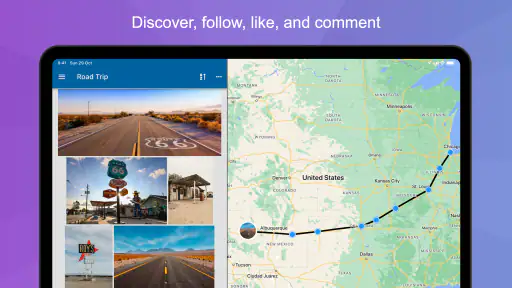
The book-like side is valuable after the journey. Travel memories often become difficult to reconstruct because photographs, notes, and messages are stored in different places. A structured tour gives the experience a beginning, middle, and end. That makes it easier to revisit a route months later or show it to someone who was not there.
Three workflows that make the app more useful
My first practical suggestion is to create a simple rhythm for updates rather than trying to document everything. For a day trip, one update when leaving, one meaningful stop, and one arrival note may be enough. This avoids turning the experience into administrative work and produces a clearer story than a stream of minor location changes.
My second suggestion is to separate audience needs before sharing. A close family member may want progress information, while a wider group may only care about selected highlights. Keeping those purposes in mind helps prevent the tour from becoming either too private to be useful or too public for comfort. The app is most effective when sharing is intentional, not automatic by habit.
My third suggestion is to treat the final record as an edited memory, not merely an activity log. After a trip, I would remove repetitive updates and keep the moments that explain why a stop mattered. This is a non-obvious advantage of the travel-book idea: a smaller, more thoughtful record can be far more enjoyable to revisit than a complete but cluttered timeline.
These workflows also reveal an important trade-off. TrackMyTour can make a journey more coherent, but it asks the traveler to participate. Someone who never wants to write, organize, or share anything may find the experience unnecessary. The value grows with the care put into the record.
Where it fits beside maps, chats, and travel journals
Compared with a normal maps app, TrackMyTour is less about immediate navigation and more about the social and memorable side of movement. I would open a map when I need the quickest route, traffic information, or a nearby business. I would open TrackMyTour when I want the trip itself to be understandable to another person.
Compared with a messaging app, it offers a more focused setting for travel updates. Chat is excellent for quick questions and spontaneous conversation, but important trip details can become buried. A dedicated tour can keep progress in one place. The trade-off is that a chat feels more natural for casual interaction, while a tour requires people to adopt a separate destination for the information.
Compared with a private travel journal, the sharing angle is the main difference. A journal can be deeply personal and completely offline in spirit, while TrackMyTour is designed around connecting a journey with other people. I would choose a traditional journal for reflective writing that should remain entirely private. I would choose this app when the route and the people following it are part of the experience.
It is also worth remembering that no single travel app needs to do every job. I would not replace a booking service, navigation tool, or emergency contact plan with TrackMyTour. Its strength is narrower and more human: organizing the story of a trip so that movement, updates, and memories relate to one another.
The meaningful weakness: effort, audience, and expectations
The main weakness is not a broken idea; it is the effort required to make the idea worthwhile. A shared travel record only helps if the traveler updates it and the intended audience actually checks it. That creates a social dependency that ordinary maps do not have. Directions work for one person immediately. A travel-sharing app becomes stronger when several people use it in the way it was intended.
There may also be a learning curve in deciding how much to share. Some users will want a detailed account, while others will prefer a few broad milestones. If you approach the app expecting fully automatic documentation, you may be disappointed by the amount of personal judgment involved. I found that its best use is deliberate rather than passive.
Privacy is another consideration that should not be treated casually. Sharing a route can reveal where someone is, where they have been, or when they are away from home. I would use it with a limited audience, avoid posting unnecessary real-time detail, and think carefully before sharing a complete itinerary publicly. That is not a criticism unique to this app, but it is especially relevant to a product centered on travel sharing.
The mature age classification is worth noticing as well. The app is marked Mature 17+, so families should not assume it is automatically suitable for younger travelers simply because the subject is tourism. Parents and guardians should review the experience and sharing habits before involving teenagers.
Another point is the paid layer. The app itself is free, but in-app purchases are listed at $19.99 per item. That does not make it poor value, yet it does mean I would test the free experience first and decide whether the extra purchase fits the way I travel. For an occasional weekend away, paying for an added option may feel unnecessary. For someone who regularly creates substantial travel records, the calculation could be different.
The current version is 6.3.3 and it supports devices running Android 8.0 or later. That gives many existing Android users a reasonable starting point, although anyone using an older device should check compatibility before planning a trip around it. I would also update and test the app at home, rather than installing it for the first time at an airport or in an area with unreliable connectivity.
A realistic everyday travel scenario
Consider a family taking a road trip with one person managing the route and another handling photos. Before leaving, they can decide that the tour will contain only major stops and short notes. During the day, the route manager records progress while the photographer contributes the moments worth remembering. Relatives who stayed home can follow along without repeatedly asking for updates.
At the end of the trip, the family has something more useful than a long message thread. The route explains the order of the holiday, and the selected memories explain what made each stop important. If the family takes a similar trip later, the older record can also help them remember which parts deserve more time and which were merely transit.
Now consider a different traveler: someone commuting between cities for work who needs precise arrival estimates and quick expense organization. I would not choose TrackMyTour as the main tool in that situation. The travel-book approach adds context, but it may be more involvement than a business traveler wants. A navigation app, calendar, and notes system would likely be more efficient.
Who will get the most from it
I think the best audience is people who see travel as a story shared with others. That includes families on long holidays, friends traveling together, solo travelers who want trusted contacts to follow their progress, and people who enjoy preserving routes for later. It is also a sensible option for anyone tired of having travel details scattered between group chats, photo albums, and handwritten notes.
The app may suit a travel organizer who wants a central place for the group’s journey, but I would not expect it to replace every planning tool. Use it for the shared experience and the record; keep specialized services for reservations, turn-by-turn directions, or formal itineraries.
I would suggest skipping it if you are looking only for offline maps, instant route calculations, or a private diary with no sharing element. It is also a weak fit for travelers who dislike maintaining a trip record. The free entry point makes experimentation easy, but free does not remove the time cost of deciding what to post and who should see it.
The app has a 3.4 average from around thirty ratings, with only a handful of written reviews, and more than ten thousand installs. I read that as a sign of a smaller, still-specialized audience rather than proof that it is either broadly successful or unsuitable. The numbers make me more inclined to test it personally against a specific trip instead of treating it as a default recommendation for every traveler.
My final recommendation
TrackMyTour is at its best when travel is something you want to share and preserve, not merely complete. Its central idea gives a journey a common home, and that can be genuinely helpful for families, groups, and thoughtful solo travelers. The combination of progress sharing and a lasting travel record is more distinctive than another app that simply displays a map.
My recommendation is therefore specific: try it before a meaningful multi-stop trip, establish a small sharing group, and decide on an update rhythm that will not distract from the holiday. Give the free version a fair test before considering any $19.99 in-app purchase. If the people you care about engage with the tour and you enjoy looking back at an organized route, the app can earn a place in your travel routine.
If your needs are mainly directions, bookings, or fast logistical answers, I would choose the usual specialized alternatives instead. But for travelers who want the route itself to become a shared memory, TrackMyTour is a focused and worthwhile companion, provided you are willing to contribute to the story it is designed to tell.
TrackMyTour Frequently Asked Questions
Does TrackMyTour work on my phone?
TrackMyTour is a travel and local app available for devices running Android 8.0 or later. Before installing, check your device’s operating system version and make sure you have enough space for the app and any travel records you plan to keep. The app is developed by TrackMyTour, and its current version is 6.3.3.
What does the Mature 17+ rating mean for TrackMyTour?
TrackMyTour has a Mature 17+ content rating, so it may not be suitable for younger users under the rating guidelines of the store where you download it. Parents and guardians should review the app’s store page and decide whether it is appropriate for their family. The rating is a useful point to consider before installing, particularly if the app will be used on a shared or family device.
What is TrackMyTour and who is it designed for?
TrackMyTour is a travel-tracking application designed to help users record and share journeys, road trips, hikes, vacations, and other excursions. It can be useful for solo travelers, groups, families, tour organizers, and friends who want to follow a route or keep a visual travel diary. Before downloading, check whether its available tracking and sharing features match the type of trip you plan to document.
How does TrackMyTour track and display a journey?
TrackMyTour generally uses your device’s location services to record movement and place updates on a map. Depending on your settings and connection, you may be able to add photos, notes, or location markers to create a more complete travel log. GPS accuracy, battery level, network availability, and permission settings can affect how frequently your position is updated and how accurately the route appears.
Can I share my TrackMyTour journey with other people?
One of TrackMyTour’s main purposes is sharing travel progress with selected people, allowing friends, family, or fellow travelers to follow a journey remotely. Sharing options may depend on the app version and account configuration, so review the available privacy controls before publishing a route. Avoid sharing sensitive locations, home addresses, or real-time information with people you do not trust.
Pros
- Simple interface makes trip details easy to organize and access.
- Useful for sharing your itinerary and progress with travel companions.
- Can help keep important tour information together in one place.
- Practical for documenting routes and memorable stops during a trip.
- Helpful for travelers who want a clearer overview of their journey.
Cons
- Some features may depend on a stable internet connection.
- Location tracking can noticeably increase battery consumption.
- The app may feel unnecessary for short or simple trips.
- Privacy-conscious users may dislike sharing travel or location data.
- Limited customization may not suit complex travel itineraries.
- Category
- Travel & Local
- Version
- 6.3.3