TLV Bible
- 168.00
- 4.5
- Installs
- 50.00K
- Price
- Free

Screenshots
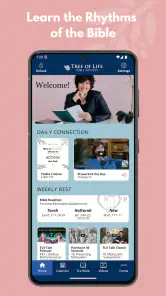
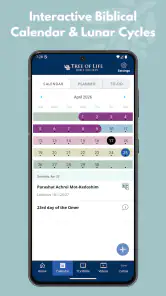
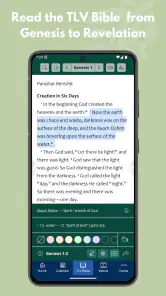
Analysis by Reviewed
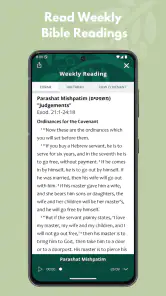
I spent time with TLV Bible as a reading and reference app, and my first impression is that it has a clear purpose rather than trying to be an all-in-one religious toolkit. Developed by Tree of Life Bible Society, it centers on the Tree of Life Version and presents Scripture from a Jewish perspective. That focus makes it especially interesting for readers who want to notice the Hebrew and Jewish context behind familiar passages, not simply move through a standard digital Bible.
It belongs to the Books & Reference category, is free to install, and is suitable for everyone. The app has reached over 50 thousand installs and holds a 4.5 average from 579 ratings, with 168 written reviews. Those figures suggest a healthy, engaged audience, although I would still judge it by whether its particular translation and approach fit your reading habits rather than treating popularity as proof that it is right for everyone.
How the app feels in everyday Bible reading
The strongest part of the experience is its identity. Many Bible apps offer a long menu of translations, reading plans, study aids, audio options, and community tools. TLV Bible takes a narrower route: it gives the Tree of Life Version a central place and frames Scripture through Jewish eyes. In practice, that makes the app feel more like a focused reading companion than a large comparison library.
That distinction matters when you are deciding what to install. If you already know that you want to read the TLV translation, having a dedicated app is more direct than searching through a crowded Bible platform every time. You can approach a passage with the expectation that the wording and presentation will reflect the translation’s stated perspective, rather than treating it as just another interchangeable text.
I found this most useful when reading slowly instead of trying to complete a large amount of Scripture quickly. A focused translation encourages me to pause over names, expressions, and references that can feel less visible in a more familiar English rendering. It is a good fit for personal study, quiet reading, and conversations where the Jewish background of the biblical text is part of the discussion.
A realistic everyday use would be a short evening reading session. I might open a passage after dinner, read it without rushing, and return to a verse that sounds different from the wording I remember. That difference becomes a prompt for reflection rather than an annoyance. The app’s value is not only in putting text on a screen; it is in giving a particular interpretive doorway into that text.
For someone who wants a broad digital Bible toolbox, the narrower focus may feel limiting. A general Bible app is often better when I need to compare several translations, search across a large collection, follow a structured plan, or combine Bible reading with extensive study resources. TLV Bible makes more sense when the translation itself is the reason I am opening the app.
More From Our News Desk

Clash of Clans Is Won Between the Battles

Android Auto Makes the Case for Quieter Car Software

MobiOffice: Transforming Mobile Productivity with Seamless Integration

EA SPORTS FC™ Mobile Soccer: Redefining Mobile Sports Gaming

How Microsoft OneDrive Became a Mobile Productivity Giant

How Google Translate Breaks Language Barriers Effortlessly
The cost is easy to understand, but the paid layer deserves attention
The app is free to install, which makes trying it low-risk. You do not need to commit money before discovering whether the Tree of Life Version suits your reading style. That is important here because translation preference is personal: a reader can appreciate the concept but still find the wording unfamiliar or less natural than the version they normally use.
There are in-app purchases ranging from $5.99 to $49.99 per item. I would therefore separate the decision into two steps. First, use the free access to decide whether the core reading experience is genuinely useful. Second, consider any paid option only if it solves a need you actually have. The presence of purchases does not by itself show that every reader needs them, and I would not treat an upgrade as automatically necessary for basic evaluation.
This is a better value proposition for someone who already wants this specific translation than for a casual reader looking for the widest possible set of free tools. If your priority is simply opening any Bible quickly, a familiar general-purpose app may offer more variety at no additional cost. If your priority is access to the TLV approach in a dedicated setting, the free entry point gives you a practical way to test that fit before spending.
I also appreciate that the app’s age rating is Everyone. That makes it suitable for households and mixed-age reading contexts, provided adults choose passages and discussion topics appropriate to the people using it. The rating does not tell me that the app will provide children’s teaching material, so parents looking for a strongly guided kids’ Bible should compare it with an app built specifically for that purpose.
What the Jewish perspective changes for the reader
The phrase “through Jewish eyes” is more than a decorative label. It sets an expectation that the translation’s choices and presentation may bring Jewish terminology, cultural references, and biblical context closer to the surface. For me, that changes how I read familiar passages: instead of assuming that the wording I know is the only natural way to express an idea, I become more attentive to the cultural setting behind the English.
One useful habit is to keep a small note of phrases that make me pause. I do not need to resolve every question immediately. I can mark the verse mentally, continue reading, and return later with a Bible dictionary, commentary, or another translation. This turns the app into the first stage of a study workflow rather than pretending that one translation can answer every interpretive question.
That workflow is one of the app’s less obvious strengths. A dedicated TLV reading can serve as a comparison anchor. I might read a passage in TLV first, then consult a translation I already know to identify what changed in tone or emphasis. The point is not to declare one version universally superior; it is to notice how translation decisions shape understanding.
There is also a trade-off in this approach. Readers who prefer a highly familiar English Bible may need time to adjust to wording that feels less predictable. That adjustment can be productive for study, but it may interrupt the smooth, devotional rhythm some people want. If my main goal is memorizing verses in the wording used by my church or study group, I would check whether the TLV wording aligns with that setting before making it my primary reading app.
Practical ways I would use it
My favorite use case is focused comparison. I would choose a short passage, read it once for meaning, and then read it again while paying attention to names, expressions, and references that carry cultural weight. Afterward, I would compare the same section in another Bible app or printed Bible. This is more useful than jumping between translations without a question in mind, because it gives the comparison a purpose.
A second use is preparation for a small-group conversation. If a group is studying a Gospel passage or another familiar section, reading it in TLV beforehand can provide a fresh angle. I would write down one or two observations rather than arriving with a long list of technical questions. The app works well as a way to broaden the conversation, especially when everyone has been relying on the same wording for years.
A third use is a deliberate “slow reading” routine. Instead of opening the app only when I need to look up a verse, I would choose a manageable section and read it without multitasking. The dedicated focus helps reduce the temptation to treat Scripture as a searchable database. That may sound simple, but it is a meaningful difference between a reference tool and a reading habit.
There is a practical tip I would offer to new users: do not judge the app after reading only one verse. Translation differences can seem awkward in isolation, while a whole paragraph may reveal a consistent rhythm and perspective. I would read several connected passages, note which choices help me understand the text, and then decide whether the style feels natural enough for regular use.
Another useful tip is to pair the app with, rather than replace, trusted study resources. A translation can highlight context, but it is not the same thing as a commentary, language reference, or scholarly guide. When a phrase raises a difficult question, I would use TLV Bible to identify the question and a separate resource to investigate it. That keeps expectations realistic and prevents the app from being asked to perform a job it was not designed to perform.
Where the experience may not suit you
The biggest limitation is the same feature that gives the app its character: its specialization. Readers who want a large ecosystem of translations and study functions may find a broader Bible app more efficient. If I regularly switch between many versions, follow detailed reading plans, listen to Scripture, or organize extensive notes, I would first look for an app whose main strength is breadth.
It may also be the wrong choice for someone who wants a strongly guided devotional experience. TLV Bible’s appeal is the text and its perspective, not a promise of a complete spiritual routine. A person seeking daily prompts, lesson-style explanations, or a large social component may prefer a different category of app. That does not make TLV Bible weak; it simply means the app rewards readers who know what they want from it.
The paid options introduce another decision point. Since the app is free to install but includes purchases from $5.99 to $49.99 per item, I would avoid assuming that the most expensive option is the best value. The right question is whether a particular purchase supports a regular habit or a specific study need. If I only want occasional access to the translation, free use may be enough. If I expect to rely on the app often, I would examine each purchase carefully before paying.
Device compatibility is also worth checking before installation. The current version is 4.3.2 and requires Android 7.0 or later. That is comfortable for many devices, but anyone using an older phone should confirm that the operating system meets the requirement. This is a small practical detail, yet it is better to know before planning a reading routine around the app.
Who will get the most from it?
I would recommend TLV Bible first to readers who are specifically curious about the Tree of Life Version and want a dedicated place to read it. It is also a strong candidate for people exploring the relationship between translation, culture, and interpretation. Students, group leaders, and experienced Bible readers can use it as a fresh comparison point without abandoning the other resources they already trust.
It can be valuable for a reader who feels that familiar translations have become too automatic. When I know a passage by memory, I can sometimes skim past it without noticing its details. A different rendering slows that process down. The Jewish perspective gives the change a clear reason, so the experience is more intentional than simply selecting a random alternative translation.
I would be more cautious about recommending it as the only Bible app for a new reader who wants extensive guidance. Someone starting from scratch may benefit from a platform with explanations, plans, multiple formats, and easier comparison tools. TLV Bible can still be part of that person’s library, but it may not answer every early question on its own.
Likewise, readers who need a particular translation for church memorization or group discussion should treat compatibility as a priority. The app can broaden understanding, but it may create extra work if every shared verse must be converted into another wording. In that situation, I would use TLV Bible alongside the community’s main version rather than replacing it.
My verdict on the free download and paid value
My overall view is positive, with a clear condition: TLV Bible is worth trying when its translation and Jewish perspective are the main reason you want a Bible app. The free installation makes that trial straightforward, and the app offers a focused reading experience instead of burying its identity under a huge collection of unrelated tools.
The best value comes from using it as a focused translation and comparison companion, not expecting it to replace every Bible resource. That distinction keeps the recommendation honest. I would open it for slow reading, passage comparison, preparation for discussion, and moments when I want to reconsider familiar wording. I would turn to a broader alternative when I need a large library, extensive study functions, or a heavily guided plan.
The Tree of Life Bible Society has created an app with a specific audience in mind, and that specificity is its advantage. The 4.5 average and more than 50 thousand installs show that it has found readers, but the more important question is personal: do you want Scripture presented through this particular lens? If the answer is yes, the free access gives you a sensible starting point. If the answer is no, paying for additional access would not make the app a better fit.
For me, the final recommendation is to download it, read several connected passages, and compare the experience with the Bible you normally use. Pay attention to whether the wording opens useful questions or simply feels unfamiliar. If it deepens your reading, keep it as a regular companion; if you mainly need convenience and variety, choose a broader Bible app instead. TLV Bible earns its place through focus, perspective, and thoughtful comparison—not through trying to be everything at once.
TLV Bible Frequently Asked Questions
Is TLV Bible free to download, and what should I know about purchases?
TLV Bible is free to download, with optional in-app purchases priced from $5.99 to $49.99 per item. Check the purchase details in your device’s app store before buying, especially if you share your phone or tablet with someone else. The app is a Books & Reference title, and its content rating is Everyone.
What is TLV Bible, and what can I use it for?
TLV Bible is a mobile Bible app centered on the Tree of Life Version, an English translation that highlights the Jewish and Hebrew roots of the Christian faith. After installing it, users can read Scripture, search for passages, and use the app for personal devotion, study, prayer, or church preparation. Its appeal is especially strong for readers who want a translation that preserves Hebrew names, expressions, and cultural context.
Is TLV Bible available for both Android and iPhone?
Availability can depend on the edition and the developer publishing it, so users should check the current Google Play Store or Apple App Store listing before downloading. The listing normally shows supported devices, operating-system requirements, app size, and the latest update date. If the application is not compatible with your phone or tablet, an official mobile website or another authorized TLV Bible resource may be the better alternative.
Does TLV Bible work without an internet connection?
Offline access depends on the specific version of the app and how its Bible text is provided. Some editions allow Scripture to be downloaded for reading without mobile data, while others require an internet connection for most or all content. Before relying on it during travel, worship, or areas with weak coverage, open several books after installation and test whether the passages remain available when your device is offline.
Does TLV Bible include study tools such as search, bookmarks, or reading plans?
The available tools may vary between TLV Bible editions, but users commonly look for features such as keyword and verse search, bookmarks, notes, highlighting, adjustable text size, and reading history. Some versions may also include audio, devotionals, or reading plans, while others focus mainly on the Bible text. Review the app’s current feature list and test the navigation after installation, since tools can change with updates.
Pros
- Complete Bible text with convenient book and chapter navigation.
- Includes readable language suitable for personal study and daily reading.
- Useful search tools help locate verses and passages quickly.
- Works well for offline reading after the content is downloaded.
- Simple interface makes it accessible for both new and experienced readers.
Cons
- May offer fewer study notes than dedicated Bible study apps.
- Some features may require an internet connection or additional downloads.
- Older devices may experience slower loading with the full Bible installed.
- Translation wording may not suit readers who prefer modern Bible versions.
- Personalization options such as themes or reading plans may be limited.
- Category
- Books & Reference
- Version
- 4.3.2