Tixel-Face Value Ticket Resale
- 0.00
- 0.0
- Installs
- 10.00K
- Price
- Free

Screenshots
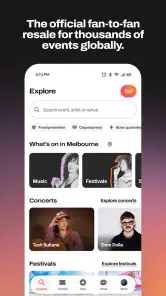
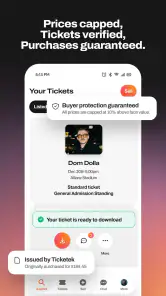
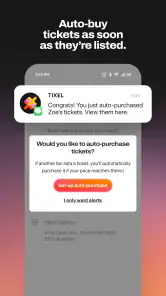
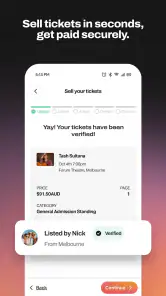
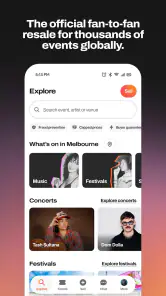
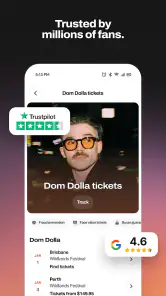
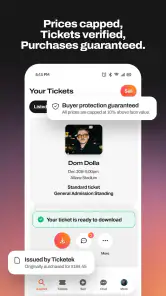
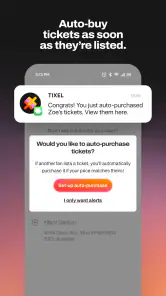
Analysis by Reviewed
I approached Tixel as an events app rather than another place to browse endlessly for something to do. Its purpose is straightforward: it connects people who want to buy or sell event tickets while keeping resale prices capped at face value. That focus gives the app a useful identity, especially for anyone who has become tired of inflated listings and last-minute uncertainty.
My first impression was that the idea makes more sense when you have a real event in mind. If I am looking for tickets to a concert, festival, sports fixture, or other listed occasion, a face-value resale marketplace feels more comfortable than an open-ended resale site where the same ticket may appear at an unreasonable markup. The app is free, aimed at Everyone, and comes from developer Tixel, so the barrier to trying it is low.
That does not automatically make it a complete replacement for official event websites or larger ticket marketplaces. Its value depends on whether the event you want appears there, whether another user is selling the right ticket, and whether you are prepared to check at the right time. After using it with that in mind, I see a service with a strong first-week appeal and a more conditional place in a long-term routine.
What feels useful during the first week
The strongest part of the experience is the simple buying principle. A capped resale price gives me a clearer starting point than a marketplace where sellers can set whatever amount they think the market will tolerate. That matters most for popular events, where urgency can easily push people into paying far more than the original ticket value. Here, the appeal is not just finding a ticket; it is finding one without joining an uncontrolled bidding contest.
I would use it first when an official sale has ended but the event is still far enough away for plans to change. Someone may no longer be able to attend, while I may have just discovered that friends are going. In that situation, a resale platform can be more practical than repeatedly refreshing an official box office page. The capped-price approach also makes it easier to decide whether a listing fits my budget before I spend time comparing it.
There is a useful difference between this kind of service and a general classified marketplace. On a broad resale site, tickets may be mixed with unrelated listings, and the buyer has to spend more effort judging whether the seller's price is reasonable. Tixel's identity is much narrower. That specialization makes the app easier to understand: I am there for event tickets, not for a general marketplace with tickets added as one category among many.
For a seller, the attraction is equally clear. If my plans change, I can look for another attendee instead of simply accepting that the ticket is wasted. The capped model may also discourage the mindset that a ticket is a chance to profit from scarcity. I appreciate that distinction because it encourages resale as a practical transfer rather than a speculative side business.
Still, I would not install it expecting an instant solution for every event. A marketplace needs both sides to be active. The most useful test is to search for the exact event, date, and ticket type I need, then check whether the available listing actually suits my plans. If nothing suitable is available, the app cannot manufacture inventory. That is an important difference from an official seller, which may have access to the original ticket allocation.
The app is especially appealing for people who plan socially. Imagine that three friends have already bought tickets and I decide late that I want to join them. Instead of asking everyone to search across several resale sites, I can check a focused ticket marketplace and compare the available option with the event details my friends share. If the listing is right, the capped price reduces one awkward part of the conversation: nobody has to justify an inflated resale amount.
My practical advice during the first week is to treat the app as one part of a buying routine. Confirm the event details from the organizer or official source, compare the ticket type carefully, and avoid assuming that any listing is interchangeable with another. A standing ticket, reserved seat, timed entry, or special access ticket can affect the experience even when the event name is identical. The app can make resale more orderly, but I still need to read what I am buying.
Where it beats the usual alternatives
Compared with buying directly from an official event channel, Tixel is most useful after the original purchase window has become inconvenient or unavailable. The official route remains the better choice when tickets are still on sale at the original price, because it is the primary source and usually gives me the widest selection. Resale becomes more relevant when plans change or availability becomes uneven.
Compared with an unrestricted resale marketplace, the face-value cap is the defining advantage. I would rather spend time checking whether a ticket is suitable than spend that same time negotiating with a price that rises simply because demand is high. That said, an unrestricted marketplace may show more listings for a particularly scarce event, so buyers who care only about maximum availability may prefer the broader option despite the pricing risk.
Compared with asking friends or posting in a local group, a dedicated ticket app gives the transaction a more focused setting. Informal selling can work well when I already trust the person, but it can also leave both sides unsure about the process. Tixel is more attractive when I do not have a personal connection to the seller and want a marketplace built around event tickets rather than casual messages.
The trade-off is that specialization can feel limiting. A general marketplace may offer more ways to search, more categories, or more chances to find an unusual ticket. Tixel's appeal is not endless choice; it is a more disciplined approach to resale. I would choose it when fair pricing and a ticket-specific environment matter more than browsing every possible source.
Does it earn a place after the novelty fades?
The first-week excitement of a new ticket app usually comes from imagining all the events I might attend. The month-to-month question is harder: will I remember to open it when I actually need a ticket, and does it help often enough to justify space on my phone? In my view, the answer is yes for regular concertgoers, festival visitors, sports fans, and people whose schedules change frequently. For someone who attends one event every few years, it is more of a useful tool to keep in mind than a daily habit.
The app's recurring value comes from the problem it addresses, not from constant entertainment. I do not need to browse it every day. Its usefulness appears at specific moments: when an event sells out, when a friend changes plans, when I miss the original sale, or when I need to pass on a ticket I can no longer use. That makes it a practical utility rather than an app I would open for casual scrolling.
One non-obvious strength is that the capped-price principle can improve my decision-making before I even buy. If I know that resale is not centered on unlimited markups, I may feel less pressure to purchase immediately out of fear that every later option will become more expensive. That does not guarantee availability, but it changes the emotional calculation. I can compare the official route, my schedule, and the resale possibility instead of treating panic as part of the ticket price.
Another useful workflow is to use it as a contingency plan rather than a first resort. I can buy from the official source when that is the sensible option, then remember Tixel if my circumstances change. This is particularly relevant for events booked well in advance. Work commitments, travel problems, illness, or a simple change of interest can turn a ticket into an unwanted expense. A resale option gives that purchase a little more flexibility.
For sellers, the long-term value depends on being realistic. A capped price does not mean every ticket will move quickly. The event's popularity, timing, ticket type, and remaining demand still matter. I would list as soon as I know I cannot attend, write the details carefully, and avoid waiting until the last possible moment. The trade-off is between holding out for a convenient sale and giving buyers enough time to make plans.
For buyers, the opposite timing lesson applies. A last-minute search may work when another attendee has just had a change of plans, but it can also leave fewer suitable options. I would not rely on the app as my only strategy for a major event that I absolutely cannot miss. The better approach is to use it alongside official availability and a realistic backup plan.
The maintenance is light, but attention still matters
Tixel does not need to become a demanding habit. Since it is free and focused on events, I can leave it installed without feeling that I must manage a subscription or maintain a complicated profile. The current version is 1.0.2, and it runs on Android 8.0 or later, which makes it accessible on many older devices as well as newer phones. I would still keep the app updated when updates are offered, particularly for a service involved in time-sensitive purchases.
The real maintenance burden is not technical; it is organizational. I need to remember which events I am watching, check dates and ticket details, and remove plans from my mental list once they are no longer relevant. Sellers have a little more responsibility because a listing should reflect the current situation. If I have sold a ticket elsewhere or changed my mind, leaving an outdated listing visible would waste another person's time.
A good routine is to search with the event's exact name, verify the date and venue against the organizer's information, and compare the ticket description with what I actually need. I would also keep the confirmation details accessible after buying rather than assuming I will remember everything later. These steps are not glamorous, but they are where much of the practical reliability comes from.
There is also a social maintenance angle. If I am buying to join friends, I should confirm where they are sitting or what entry type they have before completing the purchase. A ticket that gets me into the same event may still leave me in a different section or arrival window. Tixel can help locate a resale ticket, but it cannot replace coordination with the people I am attending with.
That is one of the app's limitations: the marketplace can reduce price friction, but it cannot remove event-specific complexity. I still need to understand the organizer's rules, the ticket format, and whether the listing matches my intended experience. Anyone looking for a completely hands-off purchase may find the process more involved than expected.
What may cause fatigue over time
The biggest source of fatigue is checking without finding a suitable ticket. Because inventory comes from people changing their plans, availability can be uneven. Repeatedly opening the app for an event that has no useful listing may make it feel less valuable, especially if I am not attending events often. This is why I would avoid treating it like a social feed. It works better when I have a specific search and a reason to return.
A second source of friction is the difference between a capped price and a guaranteed bargain. Face value can still be a meaningful expense, and fees or ticket conditions may affect the final decision. The central benefit is protection from unlimited resale inflation, not a promise that every event will be cheap. I would compare the complete purchase details rather than judging only by the headline ticket amount.
Sellers may also feel constrained by the cap. If I paid more than face value through an earlier transaction or incurred other costs, I may not be able to recover everything through resale. That limitation is intentional, and it is part of the app's appeal for buyers, but it means the service is not designed for maximizing profit. People who want to speculate on event demand should look elsewhere.
Buyers who prioritize a particular seat may experience another trade-off. A capped marketplace can be fairer on price while offering less control over exact placement than buying early through an official channel. If sitting beside a specific group is essential, I would confirm the location before buying and be ready to wait for the right listing. A cheaper or fairer transaction is not automatically the right transaction if the seat does not fit the plan.
There is also a psychological risk in having resale available: I might buy an event ticket more casually because I believe I can always pass it on. I would resist that assumption. Resale is a useful safety valve, not an excuse to ignore my schedule. The best long-term use comes from buying events I genuinely expect to attend and using the marketplace when circumstances unexpectedly change.
Who should use it, and who should skip it?
I would recommend Tixel to an active eventgoer who values transparent resale and wants an alternative to inflated secondary-market prices. It is particularly suitable for people who often hear about events after the original sale, make plans with friends at different times, or occasionally need to sell a ticket they can no longer use. The free entry point makes it reasonable to keep available for those moments.
I would also suggest it to cautious buyers who dislike negotiating with strangers on general marketplaces. The focused purpose makes the search feel more relevant, and the capped pricing gives the service a clear ethical and practical difference. It is not a guarantee that every desired event will be available, but it offers a sensible place to check before accepting an inflated listing.
I would skip it as a primary option if an official seller still has the exact ticket I want at the original price. I would also look elsewhere if I need a very specific seat immediately, if the event is not represented in the marketplace, or if I am trying to earn a profit from reselling. In those cases, the official channel or a broader marketplace may match my priorities better.
People who rarely attend events may not gain much from making it part of their regular phone setup. They can simply remember it when a ticket problem arises. The app's lasting value is strongest for users with recurring exposure to concerts, festivals, sports, or other ticketed occasions; it is less compelling as a general-purpose entertainment destination.
My long-term verdict
After the novelty fades, I see Tixel as a useful specialist tool rather than an app that needs constant attention. Its reason to exist is clear: buying and selling event tickets with prices capped at face value. That single choice gives it a stronger personality than ordinary resale platforms, and it addresses a real frustration without asking me to become a full-time marketplace user.
Its lasting place on my phone depends on my event habits. If I attend several ticketed events each year, I would keep it available as both a buying option and a fallback for plans that change. If I attend rarely, I would not build a routine around it, but I would still remember it when an official sale has ended or an unused ticket needs a practical destination.
The app is not a substitute for checking official event information, reading ticket details, or planning carefully. Availability can be unpredictable, capped pricing may limit seller choice, and a suitable listing is never guaranteed simply because the marketplace exists. Those are meaningful limitations, but they are also easy to understand once I treat the service as a focused resale channel rather than a universal ticket box office.
My recommendation is to keep Tixel in your ticket-buying toolkit, not to depend on it blindly. Use the official route when it offers the right ticket, turn to this app when resale becomes necessary, and approach every listing with the same care I would use anywhere else. For fair-price resale, that is a sensible balance, and it gives the app genuine recurring value without pretending it can solve every event-planning problem.
As an Events app from Tixel, it offers a focused alternative for people who want more control over resale pricing. It is free, carries an Everyone age rating, and has passed its early release stage with version 1.0.2. With over ten thousand installs, it is still a relatively small service, but its usefulness is easy to judge from one question: when I need a ticket or need to pass one on, does a capped-price marketplace fit the situation better than the usual alternatives? In the right situation, I think it does.
Pros
- Secure in-app ticket transfers reduce the risk of counterfeit tickets.
- Clear buyer and seller fees make the final price easier to understand.
- Mobile tickets are convenient for entry at supported venues.
- Ticket listings can be filtered by event
- date
- and seating preferences.
- Customer support is available for issues with eligible transactions.
Cons
- Availability depends heavily on event popularity and local market coverage.
- Some tickets may cost more than their original face value.
- Refund rules can vary by event and are not always flexible.
- Not every venue or ticket type supports digital transfer through Tixel.
- Identity or payment verification may be required before completing a sale.

- Category
- Events
- Version
- 1.0.2