StubHub - Live Event Tickets
- 22.48K
- 3.9
- Installs
- 10.00M
- Price
- Free

Screenshots

Analysis by Reviewed
When plans involve more than one person, buying a ticket is only part of the job. You still need to agree on an event, decide who is handling the purchase, and make sure everyone knows where to meet. I see StubHub as a useful starting point for that kind of outing: it brings a broad range of live events into one place, though the household still needs a clear plan for accounts, payments, and ticket access.
Choosing an event together
For a family or group of friends, browsing can help turn a vague “let’s go out” into a real choice. One person can look for a concert while another checks sports or theater, then the group can compare dates and locations before committing. That is more practical than bouncing between unrelated event pages, especially when the occasion matters more than the specific performer or team.
A useful habit is to agree on the event and seating priorities before anyone reaches checkout. For example, a group might decide that being together matters more than getting the lowest-priced section, or that a convenient date is the deciding factor. I would treat the seating chart as a planning aid, not a substitute for discussing what the group is comfortable spending.
Keeping purchases and accounts clear
Shared devices can make browsing convenient, but I would avoid treating one household account as a casual communal wallet. The person making a purchase should check the event, date, seat details, and final amount before confirming, then tell the rest of the group who is responsible for the tickets. That small boundary can prevent duplicate buying or confusion about whose purchase needs attention.
If plans change, the app’s ticket-selling option can be useful, but listing a ticket is not the same as knowing it will sell. Demand and timing can affect the outcome, so I would not buy extra seats on the assumption that reselling them will be effortless. For a group, it is safer to settle the headcount first and make any resale decision with enough time to consider the event’s circumstances.
Age, trust, and practical checks
The app is rated for Everyone, but that does not mean every event is suitable for every household member. I would check the event itself and make sure a younger attendee has an adult who understands the arrangements. The listing’s age context is only one part of deciding whether a show or game makes sense for your group.
StubHub is free to download, is developed by StubHub, and has a 3.9 average from around 83,000 ratings, with more than 10 million installs. It has been available since March 9, 2011, and version 103.7.2 requires iOS 8.0 or later. Those figures suggest a well-established ticket app, but they are not a promise that every event will be a smooth purchase. I would still review the details carefully and keep the group informed about the ticket holder and meeting plan.
More From Our News Desk

Clash of Clans Is Won Between the Battles

Android Auto Makes the Case for Quieter Car Software

MobiOffice: Transforming Mobile Productivity with Seamless Integration

EA SPORTS FC™ Mobile Soccer: Redefining Mobile Sports Gaming

How Microsoft OneDrive Became a Mobile Productivity Giant

How Google Translate Breaks Language Barriers Effortlessly
Compared with going directly to an event’s own ticket seller, StubHub is more useful when you want to browse different kinds of events or consider resale listings in one place. The direct seller may be the better first stop when you already know the event and want to compare its official options. I’d use StubHub for discovery and flexibility, then make a deliberate choice rather than assuming one marketplace is always the best route.
What Makes StubHub Tick?
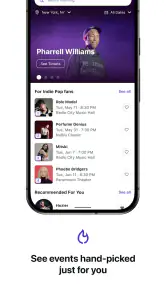
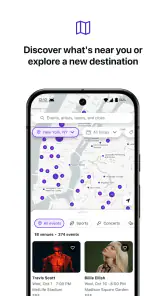
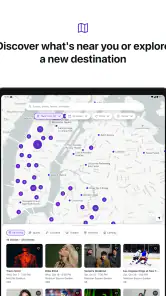
Diving into the app, the first thing that stands out is its sleek and user-friendly interface. You can effortlessly browse through a plethora of events happening in your area or anywhere else you fancy. The search functionality is robust, allowing you to filter events by date, location, and category. Whether it's a music festival, a Broadway show, or a sports event, StubHub has got you covered.
Buying Tickets Made Simple
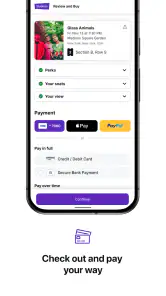
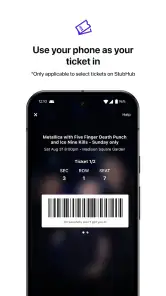
Once you've zeroed in on an event, purchasing tickets is straightforward. The app provides a detailed seating chart, so you know exactly where you'll be sitting. No surprises there! Plus, the checkout process is quick and secure, letting you complete your purchase with just a few taps. And if you're worried about last-minute plans, StubHub has a nifty feature that lets you download digital tickets instantly. Talk about convenience!
Sell Your Tickets with Ease
Got a change of plans? No problem! With StubHub, selling your tickets is a breeze. You can list your ticket for sale directly from the app. It even suggests competitive pricing based on current demand, so you have a good chance of making a sale without much hassle. It's a win-win for both buyers and sellers.
One thing I particularly love is the FanProtect Guarantee. It ensures that your tickets are legitimate and that you either receive the tickets in time for your event or get your money back. This kind of assurance is gold when it comes to buying tickets online, where scams can sometimes lurk.
Getting Social
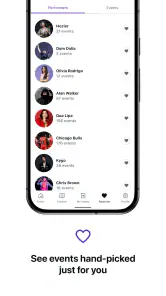
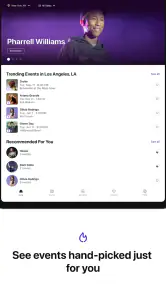
StubHub isn't just about buying and selling tickets. It's also about community. The app lets you connect with friends, see what events they're attending, and even plan outings together. It's like having a social network dedicated to live events. Plus, with personalized recommendations, you might discover events you wouldn't have considered otherwise.
In summary, StubHub is more than just a ticket marketplace. It's a gateway to unforgettable experiences. The app's user-friendly design, coupled with its reliable features, makes it a must-have for anyone looking to explore the vibrant world of live entertainment. Whether you're catching a game, a concert, or a theater show, StubHub is your ticket to a great time.
So next time you're itching for some live action, give StubHub a whirl. You might just find your next favorite event waiting for you!
Making the day work smoothly
On a busy afternoon, I might browse for an event while commuting, send the details to the family chat, and wait for everyone to agree before buying. Once the purchase is settled, I’d share the event time, venue, and who has the tickets. That workflow matters more than any social feature: a group can enjoy finding ideas together, but the ticket holder should remain easy to identify.
Before leaving, I’d check that the ticket is accessible on the device the attendee will actually bring, rather than assuming another person can retrieve it later. For a group arriving separately, agreeing on a meeting point and a backup contact is sensible. Digital access is convenient, but it does not solve coordination by itself.
Where I’d draw the line
This app is a strong fit for people who browse across concerts, sports, and shows, or who want the flexibility of a resale marketplace. It is less compelling if you already know exactly what event you want and prefer to begin with the venue or event’s official seller. I’d also skip using it as a reason to make an impulsive purchase: compare the seats and total cost carefully, and make sure the date works for everyone first.
For a household, my verdict is positive with one practical caveat: keep purchases and ticket responsibility explicit. StubHub makes discovery and resale convenient, and its buyer assurance can add reassurance, but the best experience still comes from checking the event details and coordinating before checkout. If your group can do that, it is a handy way to turn “we should go sometime” into a plan everyone can follow.
Making browsing useful before checkout
I find the app most helpful when I use it to narrow options, not when I treat the first promising result as a decision. A sensible routine is to choose a location and date range, look across event types, and save the shortlist outside the purchase moment by sharing the details with the people coming. That creates room to discuss travel, timing, and seating without the pressure of someone feeling they need to complete a purchase immediately.
For example, if a household is weighing a weekday game against a weekend concert, the event pages can help everyone compare the practical differences: when the event starts, where it is, and what sort of seats are available. I would ask each person to name one must-have and one compromise. That sounds simple, but it prevents a common group mistake: selecting an event everyone likes in principle while overlooking a detail that makes attendance difficult for one person.
Reading seat choices with care
A seating chart is useful for understanding where a listing sits within a venue, but I would not assume that a map alone answers every comfort question. A section that looks attractive on screen may not suit someone who needs easier access, prefers to avoid stairs, or wants to sit near a particular companion. Before buying, I’d use the information shown for the specific listing and check any venue guidance that matters to the group. The app can help compare options; it cannot make personal needs interchangeable.
There is also a trade-off between buying together and keeping the budget controlled. If the group sees several nearby listings, it can be tempting to focus on the displayed ticket amount and move quickly. I’d pause to review the full checkout total and confirm that all seats and quantities match the plan. When the same event has several possible sections, agreeing on a maximum spend beforehand makes the comparison far less stressful.
What resale flexibility really means
The ability to list a ticket can soften the problem of a changed plan, but it should be treated as an option rather than an exit guarantee. A listing price that seems reasonable to the seller may not attract a buyer, and the timing of a change can matter. If I were buying for a group with uncertain attendance, I would first ask who is genuinely committed and avoid counting on a future sale to make the decision affordable.
That distinction matters especially when one person offers to buy for everyone. The buyer should keep a simple record of who has agreed to attend and how the group will settle its share, rather than relying on vague messages after the purchase. If someone backs out, the group can decide whether to offer the ticket for sale or invite another person, but it is better to have that conversation early than to assume the marketplace will resolve it.
One account, several people
For a shared tablet or a phone that sometimes gets passed around, I would keep the account holder involved in every purchase. Browsing together is different from leaving payment or account access open for anyone in the household. This is not a criticism of the app; it is a sensible boundary for any ticket marketplace where an accidental tap can create a real commitment. If children are helping choose an event, I’d let them compare options while an adult handles checkout and confirms the details.
It is also worth deciding in advance whose device will be used on the day. A ticket bought by one person may not be as convenient as expected if that person arrives later or has a nearly empty phone. I’d make sure the attendee who needs to present the ticket knows how access will work and has a practical backup plan with the ticket holder. That check is especially useful when the group splits up on the way to the venue.
When another route makes more sense
StubHub is strongest when discovery, choice, or resale availability is part of the problem. If I already have a specific event in mind, I would compare the marketplace with the event’s official seller rather than assuming the marketplace is automatically the best value or the simplest route. Official channels can be preferable when I want to start with the event organizer’s own ticket options; StubHub can be more convenient when I want to browse across events or inspect resale listings.
For someone who attends only occasionally and has no particular event in mind, installing a ticket app may not change much until a real plan comes up. I would not keep it solely because it might someday be useful. But if live events come up repeatedly in conversations with friends or family, having a place to browse can make that first step easier and help turn a broad idea into something the group can evaluate.
Questions I would settle before buying
Before I commit, I want to know whether everyone can attend the listed date, which person will hold the tickets, and whether the selected seats make sense for the people coming. I would also check the event and venue details rather than relying on a message passed through the group. If the plan involves a young attendee, I’d confirm the event’s suitability and the adult arrangements separately; an app’s general age rating does not make that decision for a family.
People often wonder whether a digital ticket means there is nothing left to prepare. In practice, I would still make sure the right person can access it on the way in, that the group knows where to meet, and that everyone has the event information. Others may ask whether reselling a ticket makes a tentative purchase risk-free. I would say no: listing a ticket gives you a possible route if plans change, not certainty that you will recover the cost.
A better fit for some households than others
I’d recommend StubHub to a household that enjoys comparing live events, is comfortable making a careful online purchase, and can keep one person accountable for ticket access. It can suit a family deciding between different kinds of outings, or friends coordinating around seats and schedules. The mix of event discovery, seating information, and ticket resale gives it more purpose than a simple list of dates when the group is still working out what to do.
I would be more cautious recommending it to a group that has not agreed on a budget, expects every member to manage a shared account, or wants resale to guarantee a painless cancellation. Those expectations can turn useful flexibility into avoidable frustration. My preferred approach is to shortlist first, verify the event and seating details, agree on who pays and holds the tickets, and only then check out. With those small decisions handled, the app is a practical tool for planning an outing rather than a substitute for planning one.
StubHub - Live Event Tickets Frequently Asked Questions
Can I browse StubHub without buying tickets?
Yes. StubHub is useful for exploring live-event tickets on your phone before you decide whether to purchase. You can look through the marketplace and consider which events interest you, while keeping in mind that browsing does not make a ticket yours. If you find an option you want, review its details and the final checkout total before completing the transaction.
Is StubHub available for different kinds of live events?
StubHub is an event-focused app for discovering and buying tickets to live experiences. Its marketplace covers concerts, sports events, theater performances, and more, giving fans a single place to explore different kinds of outings. The selection can depend on what is listed in the marketplace, so browse the events that matter to you and check the ticket details before making plans.
Can I use StubHub on my phone, and what does it cost to download?
StubHub is a free app for finding and buying live-event tickets, so you can browse its marketplace on your phone before deciding what to attend. It is designed for users who want to keep event discovery and ticket purchases in one place. Check that your device meets the app’s operating-system requirement before downloading, and review ticket costs and any applicable fees before completing a purchase.
What is StubHub and what does it offer to users?
StubHub is a leading platform that connects fans with their favorite live events, offering a wide array of tickets to concerts, sports events, theater performances, and more. Users can easily browse and purchase tickets directly from their mobile device, ensuring a seamless and efficient ticket-buying experience. With features like interactive seat maps and personalized recommendations, StubHub enhances the way fans discover and attend live events worldwide.
How secure is my transaction on the StubHub app?
Security is a top priority for StubHub. The app uses advanced encryption technologies to protect users' personal and financial information during transactions. Additionally, StubHub offers a FanProtect Guarantee, ensuring that all tickets are legitimate and providing users with a refund or replacement if any issues arise. This guarantee gives users peace of mind when purchasing tickets through the app.
Pros
- Easy to navigate user interface.
- Wide variety of event tickets available.
- Secure and reliable payment system.
- Real-time event updates and notifications.
- Mobile ticket access for convenience.
Cons
- Service fees can be quite high.
- Limited support for international events.
- No option for ticket returns or refunds.
- Occasional app crashes reported by users.
- Location-based restrictions on some events.
- Category
- Events
- Version
- 103.7.2