The San Diego Union-Tribune
- 120.00
- 2.5
- Installs
- 10.00K
- Price
- Free

Screenshots


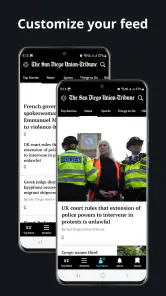


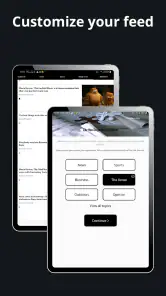


Analysis by Reviewed
I approached The San Diego Union-Tribune as a mobile news reader rather than as a simple shortcut to headlines. That distinction matters because a local newspaper app earns its place through repeated use: it has to help me understand what is happening in San Diego without making every visit feel like work. During the first week, the appeal was clear. I could open one dedicated place for regional reporting, scan the latest stories, and decide which subjects deserved more of my attention.
The app belongs to the News & Magazines category and is developed by MediaNews Group, Inc. It is free to install, with optional in-app purchases ranging from $4.99 to $199.99 per item. That makes the initial trial easy, but it also means I would treat the free download as an introduction rather than automatically assuming that every part of the reading experience is included without conditions.
How the app holds up after the first week
The strongest reason to try this app is its local focus. National news apps are useful for broad events, but they can make a city feel like a small footnote. A dedicated San Diego publication gives local stories a more central role, which is valuable when I care about changes close to home, community developments, public decisions, or issues that affect daily routines. The usefulness is not just in finding a headline; it is in having a regular destination for information that general-purpose feeds may bury.
My preferred first-week routine would be simple: open the app in the morning for a quick scan, save deeper reading for a quieter moment, and return later when a developing story needs context. That workflow prevents the app from becoming an endless stream that demands constant attention. It also makes the value easier to judge. If the local coverage repeatedly answers questions I actually have, the app becomes part of my day. If I only open it out of habit and leave without learning anything relevant, the novelty disappears quickly.
The store summary presents the app as a way to get the stories that matter most to the reader. In practice, I would interpret that promise cautiously. A news app can bring important material together, but it cannot decide what matters to every reader in the same way. Someone following neighborhoods, local government, schools, business, sports, or cultural events will have different priorities. The best experience therefore comes from using the app with a clear reading purpose instead of expecting it to replace every other source.
One useful habit is to separate discovery from reading. I would scan headlines first, then choose only a few articles for careful attention. This is especially helpful on a phone, where jumping between stories can create the feeling of being informed without much retention. For local news, context often matters more than speed. A short headline may alert me to an issue, while the full article helps me understand why it matters and what could happen next.
The application is rated for Everyone 10+, which makes it suitable for a broad audience while still reflecting that news content can involve serious subjects. Parents or younger readers may still want to guide what is read, particularly when current events become difficult or emotionally heavy. The age label should not be mistaken for a promise that every story will be light or appropriate for every child.
More From Our News Desk

Clash of Clans Is Won Between the Battles

Android Auto Makes the Case for Quieter Car Software

MobiOffice: Transforming Mobile Productivity with Seamless Integration

EA SPORTS FC™ Mobile Soccer: Redefining Mobile Sports Gaming

How Microsoft OneDrive Became a Mobile Productivity Giant

How Google Translate Breaks Language Barriers Effortlessly
Where it fits beside ordinary news alternatives
I would not use this app as my only news source. A national news application is usually better for international events, major national developments, and fast comparisons between regions. A web browser is often better when I want to search across many publishers or follow a link from another source. Social media can be faster for discovering that something is happening, but it is much less dependable as a complete reading environment.
The San Diego Union-Tribune app makes the most sense between those options. It offers a focused local destination without requiring me to search from scratch every time. The trade-off is narrower breadth. If my interests are mostly national politics, technology, finance, or international affairs, a broader news service will probably deserve more space on my phone. If my main question is “what is changing around San Diego?”, this app has a clearer purpose.
Another practical difference is attention. A general news feed often mixes local reporting with viral stories selected for broad engagement. A local newspaper app can feel calmer because its identity is tied to a particular place. That does not mean every story will interest me, but it reduces the need to fight through unrelated subjects before reaching regional coverage.
What creates recurring value from month to month
After the first month, the question changes from “does this app work?” to “does it deserve a regular place in my routine?” For me, the answer depends on whether local reporting continues to support decisions and conversations beyond the moment of publication. A useful newspaper app should help me notice patterns: how an issue develops, how a debate changes, or how a community story connects with everyday life.
I would get more value by checking it at deliberate times rather than repeatedly refreshing it. A morning scan can establish the day’s priorities, while an evening visit can provide room for longer articles. This schedule also reduces notification fatigue if the app offers alerts on the device. Since I do not want every update competing with messages and work, I would review notification settings early and keep only the alerts that genuinely help me.
A second useful workflow is to use the app as a starting point for conversations, not as the final word on every subject. When a story affects a personal decision, I would read it carefully, check the date and details, and compare it with another reliable source when appropriate. That is not a criticism of this particular publication; it is a sensible habit for any single-outlet news app. Local reporting is valuable precisely because it is specific, but specificity also makes accuracy and context important.
The app’s current version is 10.0.60, and it supports devices running Android 8.0 or later. That compatibility is helpful for people using older phones that still receive regular system support. It also gives me a practical check before installing: if my device is below that operating-system requirement, I should not plan around this app as my primary news source.
The product has passed the early adoption stage, having been released on September 14, 2016. That history gives it a more established identity than a brand-new experiment, but age alone does not guarantee a perfect modern experience. What matters to me is whether updates keep the reading process comfortable and whether the app remains dependable as my habits change.
The maintenance burden is small, but not invisible
A news app does not demand the same maintenance as a creative or productivity tool, yet it still asks for attention. I would need to keep the application updated, manage storage if it retains reading material, and decide how much interruption I am willing to accept. These tasks are minor individually, but they determine whether the app remains pleasant after the initial enthusiasm fades.
The most important maintenance decision is notification control. A local news alert can be genuinely useful when it concerns a major developing event, but too many alerts turn the app into a source of background anxiety. I would begin with alerts disabled or limited, then enable only the categories that match my interests. This is a better long-term approach than accepting every default and later deleting the app because the phone feels noisy.
I would also avoid treating the app as a passive replacement for a newspaper delivered at a fixed time. Mobile news changes throughout the day, and that can encourage compulsive checking. A scheduled reading window makes the app more sustainable. For someone who already struggles with too many feeds, the best setup may be one intentional visit rather than constant access.
Because the app is free to download but includes paid items, I would pay attention to what happens when I move from casual browsing to sustained reading. The listed purchase range runs from $4.99 to $199.99 per item, so I would review any purchase screen carefully before confirming anything. This is particularly important for households sharing a device or payment method. The free entry point is convenient, but the overall cost of becoming a regular customer should be considered as part of the long-term decision.
That payment structure creates a clear trade-off. If the app consistently provides local reporting that I cannot replace with scattered free sources, paying may feel reasonable. If I only read occasionally, a purchase may not offer enough recurring value. I would not subscribe or buy simply because I had installed the app; I would first establish a genuine reading habit and decide whether the coverage earns that commitment.
Why fatigue can appear after the novelty fades
The first source of fatigue is repetition. Local news naturally revisits ongoing subjects, and readers who check several times a day may encounter the same story in slightly different stages. That is normal in developing coverage, but it can make the app feel less rewarding when I am looking for something fresh every time I open it.
The second is emotional weight. Regional news often deals with problems that affect real communities, and a steady stream of serious stories can be tiring even when the reporting is useful. I would protect the app’s place in my routine by choosing when to read it, rather than allowing alerts to dictate my mood throughout the day.
A third issue is the tension between local depth and wider context. A San Diego-focused app can be excellent for nearby developments, but it will not replace a broader briefing. I would feel dissatisfied if I expected one application to cover local, national, and international news with equal depth. Its focused identity is a strength only when my expectations match it.
There is also a practical risk in relying on a single publication for a subject that matters personally. If I am following a public decision, an emergency, or a complicated community dispute, I would use this app for reporting and context while checking official information or another reputable outlet when the consequences are significant. That extra step takes time, but it prevents a focused news app from becoming an accidental information monopoly.
The average rating is 2.5 from around 220 ratings, with roughly 120 written reviews. I would not treat that score as a complete verdict, because ratings can reflect different expectations about subscriptions, design, performance, or content. Still, it is a useful warning to test the app personally rather than assuming that the publication’s reputation automatically translates into a frictionless mobile experience.
Who should make room for it
I think this app is best suited to San Diego residents, people who work in the area, former residents who want a local connection, and anyone whose decisions depend on regional developments. It may also suit readers who prefer a publication-centered experience over an algorithmic feed. The focused scope can make it easier to build a reliable local-news habit, especially for someone who feels overwhelmed by broad news aggregators.
I would be more hesitant to recommend it to a reader who wants one free application for every kind of news. That person will probably be happier with a general news reader or a combination of sources. I would also suggest caution for anyone who dislikes paid access models or does not want to manage purchase decisions. The free installation lowers the barrier to trying it, but long-term use should be judged on the value of the complete reading experience.
For a commuter, the app could be useful in a short, controlled routine: scan local headlines before leaving, read one important article during a break, and stop there. For a resident following a neighborhood issue, it could serve as a regular reference point. For someone who only wants breaking alerts, however, the app may be less satisfying than a lightweight alert service, because alerts alone rarely provide enough understanding.
My long-term verdict
I see The San Diego Union-Tribune as a focused local-news tool with a clear reason to exist, but not as a universal news replacement. Its lasting value comes from relevance: when San Diego stories affect my life, a dedicated publication can save time and provide a stronger sense of place than a national feed. The app earns that space only when I use it intentionally and judge its paid options by the value I receive over time.
My recommendation is to install it, establish a restrained reading routine, and evaluate it after the initial curiosity has passed. Keep notifications selective, compare important stories when the stakes are high, and do not confuse frequent checking with better understanding. Those habits address the main sources of fatigue while preserving the app’s strongest quality: focused access to news from a specific community.
In the end, I would keep it on my phone if local coverage is central to my interests and the reading experience continues to answer practical questions month after month. I would skip it if I mainly want national headlines, a completely free all-purpose feed, or a zero-maintenance news habit. Its best use is not endless scrolling, but a dependable local check-in that earns its place through repeated relevance.
The San Diego Union-Tribune Frequently Asked Questions
What devices and operating systems can run The San Diego Union-Tribune app?
The San Diego Union-Tribune is a mobile news app for Android and iOS devices. On Android, it requires version 8.0 or later, so checking your device’s software version before downloading can help avoid compatibility issues. It is designed for reading news on a smartphone or tablet, giving readers a convenient way to follow stories while away from a computer.
Who publishes The San Diego Union-Tribune app?
The app is published by MediaNews Group, Inc. and belongs to the News & Magazines category. It is intended for readers looking for San Diego-focused reporting alongside broader news coverage. Its store summary says it helps readers get the stories that matter to them most, making it a straightforward option to consider if you want the publication’s content on a mobile device.
What is The San Diego Union-Tribune app?
The San Diego Union-Tribune app is a mobile news platform for following local, regional, national, and international stories. It brings together breaking news, politics, business, sports, entertainment, opinion, and lifestyle coverage, with an emphasis on events and issues affecting the San Diego area. The app is designed for readers who want newspaper content in a convenient smartphone or tablet format.
Is the San Diego Union-Tribune app free to download and use?
The app is free to download, but access to all articles and premium features may depend on the publication’s subscription policy. Some stories may be available to everyone, while other content can require a digital subscription or an account. In-app purchases are available, so review the current purchase options in your app store before subscribing or buying access.
What kind of content can I read in the app?
Readers can typically find breaking San Diego news, community reporting, local government coverage, weather, traffic, sports, business, arts, entertainment, and opinion articles. Depending on the version and subscription level, the app may also provide access to newsletters, special reports, photo galleries, and other digital newspaper features. Content availability can change as the publisher updates its mobile service.
Pros
- Covers detailed local news across San Diego County communities.
- Includes reporting on regional politics
- business
- education
- and culture.
- Offers breaking-news alerts for important local developments.
- Digital subscription provides access across multiple devices.
- Strong focus on investigative and community-interest journalism.
Cons
- Most premium articles require a paid subscription to read fully.
- Some content may feel less relevant to readers outside San Diego.
- Frequent notifications can become distracting without customization.
- The app may occasionally load slowly during major breaking news.
- Advertising can reduce readability on some screens.

- Category
- News & Magazines
- Version
- 10.0.60