The Dyrt: RV & Free Camping
- 2.36K
- 4.6
- Installs
- 1.00M
- Price
- Free

Screenshots
Analysis by Reviewed
When I’m planning a camping trip, the tricky part is often not choosing a scenic destination but figuring out where I can actually stay once I get there. The Dyrt: RV & Free Camping is built around that practical problem: it brings campground discovery into a travel app, with options ranging from paid parks to free camping. I find it most useful as a place to start comparing possibilities, not as a reason to stop checking the details before setting off.
How it fits into a camping trip today
Made by The Dyrt, this free travel and local app has grown into a widely used camping resource, with an average rating of 4.6 from around 30,000 ratings and more than a million installs. It is rated Teen, and optional in-app purchases range from $3.99 to $119.99 per item. The current version is 5.38.0, while the app’s release history goes back to March 13, 2017. Those facts show an established product with ongoing version changes; they don’t, by themselves, tell me exactly what has changed between releases.
That distinction matters if you already have a routine. An app version number is useful context, but I wouldn’t assume that an update has changed a particular map, listing, or planning feature without checking what the current app actually offers. For a returning camper, the sensible approach is to treat the latest version as the present-day tool and verify important trip details afresh rather than relying on old screenshots, saved notes, or remembered menus.
Discovering the Beauty of Camping with The Dyrt
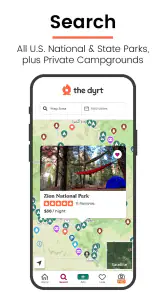
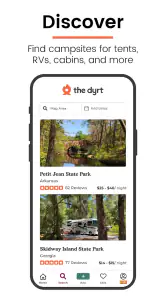
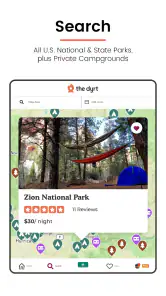
So, here's the scoop. The Dyrt: RV & Free Camping is like having a personal camping guide in your pocket. Whether you're a seasoned camper or just starting out, this app has something for everyone. It's packed with a massive database of campgrounds, both paid and free, all across the United States. You can search by location, type of camping, and even amenities to make sure you find exactly what you're looking for.
Finding the Perfect Spot
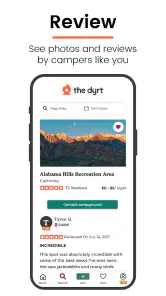
One of the coolest features of the app is its filtering system. You can filter sites by accessibility, pet-friendliness, and even the availability of toilets and showers. Imagine being able to plan your trip with such precision! Plus, the user reviews are a goldmine of information. Fellow campers leave honest feedback about their experiences, so you know what to expect before you even arrive.
I’d use those filters to narrow the field, then read reviews for the specifics that matter to my group. A listing that allows pets, for example, doesn’t automatically answer every question about a particular campsite’s rules, so I’d treat the app as a discovery tool and confirm any deal-breakers directly before driving a long distance. That small extra step is especially worthwhile when the trip depends on a shower, accessible facilities, or a particular kind of site.
Planning Your Adventure
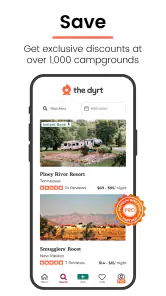
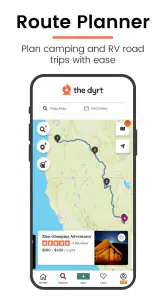
Planning a camping trip can sometimes feel overwhelming, but The Dyrt makes it a breeze. The app allows you to save your favorite spots and create a list of places you want to visit. It's like building your personal camping bucket list. And if you're on a spontaneous road trip, the app's map feature lets you find nearby campsites, so you can make last-minute decisions with ease.
More From Our News Desk

Clash of Clans Is Won Between the Battles

Android Auto Makes the Case for Quieter Car Software

MobiOffice: Transforming Mobile Productivity with Seamless Integration

EA SPORTS FC™ Mobile Soccer: Redefining Mobile Sports Gaming

How Microsoft OneDrive Became a Mobile Productivity Giant

How Google Translate Breaks Language Barriers Effortlessly
For a realistic weekend plan, I’d save a preferred campground and a couple of alternatives before leaving, rather than searching from scratch after arriving near the destination. If weather or timing changes the route, the nearby map search gives me another way to look for a stop. That is more useful than treating the first promising pin as a guaranteed vacancy: a map can help identify options, but I’d still check whether a site can take me before I commit to the drive.
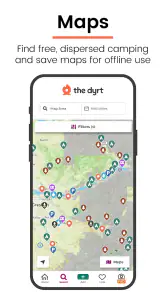
Another sweet feature is the ability to download maps for offline use. This is a lifesaver when you're venturing into areas with spotty cell service. You won't have to worry about losing your way in the middle of nowhere. Trust me, this feature will earn you major brownie points with your camping buddies.
Offline access is most valuable when it’s part of the preparation, not a rescue plan made at the trailhead. I’d download what I need while I have a reliable connection and make sure the relevant area is covered before leaving town. It can reduce dependence on a live signal, but I would not treat an app map as a substitute for checking route conditions or carrying a backup plan when navigation matters.
The Dyrt Pro: A Game-Changer
Okay, let's talk about the Pro version. For a small fee, you get access to even more goodies. Think of it as the VIP section of camping apps. With The Dyrt Pro, you can download maps, access exclusive discounts on campgrounds, and even get trip-planning assistance. It's like having a camping concierge service at your fingertips.
Because the app is free to download but offers optional purchases, I’d first decide how often I camp and which paid benefits I’d genuinely use. Someone planning several trips may value extra planning tools or discounts more than a person heading out once in a while. The listed purchase range is broad, so I’d review the current options in the app rather than assume every Pro benefit comes with the same price or commitment.
Compared with a general map app, The Dyrt is more focused on camping discovery: its campground-oriented search, amenity filters, and camper feedback help answer questions a road map usually doesn’t. A dedicated booking service can be a better next step when I already know the destination and want to handle a reservation. I see these tools as complementary: use this app to build a shortlist, then confirm the practical details through the campground or the service that manages the stay.
It is a particularly good fit for road-trippers who need to compare different kinds of overnight stops, RV travelers narrowing choices by facilities, and beginners who want other campers’ impressions before choosing a site. It is less compelling if you already have a fixed campground and only need turn-by-turn directions, or if you expect every listing to settle questions about current availability and local rules. In those cases, a direct call or a navigation app may be the more useful tool.
And here's something for the competitive spirits out there: The Dyrt hosts camping contests where you can win cool prizes just by sharing your camping experiences and photos. It's a fun way to engage with the camping community and maybe even snag some gear for your next adventure.
One useful habit is to keep your saved choices in a simple order: first choice, backup, and a fallback closer to the route. That makes the favorites feature serve an actual decision instead of becoming a long wish list. I’d also read reviews with timing in mind: a camper’s experience can help set expectations, but conditions and site rules can change, so older feedback is best treated as context rather than a promise.
Who will get the most from it
For me, the strongest reason to keep The Dyrt on a phone is that it combines campground discovery with planning tools in one camping-specific place. A 4.6 average and a substantial community give a new user a reassuring starting point, while the free download makes it easy to explore before deciding whether an optional purchase is worthwhile. The app is available for devices running iOS 9 or later, so device compatibility is worth checking before relying on it for a trip.
If I were choosing a tool for a trip, I’d use The Dyrt to compare candidate sites and narrow down where to stay, a standard map for broader route planning, and direct campground contact for anything that could derail the night. That division of labor plays to the app’s strengths without asking a listing or review to do more than it can. I also wouldn’t buy Pro solely because a trip is coming up; I’d first see whether its specific benefits match how I travel.
For a family, the filters can be a first-pass way to eliminate places that plainly lack a needed facility, while reviews can help surface questions to ask before booking. For a solo traveler arriving late, the nearby map may help reveal possible stops along the route, but I would not rely on it as a live vacancy board. The most valuable habit is to turn each promising result into a quick verification task: check the relevant rules, confirm that the site suits the vehicle or group, and establish whether arrival is realistic.
That workflow also helps prevent a common planning mistake: comparing campsites only by scenery or distance. I’d write down the practical constraints first, such as whether I need a shower, whether I’m bringing a pet, or whether my vehicle needs a particular kind of space. Then I’d use search and reviews to find candidates, rather than letting a long list of attractive photos pull me away from what the trip actually requires. It is a small change, but it makes the app’s discovery tools more useful and keeps the final choice grounded.
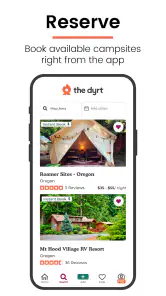
Another question I’d ask before depending on the app is whether a saved place is merely a reminder or part of a confirmed plan. Favorites help organize ideas, but saving a campground should not be confused with reserving a site. When the date, arrival time, or a specific facility matters, I’d check directly with the campground or its booking channel. That extra step is especially important for a holiday weekend or a route where there are few convenient alternatives.
For a first-time camper, the app can make the search feel less intimidating because it offers a way to compare options and learn from other people’s visits. Still, reviews are personal accounts, not a uniform inspection report. I’d look for comments that address the exact concern I have and compare more than one impression when possible. A review about a quiet stay may not tell me enough about accessibility, pet rules, or the condition of a shower block, so I would avoid treating a general positive impression as proof that every detail will fit.
When comparing it with campground directories or booking-focused apps, I find the distinction is mostly about the stage of the trip. The Dyrt is useful when I’m still asking, “What could work around here?” A reservation service is often more direct once I’ve selected a specific property and need to complete a booking. A general navigation app remains better for the full drive, traffic, and ordinary stops. Using all three selectively is less cumbersome than expecting one app to be a directory, booking desk, and complete route planner at once.
There is also a trade-off between breadth and certainty. A broad set of camping possibilities is valuable when plans are flexible, especially if I’m open to different types of overnight stay. But the more a trip depends on one exact facility or a firm arrival, the less I want to make a decision from a listing alone. In that situation, I’d use the app to identify a suitable place, then confirm the essentials through a direct source and keep a second option ready.
Since the app has been around since 2017 and is now at version 5.38.0, it is reasonable to see it as a continuing product rather than a one-off directory. What I can say from its current version and release history is that it has continued to receive versions; that alone does not establish which changes users will notice or what will arrive next. If I already use it, I’d pay attention to the current in-app details before a trip, especially if a feature I rely on is important. I would treat future improvements as possibilities, not promises.
That is also the right way to think about updates when planning around offline maps or saved places. I’d make sure the app is ready before leaving, revisit any key campground information, and avoid assuming that a familiar screen or old note reflects the current experience exactly. It’s a practical precaution rather than a reason to distrust the app: travel tools change, and a short check at home is easier than troubleshooting from a weak-signal campsite.
In a nutshell, The Dyrt: RV & Free Camping is a useful companion for people who like having camping choices in one searchable place. It can make the early planning stage less scattered, especially when you need to compare amenities, reviews, and possible stops. Its limits are the same ones I keep in mind with any community-driven travel resource: a listing is a lead, not a guarantee, and offline maps are most dependable when prepared ahead of time. If that balance suits the way you camp, it’s worth trying; if all you need is directions to a confirmed booking, a simpler navigation tool may be enough.
The Dyrt: RV & Free Camping Frequently Asked Questions
What kinds of camping locations can I browse in The Dyrt?
The Dyrt brings several types of camping destinations together, including state and national parks, RV parks, and free camping. That range can be useful when you are comparing different styles of trip or looking for alternatives in a particular area. You can browse available listings and use camper contributions to get a better sense of which places may fit your plans.
Can camper reviews and photos help me compare campsites?
Yes. The Dyrt includes reviews, photos, and tips shared by fellow campers, giving you more context than a campsite name alone. Looking through these contributions can help you compare possible destinations and understand what other visitors experienced. They are useful when narrowing down options, though it is still worth checking the information that matters most to your own trip.
Who develops The Dyrt, and what kind of app is it?
The Dyrt is developed by The Dyrt and belongs to the travel and local category. It is built around camping discovery, with listings that include state and national parks, RV parks, and free camping. Its community contributions can make it a handy research companion for people planning outdoor stays, whether they are browsing from home or considering options on the road.
Is The Dyrt: RV & Free Camping free to download, and does it include paid features?
The Dyrt is free to download, so you can start exploring its camping-focused features without an upfront purchase. The app also offers in-app purchases, including paid options for users who want more tools. Whether those extras suit you depends on how often you camp and which features you want to use; you can begin with the free app and decide whether an upgrade is worthwhile.
What is The Dyrt: RV & Free Camping app?
The Dyrt is a comprehensive app designed for outdoor enthusiasts, especially those who enjoy camping and RVing. It provides users with an extensive database of camping locations, including both paid and free sites. Users can explore reviews, photos, and tips from fellow campers, making it easier to find the perfect spot for their next outdoor adventure.
Pros
- Extensive campground database
- User-friendly interface
- Offline access available
- Community reviews and tips
- Customizable search filters
Cons
- Some features require subscription
- Occasional map glitches
- Limited international data
- Can drain battery quickly
- Ads in free version

- Category
- Travel & Local
- Version
- 5.38.0