TaleWave
- 78.00
- 3.0
- Installs
- 10.00K
- Price
- Free

Screenshots
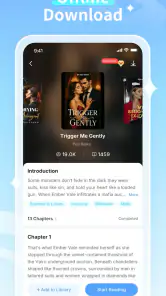
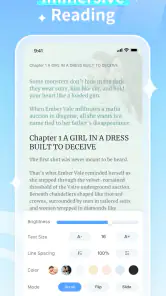
Analysis by Reviewed
I approached TaleWave as a reading app rather than as a replacement for a full digital library. Developed by TaleWave and placed in the Books & Reference category, it is built around the simple idea of keeping novels close at hand. The free entry point makes it easy to try, while the Teen content rating suggests that its intended audience is older children, teenagers, and adults who are comfortable exploring fiction beyond strictly children’s material.
My first impression is that TaleWave is most appealing when I want something light and immediate to read on a phone. It is the sort of app I would open during a commute, while waiting for an appointment, or before bed when I do not want to decide between several separate reading services. At the same time, its average rating of 3.0 from around 200 ratings tells me to keep expectations measured. There is interest here, but the experience is not universally convincing.
The app has passed the early novelty stage without looking like a mature, universally polished reading platform. With over 10,000 installs, it has found a modest audience, yet it remains small enough that personal preferences will strongly affect whether it works for you. I would recommend trying it for its reading selection and convenience, but I would not make it my only source of books until I had tested the catalog and reading flow myself.
How TaleWave feels in everyday reading
A focused home for serialized reading
The strongest reason to use TaleWave is focus. Instead of treating reading as one feature among many, the app presents itself as a place for novels. That matters on a phone, where a reader can easily lose a few minutes to notifications, video feeds, or unrelated browsing before opening a book. TaleWave gives the reading habit a more direct starting point.
I find this approach especially useful for readers who enjoy discovering fiction gradually. Rather than arriving with a carefully chosen title from a physical bookstore, I can use a mobile reading app when I am in the mood for a story but do not yet know which one. This kind of browsing can be enjoyable, although it also means that the quality of the experience depends heavily on how quickly I can identify a book that matches my taste.
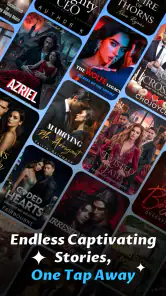
The store summary describes a large supply of emotional novels, and that gives the app a clear personality. TaleWave is not presenting itself as a technical reference tool or an academic reader. Its appeal is narrative immersion, particularly for people who like stories designed to create strong feelings and encourage continued reading.
Where it fits in a normal day
A realistic use case would be a reader who has fifteen minutes before leaving for work. They open TaleWave, browse for a story, read a few pages, and return later during a lunch break. The app makes more sense in that pattern than as a replacement for a long uninterrupted session with a printed novel. A phone is always nearby, so short reading opportunities become easier to use.
More From Our News Desk

Clash of Clans Is Won Between the Battles

Android Auto Makes the Case for Quieter Car Software

MobiOffice: Transforming Mobile Productivity with Seamless Integration

EA SPORTS FC™ Mobile Soccer: Redefining Mobile Sports Gaming

How Microsoft OneDrive Became a Mobile Productivity Giant

How Google Translate Breaks Language Barriers Effortlessly
I also see value for someone trying to rebuild a reading routine. Starting with a full-length physical book can feel demanding when attention is already fragmented. A mobile fiction app lowers the effort required to begin. Even a short session can feel worthwhile, and a continuing story can provide a reason to come back instead of relying on motivation alone.
That convenience has a trade-off. Reading on a small screen is not automatically comfortable, especially for people who prefer the visual calm of an e-reader. If your priority is paper-like display, a large library of established titles, or a distraction-free dedicated device, a traditional e-book service may suit you better. TaleWave is more attractive when availability and quick access matter more than a premium reading environment.
The free starting point and the purchase question
TaleWave is free to install, which lowers the risk of experimenting with it. I can see why that matters for a reader who is unsure whether the available novels match their interests. However, the app also includes in-app purchases ranging from $0.49 to $279.99 per item. That is a very wide range, so I would approach the reading experience with a clear spending limit.
The practical lesson is simple: free installation does not necessarily mean every part of the reading journey will remain free. Before becoming invested in a long story, I would check how access is handled and whether continuing requires a purchase. This is particularly important with emotional or cliffhanger-driven fiction, where stopping at a dramatic moment can make an unexpected payment feel more tempting.
My advice is to treat the free portion as a trial of both the writing and the payment model. If the opening chapters do not immediately suit your taste, there is little reason to spend money hoping the experience will improve. If you enjoy the story, decide in advance what it is worth to you rather than making several small purchases impulsively.
What the current version tells me
The current version is 1.1.26, which suggests that TaleWave is still in a relatively early stage of development rather than being a long-established reading service. I would interpret that as a mixed signal. A young app can improve quickly because its developer is still shaping the product, but it may also have rough edges that older alternatives have already solved.
For existing users, a version number like this matters less than whether daily reading feels stable and predictable. I would pay attention to how easily I can return to a story, whether my place is preserved, and whether browsing feels clear enough to find the next chapter without unnecessary effort. Those details determine whether an app becomes part of a routine or gets abandoned after a few sessions.
The minimum operating system is Android 7.0, so TaleWave is not restricted to only recent phones. That broad compatibility is useful for readers who keep an older device as a dedicated media or reading phone. It also makes the app more approachable for families or users who do not upgrade hardware frequently.
Changes and the effect on returning readers
Because the app is currently at version 1.1.26, I see its development as an ongoing process rather than a finished statement of what mobile reading should be. The important question for someone already using it is whether updates make reading more dependable without making the interface harder to understand. A reading app should improve quietly: better continuity, clearer discovery, and fewer interruptions are more valuable than unnecessary visual changes.
For a returning reader, the biggest benefit of continued development would be confidence. If I have started several novels, I want to feel that the app remains a reliable place to continue them. I would also welcome improvements that help readers distinguish between books they have begun, books they have saved for later, and titles they are only browsing. These are not glamorous changes, but they have a direct effect on the everyday experience.
At the same time, I would not assume that a newer version automatically makes TaleWave better for every reader. Updates can alter navigation or change how content is presented. Someone who already knows where everything is may need a short adjustment period after an update. My practical approach would be to update normally, then spend a few minutes checking my current reading list and purchase choices before settling back into the app.
Useful reading habits that are easy to overlook
One useful strategy is to test TaleWave with different kinds of sessions instead of judging it after a single browse. I would try one short reading period, one longer uninterrupted session, and one return to a story after a gap. This reveals whether the app works only as a discovery tool or whether it can support an actual reading habit.
A second strategy is to judge stories by their sustained appeal rather than by an exciting opening alone. Emotional fiction can be effective at creating an immediate hook, but the real test is whether I still want to continue after the initial tension settles. I would sample several titles before paying for access, especially because the purchase range can become substantial.
A third, less obvious trade-off is the relationship between convenience and ownership. TaleWave is well suited to readers who want access to stories inside one mobile environment. It may be less suitable for someone who wants to build a permanent, transferable library that can be managed independently of a particular app. If long-term collection management is your priority, compare the experience with established e-book stores before committing money.
I would also use a simple personal rule: never start a paid reading decision when I am tired or caught at a cliffhanger. Making the choice earlier, while calm, helps separate genuine interest in the novel from the pressure created by the story’s pacing. That habit is useful here because the app’s emotional focus may encourage readers to keep going at exactly the moment they are least likely to think about cost.
Where TaleWave still has room to grow
The rating of 3.0 indicates that the app has not yet delivered a consistently satisfying experience for everyone who tried it. I would not treat that number as a final verdict, but I would take it seriously. It suggests that readers may encounter differences between what they expect from a modern fiction platform and what TaleWave currently provides.
The likely pressure points are not limited to the writing itself. A reader can enjoy a novel and still dislike the way the app handles discovery, continuation, or purchases. For TaleWave to become a stronger everyday choice, it needs to make the complete journey feel coherent: finding a promising book, understanding how far the free access goes, returning to it later, and deciding whether to continue should all feel straightforward.
Another gap is audience clarity. The Teen rating gives a useful boundary, but readers still have different expectations within that broad group. Some want romance, some want drama, and others simply want a convenient place to browse fiction. The more clearly the app helps people identify suitable stories, the less time they will spend opening titles that are not right for them.
This is also where TaleWave differs from familiar alternatives. A physical library offers a slower but more deliberate discovery process and avoids the same kind of in-app purchasing pressure. A general e-book marketplace usually emphasizes established book ownership and broad catalog searching. A serialized fiction platform, by contrast, often wins through immediacy and continued engagement. TaleWave appears closer to that last model, so its success depends on how well it turns casual browsing into satisfying ongoing reading.
Who should try it, and who should skip it
I would suggest TaleWave to readers who enjoy emotionally driven novels, prefer reading on a phone, and like discovering stories without buying a dedicated e-reader. It is also worth a trial for someone who wants a low-commitment way to fill short breaks with fiction. The free download makes that experiment relatively easy, provided the reader pays attention to purchase decisions.
I would be more cautious recommending it to people who want a highly established library, a carefully controlled book collection, or a reading experience centered on ownership. Readers who dislike cliffhangers, frequent browsing, or the possibility of paying to continue a story may feel more comfortable with a conventional e-book service or a public library app.
It is not the right choice for someone looking primarily for nonfiction reference material, even though it sits in the broader Books & Reference category. Its identity is clearly tied to novels and emotional storytelling. That focus is a strength for the right audience, but it means the app should not be judged as a general-purpose reading shelf.
What I would watch before making it a main reading app
If I continued using TaleWave, I would watch how consistently the app supports unfinished stories. The ability to return without confusion is more important to me than having an impressive first browse. I would also watch whether the catalog feels varied enough after the initial selection has been explored. A reading app needs fresh reasons to open it, not just a memorable first session.
I would keep an eye on the balance between free discovery and paid continuation as well. The purchase range makes that part of the experience central to the decision, not a minor detail. Clear choices and predictable spending would make me more comfortable recommending it; uncertainty at the point of continuation would make me direct readers toward alternatives.
Finally, I would judge future updates by their effect on ordinary reading rather than by the version number alone. TaleWave does not need to imitate every feature found in larger services. It needs to make its particular promise—quick access to engaging novels—feel dependable, transparent, and pleasant over time. That is the improvement path I would find most meaningful.
My overall view is cautiously positive. TaleWave offers a focused way to discover and read emotional fiction on an Android device, and its free starting point gives curious readers a sensible opportunity to test it. The Teen rating, broad support for older Android phones, and current version 1.1.26 make it accessible to a fairly wide mobile audience.
Still, I would use it selectively rather than automatically choosing it over every alternative. The average rating, the early-stage feel, and the wide in-app purchase range all point to a service that deserves a careful trial. My recommendation is to explore the free reading experience first, establish a spending boundary, and only then decide whether TaleWave deserves a regular place in your reading routine.
TaleWave Frequently Asked Questions
How much does TaleWave cost, and are there purchases inside the app?
TaleWave is free to download, so you can try the app without paying an upfront price. It also offers in-app purchases, with items ranging from $0.49 to $279.99 each. Check the purchase details in the app before confirming anything, especially if you are exploring premium stories or features, and use your device’s purchase controls if you want to prevent accidental spending.
What kind of stories can I expect to find on TaleWave?
TaleWave is a Books & Reference app built around story-based entertainment. Its short description is simply “TaleWave,” while its store summary highlights an abundance of heart-stirring novels at your fingertips. That gives prospective readers a sense of its romance-oriented appeal, though the stories and browsing experience may vary. If you have particular genre preferences, explore the catalog before deciding whether it suits your reading tastes.
What is TaleWave and what can I do with it?
TaleWave is an entertainment app focused on discovering and enjoying story-based content in a convenient mobile format. Depending on the available catalog and features in your region, users may be able to browse stories, listen to narrated episodes, follow ongoing series, and save favorites for easier access. The app is designed for casual reading or listening, although the exact experience can vary between Android and iOS versions.
Is TaleWave free to download and use?
TaleWave is free to download, but it also offers in-app purchases, so some stories, episodes, or premium tools may require payment. Before confirming a purchase, check its price and terms carefully. Availability of free content and premium options may differ by country, operating system, and the current version of the application.
Does TaleWave require an internet connection?
An internet connection is generally needed to download the application, browse its catalog, synchronize your account, and stream new content. If TaleWave supports offline access, users may need to download individual stories or episodes in advance, and downloaded material could remain available only while an account or subscription is active. Mobile data usage can be significant when streaming audio or visual content.
Pros
- Large catalog of serialized stories across multiple genres.
- Short episodes make it easy to read during brief breaks.
- Personalized recommendations help discover new titles.
- Clean interface with simple navigation and reading controls.
- Regular content updates keep the library feeling active.
Cons
- Some stories may require coins or subscriptions to continue.
- The quality and editing can vary between different titles.
- Offline reading options may be limited for some content.
- Frequent notifications can feel excessive without customization.
- Availability of certain stories may differ by region or platform.
- Category
- Books & Reference
- Version
- 1.1.26