Staread
- 219.00
- 4.5
- Installs
- 50.00K
- Price
- Free

Screenshots
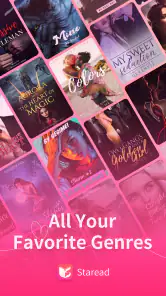
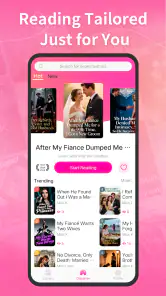
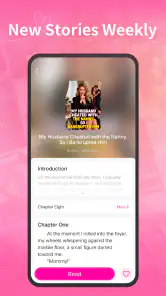
Analysis by Reviewed
Staread is a free books and reference app from Staread that I would describe as a pocket reading shelf for people who prefer good novels and short stories in a more focused setting. I spent time with it as the kind of reader who often opens an app with a few minutes to spare, reads several pages, leaves, and returns later. That simple habit is where the app makes the most sense: it gives casual fiction reading a dedicated home instead of making me search through a general web browser or a large digital bookstore.
The app has a mature audience rating of 17+, so it is not something I would recommend as a general family reading app. It is free to install, while optional purchases range from $0.99 to $199.99 per item. That price range is important to keep in mind before settling into a long reading session, especially if you tend to unlock content quickly. Staread has reached over 50 thousand installs and holds a 4.5 average from around 556 ratings, which suggests that its basic reading idea is connecting with a meaningful group of users.
How I use Staread for everyday reading
A simple starting routine works best
My preferred starting point is deliberately modest. I open the app when I have a clear reading window, browse until a story catches my attention, and give it enough time to establish its tone before deciding whether it deserves a place in my regular rotation. That approach is more useful than opening dozens of stories at once. Short fiction can look appealing in a list, but the opening pages tell me much more about the writing style, pacing, and subject matter.
For a commute, a waiting room, or a quiet break before bed, Staread feels more convenient than carrying a physical book and less distracting than reading through a browser. The short-story focus also changes how I plan my time. I can choose something that fits a brief session instead of starting a long novel when I know I may be interrupted. When I do choose a longer work, I treat it as a continuing project and return to it with the same regularity I would use for a paper book.
One practical habit is to separate discovery from reading. I browse when I have energy for choosing, then read when I have time for the story itself. This avoids spending an entire break scrolling through possibilities. It also makes the app feel less like an endless content feed and more like a personal reading routine. That distinction matters for anyone who wants fiction to be relaxing rather than another source of screen fatigue.
What the free starting point does and does not mean
Because Staread is free, it is easy to install and test without making an immediate commitment. I see that as a genuine advantage for readers who are unsure whether serialized or short-form fiction suits them. At the same time, free access should not be treated as a promise that every part of every story will remain available without cost. The presence of optional purchases means I would first understand how access is presented before becoming emotionally invested in a long-running story.
My advice is to read naturally at the beginning, but pause before buying anything. Check what an unlock gives you, whether you are paying for a single continuation or another type of access, and whether the purchase fits the way you actually read. A reader who samples several stories may be perfectly happy with free material, while someone who follows one favorite series closely may face a different spending pattern. The right choice depends less on the app itself than on how quickly you want to continue.
More From Our News Desk

Clash of Clans Is Won Between the Battles

Android Auto Makes the Case for Quieter Car Software

MobiOffice: Transforming Mobile Productivity with Seamless Integration

EA SPORTS FC™ Mobile Soccer: Redefining Mobile Sports Gaming

How Microsoft OneDrive Became a Mobile Productivity Giant

How Google Translate Breaks Language Barriers Effortlessly
Who gets the most from this format
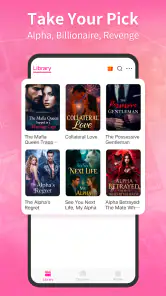
Staread is a strong match for readers who like romance, drama, suspense, or other fiction that can be consumed in compact sessions. It is also useful for people who enjoy trying unfamiliar writers without buying a complete book first. The app’s format lowers the effort needed to begin: I can investigate a story during a short break and decide quickly whether its voice works for me.
I would be more cautious recommending it to someone looking for academic references, technical manuals, news archives, or a broad library of established ebooks. Although it belongs to the Books & Reference category, its identity is clearly centered on good novels and short stories rather than research tools. A dedicated ebook reader, library service, or reference database would be a better fit for those needs.
Settings and reading habits worth checking
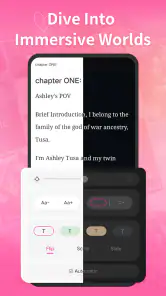
On any reading app, I check the available reading controls before settling in. In Staread, I would pay particular attention to the options that affect comfort and continuity, such as text presentation, page movement, and any controls that make it easier to resume a story. I do not treat these as cosmetic details. A setting that reduces awkward scrolling or makes paragraphs easier to follow can determine whether I read for ten minutes or stay with a chapter much longer.
I also recommend checking the device and account behavior early, before building a large reading queue. If you use more than one phone or tablet, confirm how comfortably your reading routine transfers between them rather than assuming that every position, bookmark, or preference will behave exactly as it does in a full-featured ebook ecosystem. This is one of those small checks that prevents frustration later.
Another useful adjustment is notification discipline. If Staread offers reading-related alerts on your device, I would keep only the ones that support a real habit and silence anything that turns reading into pressure. A reminder can help someone return to a story, but frequent prompts can make fiction feel like a task. I prefer opening the app because I want to read, not because the phone is repeatedly asking me to.
The mature rating deserves practical attention as well. I would not hand the device to a younger reader simply because the app itself is free or because a particular story appears harmless at first glance. Adults sharing a tablet with children should use their normal device-level safeguards and review content choices personally. The age classification is a signal to treat the catalog as adult-oriented, not as a children’s reading shelf.
Faster ways to choose and continue stories
Experienced use is less about discovering a secret button and more about repeating a sensible process. I use a three-step pattern: sample, commit, and review. First I sample the opening of a story. Then I commit only when the writing and subject fit my mood. Finally, after a session, I decide whether to continue immediately or leave it for another day. This prevents my reading list from becoming crowded with stories I never truly wanted to follow.
For short stories, I choose based on available time rather than only on genre. If I have a few quiet minutes, a complete compact piece is more satisfying than beginning a long serial. If I have a longer evening, I can give a developing novel enough attention to remember its characters and conflicts. That simple match between story length and schedule is one of the most effective ways to enjoy Staread without feeling that I am constantly losing my place.
I also avoid switching between too many stories during one session. The temptation to sample everything is understandable, but repeated switching weakens the emotional effect of fiction. My better pattern is to keep one main story and perhaps one backup for a different mood. The main story receives uninterrupted attention, while the backup is reserved for moments when the first one feels too heavy, slow, or unsuitable.
When I return after a gap, I spend a moment recalling the last meaningful event rather than rushing straight into new text. With serialized fiction, that small pause improves comprehension and makes the experience feel less fragmented. If the app presents chapter titles or story descriptions, I use them as memory cues instead of rereading large sections. This is a particularly useful habit when reading in short daily sessions.
Where Staread differs from familiar alternatives
Compared with a general ebook store, Staread feels more focused on discovering and following fiction than on managing a large personal library. A traditional ebook app is usually better when I already know the title I want, own files from different sources, or need strong book-management tools. Staread is more appealing when I want to browse stories and begin reading with little preparation.
Compared with a web search, the app offers a cleaner boundary around the reading experience. A browser can find almost anything, but it also brings tabs, unrelated recommendations, advertisements, and the risk of landing on unclear sources. Staread’s dedicated purpose makes it easier for me to stay with the story. The trade-off is that I am working within its catalog and reading model rather than the open web.
Compared with a library ebook service, Staread may feel more immediate for readers who want app-centered fiction discovery, while a library platform is often the better choice for borrowing recognized books without direct purchases. Readers who care most about ownership, lending periods, accessibility tools, or a broad established catalog should compare those priorities carefully before choosing Staread as their main reading app.
Limits that experienced users should understand
The biggest limitation for me is not the basic reading idea; it is the uncertainty that can come with a purchase-driven reading path. Optional purchases from $0.99 to $199.99 per item create a wide possible spending range. I would never begin unlocking chapters quickly without setting a personal limit. A low-cost first purchase can feel harmless, but repeated small decisions may change the total cost of following several stories.
This also affects how I judge value. Staread can be good value for someone who enjoys sampling free fiction and follows purchases selectively. It is less attractive for a reader who expects one upfront payment to provide a complete, permanent library. If that is your preferred model, a conventional ebook purchase or library borrowing service may offer a clearer relationship between price and access.
The app’s relatively focused purpose can be another limitation. I would not expect it to replace a complete reading system for every kind of book. Readers who need extensive annotation, serious study workflows, file organization, or a large collection of books from multiple publishers may find a dedicated ebook reader more practical. Staread works best when its narrower focus is an advantage rather than a restriction.
There is also a question of reading depth. Short stories are excellent for quick satisfaction, but readers who want long, carefully edited standalone novels may prefer a conventional bookstore or subscription library. The compact and serialized approach can make it easy to keep reading, yet it may not deliver the same sense of completion or editorial consistency that some readers expect from traditionally published books.
My repeatable workflow for getting more from it
My strongest recommendation is to create a small, intentional routine rather than treating the app as an infinite scroll. I would begin by choosing a reading time, selecting one story, and deciding in advance whether I am sampling or following it. That small distinction keeps expectations realistic. Sampling is about discovering a voice; following is a commitment of time and possibly money.
Next, I would review the reading environment. Adjust the text and movement controls until the screen feels comfortable, keep notifications from interrupting the session, and make sure the device has enough battery for the way I plan to read. These steps sound ordinary, but they remove the small points of friction that make people abandon a story after only a few pages.
For readers who use the app daily, a weekly review is worthwhile. I would look at the stories I actually opened, drop anything that no longer interests me, and decide where purchases are genuinely justified. This keeps the catalog from becoming a collection of unfinished obligations. It also gives me a clearer picture of whether Staread is serving my reading habits or merely filling spare moments with browsing.
One less obvious benefit of this approach is that it protects attention. When I limit my active stories, I remember characters better and notice whether the writing is improving, slowing down, or repeating itself. That makes the app more rewarding for thoughtful readers, not just for people who want constant new content. The experience becomes a deliberate reading practice rather than a sequence of impulsive openings.
Version context and practical expectations
Staread is currently at version 0.12.0 and supports devices running Android 6.0 or later. I would interpret that as a reminder to keep expectations grounded: the app is still developing, so the experience may feel more focused and less mature than that of long-established reading platforms. Before making it the center of a large reading collection, I would use it consistently for a while and see whether its navigation, continuity, and purchase flow suit me.
The developer, Staread, has built the app around a clear idea rather than trying to be every kind of book tool at once. That focus is its main strength. It gives readers an easy entry into novels and short stories, but it also means the app should be judged on discovery and reading enjoyment, not on features that belong to research software or a full ebook library manager.
My verdict after using it as a regular reader
Staread is worth trying if you want fiction that fits naturally into short, repeatable reading sessions. I like its focused purpose, its low-friction starting point, and the way short stories can fit around real life. The free entry makes experimentation easy, while the adult-oriented catalog gives it a clearer identity than a general-purpose reading app.
I would recommend it to adults who enjoy discovering serialized fiction, readers who often have only a few minutes at a time, and anyone who wants an alternative to browsing the open web for stories. I would skip it as a primary reading platform if I needed a research reference tool, a broad collection of established ebooks, extensive study features, or a simple one-time ownership model.
My final advice is to use it with a plan: sample patiently, keep the active reading list small, check the reading controls, and set a firm spending boundary before unlocking content. Used that way, Staread feels like a convenient fiction companion rather than an endless catalog competing for attention. It will not replace every book app, but for the right reader, it offers a pleasant and practical way to make novels and short stories part of an everyday routine.
Staread Frequently Asked Questions
What is Staread and what can I use it for?
Staread is a reading-focused application designed for users who want to discover, access, and enjoy digital stories in a convenient mobile format. Depending on the available catalog and region, it may include serialized fiction, novels, or other written content. Before downloading, check the app description and screenshots to confirm that its content, reading style, and supported languages match your expectations.
Is Staread free to download and use?
Staread may be free to download, but some of its content or features could require in-app purchases, credits, subscriptions, or other payments. Many reading platforms allow users to access initial chapters at no cost while charging for later content. Review the pricing information shown in the app store and inside the application before purchasing, especially if automatic renewal is offered.
Does Staread require an internet connection?
An internet connection is generally needed to download the application, browse its catalog, synchronize your reading progress, and load new chapters or stories. Some content may be available for offline reading after it has been downloaded, although offline access can depend on the app’s version, licensing rules, and account status. Test the download option before traveling or reading without mobile data.
Does Staread support accounts and synchronization across devices?
Staread may ask you to create or connect an account so it can save reading progress, bookmarks, favorites, purchases, or personalized recommendations. If synchronization is supported, signing in on another compatible device should help restore your library and progress. However, available login methods and cross-device features can vary, so check the account settings and privacy policy before relying on the service.
Is Staread safe for children and suitable for all readers?
Staread’s suitability depends on the stories available in its catalog, since digital reading platforms can include themes such as romance, violence, mature relationships, or other content intended for older audiences. Parents should review the app’s age rating, content descriptions, and privacy permissions before allowing children to use it. In-app purchases and chat or community features should also be checked carefully.
Pros
- Clean
- distraction-free interface for focused reading
- Useful for discovering and organizing reading content
- Simple navigation makes the app approachable for new users
- Convenient access to saved material from a mobile device
- Suitable for short reading sessions while traveling or commuting
Cons
- Some features may require an account or internet connection
- Content availability can vary depending on region or source
- Limited customization options may disappoint advanced readers
- Performance may depend on device age and network quality
- The app may not replace dedicated e-readers for long reading sessions
- Category
- Books & Reference
- Version
- 0.12.0