Squeezy
- 35.00
- 4.8
- Installs
- 100.00K
- Price
- $4.99

Screenshots

Analysis by Reviewed
Have you ever thought about pelvic floor exercises and their benefits but felt unsure where to begin? I’d look at Squeezy if you want a structured way to make them part of your routine. The subject can feel personal, and remembering to practise is often harder than deciding that you want to. A guided app may help with that everyday hurdle, provided its approach suits your needs and you have realistic expectations about what an exercise routine can do.
Where people can get stuck
Pelvic floor exercises are easy to underestimate: they can seem simple enough to do without guidance, yet it is not always obvious whether you are practising consistently or following an approach that is right for you. An app can offer a repeatable routine and reminders, but it cannot replace individual assessment or answer every personal health question. I would treat it as a way to support a routine, not as proof that an exercise is being performed correctly or a guarantee of a particular result.
That distinction matters if you are new to this kind of exercise. Before relying on any app, consider whether you understand the instructions and can follow them comfortably. If you are uncertain about technique, have symptoms that concern you, or have been given specific advice by a health professional, ask that professional how an app-based routine fits your situation. More exercises are not automatically better, and pushing through discomfort is not a sensible shortcut.
The other common snag is consistency. A plan may look manageable when you first install an app, but reminders can become easy to dismiss when they arrive during work, travel, or family tasks. I find it more useful to choose a realistic moment in the day than to aim for a perfect schedule. A routine that fits ordinary life is more likely to last than one that depends on remembering to practise at an inconvenient time.
Making the first setup useful
Squeezy is a medical app from Living With Ltd, focused on pelvic floor muscle exercises. Its appeal is the prospect of having exercise guidance, reminders, and progress information in one place rather than trying to remember a routine from scratch. When setting it up, I would take time to read each instruction rather than tapping through just to reach the exercises. The quality of a routine depends on understanding what you are being asked to do, not merely opening the app each day.
It costs $4.99, so I would decide what I want from it before paying: a prompt to practise, a more structured routine, or a way to keep track of sessions. The app is rated for Everyone, but that age label is not the same as personalised medical guidance. Its average rating is 4.8 from around 5,300 ratings, and it has more than 100,000 installs. Those figures suggest that many people have tried it, but they do not tell me whether its guidance matches an individual’s needs.
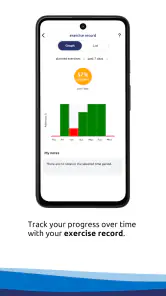
A practical setup check is to make sure the routine feels understandable and the reminders suit your day. If a notification arrives at a poor time, adjust your habits around a more convenient window rather than treating a missed prompt as failure. I would also decide how I plan to use progress tracking: as a record of consistency, not as a medical measurement or a promise that symptoms will change on a set timetable.
More From Our News Desk

Clash of Clans Is Won Between the Battles

Android Auto Makes the Case for Quieter Car Software

MobiOffice: Transforming Mobile Productivity with Seamless Integration

EA SPORTS FC™ Mobile Soccer: Redefining Mobile Sports Gaming

How Microsoft OneDrive Became a Mobile Productivity Giant

How Google Translate Breaks Language Barriers Effortlessly
Recovering a routine without overdoing it
When a session slips, the most helpful response is usually to resume at the next sensible opportunity instead of trying to make up for it with extra work. A reminder system can bring the routine back to mind, while progress tracking can help show whether practising has become regular. Neither should turn the exercise into a source of guilt. If the app’s prompts stop being useful, I would reconsider when they appear and whether the routine still fits my day.
There is also a useful difference between logging activity and judging results. A record can help answer, “Have I been practising regularly?” It cannot, by itself, answer, “Is this the right exercise for me?” or “Why do I still have a particular symptom?” If I were concerned about the latter, I would take that question to a qualified health professional rather than trying to infer a diagnosis from an app’s progress screen.
For a realistic example, imagine someone who spends the day moving between meetings and errands and tends to remember self-care only late at night. Instead of setting a reminder for an idealised morning routine, they could choose a quieter moment they can usually protect, then use the app to make the session easier to remember. If the day goes sideways, they can return to the usual routine the next day. That small adjustment is more practical than treating a missed session as a reason to abandon the plan.
When the problem may be somewhere else
If the app is difficult to use, I would first separate a routine problem from a health question. A reminder that is easy to miss may need a better time; instructions that are confusing may mean the app is not the right learning tool for that person. But pain, worsening symptoms, uncertainty about whether the exercises are appropriate, or a lack of progress that worries you calls for professional advice, not simply more reminders or a more ambitious routine.
Likewise, an app cannot make an exercise effective just by tracking it. People differ in their needs, and pelvic floor concerns can call for guidance tailored to the person. If you have already received instructions from a clinician, compare the app’s approach with that advice before using it as your main guide. When they do not fit together, follow the clinician’s direction and ask how to adapt the app, rather than assuming the general routine should take priority.
How it compares with other ways to practise
The usual alternatives are to remember exercises without an app, follow written guidance, or seek help from a health professional. Remembering a routine costs nothing, but it places all the burden on memory and offers no built-in record. Written guidance can be convenient and easy to revisit, though it may not provide the same prompts or sense of progression. A professional can offer personalised support, which is particularly valuable when the right technique or exercise choice is uncertain, but an app and a consultation serve different purposes.
The strongest case for this app is the middle ground: someone who already knows that pelvic floor exercises are appropriate and wants help turning them into a consistent habit. Its reminders and progress tracking can make a private routine feel more organised without requiring a complicated fitness setup. The trade-off is that convenience should not be mistaken for personal supervision. If you mainly need an expert to assess your technique or symptoms, a general exercise app is not the better substitute.
Who is likely to benefit—and who should look elsewhere
I can see it suiting people who want a discreet, structured prompt for regular practice, especially those who have been advised to exercise and feel comfortable following app-based instructions. It may also help someone who has tried to remember a routine independently but keeps losing track. The most useful expectation is modest: the app can support the habit and make it easier to keep a record, while the user remains responsible for deciding whether the routine feels appropriate.
I would hesitate to recommend it as a first and only resource to someone who does not know whether pelvic floor exercises are suitable for them, needs hands-on feedback, or wants a diagnosis. It may also be a poor fit for someone who dislikes reminders, does not want to manage a digital routine, or expects an app to produce quick, measurable changes. In those cases, a conversation with a health professional or a simpler written plan may be a better starting point.
What the routine feels like in everyday use
The app’s value is less about making exercise exciting and more about lowering the effort required to remember it. A short, repeatable moment can be easier to protect than an elaborate schedule, particularly when the routine is personal and does not need to be visible to anyone else. I would pair a reminder with an existing quiet part of the day, such as a break at home, rather than tying it to a time that routinely changes.
One non-obvious trade-off is that reminders can help at first and irritate later. If every prompt feels like an interruption, the answer may not be to abandon the routine; it may be to choose a calmer time or reduce reliance on notifications by linking practice to a habit already in your day. Another is that progress records are most useful when interpreted narrowly. They can encourage consistency, but a streak or a completed session is not a clinical outcome.
For anyone wondering whether the app can replace medical advice, my answer is no: I would use it as a companion to suitable guidance, not a substitute for assessment. If you are asking whether it can help you remember to practise, that is exactly the kind of everyday problem its reminders are meant to address. If you are asking whether your symptoms have a particular cause, or whether a specific exercise is right for you, that question belongs with a qualified professional.
My practical verdict
The app was released on November 24, 2014, and it remains a focused option for people looking for support with pelvic floor exercises. Its price makes sense to me only if the structure, reminders, and tracking are things you will actually use; someone happy with a paper note or an existing professional plan may not need to pay for an app. I would make that decision based on the routine you want to sustain, not on ratings alone.
When I first heard about Squeezy, I was skeptical. I mean, how effective could an app really be for pelvic floor exercises? But, from the moment I downloaded it, I was pleasantly surprised. The onboarding process was smooth and intuitive, guiding me through the basics without overwhelming me with too much information right off the bat.
The app is designed with simplicity in mind, which I personally love. It’s not cluttered with unnecessary features that you’ll never use. Instead, it focuses on delivering a straightforward and effective experience for users who want to improve their pelvic floor strength.
Features that Stand Out
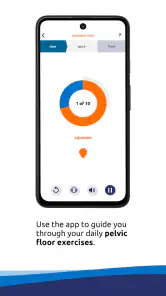
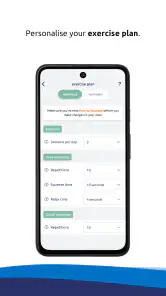
One of the first things I noticed was the customizable exercise plans. The app allows you to tailor your workout according to your personal needs and goals. Whether you're a beginner or someone more experienced, Squeezy adjusts to suit your level. This flexibility is something I find extremely beneficial as it keeps me motivated and engaged.
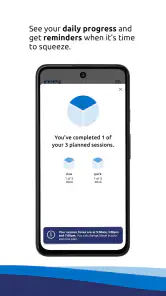
Another feature worth mentioning is the reminders. Let’s face it, we all get caught up in our daily routines and sometimes forget to take a moment for ourselves. The gentle reminders ensure that I never skip a session, which is crucial for maintaining consistency and getting results.
Why Squeezy is Worth Your Time
One of the best things about Squeezy is how it empowers its users. It’s more than just an app; it’s like having a personal coach in your pocket. The detailed progress tracking helps you see improvements over time, which is incredibly encouraging. Plus, the positive reinforcement from the app makes you feel accomplished after each session.
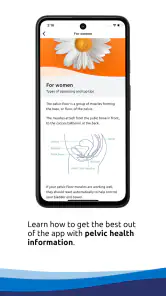
Additionally, the app offers educational resources that explain the importance of pelvic floor health. It’s not just about doing the exercises; it’s about understanding why you’re doing them and how they contribute to your overall well-being.
Wrapping Up: My Personal Opinion
In a nutshell, if you’re looking to improve your pelvic health, Squeezy is a fantastic companion. It’s user-friendly, effective, and offers a personalized experience that feels like it was designed just for you. The app’s focus on education and consistency makes it stand out from other fitness apps. So, if you haven’t tried it yet, give it a shot. You might find it’s exactly what you’ve been missing.
Squeezy Frequently Asked Questions
Is Squeezy intended to replace advice from a healthcare professional?
No. Squeezy is a medical app for pelvic floor muscle exercises, but it should be treated as a training aid rather than a substitute for individualized medical advice. If you have pain, symptoms that concern you, or questions about whether these exercises are appropriate for you, speak with a qualified healthcare professional before starting or changing a routine.
Who develops Squeezy, and what is its age rating?
Squeezy is developed by Living With Ltd and is listed for Everyone. Its focus is pelvic floor muscle exercises, so its subject matter may be most relevant to people seeking support with pelvic health. The age rating does not mean every exercise is suitable for every person; users should choose a routine that fits their needs and seek professional guidance when unsure.
What is Squeezy and how does it work?
Squeezy is a pelvic floor muscle training app designed to help users strengthen their pelvic muscles through guided exercises. The app provides a series of exercises that can be customized based on the user's personal goals. It includes features like reminders, progress tracking, and educational content to support users in maintaining their pelvic health.
Is Squeezy suitable for both men and women?
Yes, Squeezy is designed to be used by both men and women. While it is often recommended for women who are pregnant or recovering from childbirth, men can also benefit from pelvic floor exercises. The app offers customizable exercise plans that can be adjusted to fit individual needs regardless of gender.
What devices are compatible with Squeezy?
Squeezy is available for both Android and iOS devices. Users can download it from the Google Play Store for Android devices and the Apple App Store for iOS devices. Ensure that your device's operating system is up to date to avoid any compatibility issues when installing the app.
Pros
- Intuitive user interface for easy navigation.
- Rich feature set with customizable options.
- Seamless integration with other tools.
- Regular updates with bug fixes and new features.
- Responsive customer support.
Cons
- Occasional slow performance on older devices.
- Limited free version functionality.
- Some features require in-app purchases.
- Advertisements in the free version might be intrusive.
- Initial setup can be slightly confusing.
- Category
- Medical
- Version
- Varies with device











