SonicNest — Music Player
- 79.00
- 3.4
- Installs
- 10.00M
- Price
- Free

Screenshots

Analysis by Reviewed
I’d approach SonicNest — Music Player as a free music app to try, not as a purchase decision with a complicated price calculation. It costs nothing to download, which makes testing it a low-commitment way to see whether its listening experience suits you. I still wouldn’t assume that every feature or listening source is included on the same terms; the practical question is whether the app works with the way you already find and play music.
What free access is worth in practice
For me, a free player earns its place when it makes everyday listening easier without asking me to change my whole routine. If you mainly want to open an app, pick something to play, and get on with your day, SonicNest may be worth exploring. The developer is YIXIANG, and the app is in the music and audio category. Its Everyone age rating also makes it broadly suitable for a general audience, though that alone doesn’t tell you what listening options will fit your household.
The useful way to judge the no-cost access is to try a familiar listening session first. Choose music you already enjoy and see whether browsing and playback feel comfortable before investing time in playlists or changing your habits. If it doesn’t fit, you can move on without having paid for an app you rarely use. That’s a clearer value test than downloading it just because free sounds appealing.
Getting to Know SonicNest
So, what exactly is SonicNest? At its core, it's a music player app, but honestly, it's so much more than that. The app promises a seamless, high-quality audio experience, and boy, does it deliver! From the moment you open it up, you're greeted with an intuitive interface that's as sleek as it is functional.
User-Friendly Interface
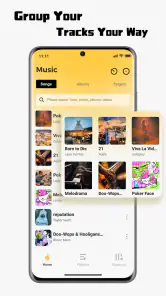
One of the first things I noticed about SonicNest was how easy it is to navigate. The developers have clearly put a lot of thought into making the user experience as smooth as possible. With just a few taps, you can create playlists, browse through your music library, or discover new tracks. It's like having a DJ in your pocket!
Sound Quality That Wows
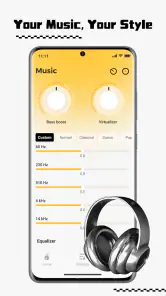
Now, let's talk about sound quality. I can't stress enough how important this is for any music player, and SonicNest nails it. Whether you're into classical symphonies or the latest pop hits, the app delivers crystal clear audio that makes every note shine. The built-in equalizer is a fantastic tool, allowing you to customize the sound to your liking. Trust me, your ears will thank you!
Making the most of playback controls
The equalizer is more useful when I treat it as a small adjustment for the listening setup, rather than a promise that every track will sound better with heavy changes. If I switch from headphones to a speaker, I’ll try a modest adjustment and then leave it alone for a few songs. That makes it easier to hear whether the change genuinely helps, instead of judging it against a single moment or repeatedly interrupting playback.
More From Our News Desk

Weather by Xiaomi Review: Clear at a Glance, Less Clear Up Close

X Under Pressure: Can It Recover When Posting Goes Wrong?

Clash of Clans Is Won Between the Battles

Android Auto Makes the Case for Quieter Car Software

MobiOffice: Transforming Mobile Productivity with Seamless Integration

EA SPORTS FC™ Mobile Soccer: Redefining Mobile Sports Gaming
There’s also a practical reason to keep expectations grounded: audio quality is partly shaped by the music source and the headphones or speakers, not only by the player. I’d use the equalizer to compensate for a sound profile I find tiring or thin, but I wouldn’t expect it to turn a poor recording into a polished one. For listeners who prefer a completely untouched signal, the extra control may not add much; for people who like a little tuning, it can make everyday listening more comfortable.
Offline Listening
Another standout feature is the ability to download songs for offline listening. This is a game-changer for those long flights or commutes where Wi-Fi might be spotty. Just download your favorite tracks ahead of time, and you're good to go. Plus, the app doesn't hog your device's storage, which is a bonus!
For a practical commute routine, I’d prepare a small set of familiar tracks before leaving rather than relying on a connection at the station or on the road. Offline listening is most useful when you know what you want in advance; it’s less helpful if you expect to browse for new music while disconnected. I’d also check that the songs you intend to hear are ready before heading out, so the feature supports the journey instead of becoming a last-minute distraction.
Planning downloads around real routines
I’d keep offline preparation simple: decide on the length and mood of the journey, then choose a compact set that can carry you through it. That’s more reliable than trying to download everything I might want and then sorting through a huge collection in a hurry. It also helps me avoid treating offline access as a substitute for a full music library; it’s best used as a deliberate backup for places where a connection is unreliable.
For example, before a flight I’d choose a few albums or playlists I already know I enjoy, open them while I’m still connected, and make sure they are available before leaving home. That routine is useful even for a short train ride, where a delayed connection or a crowded network can make streaming inconvenient. If you’re the kind of listener who decides what to hear only after you’re already on the move, the offline feature may take more planning than you want.
Discover New Music
If you're someone who loves discovering new music, SonicNest has got you covered. The app's recommendation system is top-notch, suggesting tracks and artists based on your listening habits. It's like having a personal music curator, introducing you to sounds you might never have stumbled upon otherwise.
How it fits alongside other listening options
Compared with choosing albums or playlists manually in a basic player, recommendations can make a listening session feel less predictable. That is useful when I want background music while doing chores and don’t want to keep making selections. The trade-off is that a recommendation-led experience may not be as dependable as a carefully chosen playlist when I need a specific mood, artist, or sequence. I’d use suggestions to explore, then keep deliberate picks for focused listening.
A small, useful habit is to treat recommendations as a discovery prompt rather than a replacement for your own taste. When a suggestion works, follow that thread; when it doesn’t, return to a known playlist instead of letting the app decide the whole session. This gives the discovery side room to surprise you without making it the only way you listen.
When another music option makes more sense
The usual alternatives tend to fall into two broad camps: players built around music you already manage yourself, and streaming services where you search a large catalog and let playlists or radio-style suggestions keep things going. SonicNest’s appeal, as I see it, is the combination of a player-style routine with recommendations and offline listening. If you already have a tidy personal collection and rarely want suggestions, a basic player may be a better fit. If you want to search for specific releases and rely on a particular catalog every day, choose the service that you know carries what you need.
I wouldn’t switch from an established setup just for the sake of trying something new. First, compare the everyday actions that matter to you: how you reach a favorite album, whether your preferred listening is available, and how much time you spend organizing before playback. A good alternative is the one that reduces friction in those moments, even if it has fewer extras. SonicNest is worth considering when discovery and prepared offline listening are useful parts of your routine, rather than features you expect to use once and forget.
Everyday fit and practical trade-offs
Picture getting home after a busy day and wanting music on while making dinner. A player that’s easy to navigate can make that quick moment feel effortless, while an equalizer gives you a way to adjust the sound for the headphones or speakers you’re using. For a quiet evening, you might prefer a gentler balance; for a lively playlist, a different setting may suit you better. The best use of that control is modest experimentation, not constant tweaking that interrupts the music.
Offline playback and discovery serve different needs, so I wouldn’t treat them as interchangeable. Downloads are handy when you’re planning for a known stretch without reliable access; recommendations are more appealing when you have a connection and want fresh listening ideas. If your priority is a particular catalog, carefully managed collections, or a service you already use every day, compare those needs with SonicNest before moving your listening routine over. A familiar alternative may be better if it already organizes your music exactly the way you like.
Small checks before changing your habits
Before committing to a new player, I’d test it in the places where I actually listen: at home, during a commute, and with the headphones or speaker I use most. One short session can reveal whether browsing feels natural, whether recommendations are useful rather than distracting, and whether the sound controls are easy to leave in a comfortable state. Testing this way is more revealing than tapping through screens without playing anything.
I’d also avoid rebuilding a carefully arranged listening routine on day one. Start with one familiar playlist or a handful of tracks, then try discovery separately. That gives you a fair comparison with your current player and makes it easier to identify what SonicNest improves and what it doesn’t. If the main benefit is only novelty, there’s little reason to move everything over; if it makes a regular task smoother, that’s a more convincing case for keeping it.
Who is likely to get value from it?
I can see SonicNest suiting someone who wants a straightforward music player, likes occasional recommendations, and would make use of offline listening for travel or commuting. It is less compelling for a listener who expects every session to be driven by precise personal selections or who is already happy with another player’s organization. The app has a 3.4 average from around 7,600 ratings, so I’d treat it as something to test for yourself rather than assume it will be a universal favorite. It has over 10 million installs, but popularity alone can’t tell you whether its particular mix of tools suits your habits.
It may also appeal to someone who enjoys having both planned listening and a little room for surprise: a known set of songs for a walk, then recommendations when there’s time to explore at home. On the other hand, people who need music to be organized in a very specific way should check the workflow closely before making it their default. An app can be easy to navigate and still not match the sorting, library habits, or selection process a particular listener relies on.
Device fit and how to decide
The app is free, and its current version is 1.2.5. It was released on April 3, 2025, and supports Android 8.0 and newer. Those details make it easier to decide whether it can run on your device, but the more important test is still whether it handles your everyday listening comfortably. I’d start with one ordinary use case—such as a commute playlist or music while cooking—and keep it only if it genuinely makes that routine better.
If you’re deciding whether to make it your main player, I’d give it a short trial with clear questions in mind: can you find something you want without fuss, do the recommendations feel relevant enough to revisit, and does preparing offline music fit your schedule? Those are more useful measures than trying every option immediately. If one of those parts is central to your listening and feels awkward, a different app may serve you better even if SonicNest’s other tools are appealing.
My buy-or-skip verdict
Since there’s no download cost, my decision would be to try it if its mix of playback, recommendations, and offline listening sounds useful, while keeping my existing music setup until it proves itself. The no-cost entry makes experimentation easy, but it doesn’t make the app automatically valuable: the real return is whether it saves time or makes listening more enjoyable in a routine you already have. I wouldn’t pay or commit to anything beyond the free access without checking the terms presented in the app itself.
Skip it if you’re looking for a very specific music catalog, rely on a tightly managed personal library, or have no interest in suggestions and offline preparation. In those cases, a player or service built around your existing habits is likely to feel more direct. For a listener who wants a free app to explore, can make use of planned downloads, and is open to recommendations, SonicNest is a reasonable one to test—just let your own everyday listening decide whether it earns a permanent place.
In conclusion, SonicNest — Music Player is a fantastic addition to any music lover's arsenal. With its user-friendly interface, impeccable sound quality, and features that cater to both casual listeners and audiophiles, it's hard not to fall in love with this app. So, why not give it a spin and let the music play?
SonicNest — Music Player Frequently Asked Questions
Is SonicNest — Music Player free to download?
Yes. SonicNest — Music Player is free to download and is listed for everyone. It is a music and audio app from YIXIANG, with the short description “SonicNest” and the tagline “Travel To The Music Universe.” If you are deciding whether to try it, consider how its listening and organization features fit your needs before installing.
What platforms is SonicNest — Music Player available on?
SonicNest — Music Player is available on both Android and iOS platforms. Users can download it from the Google Play Store for Android devices and the Apple App Store for iOS devices. The app is designed to provide a seamless music listening experience across various devices, ensuring compatibility with the latest operating systems on both platforms.
Does SonicNest — Music Player support offline listening?
Yes, SonicNest — Music Player supports offline listening. Users can download their favorite tracks and playlists directly to their device and enjoy music without an internet connection. This feature is particularly useful for those who travel frequently or have limited access to Wi-Fi, ensuring that their music is always accessible.
Can I create and share playlists with SonicNest — Music Player?
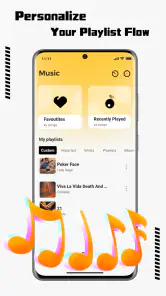
Absolutely! SonicNest allows users to create personalized playlists and share them with friends and family. The app provides a user-friendly interface for organizing songs into playlists, and sharing options make it easy to distribute your carefully curated music collections via social media, email, or within the app's community.
What audio formats does SonicNest — Music Player support?
SonicNest — Music Player supports a wide range of audio formats, including MP3, AAC, FLAC, WAV, and more. This versatility ensures that users can play virtually any audio file they have, without needing to convert files to a different format. The app aims to provide high-quality sound regardless of the file format used.
Pros
- User-friendly interface enhances user experience.
- Supports multiple audio formats seamlessly.
- Offline playback mode saves bandwidth.
- Customizable playlists for personalized listening.
- High-quality sound output for audiophiles.
Cons
- Limited free version features.
- Occasional ads in the free version.
- Requires account for full functionality.
- No podcast support currently available.
- Music library could be more expansive.
- Category
- Music & Audio
- Version
- 1.2.5












