Sēkr: Vanlife, Roadtrip, Camp
- 204.00
- 3.9
- Installs
- 10.00K
- Price
- Free

Screenshots

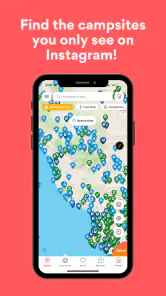
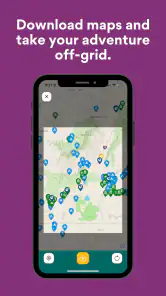
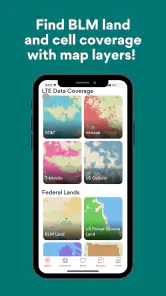
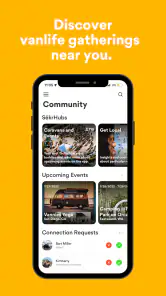

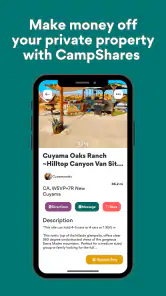

Analysis by Reviewed
I approached Sēkr: Vanlife, Roadtrip, Camp as a practical travel companion rather than another app I would open once and forget. Its focus is clear: helping people plan van trips, RV journeys, road adventures, and camping stops. That makes it more specialized than a normal map, but also more dependent on whether your travel style matches its purpose.
My overall impression is that Sēkr is most useful during the messy middle of trip planning: when I know the general direction, but still need to think about where to stop, how to shape the route, and what kind of overnight experience I want. It is available for free, with optional in-app purchases ranging from $1.99 to $41.99 per item, so I can try the basic experience before deciding whether extra spending makes sense.
The app comes from Sēkr, Inc., and sits in the Travel & Local category. It is rated Teen, runs on Android 7.0 or later, and its current release is version 4.11. With over ten thousand installs, it is not an obscure experiment, although its average rating of 3.9 from hundreds of ratings suggests a mixed experience rather than universal approval.
How I Decide Whether Sēkr Is the Right Travel Tool
Start with the kind of trip you are actually planning
The first question is not whether Sēkr looks attractive. It is whether your trip involves the problems this app is designed around. If I am driving between hotels in large cities, a standard navigation app and a booking service may be simpler. If I am traveling in a van, towing an RV, or looking for camping-oriented stops, a specialist tool has a better chance of saving me time.
That distinction matters because a general map is excellent at roads, addresses, traffic, and business searches, but it does not necessarily organize a trip around the practical rhythm of life on the road. A van traveler may care about a place to sleep, a scenic break, a camping possibility, or a stop that fits the next leg of the journey. Sēkr is built around that broader travel mindset.
I would also consider how much planning I want to do inside one app. Some travelers prefer a blank map and make decisions as they drive. Others want to gather possible stops before leaving, compare ideas, and create a route that feels realistic. Sēkr is aimed more at the second group, while still being relevant to people who make decisions one day at a time.
Use it as a planning layer, not as your only source of truth
One of my most important practical conclusions is that Sēkr should not replace basic travel preparation. A promising stop still deserves a check before I commit to it. Road conditions, access rules, opening hours, weather, vehicle restrictions, and local regulations can change. A travel app can help me discover and organize possibilities, but it cannot remove the responsibility of verifying the final details.
More From Our News Desk

Clash of Clans Is Won Between the Battles

Android Auto Makes the Case for Quieter Car Software

MobiOffice: Transforming Mobile Productivity with Seamless Integration

EA SPORTS FC™ Mobile Soccer: Redefining Mobile Sports Gaming

How Microsoft OneDrive Became a Mobile Productivity Giant

How Google Translate Breaks Language Barriers Effortlessly
This is especially important for larger vehicles. A location that looks suitable on a map may be awkward for a long van, a motorhome, or a vehicle towing something. I would use the app to build a shortlist, then confirm the approach and the current conditions through the relevant local source. That extra step is not a criticism unique to Sēkr; it is simply good practice whenever a digital map influences an overnight decision.
Think in stops and routines, not only destinations
A useful way to get more from this app is to plan the small decisions around a journey. Instead of asking only where I want to end up, I can think about where I may pause, sleep, reset, or change direction. That makes Sēkr more valuable for flexible road travel than for a tightly scheduled city break.
For example, I might begin with a broad destination, identify several possible overnight areas, and keep alternatives available in case the first plan becomes inconvenient. I would then shape the day around the most sensible stop rather than forcing the entire trip around one attractive location. This approach reduces the pressure of finding somewhere suitable late in the evening.
Where Sēkr feels stronger than ordinary travel apps
The biggest advantage is focus. A normal navigation app tends to answer, “How do I get there?” Sēkr is more closely aligned with, “How can I make this road journey work?” That difference may sound small, but it changes how I browse. I am not just searching for a street or a restaurant; I am thinking about the experience between destinations.
For vanlife and RV travel, that perspective is valuable because the vehicle is part of the trip. The best route is not always the fastest route, and the best stop is not always the closest one. A specialized travel planner encourages me to consider the shape of the whole journey instead of treating every stop as an isolated search.
I also like the idea of using it before departure as a visual planning workspace. I can begin with a rough route, collect possible stops, and then remove options that do not fit the day. This is more deliberate than searching for a place only when I am already tired and low on time. The non-obvious benefit is not just discovery; it is reducing last-minute decision fatigue.
A realistic day on the road
Imagine I am traveling in a camper van and want to cover a moderate distance without turning the day into a race. In the morning, I can review the route and identify a few possible places to stop later. Around midday, I can reassess my pace and decide whether the original target still makes sense. If traffic, weather, or a slow start changes the plan, I can work from the alternatives instead of beginning the search from nothing.
That workflow is where I see the app fitting naturally into everyday use. I would not treat the first plan as a promise. I would treat it as a flexible outline, with enough preparation to keep the evening calm. For road travelers, that can be more useful than a highly detailed itinerary that becomes frustrating as soon as real life interrupts it.
Three practical habits that improve the experience
- Build a backup before you need one. I would keep more than one possible stopping area in mind, particularly when traveling during busy periods or when arriving late.
- Separate discovery from confirmation. I would use Sēkr to find and organize ideas, then verify the details that matter for my vehicle and the current day.
- Plan around energy, not only distance. A route that looks efficient on paper may be poor if it leaves me searching for a place to stop after dark. I would use the app to create a less stressful rhythm.
These habits reveal a trade-off. Sēkr can make planning more thoughtful, but it will not make a spontaneous trip completely effortless. The more unusual the vehicle or the more remote the destination, the more I would combine the app with local knowledge and current information.
Where a general map may still be better
If my priority is turn-by-turn navigation, live traffic, street-level business information, or a precise address search, I would probably keep using a mainstream mapping app alongside Sēkr. Those tools are usually more familiar for everyday driving and may be faster when I already know exactly where I am going.
Sēkr makes more sense earlier in the decision process, when I am choosing the route and the type of stop. A general map becomes more important once I have selected the destination and need to reach it. In my view, this is not an either-or choice. The specialist app can handle the travel concept, while the navigation app handles the final approach.
When a booking service or camping directory may fit better
A booking-focused service is a better match when I want guaranteed accommodation, a clear reservation process, or a conventional campsite with a defined arrival arrangement. Sēkr is more appealing when I want to explore possibilities and maintain flexibility. If certainty is more important than discovery, I would begin with a service designed around reservations.
Likewise, a dedicated camping directory may be preferable if I need one narrow type of information and already know the region. Sēkr’s broader roadtrip orientation is helpful for connecting a journey, but a highly specialized directory can be more efficient for a single, specific search. The right choice depends on whether I am planning a moving route or simply locating one confirmed place.
The friction I would expect during real use
The app’s specialist focus can also become a limitation. Not every trip is a vanlife trip, and not every traveler wants to manage several possible stops. If I prefer fixed hotels, tightly timed reservations, and minimal preparation, Sēkr may feel like an extra layer rather than a solution.
There is also a natural risk in relying on community-oriented travel information: useful suggestions still need judgment. I would not assume that every appealing option suits my vehicle, my arrival time, or my personal comfort level. The app can help me widen the search, but I still need to filter the results carefully.
The 3.9 average rating reflects that this is not a flawless tool for everyone. I would interpret that rating as a reason to test the workflow on a smaller trip before making it central to a long journey. The free entry point helps with that decision, because I can see whether its planning style matches me without committing immediately.
What the optional spending means for my decision
Because the app is free but includes optional purchases from $1.99 to $41.99 per item, I would approach upgrades with a specific question: will this improve a trip I am genuinely planning? I would not pay simply because I enjoy collecting travel tools. I would first use the basic version, decide which part of my planning feels incomplete, and then judge whether a purchase addresses that problem.
This is also where the cost of switching matters. Moving from a familiar map to a specialist planner requires a small learning investment. I need to understand how I want to organize routes, how much information I trust without checking, and which app should handle the final navigation. If I already have a reliable system, Sēkr must save enough planning effort to justify becoming part of it.
For a regular van traveler, that learning curve may pay off because the same planning habits can be reused across many journeys. For someone taking one short road trip, the benefit may be smaller. In that case, a familiar map plus a carefully chosen booking or camping service could be easier than adopting a new workflow.
Who I would recommend it to
I would recommend Sēkr to people who see the road itself as part of the trip. It is particularly suitable for van owners, RV travelers, campers, and flexible road trippers who want to think beyond the fastest route. It is also a good candidate for anyone who often reaches the end of a driving day and wishes they had considered overnight options earlier.
I would be more cautious recommending it to travelers who need formal reservations, strict accessibility guarantees, or highly precise navigation as their main requirement. Those needs call for tools that specialize in confirmation or navigation. Sēkr can still play a supporting role, but I would not make it the only app responsible for those decisions.
My final recommendation after weighing the trade-offs
After looking at the app as a decision tool rather than a simple map, I think Sēkr earns a place on the phone of the right traveler. Its greatest strength is the way it encourages me to plan a road journey around usable stops and changing circumstances. That is more meaningful for vanlife and RV travel than a generic destination search.
My recommendation is to start with the free version, use it on a short or familiar route, and judge whether it makes planning calmer. Keep a general navigation app available for the final drive, and verify important location details before relying on any overnight plan. If that combination feels natural, optional purchases may be worth considering for more committed use.
For me, the deciding point is flexibility. If I want a roadtrip planner that helps me explore, organize, and keep alternatives ready, Sēkr is a sensible choice. If I want a guaranteed booking, a precise navigation engine, or the simplest possible hotel itinerary, I would choose a different primary tool. Sēkr works best when it is used as a thoughtful planning companion, not as a substitute for judgment or every other travel app.
Sēkr: Vanlife, Roadtrip, Camp Frequently Asked Questions
Can I use Sēkr to plan an entire road trip, not just find places to camp?
Sēkr is intended to support van, RV, and road-trip planning as well as campsite discovery. It can help you look for overnight options and practical stops along the way, such as water sources, rest areas, dump stations, and showers. It is most useful as a companion for building a flexible trip; check essential route and stop details before setting out.
Is Sēkr suitable for families and younger travelers?
Sēkr is a travel and camping app that can be useful for people exploring outdoors together, including families planning a road trip or campsite stay. Its content rating is Teen, so parents and guardians should consider that rating when deciding whether it is appropriate for younger users. As with any community-based travel app, review location information and choose stops that suit your group’s needs.
What is Sēkr: Vanlife, Roadtrip, Camp, and who is it designed for?
Sēkr is a travel and camping discovery app created for vanlifers, road trippers, campers, and anyone exploring the outdoors. It helps users find campsites, boondocking locations, rest areas, water sources, dump stations, showers, and other useful facilities. The app is especially helpful for people planning flexible trips, although the availability and accuracy of listings can vary by country and location.
Can Sēkr help me find free campsites and boondocking locations?
Yes, Sēkr includes listings for free camping, dispersed camping, boondocking areas, and other overnight options, depending on your region. Each location may include information such as amenities, access conditions, user comments, and suitability for different vehicles. However, travelers should always verify local regulations, signage, weather, road conditions, and land-access rules before staying overnight, since user-submitted information can change.
Does Sēkr work without an internet connection?
Sēkr can still be useful when traveling through areas with weak mobile coverage, but users should prepare before going offline. Map data, location details, and some app features may require an internet connection unless they have been saved or downloaded in advance. Before leaving a connected area, it is wise to review your route, record important campsite information, and keep offline maps or backup directions available.
Pros
- Large database of campsites
- parking areas
- and outdoor locations
- Helpful community reviews and updates from fellow travelers
- Useful filters for finding spots with amenities or specific access
- Supports trip planning for extended road trips and van adventures
- Offline access helps when traveling through areas with weak signal
Cons
- Some location details may be outdated or vary by region
- The best features and content may require a paid subscription
- User-submitted listings can differ in accuracy and completeness
- Navigation may depend on external map apps and mobile coverage
- The community is more active in some countries than others
- Category
- Travel & Local
- Version
- 4.11