Rugiet: Men's health
- 36.00
- 4.8
- Installs
- 10.00K
- Price
- Free

Screenshots

Analysis by Reviewed
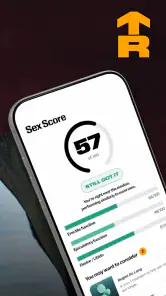
Rugiet is a medical app from Rugiet aimed at people managing men’s health treatment. I found its value less in being a broad health tracker and more in bringing prescription-related tasks, doctor communication, and treatment exploration into one place. That focus makes it useful in the right situation, but it also means the app is not a substitute for urgent medical care, a general symptom checker, or a complete personal health record.
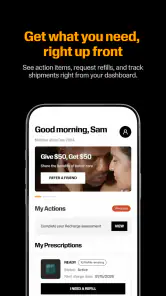
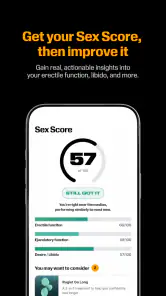
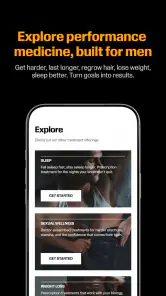
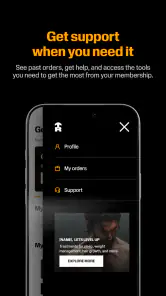
The app is free to install and carries a Mature 17+ rating, which fits the private and adult nature of its subject. Its store summary points to three main jobs: managing prescriptions, messaging a doctor, and exploring treatments. In practice, those jobs should be viewed as connected steps rather than separate features. You may start by reviewing an available treatment, continue with a medical conversation, and then return to the app to keep track of the prescription process.
My main takeaway is that Rugiet works best when you treat it as a focused care-management tool, not as an all-purpose medical app. That distinction helps set realistic expectations before you install it. If you want a straightforward digital route for discussing men’s health treatment with a clinician, it may reduce unnecessary back-and-forth. If you need emergency advice, diagnosis, laboratory interpretation, or coordination across several unrelated specialists, a conventional clinic or broader healthcare service is likely the better fit.
Where the experience can become difficult
The first point of friction is usually not the medical topic itself but the transition from browsing to action. A person may open the app simply to learn about treatment options, then discover that meaningful next steps involve personal health information, prescription details, or a conversation with a doctor. That is normal for a medical service, but it can feel less immediate than using an ordinary wellness app.
I recommend deciding what you want to accomplish before opening Rugiet. Are you trying to understand an option, ask about an existing prescription, or contact a clinician about a change in your situation? Keeping that goal in mind makes the interface easier to navigate because you are less likely to move between treatment information and prescription management without a clear question.
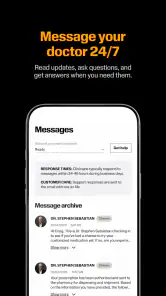
Another possible sticking point is expectation. Messaging a doctor is not the same as opening a live chat with instant replies. A message needs to contain enough useful context for a clinician to respond safely, and the response may not arrive at the exact moment you want it. I would write the question as if the reader has no access to the thoughts in your head: explain what changed, what you are currently using if relevant, and what decision you need help making.
Privacy can also make the first session feel more serious than installing a typical lifestyle app. Men’s health information is personal, and a rushed setup can lead people to enter incomplete details or misunderstand a question. I found it more sensible to slow down, read each prompt, and avoid guessing. In a prescription setting, an inaccurate answer can create more trouble than taking a few extra minutes.
The app is not designed for someone who wants to make treatment decisions entirely alone. Its medical purpose means that the clinician relationship matters. Rugiet can organize the conversation, but it cannot replace professional judgment about whether a treatment is appropriate, whether a symptom needs examination, or whether another condition could be involved.
Small preparation steps that prevent bigger delays
Before starting, have the basic information you would normally need during a medical conversation close at hand. That may include the name of a current medication, the reason you are contacting the care team, and a clear description of any concern. I would also write down when the issue began rather than relying on memory while completing a form.
A useful habit is to separate facts from assumptions. “I noticed a change after beginning my prescription” is more helpful than deciding in advance that the treatment caused it. This gives the doctor room to assess the situation instead of having to correct an unsupported conclusion. The same approach helps when exploring treatments: describe your goal, then let the clinical process determine what is suitable.
It is also worth checking that you are using the current app release. The listed version is 1.18.0, and the app supports Android 7.0 or later. That makes it accessible on many older Android devices, but compatibility on paper does not guarantee a smooth session on every phone. Available storage, an outdated operating system, unstable connectivity, or aggressive battery management can still affect how an app behaves.
Rugiet has a 4.8 average from around 856 ratings and more than 10 thousand installs, which suggests that many users have found the experience worthwhile. I would not treat those figures as a promise that every setup will be effortless. Medical apps are especially sensitive to account details, communication timing, and the quality of the information a user provides.
Setup checks worth doing before contacting support
If the app does not open correctly, I would begin with ordinary checks rather than assuming the prescription service is unavailable. Confirm that the phone meets the minimum Android requirement, close other demanding apps, and reopen Rugiet. If the problem appears during sign-in or messaging, check the internet connection and try again from a stable network.
When a page seems stuck, avoid repeatedly tapping the same control. Repeated attempts can make it unclear whether an action was submitted once or several times. Give the screen a moment, then return to the previous view if possible and check whether the request or message already appears in the relevant area.
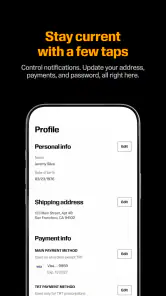
For account-related trouble, carefully review spelling and spacing in the information you enter. A small mismatch can be enough to prevent a successful sign-in or make a user think a prescription is missing. I would also keep any confirmation screen or error wording available when asking for help, because a precise description is more useful than saying only that “it does not work.”
These are deliberately modest troubleshooting steps. I would not recommend changing medication instructions, repeating a prescription request, or sending several urgent-sounding messages merely to test whether the app is responding. Technical uncertainty should be handled as a technical issue, while treatment decisions should remain with a qualified clinician.
Recovering your workflow when something goes wrong
The most useful way to recover is to identify the last step that definitely worked. Perhaps you could view treatment information but could not continue, or perhaps a message was written but its status was unclear. Starting from that point is safer than beginning the entire process again and accidentally creating duplicate requests.
For a message, first look for evidence that it was sent before composing another one. If the conversation view is available, read the latest entry carefully and note whether your question is already there. If the app closes before you can tell, wait until you can reopen it and check the conversation again. A duplicate message can split the context and make the clinician’s job harder.
For prescription management, compare what you see in the app with what you expected to happen. Is the issue that the prescription is not listed, that the next step is unclear, or that the information appears different from your records? Those are different problems and should be explained separately. A concise message describing the exact mismatch is more effective than a general complaint that the prescription “disappeared.”
When treatment information feels confusing, return to the specific question you need answered. You may not need to understand every option at once. For example, you might ask whether a particular treatment is appropriate given a medication you already take, rather than asking for a broad recommendation. Narrow questions reduce the risk of misunderstanding and make the app’s doctor-messaging function more useful.
One practical insight is to keep a private timeline outside the app for your own reference. Record when you contacted the care team, what question you asked, and any relevant change you noticed. This is not a replacement for the app’s records; it is a simple way to remember the sequence when a conversation continues over time. It can also help you avoid sending a new message that repeats an earlier one.
Another helpful trade-off is deciding when to use the app and when to switch channels. Rugiet is convenient for routine treatment questions and prescription-related communication. It is not the right place to wait for help with severe or rapidly worsening symptoms. If a situation feels urgent, contact local emergency services or an appropriate urgent-care provider instead of relying on an in-app response.
How I would handle a realistic everyday scenario
Imagine noticing a concern after starting or considering a men’s health treatment. I would open Rugiet with three notes prepared: what I noticed, when it began, and what I want the clinician to clarify. I would review the relevant treatment information, avoid changing anything independently, and send one focused message. After sending it, I would check the conversation rather than repeatedly submitting the same request.
If the app appears not to respond, I would first establish whether the message actually went through. If it did, the next step is to wait for the clinical reply rather than treating the lack of an immediate answer as a treatment failure. If it did not, I would retry once after checking the connection and then describe the technical problem clearly if the issue remained.
If the concern involved severe symptoms, an emergency warning sign, or a situation that could not safely wait, I would skip the app and seek immediate medical help. That is an important boundary: a convenient prescription platform can support routine care, but convenience should never delay urgent attention.
When the app is not the cause of the problem
It is easy to blame the app when the real difficulty is a clinical or administrative mismatch. A treatment may require a medical review, a prescription may need clarification, or a clinician may need more information before answering. In those cases, a working app can still feel slow because the next step depends on healthcare judgment rather than a button.
The same applies to expectations about treatment results. Rugiet can help you explore options and communicate with a doctor, but it cannot guarantee that a particular treatment will be suitable or effective for you. Individual health history, other medicines, underlying conditions, and the reason for the original concern all matter. Anyone looking for a universal solution should probably choose a proper clinical consultation over an app-first approach.
There is also a difference between information and diagnosis. Reading about a treatment may help you prepare a better question, but it should not be used to label yourself. If symptoms are new, persistent, or changing, the responsible next step is to discuss them with a clinician. The app is strongest when it supports that conversation rather than replacing it.
For users already receiving care through a traditional clinic, Rugiet may be less useful if their provider does not participate in the relevant workflow or if they need records from multiple healthcare systems in one place. A clinic portal may be better for appointments, test results, referrals, and broader medical history. Rugiet’s narrower focus is an advantage for men’s health treatment management, but it is also the reason it should not be mistaken for a complete healthcare hub.
Who will benefit most from Rugiet?
I see the best fit as an adult who wants a more organized way to explore men’s health treatments, manage prescription-related tasks, and ask a doctor questions without relying solely on phone calls. It can be particularly helpful for someone who knows the topic they want to discuss but struggles to explain it in a rushed appointment.
It may also suit people who prefer writing to speaking about sensitive health concerns. A carefully written message gives you time to choose accurate words and include relevant context. That can feel more comfortable than trying to remember everything during a short conversation, although the quality of the result still depends on being specific and honest.
I would be more cautious about recommending it to someone who wants instant medical answers, a full record of every healthcare interaction, or a general wellness dashboard. It is also not ideal for a person who is unwilling to share the information needed for safe prescription discussions. The app can streamline a process, but it cannot remove the need for responsible participation.
Rugiet is free, which lowers the barrier to trying the service itself, but users should still distinguish between downloading an app and receiving medical treatment. The app’s presence on a phone does not mean every treatment decision is automatic or that every concern can be resolved inside the interface. Keeping that distinction clear prevents disappointment.
How it compares with the usual alternatives
Compared with calling a clinic, an app-based message can be easier when the question is detailed or sensitive. You can prepare the wording and preserve the conversation in one place. The trade-off is that a message is less suitable for immediate clarification, and a phone or in-person visit may be faster when the issue is complicated.
Compared with a general pharmacy app, Rugiet is more centered on the men’s health treatment journey rather than serving as a broad tool for every medication and refill in a household. A pharmacy app may be preferable for routine pickup details, insurance information, or managing unrelated prescriptions. Rugiet makes more sense when the important part of the process is treatment exploration and communication with a doctor.
Compared with a general health tracker, it offers a more clinically focused purpose. A tracker may be better for habits, exercise, sleep, or long-term wellness patterns, while Rugiet is better suited to a specific prescription conversation. I would not install it expecting charts and lifestyle coaching to be the main experience.
Compared with an in-person consultation, the app offers convenience and privacy but less immediate examination and broader clinical context. The right choice depends on the question. Routine follow-up and treatment discussion may fit the app; unexplained symptoms, urgent concerns, or complicated medical histories deserve direct professional care.
My practical verdict after looking at the whole workflow
Rugiet is a focused option for adults who want men’s health treatment management and doctor communication in one mobile workflow. Its strongest quality is concentration: instead of trying to be every kind of health app, it addresses a specific and sensitive area. That makes the experience easier to understand once your goal is clear.
The main friction comes from the parts no app can completely simplify. You still need accurate personal information, sensible questions, patience with clinical replies, and good judgment about when a technical problem is actually a medical concern. Preparing before you open the app and checking the last confirmed step when something fails can prevent most avoidable confusion.
Rugiet is worth considering if you want a private, app-centered route to explore treatment and communicate with a doctor. I would skip it as your primary option if you need emergency support, a complete medical record, instant answers, or care across many unrelated conditions. For its intended purpose, though, the combination of prescription management, treatment exploration, and clinician messaging gives it a clear role.
The developer is Rugiet, the current release is 1.18.0, and the app is available for Android devices running 7.0 or later. Its 4.8 average and growing install base are encouraging signs, but my recommendation rests more on fit than popularity: use it for organized, routine men’s health care conversations, and switch to direct medical help whenever the situation requires speed, examination, or urgent judgment.
Pros
- Discreet ordering and delivery can make treatment easier to access.
- Personalized options may suit different erectile-health needs.
- Telehealth consultations can save time compared with an in-person visit.
- Treatment guidance is available through licensed medical professionals.
- The app may help users manage refills and ongoing treatment conveniently.
Cons
- Prescription eligibility depends on a medical review and is not guaranteed.
- Medication costs may be high without insurance coverage.
- Some treatments can cause side effects or interact with other medicines.
- Availability and shipping options may vary by location.
- It is not suitable for users seeking emergency care or instant results.

- Category
- Medical
- Version
- 1.18.0