Roadie Driver
- 11.10K
- 3.5
- Installs
- 1.00M
- Price
- Free

Screenshots
Analysis by Reviewed
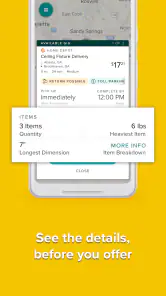
I’d start with a practical question: can I understand a delivery offer quickly enough to decide whether it fits my route, my vehicle, and my day? That matters more than a polished pitch when I’m checking a phone between errands. Roadie Driver is a business app from Roadie, Inc. built around choosing delivery work rather than following a fixed shift. For me, its appeal is that it can fit around travel I already plan to make, though that flexibility is only useful when the details are easy to assess and the trip makes sense.
Reading offers without rushing
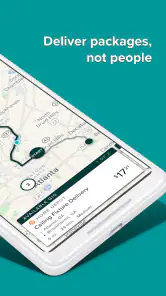
The app’s map-oriented approach can help me think through a job spatially: pickup and drop-off points are more useful than a vague sense of distance. I’d still pause before accepting and consider the full route, likely traffic, parking, and whether the destination leaves me somewhere convenient. A delivery that looks close on a map may not be a good fit if it pulls me away from where I need to be afterward.
Roadie Driver has a 3.5 average from around 23,000 ratings, and it has been installed over a million times. Those figures suggest a sizable audience, but they don’t tell me whether a particular driver will find enough suitable offers nearby. I’d treat the app as one possible source of work, not a guaranteed daily schedule. It’s free, rated for Everyone, and its current version is 2.126.3; the app was released on March 10, 2020, and requires operating system 12 or later.
Using it with different needs and routines
A map and short offer details can be convenient for someone who is comfortable reading a phone while stationary and planning a route. But I wouldn’t try to review offers while driving. Checking the screen, comparing locations, and making a decision all deserve a safe stop. If small text, glare, busy surroundings, or frequent screen interaction make phone use tiring, that can turn an otherwise flexible workflow into a strain.
It may suit drivers who already travel regularly and can fit a delivery into a familiar routine. Someone making a trip across town might look for a suitable pickup along the way, then weigh whether the drop-off leaves them near home or another planned stop. By contrast, anyone who needs predictable hours, a fixed amount of work, or minimal navigation decisions may be better served by a more structured job arrangement.
Getting Started with Roadie Driver
Jumping into the world of the Roadie Driver app is as easy as pie. Once you download the app, the setup process is pretty straightforward. You’ll need to input some basic info about yourself and your vehicle, and before you know it, you’ll be browsing delivery gigs in your area. What I love about this app is that it literally turns your wheels into your workspace. You get to choose gigs that fit your schedule, which means no more being tied down by rigid work hours.
Features That Stand Out
One thing that really caught my eye is the app’s user-friendly interface. The design is minimalist, which makes it super easy to navigate. Even if you’re not the most tech-savvy person, you’ll find your way around this app without a hitch. The map feature is incredibly detailed, showing you exactly where your pickup and drop-off points are. It’s like having a personal GPS that’s tailored specifically for your gigs.
More From Our News Desk

Clash of Clans Is Won Between the Battles

Android Auto Makes the Case for Quieter Car Software

MobiOffice: Transforming Mobile Productivity with Seamless Integration

EA SPORTS FC™ Mobile Soccer: Redefining Mobile Sports Gaming

How Microsoft OneDrive Became a Mobile Productivity Giant

How Google Translate Breaks Language Barriers Effortlessly
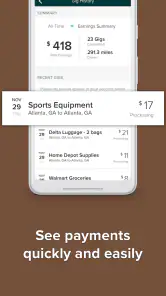
Another feature worth mentioning is the instant payment system. As soon as you complete a gig, you can receive your earnings almost immediately. This is a huge plus for those of us who like to see instant results from our hard work. Plus, who doesn’t love getting paid right away?
The Community Vibe
One of the coolest aspects of being a Roadie Driver is the community. It’s not just an app; it’s like being part of a family. You have access to a network of fellow drivers who you can connect with via in-app messaging. Whether you need tips, advice, or just someone to share your experiences with, the community is there to support you. I’ve found this feature incredibly helpful, especially when I was just starting out.
Is It Worth It?
Now, let’s get to the nitty-gritty. Is being a Roadie Driver worth your time? In my opinion, absolutely. The flexibility it offers is unmatched. Whether you’re looking to make a little extra cash on weekends or you’re thinking of driving full-time, this app gives you the freedom to choose. However, like any gig economy job, the key is to manage your time efficiently and choose gigs that are worth your mileage.
If you’re willing to put in the effort, you’ll find that the rewards can be quite lucrative. Plus, there’s something deeply satisfying about delivering items and knowing you’ve helped someone out. It’s like being a courier with a cause!
In conclusion, the Roadie Driver app is more than just a way to earn money; it’s a lifestyle choice for those who value flexibility and independence. So, if you’re ready to hit the road and explore the gig economy, this app is definitely worth a download.
Where it fits among delivery options
Compared with a conventional courier role, this setup gives me more say over which jobs I pursue, but that choice also moves the planning burden onto me. A scheduled shift is easier when I need dependable hours; Roadie Driver makes more sense when I can judge each offer on its own and decline trips that don’t fit. It also differs from simply taking an ordinary route: the pickup and delivery points shape the day, so I’d check whether the work complements my existing plans instead of assuming every offer is convenient.
Here’s a realistic use: I’m heading toward a nearby town for an appointment and have time to spare. I could check for a delivery that follows a similar direction, then compare the extra driving and the final drop-off with my return plans. If it would mean a long detour or leave me far from where I need to be, I’d skip it. That small habit—considering the whole journey rather than only the pickup-to-drop-off line—can help keep flexibility from turning into wasted time.
Small decisions that make a difference
I’d build a routine around checking offers while parked, then deciding before setting off. If I’m new, I’d start by taking only routes and drop-offs I can comfortably plan, rather than stacking unfamiliar errands together. I’d also keep a simple note of the time and distance each job actually adds to a normal day. That personal record makes it easier to judge whether a type of trip is worth repeating, without treating an attractive offer as automatically profitable.
One practical trade-off is that choosing work freely doesn’t remove the uncertainty of gig work. A flexible app can be useful for spare hours, but it is a poor substitute for guaranteed hours if rent or bills depend on a predictable weekly schedule. I’d also consider the demands of the vehicle and the driver: frequent stops, parking, loading, and route changes may be tiring, so a job that looks manageable on screen might not suit every person or every day.
What to expect before relying on it
Does it work for occasional driving? That is the kind of routine its flexible approach can accommodate, provided suitable offers appear where and when you need them. Is it right for someone who wants a steady workload? I wouldn’t rely on it alone for that; I’d first see what opportunities are available in my area and keep another plan if consistent work matters. And is it a replacement for a navigation app? The map helps relate a gig’s pickup and destination to the route, but I’d still make sure I have a safe way to navigate and never handle the phone while moving.
People who find screen-based tasks difficult may want to test the offer-browsing process while seated and in good light before building it into a busy routine. Sensory comfort and motor control vary, and the app’s simple presentation does not remove the need to read, tap, and make route decisions. I’d plan breaks and avoid accepting work when I’m tired or rushed. For drivers who can comfortably manage those steps, it can be a practical way to explore delivery work on their own terms.
A flexible option, with real limits
Roadie Driver is a business app for people who like making their own calls about when and where to work. It has reached a broad audience, with around 11,000 written reviews alongside its rating, but I’d still judge it by the offers and workflow I encounter personally. The strongest case for trying it is having a vehicle, spare time, and enough flexibility to choose trips carefully. The weakest case is needing guaranteed income, avoiding frequent phone interaction, or wanting someone else to organize the day.
My verdict is positive but conditional: I’d recommend giving it a look if independent delivery work fits your circumstances, while keeping expectations grounded and checking each trip against the full cost of your time and mileage. The useful question isn’t simply whether the app offers flexibility; it’s whether that flexibility works for your body, schedule, route, and financial needs. If the answer is yes, it may be a worthwhile tool. If not, a more predictable delivery role or another kind of work will likely be a better fit.
Planning around the details that matter
Before I accept a delivery, I’d separate the visible route from the real commitment. The route on a map is only one part of the day: I’d also think about the time needed to reach the pickup, the effort of loading and unloading, and what happens after the drop-off. This is especially important when I have an appointment or family commitment later. A job that appears to fit between plans can become awkward if the destination puts me on the wrong side of town or leaves no room for delays.
I’d also use early trips as a way to learn my own limits rather than as a test of how much work I can stack together. One uncomplicated delivery can show whether the pickup process, driving pattern, and drop-off routine feel manageable in practice. That is a more useful starting point than accepting several unfamiliar jobs at once, particularly for someone who is new to gig deliveries or needs to pace physical effort.
Choosing the right kind of workday
The app is most compelling when I can treat a delivery as an optional addition to a day I already control. For example, someone who regularly drives between neighborhoods might check whether an offer lines up with a planned trip and decide only if the extra distance is reasonable. That approach is different from opening a delivery app with the expectation that it will fill an entire workday. I’d avoid building essential plans around offers until I had a clear sense of what appears locally and how well it fits my routine.
For drivers comparing it with other delivery work, the key distinction is control versus structure. A conventional position may organize shifts and provide a clearer routine, while this kind of gig app puts more decisions on the driver: which trip to take, whether the detour is worthwhile, and how to connect the delivery with other obligations. Neither arrangement is automatically better. I’d choose based on whether I value choosing individual jobs more than having the day planned for me.
Comfort, attention, and practical access
Accessibility here is not only about whether the screen looks simple. A driver needs enough time and attention to read an offer, compare locations, and make a deliberate choice. I’d make the process easier on myself by checking in a quiet, well-lit place, enlarging or adjusting phone display settings if that helps, and keeping decisions separate from driving. Those are practical habits rather than guarantees that every part of the workflow will suit every person.
Someone with limited hand mobility, low vision, or sensitivity to busy environments may find the repeated phone tasks more demanding than the map itself suggests. I’d test the browsing steps at a calm time and consider whether I can manage them without rushing. If I need a workflow with very little screen use or someone else to coordinate the route, this app may not be the comfortable option. Choosing a different work arrangement is a sensible response, not a failure to make the app work.
Who I’d recommend it to
I’d suggest trying Roadie Driver to a person who has access to a suitable vehicle, enjoys making independent route decisions, and can treat each opportunity as optional rather than guaranteed. It may also appeal to someone who wants to explore delivery work without committing every day to a fixed pattern. The best fit is a driver who can assess a whole trip calmly, including the return journey and the value of the time involved.
I’d steer away from relying on it as the only plan if steady hours or dependable earnings are essential. I’d also be cautious if phone interaction is uncomfortable, frequent loading is difficult, or route changes create stress. In those situations, a scheduled courier role, a less screen-dependent job, or a different source of flexible work may suit better. The right choice depends on the person as much as the offer.
My inclusive verdict
What I appreciate most is the possibility of choosing work around existing travel, rather than having every day dictated by a preset shift. What I would not overlook is the amount of judgment that flexibility requires: reading the offer, considering the whole route, managing the physical demands, and deciding whether the trip is worth the disruption. The map can help make a route easier to picture, but it cannot make every offer suitable or remove the need for safe, comfortable phone use.
My recommendation is therefore practical and conditional. If you can comfortably manage the screen and driving workflow, have room in your schedule, and are willing to weigh each trip on its own, I think it is worth exploring. If you need predictable work, minimal interaction with a phone, or a delivery routine that accounts for your access needs without extra planning, I’d look elsewhere. The app’s value comes from whether its flexible choices genuinely fit your circumstances—not from flexibility as an abstract promise.
Roadie Driver Frequently Asked Questions
Is Roadie Driver available on both Android and iPhone?
Roadie Driver is available for Android and iOS devices, so drivers can use it on either platform. Before downloading, check that your phone meets the minimum operating-system requirement. The app is designed for use on a smartphone, which you’ll need to sign up, browse gigs, and manage delivery details while using the service.
Who develops Roadie Driver, and what is its general reputation?
Roadie Driver is developed by Roadie, Inc. It has an average rating of around 3.5 from roughly 23,000 ratings, with about 11,000 written reviews. Those figures offer a broad sense of how users have responded, but individual experiences can vary. Reading recent reviews can help you decide whether the app’s approach to finding delivery gigs suits you.
Is Roadie Driver intended for customers sending items or for drivers?
Roadie Driver is intended for people who want to drive and deliver items. Roadie’s service connects people with items to send with drivers already heading that way, and the driver app is where drivers can explore delivery opportunities. If you are looking to send something rather than deliver it, check that you are choosing the Roadie option meant for sending items.
Does Roadie Driver cost anything to download?
Roadie Driver is free to download, so you can install it without paying an upfront app fee. It is a business app designed to connect people who have items to send with drivers already heading in that direction. Before signing up or planning to take gigs, review the current app details and make sure it is compatible with your device.
What is Roadie Driver and how does it work?
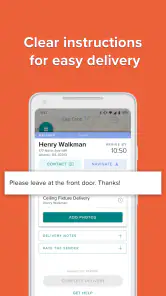
Roadie Driver is a delivery app that connects drivers with local gigs to deliver packages. Users can sign up as drivers, browse available gigs in their area, and choose which ones to accept based on their schedule and location. The app provides details about each delivery, including pickup and drop-off locations, package size, and estimated earnings.
Pros
- User-friendly interface for easy navigation
- Real-time tracking of deliveries
- Flexible work schedule for drivers
- Instant payment after delivery completion
- Wide coverage area across multiple regions
Cons
- Occasional app crashes during peak hours
- Limited customer support options
- High competition among drivers
- App requires constant internet connection
- Earnings depend on demand and location
- Category
- Business
- Version
- 2.126.3