RIU Hotels & Resorts
- 557.00
- 4.6
- Installs
- 1.00M
- Price
- Free

Screenshots






Analysis by Reviewed
When I plan a hotel break, I first ask whether I want help choosing a place, managing a stay I have already booked, or both. The RIU Hotels & Resorts app is most useful when a RIU property is already on my shortlist: it brings hotel discovery and trip details into one brand-focused place rather than trying to cover every kind of accommodation. I would not treat it as a universal travel planner, but for someone considering a RIU holiday, that narrower focus can make planning feel more direct.
Choosing the right kind of travel app
The main decision is whether you are choosing a hotel brand or comparing the whole market. A broad booking service is usually better when your priority is weighing many chains, independent hotels, and different room types side by side. This app makes more sense when you want to explore RIU properties, understand what each stay may offer, and keep the resulting reservation close at hand. That distinction matters: a focused app can reduce distractions, but it cannot replace a wide-ranging comparison tool for every trip.
Getting Started with Ease
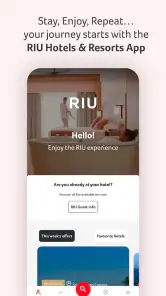
First off, the installation process was a breeze. I jumped onto the App Store, hit download, and voila, the app was ready to go. It opens up to a user-friendly interface that feels like a warm welcome. The design is clean and intuitive, making it super easy to navigate through the various options available.
The app is free, is listed for everyone, and comes from Riu Hotels & Resorts. It sits in the travel and local category, and its current version is 5.25.2. Its average rating is 4.6 from around 13,000 ratings, with roughly 557 written reviews and over 1 million installs. Those figures suggest plenty of travelers have tried it, but they do not tell me whether it suits a particular itinerary; the useful test is whether its brand-specific approach matches the way you are choosing a stay.
One practical point before planning: the app is aimed at RIU hotel discovery and reservations, so I would not expect it to organize flights, rail journeys, or unrelated accommodation in the way a general trip-planning service might. If your trip has several hotel stops or you are still deciding between a range of brands, I would compare those options separately first. Once a RIU property becomes a serious contender, this app has a clearer role.
Explore Destinations
One of the coolest features I stumbled upon is the Explore section. It’s like having a travel guide in your pocket. The app offers detailed information about all the RIU Hotels & Resorts worldwide. You can browse through stunning photos, read about the amenities, and even get a sense of the local attractions. It’s perfect for those of us who love to plan every little detail of our trips.
I find browsing most useful when I start with the kind of holiday I want rather than a hotel name. For example, if I am choosing between a beach-focused break and a city stay, I can use the destination and property information to build a shortlist before I look at dates. That is a more efficient workflow than opening every hotel page at random. Photos help establish the mood, while the written details are what I would use to check whether the setting and amenities suit the people travelling with me.
More From Our News Desk

Clash of Clans Is Won Between the Battles

Android Auto Makes the Case for Quieter Car Software

MobiOffice: Transforming Mobile Productivity with Seamless Integration

EA SPORTS FC™ Mobile Soccer: Redefining Mobile Sports Gaming

How Microsoft OneDrive Became a Mobile Productivity Giant

How Google Translate Breaks Language Barriers Effortlessly
There is a trade-off in any brand-specific explorer: it can help me compare properties within RIU, but it is not a neutral survey of every hotel in a destination. I would use it to answer, “Which RIU stay looks right for us?” rather than, “What is the best hotel in this area?” For the second question, I would keep a general map or booking service open as well, then compare location and alternatives before committing.
A useful habit is to note down the practical questions that photos cannot settle. Is the hotel convenient for the places you actually plan to visit? Does the listed setup suit children, a group, or a quieter trip? What would you need to confirm before booking? The app’s hotel information gives the browsing process a starting point, but I would still read the details carefully and avoid assuming that a beautiful image answers questions about your own schedule.
Booking Made Simple
Now, let’s talk about booking. Once you’ve decided where you’re heading, booking a room is as smooth as silk. The app lets you choose your dates, select the type of room you want, and even add any extras like spa treatments or airport transfers. I loved how straightforward it was, cutting down on the hassle that often comes with vacation planning.
For a realistic planning day, imagine I am arranging a few nights away while coordinating dates with a friend. I would first settle on the destination and likely travel window, then compare the RIU options that fit before entering the booking flow. Keeping the decision in that order helps avoid getting attached to a room choice before the dates work for everyone. I would also review the final reservation details slowly, especially the dates, room selection, and any extras, rather than tapping through while distracted.
That convenience is strongest when I already know I want to book with RIU. If I am still comparing a hotel against a rental, a small independent property, or another chain, I would not rush straight to checkout just because the brand app makes the next steps feel simple. I would compare the total trip fit, not only the ease of completing a reservation. A smooth booking path is useful, but it should support a decision rather than make it for me.
Travel plans sometimes change, so I would make a point of checking the reservation details after booking and keeping the confirmation accessible. The app’s role in bringing trip information together is helpful, but I would still understand the conditions attached to a booking before relying on assumptions about changes or cancellation. That is sensible with any hotel reservation, especially when several people are coordinating the same trip.
Personalized Experience
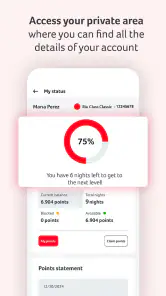
What sets this app apart is its personalized touch. The app allows you to manage your bookings and even offers personalized recommendations based on your preferences. It’s like having a personal concierge who knows exactly what you need to make your stay unforgettable.
Plus, you can keep track of your reservations and have all the necessary details right at your fingertips. No more rifling through emails to find your booking confirmations!
For me, reservation access is most valuable in the days around a stay, when details are easy to lose among travel messages. I would check the booking before leaving home, then revisit it when I need to confirm what I selected. That small routine can prevent avoidable confusion, particularly when another person in the group is handling transport or arrival plans. I would still keep a backup copy of important confirmation details outside the app, because relying on one place for every travel document is not a habit I recommend.
Personal recommendations can also be helpful as prompts, but I would treat them as suggestions rather than a substitute for my own priorities. If I care most about location, room arrangements, or the pace of a holiday, I would use those criteria to judge any recommendation. A tailored experience is only genuinely useful when it helps me make a decision I would have made after checking the details anyway.
Stay Updated with Offers
I have to mention the offers and promotions section. The app keeps you in the loop with the latest deals and exclusive discounts. As someone who loves a good bargain, this feature alone was enough to win me over. Now, I’m always in the know about the best deals, helping me save a little cash while enjoying the best of what RIU has to offer.
I would use offers as a reason to revisit a shortlist, not as the first reason to choose a destination. A promotion is useful only if the property, dates, and stay match what I wanted in the first place. My practical approach is to decide what matters for the trip, check the relevant hotel and room details, and then see whether an offer improves that particular choice. That keeps a deal from nudging me into a holiday that does not suit my schedule.
This is also where a general comparison service can add value. If price is the deciding factor, I would compare the available options for the same destination and dates before booking. The RIU app’s promotions are relevant to RIU stays; they do not by themselves establish that a particular stay is the best-value choice across the whole market. I like having a focused place to check brand offers, but I would keep the wider comparison in view.
When another option may suit you better
I would skip this app if I have no interest in RIU hotels and simply want a broad search across accommodation types. A general booking app or travel website is more appropriate when I need to compare several hotel brands, independent stays, and rentals in one search. Likewise, someone building a complicated itinerary across multiple destinations may prefer a dedicated trip organizer for transport and non-hotel plans, using the RIU app only if one of the stays is with this brand.
It is also not the best starting point if I have not yet decided where to go and want inspiration from the entire travel market. The Explore section is useful within its own collection, but a destination-first search across different providers gives a wider view. I would not call that a weakness so much as a clear boundary: this is a brand companion, not a replacement for every travel tool.
For a group trip, I would agree on the destination, dates, and must-have room details before one person books through the app. That simple step reduces back-and-forth and makes the final choice easier to review together. If the group is still debating between several unrelated properties, a shared shortlist in a general service may be easier; once RIU is the preferred option, the brand app becomes more useful for checking the stay and keeping the reservation close.
Switching and everyday use
If you already use a broad travel app, there is little reason to abandon it completely. I see the RIU app as a companion for a particular hotel decision, not a wholesale replacement for the tools I use to compare destinations or arrange other parts of a journey. Switching is low-friction when I use both for different jobs: compare broadly first, then use the RIU app to explore and manage a RIU booking.
That division also helps avoid duplicated effort. I would keep transport planning and general destination research in the tools that already handle those tasks well, while using this app for hotel information, booking steps, reservation access, and offers. If I am taking a simple stay at one RIU property, that may be enough for the hotel portion of the trip. For a multi-stop holiday, I would still want a separate overview so all the moving parts remain visible together.
The app’s release date is June 29, 2016, and it supports Android 7.0 or later. That makes the minimum system requirement worth checking if you are installing it on an older Android phone. The version and platform details are practical rather than glamorous, but they matter before a trip: I would install and open the app while I still have time to sort out access, rather than waiting until I need a reservation detail at the airport or hotel.
One more useful tip is to do the browsing and booking work when you can concentrate, then use the app later for quick checks. Hotel selection involves comparing details, while retrieving a reservation is a different task. Separating those moments makes the app easier to use and lowers the chance of overlooking a date or room choice during a rushed search.
Final Thoughts
In a nutshell, the RIU Hotels & Resorts app is like that reliable friend who always knows the best places to stay and the best deals to snag. It’s user-friendly, packed with features, and makes planning a vacation feel like part of the fun. Whether you’re a meticulous planner or a spontaneous traveler, this app has got something for you.
My recommendation is clearest for travelers who are actively considering a RIU stay and want hotel discovery, booking, reservation management, and offers gathered in one brand-focused app. It is also a reasonable choice for someone who has already booked and wants a convenient place to revisit trip details. The strong rating and broad adoption are reassuring signs of interest, though I would still judge the app by whether its workflow fits my own trip rather than by popularity alone.
If you are comparing every possible place to stay, planning several unrelated stops, or looking for one tool to handle an entire itinerary, I would keep using a broader travel service alongside it. If your shortlist is already centered on RIU, however, I think this app earns a place on your phone. It is free to try, focused on the stay itself, and most useful when you want to move from browsing a RIU property to keeping its booking details organized.
So, next time you’re dreaming of a getaway, why not give the RIU Hotels & Resorts app a whirl? You might just find it’s the only travel companion you’ll need.
RIU Hotels & Resorts Frequently Asked Questions
Does the RIU Hotels & Resorts app work on both Android and iOS?
RIU Hotels & Resorts is a travel app for guests who want to explore the company’s hotel services from a mobile device. The app is available for Android and iOS, so you can look for it in the relevant app store for your device. Before downloading, check the app’s requirements and make sure you are choosing the official app published by Riu Hotels & Resorts.
Can I use the app before I have booked a stay?
Yes, you can explore the RIU Hotels & Resorts app even before making a reservation. It is intended to support travel planning as well as hotel stays, so you can use it to look into available accommodation and consider your options before deciding whether to book. Downloading the app is free, making it easy to take a look before your trip is arranged.
What should I check before installing the RIU Hotels & Resorts app?
The RIU Hotels & Resorts app is a travel app from Riu Hotels & Resorts, with the store summary “Your vacation starts here!” It is free to download, is rated for Everyone, and has a 4.6 average from around 13,000 ratings. Before installing, check that your device runs Android 7.0 or later, the stated minimum operating system requirement.
What is the RIU Hotels & Resorts app and what can I do with it?
The RIU Hotels & Resorts app is a comprehensive mobile application designed to enhance your stay at any RIU hotel. Through the app, users can manage their bookings, check in online, explore hotel amenities, and access exclusive offers. It serves as your personal concierge, providing information and services at your fingertips, making your stay more convenient and enjoyable.
Is the RIU Hotels & Resorts app free to download and use?
Yes, the RIU Hotels & Resorts app is completely free to download and use. Available on both Android and iOS platforms, the app allows users to access a wide range of features without any subscription fees. However, certain services or amenities within the hotel may incur additional charges, which are not related to the app itself.
Pros
- User-friendly interface with intuitive navigation.
- Wide range of destinations and hotels to choose from.
- Exclusive member discounts and special offers.
- Comprehensive travel guides and tips.
- Secure booking and payment processes.
Cons
- Limited customization options for bookings.
- Occasional app crashes reported by users.
- Requires strong internet connection for optimal use.
- Lack of integration with other travel apps.
- Limited language support beyond English and Spanish.
- Category
- Travel & Local
- Version
- 5.25.2