RentRedi for Tenants & Owners
- 1.18K
- 4.4
- Installs
- 100.00K
- Price
- Free

Screenshots
Analysis by Reviewed
Rental life is full of small tasks that become frustrating when they’re scattered across messages, bank records, documents, and calls. RentRedi brings several landlord and tenant tasks into one mobile app, which can make the routine feel more organized. I’d consider it most useful when both sides of a rental relationship are willing to use the same system; its value depends on the landlord and tenant actually connecting through it.
Making sure both sides are ready
Before building a routine around the app, I’d ask the landlord which tasks they expect tenants to handle there and which still belong in a call, email, or another channel. That small conversation can prevent a common mismatch: a tenant submits a request in the app while the owner is watching a different inbox. The app is most useful when it becomes the agreed place for a task, not merely another place where messages might appear.
This shared-use requirement also matters when deciding whether to install it at all. A tenant whose landlord does not use RentRedi may get little value from its rental workflow, while an owner who manages properties with a team should make sure everyone knows who monitors incoming requests and payment activity. I’d treat that setup as part of adopting the app, rather than assuming the software alone creates a consistent process.
When a rental task depends on a connection
Payments, reminders, maintenance requests, and document access are the kinds of moments where a working internet connection matters. If I’m away from home and need to check a lease or report a problem, using one app is more convenient than searching through email threads or trying to remember which number to call. The trade-off is that a phone app is not a substitute for a reliable connection: I’d handle urgent issues through the landlord’s established emergency contact rather than assume an in-app request will be seen immediately.
RentRedi is a free House & Home app from RentRedi Inc. It is rated for Everyone, has a 4.4 average from around 4,100 ratings, and has passed 100,000 installs. Those figures suggest it has found an audience, but they don’t guarantee that every landlord uses the same features or responds at the same pace. Before relying on it for a deadline, I’d confirm with the property manager how they handle payments, maintenance reports, and time-sensitive messages.
Useful on the move, with a little planning
The mobile format is a natural fit for quick jobs: I can picture taking a moment after work to submit a maintenance request, then checking the lease later when a question comes up. A practical habit is to describe a repair clearly and keep any relevant details ready before starting, rather than composing a rushed report while distracted. For a non-urgent issue, I’d also keep a note of when I submitted it so I can follow up through the usual channel if needed.
A realistic example is a tenant noticing a dripping tap just before leaving for work. I’d first decide whether it is an emergency, then use the agreed reporting route, describe where the leak is and when it began, and keep a simple record of the submission. That description is more useful than a vague “something is wrong,” and it helps avoid a second round of messages just to establish basic details. If the repair worsens, the next step should be the landlord’s urgent contact process, not waiting for an app notification.
More From Our News Desk

 Gmail
Gmail in a Busy Inbox: Who Benefits Most?
From first account to crowded workday, Gmail earns its place through dependable search and flexible sorting—but its best fit depends on how much inbox maintenance you can tolerate.

 Prime Video
Switching to Prime Video: What Changes in Your Viewing Routine
Prime Video can make a compelling second home for streaming, but switching means learning a different catalog, rental layer, and route from browsing to playback.
 Universal TV Remote Control
 Works Best as a Reliable Backup
A phone remote earns its place through quick setup and reliable habits. Here is how to get more from Universal TV Remote Control—and where its limits show.

 Weather - By Xiaomi
Weather by Xiaomi Review: Clear at a Glance, Less Clear Up Close
Xiaomi’s weather app makes everyday forecasts quick to scan, but its calm surface can leave useful details and recovery paths harder to find than they should be.

 X
X Under Pressure: Can It Recover When Posting Goes Wrong?
A resilience-focused review of X, examining setup, mistaken posts, interruptions, weak connections, and the gaps that matter when recovery needs to be dependable.

 Clash of Clans
 Is Won Between the Battles
Its raids are quick; its community is a long-term project of coordination, teaching, rivalry, and shared responsibility—with all the friction that entails.
Latest News



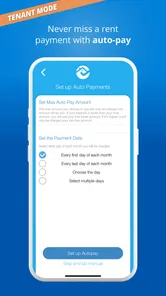
Connectivity also affects how I’d use automatic rent payments. They can reduce the chance of forgetting a due date, but setting them up is not the same as checking that the payment arrangement is correct. I’d review the amount, timing, and payment status in the app and keep my own records until I’m confident the routine is working. If I’m changing bank details or traveling near a due date, I’d avoid leaving that check until the last minute.
Streamlining Property Management
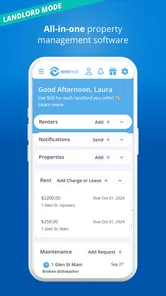
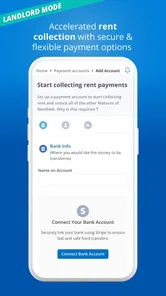
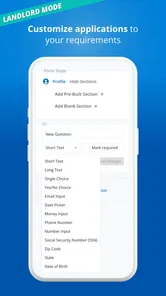
As a landlord, keeping track of everything related to property management can be a daunting task. From collecting rent to addressing maintenance requests, there’s a lot on the plate. RentRedi makes it easier by allowing landlords to manage everything in one place. You can receive rent payments directly through the app, which means no more chasing checks or dealing with late payments. Plus, it sends automatic reminders to tenants, so they won’t forget when their rent is due. It’s like having a personal assistant dedicated to your rental business!
A Tenant’s Best Friend
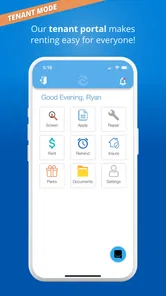
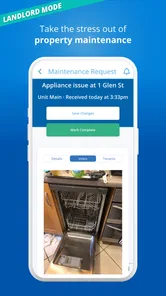
Now, if you’re a tenant, you might be wondering how RentRedi benefits you. Well, let me spill the beans. First off, paying rent becomes a breeze. You can set up automatic payments and never worry about missing a due date again. Plus, if you have any maintenance issues, the app allows you to submit requests with just a few taps on your phone. No more lengthy emails or phone calls; just quick and efficient service.
Moreover, the app has a handy feature that lets you store all your lease documents in one place. Ever been in a situation where you needed to check something in your lease, but couldn’t find the document? With RentRedi, those days are over. It’s all right there in the app.
Features That Make Life Easier
Some additional features worth mentioning include the option for tenants to purchase renters insurance directly through the app. It’s a small detail but a game-changer for those who want to keep everything in one place. For landlords, the ability to screen tenants is a huge plus. You can run background checks and credit reports without hassle, ensuring you find the best fit for your property.
For a small landlord, screening and ongoing management belong to different moments in the rental cycle. I’d use the screening option as one part of reviewing an applicant, then keep the decision grounded in the full picture rather than treating a report as an automatic yes or no. Once a tenant moves in, the practical value shifts to keeping recurring tasks and records together. That distinction helps owners avoid expecting one feature to solve every part of managing a rental.
Let’s not forget the user-friendly interface. Whether you’re tech-savvy or not, navigating through RentRedi is smooth sailing. The layout is intuitive, and everything is logically organized, making it easy for anyone to use.
Choosing the right routine for your household
The app is a better fit for people who want a shared rental workspace than for someone who only wants a single-purpose rent calculator or a place to keep personal notes. A tenant with several documents to consult, recurring payments to monitor, and occasional repair requests may appreciate having those jobs grouped. An owner balancing rent collection with applicant screening may also find it useful to keep the workflow in one system.
On the other hand, I would not push it on a tenant whose landlord prefers a stable bank-transfer arrangement and responds reliably by phone or email. Adding another account and another process can create more friction than it removes if the owner will not use it. The same goes for a landlord who already has a trusted property-management system and does not want tenants splitting requests across platforms. Agreement matters more than the number of tools.
Where it fits—and where it doesn’t
Compared with the usual mix of bank transfers, email, and a landlord’s spreadsheet, RentRedi’s main appeal is having payment activity, requests, and lease documents gathered in one place. That can be especially helpful for someone managing several rental responsibilities or a tenant who wants fewer separate channels to track. It is less compelling if your landlord already has a dependable process you understand, or if you only need to pay rent and prefer your bank’s existing tools.
For owners, tenant screening can help keep applicant checks alongside the broader rental workflow, but I’d still treat a screening report as one input rather than a complete decision. For tenants, renters insurance being available in the app is convenient, but convenience alone shouldn’t decide coverage: I’d compare the policy details with my needs before purchasing. These are useful options, not reasons to skip careful judgment.
The comparison with ordinary alternatives is not simply “one app versus no organization.” A bank app may be the clearer choice for checking a transfer, while email can be easier for a long discussion that needs a detailed written trail. RentRedi’s advantage is the rental-specific context around tasks, but I’d still keep essential confirmations and agreements in a form both parties can find later. Using it as the main hub does not mean every other record-keeping habit should disappear.
What to expect when something goes wrong
If the app is slow to load or a connection drops while I’m handling a payment or request, I would check the resulting status before trying again. Repeating an action without confirming whether it went through can create confusion, especially around rent. For maintenance, I’d keep a brief record of the issue and use the landlord’s agreed contact method if the matter is urgent or the app does not appear to register the request.
For a payment that appears stuck, I’d avoid making a second payment just to be safe. I’d check the status, look at my bank activity, and contact the landlord or the relevant support channel if the result remains unclear. For a maintenance request, I’d make sure I can explain what happened and when, then follow the established route if the request is not visible. These simple checks are useful because a connection interruption can leave a user unsure whether an action completed.
That makes the app a poor sole channel for emergencies or last-minute decisions. A phone battery, a weak signal, or a delayed response can turn a convenient shortcut into a bottleneck. I’d keep the landlord’s emergency number and the agreed backup method somewhere accessible, especially when traveling or dealing with a repair that could cause further damage. The app can organize ordinary follow-up; it should not replace judgment about urgency.
The app is currently at version 6.531 and supports Android 5.0 or later. It is free to install, but that should not be confused with every optional service being free; I’d check the terms shown for any payment-related or insurance choice before proceeding. RentRedi has been available since May 8, 2017, and its age rating is Everyone.
Keeping rental information close without being careless
There is also a small data-conscious trade-off in putting rental records on a phone. I’d use a screen lock, keep access to my account private, and avoid opening lease or payment information on a shared device. The convenience of having documents close at hand is strongest when I’m thoughtful about who can see the screen and account.
I’d also make a deliberate distinction between having a document available in the app and having a separate record I can reach through another route. For something I may need during a conversation with the landlord, knowing the document name and keeping a secure personal copy can save time if I cannot get to the app at that moment. That is not a claim about offline access; it is a sensible backup habit for important rental paperwork.
Before choosing optional services, I’d slow down enough to compare the details with what I already have. Renters insurance, for example, is worth evaluating by coverage and terms rather than by how quickly it can be selected inside a rental app. For an owner, a screening result deserves the same care: convenient access does not remove the need to assess the applicant fairly and consistently.
Who will get the most from it?
I’d recommend considering RentRedi if you are a tenant whose landlord actively uses it, or an owner who wants tenants to have a common place for routine rental tasks. The strongest case is a household where rent, documents, and non-urgent maintenance are otherwise scattered across different channels. It can also suit owners who want applicant screening connected to their broader rental workflow, provided they still make decisions thoughtfully.
I’d skip it if your existing process already works well, your landlord will not use the app, or you need an emergency-response tool rather than a way to organize routine tasks. People who prefer to keep financial activity entirely within their bank’s tools may also find the extra workflow unnecessary. In those cases, a clear agreement about payment records and repair reporting may be more valuable than installing another app.
In conclusion, whether you’re managing properties or renting one, RentRedi is designed to make your life a lot easier. It's packed with features that cater to both landlords and tenants, ensuring that everyone’s needs are met. Seriously, if you haven’t checked it out yet, it might be time to give it a try!
My connectivity verdict
For me, RentRedi works best as a shared organizer for the routine parts of renting, not as a promise that every task will be instantaneous or every problem will resolve inside the app. Its convenience depends on both sides using it consistently, and its mobile nature makes a dependable connection and a sensible backup channel important. If that matches how your landlord handles the rental, it is worth trying; if not, the familiar bank, email, and phone routine may remain the better fit.
RentRedi for Tenants & Owners Frequently Asked Questions
What is RentRedi and how does it work?
RentRedi is a mobile application designed for both tenants and property owners to manage rental properties efficiently. For tenants, it offers features such as online rent payments, maintenance requests, and tenant screening. Property owners can list properties, screen tenants, and handle payments all from the app. Its user-friendly interface ensures that both parties can easily navigate and manage their rental needs.
Who is RentRedi intended for, and can both sides of a rental use it?
RentRedi is designed for tenants and property owners, so it can support both sides of a rental relationship in one app. Tenants can use it for rental-related tasks, while owners can manage properties and work with tenants through the platform. It is a House & Home app developed by RentRedi Inc, and its store summary is “Make Renting Easy.”
Is RentRedi available on both Android and iOS?
Yes, RentRedi is available for download on both Android and iOS platforms. Users can easily find it on the Google Play Store for Android devices and the Apple App Store for iOS devices. The app is designed to offer a seamless experience across both operating systems, ensuring accessibility to a broad user base.
What are the main features of RentRedi for tenants?
For tenants, RentRedi offers several convenient features including the ability to pay rent online, submit maintenance requests, and communicate directly with landlords. Tenants can also screen themselves before applying for a rental, which can speed up the rental application process. Additionally, the app provides a platform for keeping all rental-related documents organized and accessible.
How can property owners benefit from using RentRedi?
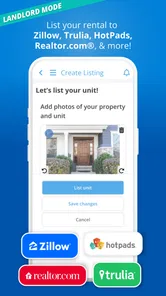
Property owners using RentRedi can streamline their rental management processes. They can list available properties, screen potential tenants with built-in tools, and manage rent payments all from the app. The app also allows for efficient communication with tenants and provides features to track maintenance requests and expenses, making it easier for landlords to manage their properties effectively.
Pros
- User-friendly interface making navigation simple.
- Quick and easy rent payment options available.
- Secure document storage for tenants and landlords.
- Effective communication tools between tenants and landlords.
- Comprehensive maintenance tracking and reporting.
Cons
- Occasional bugs in the mobile app version.
- Limited customization options for notifications.
- Some features require a stable internet connection.
- High subscription cost for premium features.
- Not available in all geographic regions.