Parcel Pending
- 2.18K
- 4.2
- Installs
- 100.00K
- Price
- Free

Screenshots
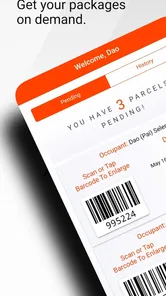
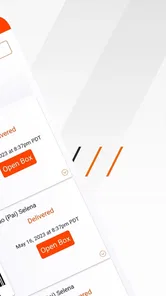
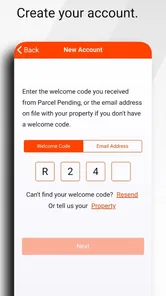
Analysis by Reviewed
Ever found yourself stuck at home waiting for a package that never arrives on time? Or maybe it's that anxiety of having your package left unattended? Yeah, I've been there too. Let me introduce you to Parcel Pending, a nifty app that's about to change the way you deal with deliveries.
Where the convenience really pays off
The biggest benefit is not simply getting a phone alert; it is being able to separate a delivery from your schedule. In a building that uses Parcel Pending lockers, I can collect a parcel after work instead of coordinating my day around a courier. That makes this household delivery app most useful for residents whose building already has the service, especially people who are often away during the day or receive parcels regularly.
There is a practical trade-off, though: the app depends on a participating property and its locker setup. It is not a general-purpose parcel tracker that can redirect every courier delivery to a secure location. If your building does not use the locker system, the main reason to install it disappears. For an occasional delivery at a home without that setup, ordinary carrier tracking or arranging a delivery directly with the carrier may be the more relevant option.
Transforming the Package Delivery Experience
First off, Parcel Pending is like having your personal mailroom right in your pocket. The app is designed to simplify and secure the package delivery process, making life easier for those of us who get packages on the regular. Imagine receiving a notification every time a package arrives, and having the ability to schedule a pickup at your convenience. Sounds like a dream, right?
How It Works
So here's the deal. Once you download and sign up on the app, you get access to a seamless package management system. When your package arrives at a Parcel Pending locker, you get an instant alert on your phone. The best part? You can pick it up anytime you want. No more rushing home or waiting around for delivery times. Just use the unique access code sent to your phone, and voila, your package is in your hands.
A useful habit is to treat the notification and access code as the handoff point: check the alert before heading to the locker, and keep the code available on your phone when you arrive. That small step matters if you are trying to collect a parcel between errands or on the way home, because the app's convenience is tied to being able to complete the pickup at the locker rather than just seeing delivery progress on a map.
For a realistic example, imagine a weekday when you leave before a delivery arrives and return late. With a locker-based handoff, you can check whether the parcel is ready and make a pickup when your schedule allows, rather than hoping it is still waiting outside your door. This is especially useful for items you would rather not leave exposed. It does not remove every delivery uncertainty, but it changes the last step from waiting at home to collecting on your own time.
More From Our News Desk

 Gmail
Gmail in a Busy Inbox: Who Benefits Most?
From first account to crowded workday, Gmail earns its place through dependable search and flexible sorting—but its best fit depends on how much inbox maintenance you can tolerate.

 Prime Video
Switching to Prime Video: What Changes in Your Viewing Routine
Prime Video can make a compelling second home for streaming, but switching means learning a different catalog, rental layer, and route from browsing to playback.

 Universal TV Remote Control
 Works Best as a Reliable Backup
A phone remote earns its place through quick setup and reliable habits. Here is how to get more from Universal TV Remote Control—and where its limits show.

 Weather - By Xiaomi
Weather by Xiaomi Review: Clear at a Glance, Less Clear Up Close
Xiaomi’s weather app makes everyday forecasts quick to scan, but its calm surface can leave useful details and recovery paths harder to find than they should be.

 X
X Under Pressure: Can It Recover When Posting Goes Wrong?
A resilience-focused review of X, examining setup, mistaken posts, interruptions, weak connections, and the gaps that matter when recovery needs to be dependable.

 Clash of Clans
 Is Won Between the Battles
Its raids are quick; its community is a long-term project of coordination, teaching, rivalry, and shared responsibility—with all the friction that entails.
Latest News



Making pickup fit shared routines
In a household where one person is usually home earlier, the app can help make the pickup responsibility more deliberate. I would agree in advance who is checking for a ready parcel and who can collect it, rather than relying on a vague assumption that everyone saw the alert. If another resident is going to handle the trip, make sure they are authorized to use the building’s process; an access code is not automatically a household-sharing feature, and it is better not to forward private access details casually.
There is also a useful distinction between “delivered to the building” and “collected by me.” If I am waiting for something important, I would use the arrival alert as a cue to plan a pickup, then keep the parcel notification until I have actually retrieved it. That simple mental check helps avoid treating a locker notification as proof that the item has already made it into my hands.
Useful boundaries to understand
People often ask whether this can replace a carrier's tracking app. I would not treat it as a full replacement: its central job is managing the locker pickup experience, while a carrier app is better suited to following a shipment across its journey. I would keep using the carrier's tools when I need shipment-level updates and rely on Parcel Pending for the arrival and collection stage at a participating property.
Another sensible question is whether it works for every resident or every parcel. The key is access to a property using Parcel Pending lockers; the app is valuable in that setting, rather than as a standalone solution for any address. If you are moving into a building that offers the system, ask the property how residents are enrolled and where pickups take place before you depend on it for an urgent delivery. That check can prevent an avoidable first-day scramble.
The app comes from Parcel Pending and sits in the House & Home space, a fitting niche for a tool that connects residents with a building's package-handling setup. It is free, rated for Everyone, and has an average rating of 4.4 from around 4,800 ratings, with over 100,000 installs. Those figures suggest that it serves a defined residential need rather than trying to be an all-purpose shopping or shipping app.
The version is 1.35.7, and it supports Android 4.4 or later, so it can suit older devices that still meet that requirement. I would still check that the app runs smoothly on the phone you plan to use for pickup and keep that device accessible when collecting a parcel. If you share household responsibilities, agree on who will watch for alerts and make the trip; a clear routine is more useful than having multiple people assume someone else has seen the notification.
What it does not replace in a delivery routine
A locker can reduce the risk of a parcel sitting unattended at the front door, but it does not solve every delivery problem. A shipment can still be delayed before it reaches the property, and the app cannot turn a non-participating address into a locker location. For deliveries that require a signature, special handling, or a particular time window, I would still pay attention to the instructions and tracking from the carrier rather than assume the resident app covers those arrangements.
That is why I see it as one part of a sensible delivery routine, not a promise that every order will be effortless. Before ordering something time-sensitive, I would check whether the destination address is eligible for the building’s locker process and whether the item’s delivery requirements suit it. When those conditions line up, the handoff is convenient; when they do not, carrier options or direct coordination are the safer plan.
User-Friendly and Convenient
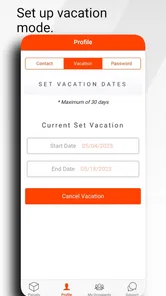
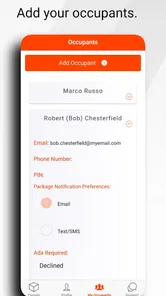
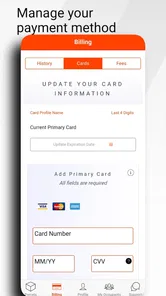
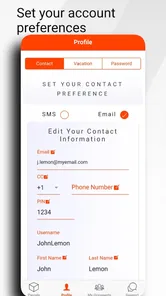
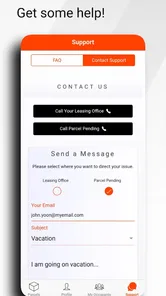
What I really appreciate about Parcel Pending is its user-friendly interface. It's super intuitive, even for those who might not be tech-savvy. The app is clutter-free and straightforward, making it easy to navigate through features and settings without any hassle.
That simplicity is a strength, but it also reflects the app's focused role. I would not choose it to organize orders from several retailers, compare delivery options, or manage shipments to different addresses; that is where a shopping organizer or carrier-specific tools make more sense. Parcel Pending is at its best when the question is much narrower: has my package reached the building's locker, and can I go collect it now?
Choosing it over the usual alternatives
Compared with leaving instructions for a courier to place a parcel by the door, a building locker gives the resident a more controlled collection point, provided the property has the service and the delivery can use it. Compared with asking a neighbor to take packages inside, it avoids depending on someone else being home and available. Those alternatives can still be better for oversized items, deliveries with special handling, or homes without the locker arrangement, so I would not treat the app as a universal upgrade.
Its difference from a carrier app is about timing and purpose. Carrier tools help answer where a shipment is and what is happening before it reaches the property; Parcel Pending is useful at the resident end of the process, when the parcel has been placed in the building’s system and needs to be collected. Keeping both roles clear prevents a common frustration: opening the resident app to investigate a shipment that has not reached the locker yet.
Who will get the most from it
I would recommend it first to residents in buildings that actively use Parcel Pending lockers, particularly people with work, classes, caregiving, or errands that make daytime delivery windows awkward. It also suits anyone who regularly receives parcels and would rather make a short pickup trip than risk a box being left outside. For someone who gets only an occasional delivery and is usually home, the benefit may be too small to justify adding another app to their phone.
People who should skip it are those whose homes do not have a participating locker setup, those who mainly need end-to-end shipment tracking, and anyone expecting the app to coordinate every carrier or delivery instruction. Before relying on it, I would confirm the property’s enrollment process and how a resident actually reaches the lockers. That quick check is more useful than installing first and discovering that the service is not part of the building’s routine.
Final Thoughts
In a world where convenience is king, Parcel Pending stands out as a game-changer. It's not just an app; it's an upgrade to your daily routine. From ensuring your packages are securely stored to giving you the freedom to collect them at your leisure, it ticks all the right boxes.
If you’re tired of delivery hassles and want to take control of your parcel pickups, this app is definitely worth checking out. So why not give it a whirl and see how it transforms your delivery experience? You might just wonder how you ever managed without it!
Parcel Pending Frequently Asked Questions
Can I use Parcel Pending at any apartment or residential building?
Parcel Pending is intended for residents and users of properties that use its parcel management service. Before downloading, check whether your building or property supports Parcel Pending and whether you have the account or access details needed to connect with its lockers. The app is most useful when your property has the service in place, since its package tools are tied to that delivery setup.
What is Parcel Pending and how does it work?
Parcel Pending is a package management solution that simplifies the process of receiving and sending parcels. Users receive a unique access code whenever a package arrives, which allows them to retrieve their parcels from a secure locker. The app provides notifications, real-time updates on package status, and can be used to manage deliveries efficiently. It's designed for both residential and commercial properties, ensuring a seamless parcel retrieval experience.
Is Parcel Pending secure for package deliveries?
Yes, Parcel Pending is designed with security as a top priority. The lockers are equipped with robust security features to prevent unauthorized access. Each delivery is stored securely, and access codes are unique to each recipient and delivery. Additionally, the app provides real-time notifications and logs of all retrieval activities, ensuring users can track who accessed the locker and when.
How do I set up and use the Parcel Pending app?
Setting up the Parcel Pending app is straightforward. After downloading it from the App Store or Google Play, users need to register their account using their email address and set a password. Once registered, users can customize notification preferences, view delivery history, and manage their account details. The app is intuitive, providing easy navigation and user-friendly features for efficient parcel management.
Does Parcel Pending work on my phone, and is it free to download?
Parcel Pending is a free House & Home app from Parcel Pending. It runs on Android devices with version 4.4 or later, and its content rating is Everyone. The app is focused on helping residents manage parcel deliveries, so it is worth checking that your property uses the Parcel Pending service before installing. Its listed version is 1.35.7.
Pros
- User-friendly interface for easy navigation
- Real-time notifications for package arrivals
- Secure parcel lockers for added safety
- 24/7 access to your packages
- Compatible with multiple delivery services
Cons
- Limited locker availability in some areas
- Occasional delays in notifications
- Requires app for locker access
- Subscription fee for premium features
- May not support all courier companies