Mindful IVF : Meditate & Relax
- 15.00
- 4.0
- Installs
- 10.00K
- Price
- Free

Screenshots




Analysis by Reviewed
Mindful IVF: Meditate & Relax is a focused medical app from Mindful Meditations, built for people who want a calmer mental routine during IVF. I approached it as a practical companion rather than a replacement for medical care, and that distinction matters. Fertility treatment can fill ordinary days with appointments, waiting, decisions, and emotional swings, so a meditation tool has value when it helps you create a small, repeatable pause without adding another demanding task.
My overall impression is positive but specific: this is best suited to someone who wants guided support around IVF and is willing to make meditation part of a simple daily habit. It is less convincing for anyone looking for detailed treatment tracking, clinical education, direct contact with a care team, or a large general-purpose mindfulness library. The app’s narrow focus is both its main strength and its main limitation.
How I used the app as part of an IVF routine
A simple starting workflow works better than chasing perfect calm
I would begin by choosing one dependable moment rather than waiting until stress becomes overwhelming. A quiet period after waking, before an appointment, or while settling into bed gives the meditation a clear place in the day. The useful change is not trying to force a particular emotion; it is giving the mind a familiar sequence to return to when treatment-related thoughts start looping.
For a first session, I would sit somewhere comfortable, silence unrelated notifications, and keep the goal modest. You do not need to feel completely relaxed for the exercise to be worthwhile. During IVF, a meditation may be interrupted by worry, physical discomfort, or the urge to check a message. I found it more realistic to treat those distractions as part of the session instead of judging them as failure.
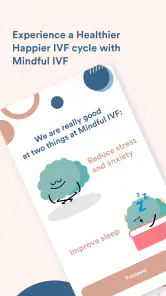
The app’s store summary presents it as support for a healthier, happier IVF experience, while its short description reduces that idea to “Mindful IVF.” In practice, I read that positioning as emotional support rather than a promise about treatment results. That makes it easier to use responsibly: the meditation can help you prepare for a difficult conversation or wind down after a long day, but it cannot determine how treatment progresses.
Where it fits during different treatment moments
Before an appointment, a short meditation can help you arrive with enough mental space to listen and write down questions. I would not use it as a way to avoid asking a doctor about symptoms or medication. Instead, the benefit is practical: slowing down before entering a room where information may come quickly.
During a waiting period, the app can provide a deliberate alternative to repeatedly checking a phone. This is one of its more useful everyday roles. I would pair a session with a low-pressure activity such as making tea or sitting near a window, then move on to something ordinary afterward. That prevents the meditation from becoming another ritual centered entirely on treatment.
More From Our News Desk

Clash of Clans Is Won Between the Battles

Android Auto Makes the Case for Quieter Car Software

MobiOffice: Transforming Mobile Productivity with Seamless Integration

EA SPORTS FC™ Mobile Soccer: Redefining Mobile Sports Gaming

How Microsoft OneDrive Became a Mobile Productivity Giant

How Google Translate Breaks Language Barriers Effortlessly
At night, it may help create a boundary between fertility-related thinking and sleep. The important habit is to start before you are already exhausted. If you open the app only after lying awake and feeling desperate for immediate relief, disappointment is more likely. Meditation is a practice, not an instant switch.
What I would prepare before relying on it
I would keep a separate note for medical questions, appointment details, and medication instructions. Mindful IVF belongs beside that system, not inside it. This separation is a useful safeguard because a calming session can make you feel more organized without actually recording clinical information.
I would also decide in advance how often I want to use it. A repeatable plan is more valuable than ambitious sessions that quickly become another obligation. For example, you might reserve it for mornings on appointment days and evenings when waiting-related worry is especially strong. If you share the experience with a partner, you can use the same routine independently and compare how it feels, without assuming that both people need identical support.
Settings and small choices worth checking
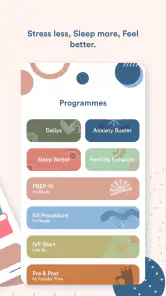
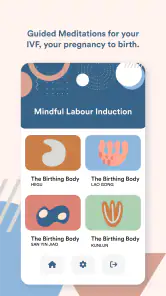
The most important settings are the ones that reduce friction. Before beginning, check the available session choices and select something that matches your immediate need rather than your ideal mood. A session intended for settling down may be a poor fit when you need to feel alert before leaving home. If the app presents different meditation themes or playback choices, try them at a calm time so you are not experimenting during a stressful appointment morning.
Sound deserves attention. Use a comfortable volume and consider whether you want headphones, a phone speaker, or a quieter private space. Headphones may help in a shared home, but they can also make it harder to notice someone who needs your attention. A speaker is more practical when meditating with a partner, although it may reduce privacy. This is a small trade-off, yet it affects whether the routine survives real life.
Because the app is free to download and use, it is easy to test without making an immediate financial commitment. There are in-app purchases ranging from $0.99 to $149.99 per item, so I would review any purchase screen carefully before confirming anything. That price span makes it especially sensible to understand what is available at no cost and whether an optional item genuinely improves your routine. I would never buy a longer package simply because I was having a difficult treatment day.
Another useful check is the app’s age and device compatibility. It is rated for Everyone, and the listed minimum operating system is Android 8.0. That makes it approachable for many users, but anyone using an older phone should check compatibility before building a routine around it. The current version is 7.0.11, so keeping the app updated may be worthwhile when an update is offered through the normal store process.
How experienced users can make the routine faster
Once you know which meditation feels comfortable, remove unnecessary decisions. Keep the app in an easy-to-reach place on your phone, use the same chair or corner when possible, and start with the same opening cue. These are not special app features; they are habits that make the app easier to use consistently. The less effort required to begin, the less likely you are to postpone it while feeling anxious.
I also recommend linking sessions to events rather than exact clock times. Appointment schedules change, injections and tests can disrupt mornings, and treatment days rarely behave predictably. A flexible cue such as “after I finish breakfast” or “once I return from the clinic” is more resilient than a fixed alarm. If the day becomes chaotic, a shorter attempt is still more useful than abandoning the routine because it no longer fits the original plan.
A particularly effective pattern is to use the meditation before and after the same type of event, then compare the purpose rather than judging the emotional result. Before an appointment, the aim may be attention and steadiness. Afterward, the aim may be decompression. This prevents you from expecting every session to produce happiness, which is not a fair standard during a demanding medical process.
For partners or close supporters, the app can support parallel routines without requiring the same experience. One person may meditate before a call, while the other uses it after work. I would avoid turning completion into a score or asking who is “doing better.” The value comes from creating support around IVF, not from adding performance pressure.
Where it compares well with ordinary alternatives
Compared with a broad mindfulness app, this one has a more relevant emotional frame for IVF. A general meditation service may offer more variety, wider topics, and more polished discovery tools, but it can also leave you searching through unrelated material when fertility treatment is already taking up much of your attention. Mindful IVF is more direct for someone who wants the subject matter to feel connected to the experience they are living.
Compared with free audio or video searches, a dedicated app feels easier to return to because the purpose is clear. Random online content can be helpful, but quality, tone, and continuity vary. You may also spend more time choosing than practicing. On the other hand, free web resources can offer more voices and styles, so they may suit users who find one guided approach repetitive.
Compared with journaling, meditation works on the immediate physical and mental rhythm of a stressful moment, while writing is better for sorting questions, emotions, and decisions. I would not choose one as a complete substitute for the other. A short meditation followed by a few written notes can be a stronger workflow than either tool alone, especially before a consultation.
Compared with clinical counseling or a fertility support group, the app is private and convenient but much less interactive. It cannot respond to your personal history, notice when distress is becoming serious, or offer the human reassurance of someone who understands your situation directly. If you are experiencing persistent hopelessness, panic, or thoughts of harming yourself, use professional support and urgent services where appropriate rather than relying on meditation.
Limits that become clearer with regular use
The focused subject can feel reassuring at first, but it may also become emotionally tiring. IVF is not one single mood, and a user may eventually want meditations for sleep, grief, anger, relationship strain, or general anxiety that do not keep returning to the treatment frame. If the app makes you feel more preoccupied with IVF instead of giving you a break from it, a broader mindfulness option may be better for part of your routine.
It is also important not to confuse a soothing voice or a completed session with medical reassurance. New pain, concerning symptoms, medication questions, or unexpected changes belong with your clinic. The app can help you pause before contacting the right professional, but it should not delay that contact.
Purchases require sensible boundaries. A free starting point is helpful, yet optional items can make the overall experience more expensive depending on what you choose. I would test the basic routine first, read each purchase description carefully, and decide whether the content addresses a real need rather than buying in response to fear. During fertility treatment, emotional vulnerability can make any wellness purchase feel more urgent than it really is.
The app’s audience is also narrower than the broad medical label might suggest. It is appropriate for adults seeking meditation support, but it is not a treatment-management tool, a diagnostic service, or a substitute for fertility education. Someone who wants cycle logs, reminders, document storage, symptom records, or communication with a clinic should look for a different kind of app and keep this one, if desired, as a separate calming tool.
Who will benefit most from it
I can recommend Mindful IVF to people who want a gentle, IVF-specific way to build a pause into their day. It is particularly suitable if you are new to meditation, dislike searching through large libraries, or want a private routine that can be used around appointments and waiting periods. The free entry point also makes it reasonable to try before deciding whether the approach fits you.
I would be more cautious for someone who already has a meditation system they love, needs highly customizable sessions, or wants evidence-based clinical guidance in the same place as relaxation exercises. A general mindfulness app may offer more control, while a therapist or support group may provide the personal response this app cannot.
The public response gives the app a 4.0 average from around 130 ratings, with more than ten thousand installs. I see that as a sign of a modest, established audience rather than proof that it will suit every IVF journey. The developer, Mindful Meditations, has kept the product focused enough to be recognizable, but the relatively specialized purpose means personal fit matters more than popularity.
My verdict after looking at the complete workflow
Mindful IVF: Meditate & Relax succeeds when you use it as a small, repeatable support habit. Its strongest quality is relevance: the app meets you in a situation where generic relaxation content can feel disconnected. I like the idea of opening it before a difficult appointment, using it to interrupt anxious checking, or letting it mark the transition into sleep.
Its weaknesses are just as clear. It does not replace medical advice, emotional counseling, treatment organization, or human support. Optional purchases should be approached carefully, and users who want broad meditation variety may outgrow the focused format. The best results will come from combining it with practical tools such as a question list, a treatment calendar, and trusted professional care.
My recommendation is to try it as a low-pressure companion, not as a promise of control over IVF. Give it a consistent place in your day, choose sessions according to the moment, and judge it by whether it helps you return to ordinary life with a little more space. If that is the kind of support you need, this medical meditation app is worth considering; if you need tracking, clinical answers, or personalized therapy, choose a tool designed for those needs instead.
Mindful IVF : Meditate & Relax Frequently Asked Questions
Is Mindful IVF: Meditate & Relax suitable for someone just beginning fertility treatment?
It may be a helpful companion whether you are preparing for treatment or already moving through an IVF cycle. The app focuses on mindfulness and relaxation, offering practices that can give you a moment to pause and check in with your emotions. Everyone responds differently, so choose sessions that feel comfortable and use them alongside—not instead of—guidance from your fertility care team.
What is Mindful IVF: Meditate & Relax, and who is it designed for?
Mindful IVF: Meditate & Relax is a mindfulness and relaxation app created to support people going through fertility treatment, including IVF. It offers guided meditations, calming exercises, breathing practices, and emotional-wellness content intended to help users manage stress, worry, and treatment-related uncertainty. It may also be useful for partners, but it should be viewed as complementary emotional support rather than a replacement for professional medical or psychological care.
Can Mindful IVF help with anxiety and stress during fertility treatment?
The app can be useful for creating a calmer daily routine through guided meditation, relaxation sessions, and mindful breathing. These tools may help some users reduce momentary tension, improve emotional awareness, or relax before appointments and procedures. However, results differ from person to person, and the app cannot guarantee reduced anxiety or improved fertility outcomes. Anyone experiencing persistent distress should also consider speaking with a qualified healthcare or mental-health professional.
Does the app provide medical advice or improve IVF success rates?
Mindful IVF: Meditate & Relax is intended for emotional wellbeing and relaxation, not diagnosis, treatment, or fertility management. Its meditations and mindfulness exercises do not replace advice from a fertility specialist, medication instructions, blood tests, or clinical procedures. The app should not be used to change a treatment plan or interpret symptoms. There is also no reliable guarantee that meditation will increase IVF success rates, although relaxation may support general wellbeing.
Is Mindful IVF: Meditate & Relax free to download, and are there in-app purchases?
The app is free to download, but it also offers in-app purchases ranging from $0.99 to $149.99 per item. The available content and pricing can vary depending on the platform, country, and current version. Some features may be accessible without payment, while additional meditation programs or premium material may require a purchase. Before buying, check the store listing carefully for billing details and any applicable terms. This is especially important if you only want to use the app during one treatment cycle.
Pros
- Guided meditations are tailored to different stages of the IVF journey.
- Short sessions make it easy to practice during busy treatment days.
- Calming breathing exercises can help reduce pre-procedure tension.
- The supportive tone feels reassuring during emotionally difficult moments.
- Content is suitable for beginners with little meditation experience.
Cons
- Some features may require a paid subscription or in-app purchase.
- The IVF-specific content may feel repetitive after extended use.
- Meditation cannot replace professional medical or psychological support.
- Limited customization may not suit users seeking detailed programs.
- Some sessions may be difficult to follow when anxiety is especially intense.
- Category
- Medical
- Version
- 7.0.11