Make Money & Earn Cash Rewards
- 32.09K
- 4.1
- Installs
- 5.00M
- Price
- Free

Screenshots


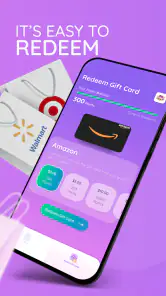
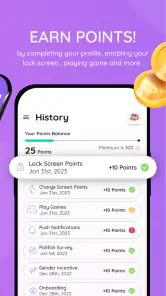
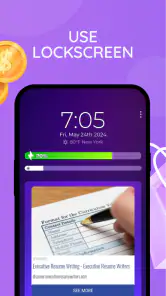
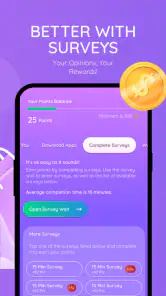


Analysis by Reviewed
I approached Make Money & Earn Cash Rewards as a small personalization app with a very practical promise: turn spare moments on a phone into opportunities to collect cash rewards. That idea is appealing, but it also needs a realistic frame. This is not the kind of app I would treat as a dependable income source. I see it more as something to check occasionally when I already have a few minutes available and a stable connection.
The app is free, aimed at everyone, and comes from Airfind Corp. It sits in the personalization category rather than behaving like a traditional budgeting tool, banking app, or full employment platform. Its store summary focuses on making money and earning rewards quickly, while the short description reduces that idea to “Make Money.” In daily use, the important question is less whether the promise sounds attractive and more whether the experience fits the way you use your phone, your patience, and your data connection.
How the experience depends on being connected
The strongest theme in my experience is connectivity. An app built around presenting earning opportunities has to communicate with its service before it can show what is available, so I would not open it expecting a useful session in airplane mode or in a place with unreliable reception. The practical result is that the app makes more sense during connected pauses: waiting at home, sitting in a café with dependable Wi-Fi, or using mobile data when the signal is steady.
This changes how I would fit it into a routine. I would not make it the first app I open during a rushed commute, especially underground or in a crowded area where a connection can fluctuate. A rewards app can feel slow even when the phone itself is working perfectly, because the relevant content depends on communication with the service. If a screen takes time to load, I would first treat that as a network issue rather than repeatedly tapping buttons.
That distinction matters because the app’s appeal is based on quick access. The idea is to use a spare minute, but a weak connection can consume that entire minute before I can decide whether an opportunity is worth my attention. For me, the best habit is to open it only when I have enough time for a short wait, a complete interaction, and any confirmation that may follow. It is a small adjustment, but it prevents the “fast reward” promise from turning into a frustrating start-and-stop routine.
When a short session works well
A realistic scenario would be waiting for a friend who is running late. I already have my phone in hand, I am connected, and I have no expectation of earning a fixed amount. I can check what the app presents, decide whether the available task or opportunity is worth my time, and close it without disrupting anything important. That is where I think the app is most comfortable: an optional pocket activity rather than a scheduled source of income.
I would also use it as a controlled break between larger tasks. Rather than leaving it open all day, I would check it at a chosen time, complete only what seems reasonable, and then stop. This approach keeps the app from taking over attention and makes it easier to judge whether the reward is worth the time and data involved. The key insight is that connectivity works best when it supports a deliberate session, not constant checking.
On the other hand, I would avoid opening it while handling something that needs concentration. If loading is interrupted, I may be tempted to retry, switch networks, or revisit a screen. That is unnecessary friction when I am walking, working, or trying to conserve battery. The app is better suited to a stationary moment where I can notice whether the connection is behaving normally.
Using it on mobile data
For someone with limited mobile data, I would treat the app cautiously. The exact cost of a session can vary with what is displayed and how much online content is involved, so I would not assume that every visit is equally light. My practical advice is to use a trusted Wi-Fi connection when possible, especially during the first few sessions while learning how much loading and browsing the experience requires.
I would also avoid refreshing repeatedly after a slow response. Repeated taps can create duplicate loading attempts without improving the result, and they make it harder to tell whether the service or the network is responsible. Waiting briefly, checking the signal, and then trying once more is a more sensible workflow than continuously forcing the app to reload.
For people who pay close attention to data usage, this is one of the app’s meaningful trade-offs. A free download does not automatically mean a cost-free experience if it encourages frequent mobile-data use. I would consider the value of the rewards alongside the time and connectivity consumed, rather than judging the app only by its zero purchase price.
What to do when loading fails
Connection failures are especially important in a rewards-focused app because timing can affect whether an opportunity is still visible. If a page does not load, I would avoid assuming that the reward has been recorded or that a failed attempt has been safely ignored. I would first stop interacting, check whether the phone has a stable connection, and reopen the relevant screen only after the network is usable again.
If the app returns to an earlier point, I would carefully check the visible status before repeating anything. This is a useful precaution with any online rewards service: repeating an action blindly can waste time, while assuming success without checking can create confusion later. I would keep my own simple note of what I intentionally completed during a session, especially if I am using the app regularly.
The recovery process is not glamorous, but it is where a practical user can avoid most frustration. Move from mobile data to Wi-Fi, or the other way around, only when the connection is genuinely better; do not switch back and forth every few seconds. Close the app if it appears stuck, wait a little, and then try again. If the same issue keeps happening, I would stop the session instead of treating every failed load as a challenge to overcome.
This is also why I would not use the app for money I urgently need. A network-dependent opportunity can be delayed, interrupted, or unavailable at the moment I check it. Even if the experience is generally smooth, that uncertainty makes it unsuitable for bills, planned purchases, or any financial goal that requires a guaranteed return.
Keeping the routine efficient
My preferred workflow would be simple. I would open the app with a stable connection, look over the available options before committing time, and leave immediately if the effort does not feel worthwhile. I would avoid background checking and would not keep returning every few minutes. The benefit of this approach is not just lower data use; it also helps me maintain a clear boundary between a casual rewards activity and my actual financial planning.
Another useful habit is to judge the whole session, not just the headline reward. If an opportunity requires several minutes of attention, repeated loading, or a second attempt because the connection failed, its practical value is lower than it first appears. That does not make the app useless, but it does mean the user needs to account for friction. A reward that looks attractive in isolation may not be attractive after time, attention, and connectivity are included.
I would also keep the app updated through the normal app-store process. The current version is 3.0.38, and the minimum operating-system requirement is Android 8.0. That makes compatibility straightforward for many older Android phones, although the actual quality of a session will still depend on the device, its browser or system components, and the network available at the time.
Who is likely to enjoy it
I think this app suits people who like trying small earning opportunities without paying an entry fee. It can be a reasonable fit for someone who already spends short periods on a phone and is comfortable deciding that some opportunities are not worth pursuing. The free price lowers the barrier to trying it, while the everyone age rating makes it broadly approachable from a content perspective.
Its scale also suggests that it has reached a substantial audience: it has more than five million installs, with an average rating of 4.1 from roughly seventy-two thousand ratings. Those figures do not guarantee that every user will have the same experience, but they indicate that the concept has found a real audience rather than remaining a niche experiment. I would still use my own standards, because a popular rewards app can be useful for one person and disappointing for another.
The best candidate is someone who can use Wi-Fi regularly, has realistic expectations, and is willing to leave when the connection or opportunity is poor. Someone who wants a structured budget, predictable earnings, or detailed financial records should look at a different category of app. This one is about occasional reward activity, not replacing a spreadsheet, a bank account, or paid work.
Who should probably skip it
I would skip it if I needed guaranteed income or if my mobile connection were unreliable most of the time. The network dependency would turn too many sessions into waiting and retrying. I would also avoid it if I found reward-based browsing distracting, because the low commitment that makes the app approachable can also encourage unnecessary checking.
It is not the right alternative to a cashback service tied to purchases, a survey platform with clearly defined questionnaires, or a budgeting app that tracks spending. Those tools solve different problems. A cashback service may be better for someone who already shops and wants rewards connected to transactions; a budgeting app is better for someone trying to understand where money goes. Make Money & Earn Cash Rewards is more suitable for optional exploration during spare time.
What I would compare before committing time
Compared with ordinary personalization apps, this one has a more active, reward-oriented purpose. A wallpaper or theme app can provide a visible change immediately, while this experience depends on checking what is available and whether the connected session is worthwhile. Compared with conventional money-management apps, it is less about control and more about opportunity. That difference should guide expectations from the moment it is installed.
I would compare it with any alternative using three questions: how much attention does a session require, how dependable is the connection in my usual locations, and how easy is it to stop without feeling that I have wasted time? Those questions are more useful than simply choosing the app with the most exciting wording. For this particular app, connectivity belongs in that comparison because a reliable network can make a short session practical, while an unstable one can erase its convenience.
The developer, Airfind Corp, has kept the basic proposition easy to understand, but the user still has to supply the judgment. I would not assume that every available option is equally suitable, and I would not rush through an activity just because it is presented as quick. Reading what is on screen, checking the connection, and deciding deliberately are the habits that make the experience more manageable.
My everyday verdict
After looking at the app through normal mobile situations, I see it as a casual rewards companion rather than a serious financial tool. It can make sense during a connected idle moment, particularly for users who enjoy exploring small earning possibilities and do not mind that availability may change. The free entry point makes experimentation easy, but the real cost is measured in attention, time, and data rather than the download itself.
My strongest recommendation is to use it in short, intentional sessions on a dependable connection. Do not rely on it when money is urgent, do not keep refreshing a failed screen, and do not judge its value from the reward wording alone. If a session loads cleanly and the opportunity feels reasonable, it can be a pleasant way to use a few spare minutes. If the network is weak or the effort starts to feel disproportionate, closing the app is the better decision.
With a 4.1 average and a large installed audience, it is clearly worth a trial for the right kind of user. Still, the app’s usefulness depends heavily on personal circumstances. I would recommend it to a friend who wants a free, low-pressure way to explore cash rewards and has reliable connectivity. I would steer a friend seeking predictable earnings, offline access, or detailed financial management toward a more specialized option instead.
Pros
- Simple interface makes earning options easy to find.
- Offers multiple reward types
- including cash and gift cards.
- New tasks and promotions can provide regular earning opportunities.
- Low-effort activities can be completed during spare time.
- Reward progress is visible
- helping track completed activities.
Cons
- Earnings per task may be small compared with the time required.
- Some offers are limited by location
- device
- or user profile.
- Cash-out thresholds can delay access to earned rewards.
- Availability of surveys and tasks may change without notice.
- Some activities may involve sharing personal or demographic information.

- Category
- Personalization
- Version
- 3.0.38