Lumi Drama
- 6.00
- 2.1
- Installs
- 10.00K
- Price
- Free

Screenshots
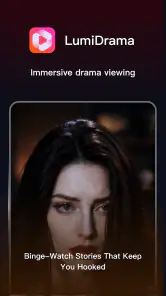
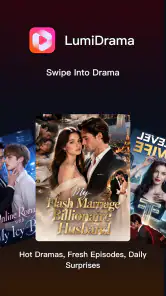

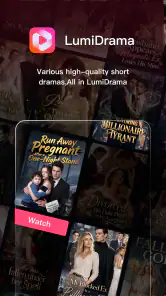

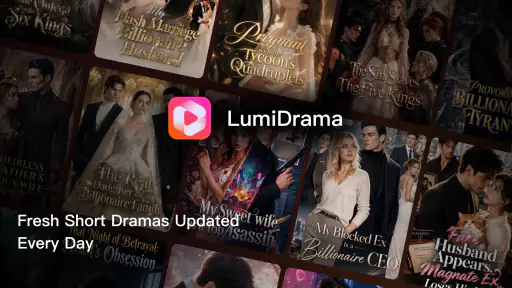
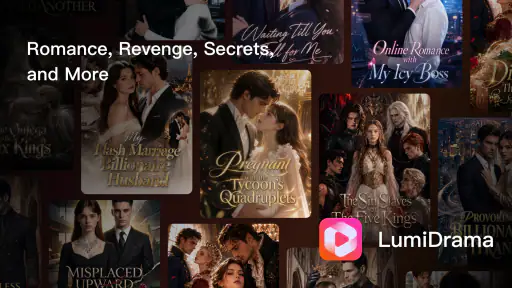
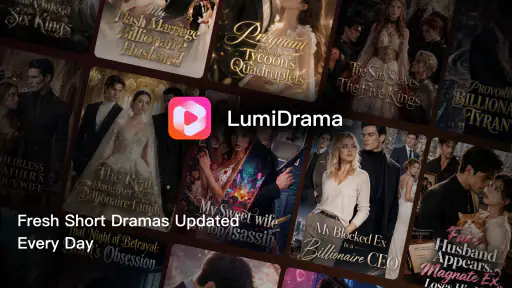
Analysis by Reviewed
Short-form drama is built around one simple habit: opening an app for a spare minute and letting the next scene decide whether you stay. Lumi Drama, made by StorySpark, takes that idea and places it in the personalization category rather than treating itself like a traditional streaming service. I found its appeal less in long viewing sessions and more in the quick decision to swipe, sample a story, and continue only when the scene earns my attention.
The app is free to install and is suitable for Everyone, which makes it easy to try without committing to a subscription at the start. It runs on Android devices using version 7.0 or later, and the current release is 4.1. StorySpark presents it as a place for short dramas that can be discovered through swiping, so the central experience is not building a large watchlist or searching through a television-style library. It is about finding something immediately watchable.
Why the swipe-based drama format matters
The most important capability here is the way Lumi Drama turns discovery into the main activity. In a conventional streaming app, I usually begin with a title, genre, actor, or recommendation row. That approach works when I already know what mood I want. Lumi Drama is more useful when I do not want to make that decision in advance. I can browse one short dramatic idea after another and let the opening moments determine whether I continue.
That sounds minor, but it changes the role of the app. Instead of asking me to invest time in choosing a complete series, the swipe interface lowers the cost of trying something unfamiliar. A story does not need to look like an obvious favorite before I give it a chance. For someone who enjoys emotional hooks, cliffhangers, and quick narrative turns, this can make a few idle minutes feel more entertaining than scrolling through a conventional catalog.
I would not describe it as a replacement for a full streaming platform. The strength is immediacy, not depth. When I want a carefully selected film, a familiar long-running show, or a specific genre with dependable filters, a normal streaming service is the better tool. Lumi Drama makes more sense as a lightweight entertainment layer for moments when browsing itself is part of the fun.
What I noticed during ordinary use
My most realistic use case was a short break between tasks. I opened the app without a particular title in mind, watched the beginning of a drama, and then swiped when the premise did not hold my interest. That decision felt easier than abandoning a full episode after several minutes. When a scene did catch me, the short format made it possible to continue without turning the break into a major time commitment.
This also works well at the end of the day, when I want something more engaging than passive scrolling but do not have the attention for a long episode. The app’s design encourages quick sampling, so I can stop after a few minutes without feeling that I have interrupted a carefully planned viewing session. That flexibility is the clearest practical benefit I found.
More From Our News Desk

Clash of Clans Is Won Between the Battles

Android Auto Makes the Case for Quieter Car Software

MobiOffice: Transforming Mobile Productivity with Seamless Integration

EA SPORTS FC™ Mobile Soccer: Redefining Mobile Sports Gaming

How Microsoft OneDrive Became a Mobile Productivity Giant

How Google Translate Breaks Language Barriers Effortlessly
There is a trade-off, though. A swipe-based feed can encourage me to judge a story too quickly. A slower drama may need time to establish its characters, while a short discovery format rewards an immediate hook. I had to remind myself that skipping a weak opening is not always the same as rejecting the entire story. The app is at its best when I use the feed as a way to explore, not as a strict test that every drama must pass instantly.
How to use the feed without wasting the experience
I found three habits particularly useful. First, I treat the opening scene as a sample rather than a promise. If the setup is interesting but not instantly dramatic, giving it a little more attention can prevent the feed from becoming a series of snap judgments. Second, I avoid swiping continuously just because the first few choices are not perfect. The point is discovery, and discovery takes some tolerance for variety.
Third, I use Lumi Drama for defined gaps rather than opening it whenever I am avoiding another task. Short dramas are easy to start, which is convenient, but that same convenience can make the feed more absorbing than planned. Setting a personal stopping point before browsing is a better approach for anyone who wants entertainment without losing track of time.
These are not complicated controls or hidden settings; they are viewing strategies. They matter because the app’s design places much of the experience in the user’s hands. The feed can feel efficient when I make quick, intentional choices, but it can also feel repetitive if I swipe without paying attention to what I am actually looking for.
The best setting for this kind of app
The strongest setting is a short, unplanned break where I want a story but do not want to choose a major viewing commitment. Waiting for an appointment, taking a lunch pause, or winding down before sleep are all situations where the format feels natural. I can try a drama, continue if it works, and leave without needing to remember where I was in a long episode.
It is also a reasonable option for people who discover entertainment through mood rather than loyalty. If I am open to romance, tension, family conflict, or other dramatic setups but do not want to search through categories, swiping gives me a faster starting point. The experience depends on accepting that not every selection will suit me. The reward is the occasional story that feels like a lucky find.
I would be more cautious about recommending it to someone who prefers deliberate viewing. If you choose shows by director, cast, subject, or detailed content information, a feed centered on quick discovery may feel too loose. Likewise, anyone looking for background viewing with a predictable, familiar series may prefer a standard service that makes continuity and episode management more prominent.
Where the free model becomes less simple
The app itself is free, which removes the biggest barrier to trying the format. However, Lumi Drama includes in-app purchases ranging from $0.49 to $199.99 per item. That is a wide span, and it means I would pay close attention before confirming anything inside the app. Free entry does not automatically mean every part of the viewing experience is equally free.
For me, the practical lesson is to approach the feed as a trial first. I would use the free experience to decide whether the short-drama format and the available selection actually fit my habits before considering any purchase. Someone who dislikes interruptions, limited access, or paid progression within entertainment apps may find this model frustrating even if the initial download costs nothing.
The average rating is 2.1 from around 41 ratings, with six written reviews. I would not treat that figure as a complete verdict on the concept, because the number of ratings is still small, but it is a reason to keep expectations measured. My recommendation is to judge the app against your own tolerance for short-form browsing and in-app spending rather than assuming the format will suit you automatically.
The app has reached over 10K installs, so it is not an entirely unknown experiment, but it also does not have the broad footprint of the biggest entertainment platforms. That matters when deciding whether to make it a primary source of viewing. I see it as a supplementary app: useful for quick discoveries, less convincing as the only place I would go for dramas.
What the age and device requirements mean
Because the content rating is Everyone, Lumi Drama is positioned for a broad audience from an age-rating perspective. That does not mean every dramatic theme will appeal to every household, so I would still use personal judgment when sharing a device or recommending it to younger viewers. The rating makes trying the app more straightforward, but it is not a substitute for knowing what kind of stories a particular person prefers.
The minimum Android requirement of 7.0 is relatively accommodating for users with older compatible phones. I would still keep expectations realistic on an aging device: short-form video can be less pleasant if the screen, storage, battery, or connection is already a weak point. The app may be easy to install, but the quality of a viewing session depends just as much on the phone and the surrounding situation as on the feed itself.
Since Lumi Drama is a personalization app focused on discovering short dramas, I would install it when I want a more direct entertainment experience than a general video platform provides. I would not install it expecting a broad toolkit for customizing the entire phone. Its personalization angle is about matching me with stories through browsing, not about wallpapers, themes, or system-level appearance.
How it compares with familiar alternatives
Compared with a normal streaming app, Lumi Drama asks me to spend less time searching and less time committing. That is its clear advantage. The downside is that I have less control over the initial selection and may need to sample several stories before finding one that fits. Conventional services win when I know exactly what I want; Lumi Drama wins when I want the app to help create the plan.
Compared with general short-video platforms, the drama focus gives my browsing a stronger narrative direction. I am not simply jumping between unrelated clips. The experience is more suitable when I want fictional tension and continuing story ideas rather than comedy, commentary, music, or random creator content. At the same time, general platforms often provide a broader range of formats, so users who enjoy variety may find them more flexible.
Compared with reading short stories or serialized fiction, the app offers a more immediate visual path into drama. That can be easier when I am tired or do not want to concentrate on text. Reading alternatives are usually better for people who want to control their pace, imagine the scenes themselves, or avoid the rapid visual rhythm of a swipe feed. Neither option is universally better; they serve different kinds of attention.
Who gets the most value from it
I think Lumi Drama is most appealing to people who enjoy discovering stories by instinct. You are likely to appreciate it if you often say, “I only have a few minutes,” but still want something with characters and conflict rather than an isolated clip. It also suits viewers who become bored by catalog browsing and would rather react to one premise at a time.
It is less suitable for viewers who need dependable continuity, detailed organization, or a known catalog before pressing play. If you want to follow a carefully selected series from beginning to end, the feed may feel less focused than a traditional service. If you are highly sensitive to purchase prompts or uncertain about paying for additional content, the in-app purchase range is another reason to remain cautious.
My practical recommendation is to give it a short, deliberate trial. Install the free version, browse with a specific time limit, and notice whether the discovery process feels enjoyable or merely random. Pay attention to whether you are finding dramas you genuinely want to continue, not just swiping because the interface makes the next choice effortless.
My final view after using the concept as intended
Lumi Drama has a focused idea, and that focus is both its appeal and its boundary. The swipe-to-discover approach makes short dramas easy to sample during ordinary gaps in the day. I like that it reduces the pressure of choosing a complete show and gives unfamiliar stories a quick chance to make an impression.
Still, I would not overlook the low average rating, the small number of written reviews, or the broad range of optional purchases. Those details make it sensible to approach the app as a free experiment rather than an essential entertainment subscription. The experience may also disappoint people who want deep search tools, predictable programming, or long-form storytelling.
My honest recommendation: try it if spontaneous short drama sounds more appealing than careful catalog browsing. StorySpark has built the experience around quick discovery, and that can be genuinely convenient when I need a compact story during a busy day. Just keep the session intentional, judge the actual feed for yourself, and remember that the app works best as a casual companion rather than a full replacement for established streaming alternatives.
Lumi Drama Frequently Asked Questions
What does Lumi Drama do, and who is it for?
Lumi Drama is a personalization app from StorySpark centered on discovering and watching short dramas. Its store description invites viewers to swipe through captivating stories and watch them anytime, making it a fit for people who enjoy quick, serialized entertainment on a mobile device. The experience is aimed at a broad audience, with an Everyone content rating.
What is Lumi Drama, and what type of content does it offer?
Lumi Drama is an entertainment app focused on watching dramatic video content, such as serialized stories, short-form episodes, romantic plots, and other emotionally driven productions. Its catalog may include both original and licensed titles, depending on your region. Before downloading, check the current app description and screenshots to confirm whether the available genres and language options match your preferences.
Is Lumi Drama free to download and use?
Lumi Drama is free to download, but some content or features can require in-app purchases. Items range from $0.49 to $199.99, so it is worth checking the price of anything you plan to unlock before purchasing. The exact options you encounter may vary by title and location, so review the payment prompts carefully before confirming a transaction.
Does Lumi Drama require an account or internet connection?
An account may be required to save viewing progress, synchronize preferences, receive recommendations, or access premium episodes. Lumi Drama is primarily designed for online streaming, so a stable internet connection is normally needed for smooth playback. If offline downloads are available, they may be limited to selected content or paying users, and downloaded episodes could expire after a certain period.
Which devices and operating systems can run Lumi Drama?
Lumi Drama is available as an app, and its current version is 4.1. Android users need version 7.0 or later to install it. Availability and features can still differ by platform and country, so check the official Google Play or Apple App Store listing for your device before downloading. Use an official store rather than an unofficial APK or modified version.
Pros
- Large selection of Asian dramas and entertainment content
- Smooth video playback on most modern Android and iOS devices
- Useful subtitles make international shows easier to follow
- New episodes and titles are added regularly
- Simple interface makes browsing genres and shows straightforward
Cons
- Some content may require a premium subscription
- Ad interruptions can affect the viewing experience
- Subtitle quality may vary between different shows
- Availability of titles can depend on your region
- Video quality may require a strong and stable internet connection
- Category
- Personalization
- Version
- 4.1