Libro.fm Audiobooks
- 1.66K
- 4.9
- Installs
- 100.00K
- Price
- Free

Screenshots
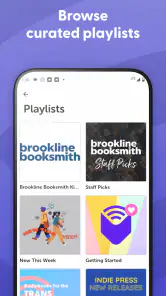
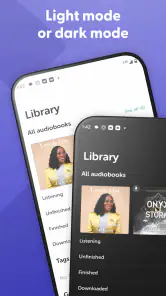
Analysis by Reviewed
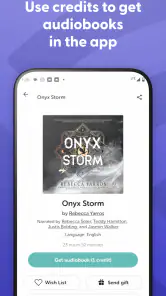
I came to Libro.fm Audiobooks with a simple problem: I wanted to keep up with books during parts of the day when reading was not practical. Commuting, cooking, walking, and doing routine chores all create small pockets of time, but those pockets are easy to lose. This app turns them into listening time while adding a detail that matters to many readers: purchases support a local bookstore rather than treating an audiobook as just another digital download.
That focus makes Libro.fm more than a basic audio player. It sits between a Books & Reference app, an audiobook shop, and a personal listening library. I found the experience most appealing when I already knew what I wanted to hear and wanted a straightforward path from choosing a book to listening to it. It is also a thoughtful option for readers who care about where their money goes, although it is not automatically the best fit for someone who wants the broadest possible subscription catalog or a highly specialized discovery system.
From choosing a book to finishing a listening session
Starting with the right expectation
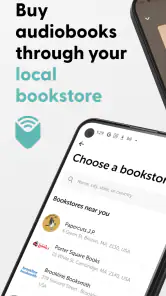
The first thing to understand is that this is a purchase-oriented audiobook app. The store summary describes its central purpose clearly: you purchase audiobooks through Libro.fm and connect that experience with a local bookstore. That makes the starting condition different from opening a subscription service and browsing a rotating catalog. I approach it as a place to select individual audiobooks I genuinely intend to hear, not as an endless source of disposable listening.
The app itself is free, which removes the initial barrier to installing it and exploring the experience. The audiobook purchase is the meaningful decision afterward. I would therefore recommend deciding whether you prefer owning selected titles or paying for access to a larger changing collection before making Libro.fm your main audiobook home. That distinction affects the entire workflow, from browsing to budgeting and from choosing a title to deciding what happens when you finish it.
Libro.fm is developed by Libro.fm, and its presence on Android is established rather than experimental. The app has an average rating of 4.9 from around 6.4 thousand ratings, with roughly 1.7 thousand written reviews. Those figures suggest strong user satisfaction, but I would not read them as proof that every listener will have the same experience. Audiobook apps are especially dependent on personal preferences about narration, catalog selection, playback controls, and purchasing habits.
Finding a title without losing the reason you opened the app
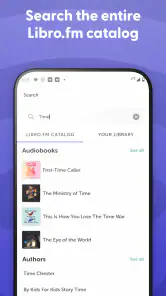
My preferred approach is to arrive with a short list: a novel recommended by a friend, a nonfiction title I have been postponing, or the next book in a series. That keeps browsing purposeful. When I am shopping for a specific audiobook, the important checks are not only the cover and title. I want to confirm the narrator, the edition, and whether the listening format suits the way I plan to use it.
This is one of the less obvious advantages of treating the app as a bookstore-linked buying tool. The decision feels more deliberate than tapping a generic “play something” button. If I am choosing a long book for a daily commute, I think about whether the narrator’s voice will remain comfortable over repeated sessions. If I am selecting a practical title, I consider whether audio alone will work or whether I will need a print or digital edition beside it for reference.
More From Our News Desk

Clash of Clans Is Won Between the Battles

Android Auto Makes the Case for Quieter Car Software

MobiOffice: Transforming Mobile Productivity with Seamless Integration

EA SPORTS FC™ Mobile Soccer: Redefining Mobile Sports Gaming

How Microsoft OneDrive Became a Mobile Productivity Giant

How Google Translate Breaks Language Barriers Effortlessly
That last point is important. Audiobooks are excellent for stories, memoirs, essays, and many narrative nonfiction titles. They are less convenient for books filled with tables, footnotes, diagrams, dense quotations, or instructions that need to be revisited visually. Libro.fm does not change that basic limitation of the format. The app can make listening convenient, but it cannot turn every kind of book into a good audio-first book.
The purchase decision and the local bookstore connection
The defining handoff happens when a selected audiobook moves from browsing into your library. Libro.fm’s model connects the purchase to a local bookstore, which gives the transaction a community-minded purpose that ordinary audiobook storefronts often do not emphasize. For me, that changes the question from “Is this the cheapest or fastest way to get this title?” to “Do I value directing this purchase through a local bookselling relationship?”
That trade-off deserves an honest look. If your only goal is to compare every available deal across every digital retailer, this app may not be your preferred shopping destination. If you want a purchase that aligns with supporting independent bookselling, the local connection is a meaningful reason to choose it. I would especially consider it for planned purchases rather than impulse listening, because the value is strongest when I already know the book is worth adding to my library.
I also like the psychological separation between acquiring a book and starting it immediately. A purchase can become part of a personal queue, ready for a walk or a quiet evening. That makes it easier to build a listening habit around books I selected intentionally. The downside is that a growing library can become a form of procrastination: collecting titles feels productive, but finishing them still requires time and attention.
Moving from the store to the listening library
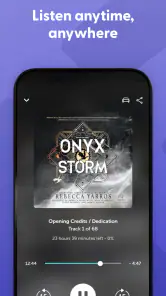
Once a book is acquired, the workflow should become much simpler: open the library, choose the title, and begin listening when the situation allows. This is where a dedicated audiobook app has an advantage over using a general music player. The book remains connected to its reading context, so I do not have to remember which audio file belongs to which title or reconstruct my place manually.
My practical advice is to make the first listening session a setup session rather than immediately committing to a long chapter. I listen for a few minutes to judge the narrator, volume, pacing, and whether the book fits the activity I had in mind. A narrator who sounds excellent in a short sample may still feel tiring during a long household task, while a calm delivery can become ideal for regular evening listening.
I also recommend creating a clear rule for when you listen. For example, I might reserve one title for walking and another for chores, but I avoid switching constantly between several books. That small habit reduces the friction of deciding what to play and makes progress easier to notice. The app is most useful when it becomes part of a repeatable routine instead of another library I occasionally browse.
Handoffs between phone, routine, and attention
The real test is not the store screen; it is the handoff from the app to everyday life. I might begin a chapter at home, pause when someone needs my attention, and return later while preparing dinner. In another situation, I may listen during a walk and stop before entering a busy street. Audiobooks work best when the listener treats them as an activity that can be paused and resumed, not as background noise that must continue at all costs.
That is also why I would not judge Libro.fm only by how attractive its catalog looks. The app has to fit the rhythm of your day. A person with a long, predictable commute may get tremendous value from individual audiobook purchases. Someone whose listening time is scattered into very short interruptions may prefer shorter content or a service that makes rapid sampling easier. The same title can feel rewarding in one routine and frustrating in another.
A useful workflow is to match the book to the environment. Narrative fiction can make repetitive movement more enjoyable, while a serious nonfiction book may require a quiet walk where concentration is possible. I avoid starting complicated chapters while cooking a new recipe or handling anything that demands precise attention. When I miss a key passage, I pause and return rather than letting the audio run while my mind is elsewhere.
What the result feels like after a week of use
The strongest result is not simply that I have an audiobook on my phone. It is that reading becomes available in places where printed pages are inconvenient. A book can accompany a walk, a cleaning session, or a commute without requiring a separate block of uninterrupted sitting time. That makes the app particularly useful for adults who still want a regular relationship with books but struggle to protect quiet reading hours.
The local bookstore element adds a second kind of satisfaction. I know that choosing Libro.fm is not merely a technical decision about playback. It is also a purchasing choice with a connection to independent bookselling. That will not matter equally to everyone, but for me it gives the act of buying an audiobook a little more intention.
Libro.fm has reached over 100 thousand installs, and its current Android version is 7.38.2. It supports Android 7.0 and later, while its content rating is Everyone. In practical terms, that makes it accessible to a wide range of Android users with compatible devices, including people who are not looking for a complicated or narrowly targeted reading tool. The age rating does not mean every audiobook is suitable for every listener, though; the content of an individual book still matters.
Where the workflow becomes less comfortable
The first break occurs if you expect an all-you-can-listen subscription experience. Libro.fm is better understood as a place to purchase audiobooks than as a replacement for every subscription catalog. If your habit is to sample many titles, abandon books quickly, and constantly move to whatever is newly available, individual ownership may feel less flexible. In that case, a subscription-based alternative may better match your behavior.
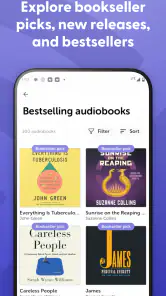
The second break is discovery. A focused buyer may appreciate a calmer, more intentional store experience, but a reader who wants sophisticated recommendations, extensive social features, or a large amount of algorithmic exploration may find the process less compelling than a broader entertainment platform. I would not choose this app solely because I want an endless stream of suggestions. I would choose it because I want particular audiobooks and value the bookstore connection.
There is also a concentration problem that belongs to audiobooks generally. I can press play while doing something else, but multitasking can create the illusion of progress without real comprehension. This matters especially with history, business, science, and self-help books. My workaround is to replay a section when my attention wanders and to reserve demanding titles for activities that are repetitive rather than mentally competitive.
Another limitation is the mismatch between audio and reference-heavy reading. If I need to compare names, scan a list, inspect a chart, or return to a precise definition, listening is slower than looking at a page. Libro.fm is a strong companion for books that unfold through narration, but I would skip it as my only format for study material that depends on visual organization.
Who should make this their audiobook starting point?
I would recommend Libro.fm to someone who wants to buy audiobooks one at a time, prefers a more intentional library, and likes the idea of supporting a local bookstore through those purchases. It is also a good match for a reader whose main obstacle is time rather than lack of interest. If you have a commute, regular walks, or household routines that leave your hands free, the app can turn those periods into consistent progress.
It is especially suitable for listeners who already know the kinds of books they enjoy. A planned purchase is easier to evaluate than a vague promise to browse indefinitely. I would also suggest it to someone who wants a free app to access before deciding which audiobook purchases belong in their routine. The free entry point lets the app become part of the decision without requiring a commitment to a particular listening style.
I would steer other users elsewhere. Readers who want the lowest possible cost per month, constant catalog rotation, or a service built around sampling may prefer a subscription alternative. Students whose books depend on diagrams and searchable passages may be better served by a visual reading format. People who rarely finish audiobooks should also think carefully before buying several titles simply because the library looks appealing.
Small habits that make the experience better
My first tip is to choose the listening situation before choosing the book. A long commute can support a sustained narrative, while short household sessions may favor chapters that are easy to resume. This prevents the common mistake of buying an excellent audiobook that does not fit the actual shape of your day.
My second tip is to treat narrator selection as seriously as the book description. The narrator is the person you will spend hours hearing, so a familiar author or an attractive premise is not enough by itself. I use the opening listening period as a compatibility check, especially for books I expect to hear repeatedly.
My third tip is to keep one active title rather than turning the library into a competition. When I alternate among too many books, I lose the emotional thread of fiction and the argument of nonfiction. A simple active-book rule makes the library feel like a reading plan instead of a storage shelf.
Finally, I use pauses deliberately. If I am walking near traffic, speaking with someone, or handling a task that needs concentration, I stop the book. The point of an audiobook is to make reading fit into life, not to make every moment of life compete with a narrator. That boundary improves comprehension and makes returning to the book more enjoyable.
My recommendation after following the complete workflow
Libro.fm works best when the journey starts with a specific need, moves through a thoughtful purchase, and ends in a dependable listening routine. Its identity is clear: it is a free Books & Reference app from Libro.fm for purchasing audiobooks through a local bookstore, not merely a generic player or an unlimited entertainment feed.
I like it for deliberate audiobook ownership and for the values attached to the buying process. I also appreciate that it makes room for reading during ordinary activities without pretending that audio replaces every other format. The friction is real if you want subscription-style abundance, aggressive discovery, or visual reference tools, but those are expectations that belong to a different kind of service.
My final view is positive, with a specific recommendation rather than a blanket one. If you have a few titles in mind and want your audiobook purchases to support local bookselling, this is an appealing place to begin. If you are still deciding whether audiobooks fit your life, install it free, test the listening routine with care, and judge the experience by whether you actually finish books—not simply by how quickly you can add them to a library.
Libro.fm Audiobooks Frequently Asked Questions
Can I use Libro.fm on both Android and iOS?
Libro.fm is available as a mobile app, so you can use it on a compatible Android or iOS device to access your audiobook library and listen on the go. The app is free to download, and the current version is 7.38.2. Before installing, check that your device meets the minimum operating-system requirement of version 7.0.
Do I need an account before I can browse or listen to audiobooks?
You’ll need a Libro.fm account to purchase audiobooks and keep them together in your library. Once signed in, you can browse titles, make purchases, and access books you own in the app. Listening requires an audiobook in your library, whether you bought it individually or obtained it through a membership credit; downloading a title first lets you play it without an internet connection.
What is Libro.fm Audiobooks, and how does it work?
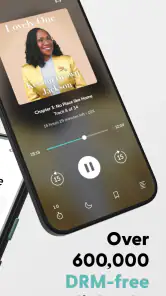
Libro.fm is an audiobook platform that lets you browse, purchase, download, and listen to audiobooks through its mobile app or website. After creating an account, you can buy individual titles or join a membership plan that provides monthly audiobook credits. Purchased books remain available in your library, and the app includes playback controls, bookmarks, sleep timers, and offline listening for downloaded titles.
Does Libro.fm support independent bookstores?
Yes. One of Libro.fm’s main differences from many competing audiobook services is its partnership with independent bookstores. When you join or make purchases, you can select a participating local bookstore to receive a portion of the proceeds. Availability depends on the bookstore and region, but the app clearly presents this mission as part of its purchasing experience, making it appealing to listeners who want their audiobook spending to support local businesses.
Is Libro.fm free to use, or does it require a subscription?
The Libro.fm app can be downloaded without paying, but audiobooks and membership benefits generally require payment. You may purchase books individually, while the monthly membership provides credits that can be exchanged for eligible audiobooks and may include member discounts. Pricing, credit policies, and promotional offers can vary by country, so it is worth checking the current terms before subscribing.
Pros
- Supports independent bookstores through every audiobook purchase.
- Offers DRM-free downloads for listening without an internet connection.
- Includes sleep timer controls for bedtime listening.
- Allows easy bookmarking of memorable passages and chapters.
- Provides curated recommendations based on listening preferences.
Cons
- Selection can vary by region and may be smaller than major competitors.
- Monthly membership credits may not cover premium-priced new releases.
- Some titles are unavailable for purchase outside supported countries.
- Audio quality and narration can differ noticeably between publishers.
- The app requires substantial storage for users with large offline libraries.
- Category
- Books & Reference
- Version
- 7.38.2