LeafNovel - Novels & Stories
- 275.00
- 3.3
- Installs
- 100.00K
- Price
- Free

Screenshots



Analysis by Reviewed
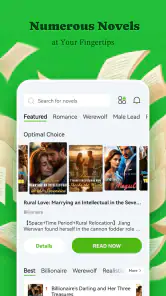
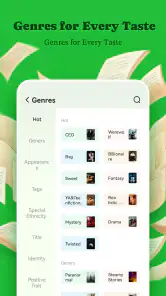
I spent time with LeafNovel - Novels & Stories as a mobile reading app, and my first impression was that it is built for readers who like to move quickly between serialized fiction and different genres. Its focus is web novels, with romance, werewolf fiction, fantasy, and similar story styles forming the center of the experience. That makes it feel less like a traditional digital bookshelf and more like a constantly changing stream of stories waiting for the next chapter.
The app comes from Dancing Leaf and sits in the Books & Reference category. It is free to install, carries a Teen age rating, and has passed the early trial stage of a new release while still feeling like a relatively young reading platform. The current version is 1.8.0, and it runs on Android devices using version 7.0 or later. Those details matter if you are using an older phone, because compatibility is broader than with many newer apps, although the actual comfort of reading will still depend heavily on your screen, battery, and connection.
What I found most important was not simply the size of the catalog, but the way the app fits into spare moments. LeafNovel works best when I want to read a few chapters while waiting, during a commute, or before bed. It is not trying to replace a carefully organized personal library of purchased ebooks. Instead, it offers an easy route into ongoing fiction, where the attraction comes from discovering a story and returning to it repeatedly.
Reading depends on the connection more than the cover suggests
The network connection shapes the experience from the moment I open the app. Browsing story selections, opening a title, and moving through a serialized novel all depend on the app being able to retrieve content. When the connection is stable, that flow feels natural: I can look through a genre, choose something that catches my attention, and continue reading without treating the app like a complicated library manager.
That convenience also creates a trade-off. A reading app can appear simple because the interface is mostly text, but each new page or chapter may still rely on communication with the service. I became more aware of this in places where mobile reception changes, such as elevators, underground transport, crowded stations, or the edges of buildings. LeafNovel is most enjoyable when I treat it as a connected reading service rather than assuming it behaves like a downloaded paperback.
This is especially relevant for serialized stories. If I am already invested in a chapter and the next section takes time to appear, the interruption feels more noticeable than it would while browsing a static ebook. The app encourages a rhythm of opening, reading, and continuing, so a weak signal can break that rhythm at exactly the wrong moment. My practical advice is to open a story before settling into a journey or waiting period, rather than relying on a last-second launch.
I also found that connectivity changes how adventurous I am with discovery. With a reliable connection, I am more willing to sample unfamiliar titles because the cost of trying them feels low. When reception is poor, I prefer to stay with a story already open instead of exploring several new pages. That may sound minor, but it affects whether the app feels like a relaxed reading destination or a source of small delays.
More From Our News Desk

Clash of Clans Is Won Between the Battles

Android Auto Makes the Case for Quieter Car Software

MobiOffice: Transforming Mobile Productivity with Seamless Integration

EA SPORTS FC™ Mobile Soccer: Redefining Mobile Sports Gaming

How Microsoft OneDrive Became a Mobile Productivity Giant

How Google Translate Breaks Language Barriers Effortlessly
Why short mobile sessions suit this app
LeafNovel makes the most sense for readers who consume fiction in pieces. A short break can be enough to read part of a chapter, check whether a new story holds attention, or return to a familiar plot. I liked that this style of use does not require me to reserve a long uninterrupted evening. The app fits around daily routines rather than demanding that reading become a formal activity.
One realistic example is a commuter who opens a romance or fantasy story after boarding a bus. With a good connection, the reader can browse briefly, select a title, and settle into the story. If the ride passes through areas with inconsistent service, the experience becomes less predictable, so it is sensible to begin loading the reading session while reception is still strong. That small habit can make the difference between using the trip for reading and staring at a loading state.
The same pattern applies to waiting rooms, lunch breaks, and quiet moments at home. I would not choose it as my only reading tool for a long flight or a remote holiday unless I had already confirmed that the particular reading session remained available when connectivity changed. The app’s appeal is strongest in ordinary connected life, not in situations where access to the network is uncertain for hours.
Screen size also affects the experience. On a phone, the text-first format is easy to approach, but longer sessions can make the device feel cramped compared with an ereader or tablet. I found it better for frequent, moderate reading than for spending an entire day inside one novel. If you prefer large pages, fixed typography, and the calm of a dedicated reading device, LeafNovel may feel more like a convenient companion than a complete replacement.
Another useful way to approach it is to separate discovery from deep reading. I use a connected moment to explore genres and identify stories that seem promising, then save my attention for the title that actually earns it. This prevents the constant stream of options from becoming a distraction. It also helps with data use, because repeatedly opening previews and switching between stories is likely to be more demanding than staying on one chapter.
What happens when the connection fails
The most important limitation is that a web-novel service cannot offer the same certainty as a book stored entirely on the device unless the relevant reading material has been made available in advance. I do not treat a chapter visible on screen as proof that every later chapter will remain accessible during a network interruption. That distinction is worth remembering before starting a long reading session away from reliable service.
When a page does not respond, my first step is to avoid repeatedly tapping the screen. Rapid retries rarely improve a weak connection and can make it harder to tell whether the app is still working. I would wait briefly, check whether other apps can connect, and then reopen the current reading view if necessary. If the problem is limited to a temporary signal drop, returning to a stronger connection is usually more useful than changing several settings at once.
A second recovery habit is to keep track of the title and chapter I was reading before leaving the app. This is simple, but it reduces frustration if the app returns to a broader browsing screen after an interruption. I also prefer to finish a natural stopping point before moving between networks. Serialized fiction makes this practical because chapters provide clear pauses, unlike a long unbroken ebook page.
Readers should also distinguish connection trouble from account or content behavior. If one story fails while browsing and other parts of the app respond normally, the problem may be specific to that request rather than the entire service. I would not immediately assume that a novel has disappeared or that the phone is at fault. Trying another title can help identify whether the difficulty is broad or isolated.
That said, this recovery process is less comfortable than simply opening a downloaded ebook. Traditional reading apps and ebook stores often appeal to people who want predictable access to books already stored locally. LeafNovel has a different strength: it makes ongoing web fiction easy to discover. The trade-off is that its convenience is tied more closely to the service being reachable at the moment I want to read.
Using mobile data without wasting it
Because the app is centered on reading rather than video, I would not expect a normal text session to feel as demanding as streaming a film. Even so, data-conscious readers should pay attention to their habits. The biggest avoidable drain is not necessarily one chapter; it is repeatedly browsing, opening, leaving, and reopening many stories while connected through mobile data.
My preferred workflow is to use Wi-Fi for discovery when possible. I browse genres, inspect several possibilities, and decide which stories genuinely deserve attention before switching to mobile reading. Once I have chosen a title, I stay with it instead of constantly refreshing the catalog. This is also a better reading experience because it reduces the temptation to abandon a story every few minutes.
There is a useful trade-off between convenience and control here. A reader with a generous data plan may never notice the difference, while someone with a limited allowance may prefer to reserve LeafNovel for home, work, or public Wi-Fi. I would be particularly careful when traveling internationally, where ordinary browsing habits can become expensive even if each individual action seems small.
Battery use deserves similar attention. Reading text is generally gentler than watching video, but a bright screen, poor reception, and frequent network searching can all make a phone work harder. I lower brightness to a comfortable level, avoid leaving the app open when I am not reading, and begin a session with enough battery for the situation. These are ordinary phone habits, yet they matter more when the app is being used during travel or away from a charger.
Another practical tip is to avoid judging the entire catalog from the first story opened. If a title is not engaging, I move on deliberately rather than jumping through many pages at random. That approach saves time, reduces needless browsing, and makes the app feel more like a personal reading queue. LeafNovel is most rewarding when I use its variety with some selectivity instead of treating every recommendation as equally worthwhile.
Catalog variety, payments, and reading expectations
The free entry point is a real advantage. I can install the app without paying upfront and decide whether its style of fiction suits me before committing money. However, the presence of in-app purchases means that “free” should be understood as free to start, not necessarily a guarantee that every part of every reading journey will remain free. Individual purchases range from $2.99 to $24.99, so I would check the cost shown at the point of purchase rather than assuming a uniform price.
This matters most for readers who become attached to a long-running story. Serialized fiction is designed to create momentum, and reaching a point where a payment is requested can feel more frustrating after several chapters of investment. I recommend setting a personal spending limit before beginning multiple titles. That keeps the decision deliberate and prevents curiosity about several stories from turning into several unexpected purchases.
On the positive side, the genre focus gives the app a clear identity. Readers who actively seek romance, werewolf fiction, fantasy, and related web-novel styles are more likely to find the catalog relevant than readers looking for academic reference material, literary classics, or a broad general ebook store. The app belongs in the entertainment-reading part of Books & Reference, not in the same mental category as a dictionary, research database, or serious study tool.
The Teen rating is another reason to consider personal suitability before handing the app to a younger reader. A rating is not a recommendation for every age or every family, and the themes common to romance and fantasy fiction can vary widely in tone. I would treat the rating as a prompt for individual judgment, especially if a parent is choosing reading material for someone else.
Compared with a conventional ebook app, LeafNovel offers more of the excitement of ongoing discovery and less of the certainty of owning a finished book. Compared with a physical book, it is easier to carry and quicker to sample, but less dependable when reception is poor. Compared with a browser, it provides a more focused reading destination, although readers who already have a carefully organized browser-based routine may not feel a strong need to change.
Who should use it and who should skip it
I would recommend LeafNovel to someone who enjoys serialized fiction and likes having several genres available during short breaks. It is a good match for readers who discover stories through browsing, do not mind reading on a phone, and usually have dependable Wi-Fi or mobile service. The free installation also makes it sensible for curious readers who want to test the catalog before deciding whether the app deserves regular space on their device.
I would be more cautious if your priority is guaranteed offline reading, a polished personal library of books you already own, or a distraction-free long-form session. In those cases, a conventional ebook reader or an app built around locally stored books may be better. LeafNovel is also not my first choice for academic research, reference work, or readers who want a catalog centered on established print publishing rather than web fiction.
People with strict spending limits should approach the app with a plan. The free starting point is helpful, but paid chapter access can change the value calculation once a story becomes a habit. I would sample carefully, monitor purchase prompts, and avoid opening several potentially paid series at the same time. That is not a criticism of the app alone; it is simply the sensible way to use any serialized reading platform with optional purchases.
Its current audience appears substantial enough to show that the concept has found readers: the app has more than one hundred thousand installs. Still, its average rating is 3.3 from roughly 774 ratings, with about 275 written reviews, which suggests a mixed experience rather than universal satisfaction. I read that as a reason to keep expectations measured. The app may work very well for its intended web-fiction audience while frustrating readers who expect the reliability and ownership model of a traditional ebook platform.
My verdict on connected reading with LeafNovel
LeafNovel is most convincing when I use it as a connected gateway to serialized stories. Its strengths are easy discovery, a genre focus that speaks directly to romance, werewolf, fantasy, and fiction readers, and a free starting point that lowers the risk of trying it. I also appreciate how naturally it fits into small daily gaps, provided I am somewhere with a dependable connection.
The central weakness is equally clear: the reading experience is less secure when the network becomes unreliable. I would not build an important offline reading plan around it without first checking how my chosen session behaves away from service. Data-conscious readers should browse over Wi-Fi, avoid unnecessary switching between titles, and keep purchases intentional. Those habits do not remove every limitation, but they make the app easier to live with.
After using it, I see Dancing Leaf’s app as a specialist choice rather than a universal reading replacement. If you want an endless-feeling stream of web novels on your phone and enjoy returning to stories over time, it is worth trying. If you want permanent local access, a finished-book library, or a quiet reading experience independent of connectivity, I would choose a different tool. My recommendation is to install it for discovery, use it thoughtfully on mobile data, and judge it by the quality of the stories you actually find rather than by the promise of unlimited browsing alone.
LeafNovel - Novels & Stories Frequently Asked Questions
Who develops LeafNovel, and what should I know about its age rating?
LeafNovel - Novels & Stories is developed by Dancing Leaf and is categorized as a Books & Reference app. Its content rating is Teen, so it is intended for teen readers and older users. As with any fiction platform, individual stories can vary in themes and tone, so readers and families may want to look at a book’s description before starting it.
What is LeafNovel - Novels & Stories?
LeafNovel - Novels & Stories is a mobile reading platform focused on serialized fiction and online novels. It gives readers access to stories across genres such as romance, fantasy, drama, mystery, and adventure. Most books are released chapter by chapter, so the app is designed for people who enjoy following ongoing stories and discovering new writers rather than reading only completed books.
Is LeafNovel - Novels & Stories free to download and use?
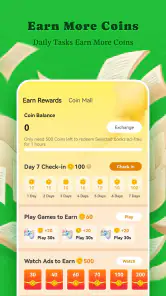
The app is free to download, but access to every chapter may not be completely free. Some stories offer free chapters, daily rewards, or promotional access, while later chapters can require in-app coins, credits, or another form of payment. In-app purchases range from $2.99 to $24.99 per item. Before spending money, check the title’s unlocking rules and review the available purchase options in your region.
Does LeafNovel require an internet connection?
LeafNovel primarily relies on an internet connection to browse the catalog, load story chapters, synchronize reading progress, and process purchases. Depending on the version and the individual title, some chapters may be available for temporary offline reading after they have been loaded, but users should not assume that every book supports full offline access. Downloading chapters over Wi-Fi is recommended.
What types of novels and stories are available on LeafNovel?
The catalog is aimed at readers who like episodic fiction, with popular categories commonly including contemporary romance, billionaire and werewolf stories, fantasy, historical fiction, suspense, revenge plots, and relationship drama. Availability can change as new books and translated works are added. Because many titles are serialized, story quality, editing, update frequency, and completion status may vary from one novel to another.
Pros
- Large library of novels and serialized stories
- Personalized recommendations help discover new reads
- Offline reading supports reading without an internet connection
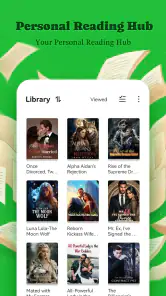
- Bookmarking makes it easy to continue unfinished stories
- Regular updates can add fresh chapters and new titles
Cons
- Some chapters or titles may require in-app purchases
- Story quality can vary between different authors
- Frequent notifications may feel distracting to some readers
- Offline access may be limited for certain content
- Loading times can depend heavily on network quality
- Category
- Books & Reference
- Version
- 1.8.0