KenBarkly
- 362.00
- 4.6
- Installs
- 100.00K
- Price
- Free

Screenshots
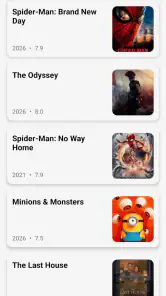
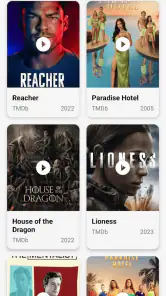
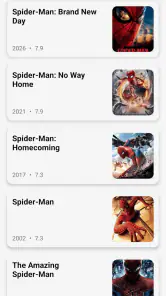
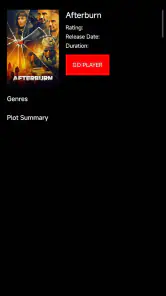
Analysis by Reviewed
I approached KenBarkly as a small video-focused app rather than expecting a complete editing suite. Its store summary is simply “Trailers,” while its short description is “KenBarkly,” so the first thing I noticed is that the app gives very little guidance before you begin. That makes the opening experience more important than usual: you need to work out what the app is meant to do by testing its visible controls and observing how it handles your videos.
That lack of explanation is not automatically a deal-breaker. Some people prefer a compact tool that gets out of the way, especially when they only want to view or work with trailer-style video content. However, it does mean I would not recommend installing it with the expectation of a clearly documented, professional editing workflow. My impression is more practical: this is a free app in the video players and editors category, published by willman james, and it is best approached patiently, one screen at a time.
Getting past the first points of friction
The most likely place users get stuck is right at the beginning. When an app has such a brief store description, people naturally look for an obvious explanation of what to tap first, where their media should appear, and whether the main purpose is watching trailers or making changes to video. If the opening screen does not answer those questions immediately, avoid tapping randomly. Check every visible button, return to the previous screen after each test, and note whether the app is waiting for you to choose content before showing its useful controls.
I also recommend starting with one ordinary video rather than a large collection. A single short clip makes it easier to tell whether the problem is the app, the media file, or the phone. It gives you a clean baseline: you can see whether the file appears, whether playback begins, and whether the interface responds when you pause or move between screens. Once that basic path works, add more content gradually. This is a much better way to diagnose KenBarkly than importing everything at once and then trying to guess what went wrong.
Another point of friction is expectation. The category places KenBarkly beside established video players and editors, but those two groups are not identical. A dedicated player is judged by opening files quickly and keeping playback understandable. An editor is judged by selection, trimming, arrangement, export, and control over the result. KenBarkly’s sparse presentation does not give me enough reason to treat it like a full replacement for a mature editor. If your goal is a polished social video with several layers, detailed timing, or advanced finishing controls, a purpose-built editor is the safer choice.
For a casual viewer, the situation is different. If you want to inspect trailer material on a compatible Android device and do not need a long list of creative tools, a smaller interface can be less intimidating than a professional timeline. I would still spend a few minutes learning the navigation before relying on it for an important viewing session. That small investment prevents the common mistake of assuming that a short store description means the app will explain itself perfectly.
Checks I would make before blaming the app
KenBarkly supports Android seven or later, so the first setup check is simple: confirm that the phone meets that requirement. On an older device, installation or normal operation may fail for reasons unrelated to the app’s controls. On a supported phone, restart the app after installation and give it a clean first launch. This avoids judging it while another application, a pending system task, or a temporary memory problem is interfering.
More From Our News Desk

Clash of Clans Is Won Between the Battles

Android Auto Makes the Case for Quieter Car Software

MobiOffice: Transforming Mobile Productivity with Seamless Integration

EA SPORTS FC™ Mobile Soccer: Redefining Mobile Sports Gaming

How Microsoft OneDrive Became a Mobile Productivity Giant

How Google Translate Breaks Language Barriers Effortlessly
Next, check the video itself. Use a file that already plays in the phone’s usual video application. If that clip opens elsewhere but not in KenBarkly, the issue is more likely related to compatibility or the app’s handling of that file. If it fails everywhere, converting or replacing the clip is a more sensible step than repeatedly reinstalling the app. This simple comparison is one of the most useful tests because it separates a media problem from an application problem without requiring technical tools.
Keep the first test local and uncomplicated. If your video is stored on removable media, inside a cloud service, or behind another application, move or make it available through the most direct route your phone offers. A complicated storage path introduces extra points of failure. When the goal is to learn whether KenBarkly works, reduce the number of moving parts first; once the basic workflow is reliable, you can return to your preferred storage arrangement.
It is also worth checking free space before attempting any operation that may create another copy of a video. Even when an app appears to be only playing content, video workflows can become awkward when the device is nearly full. A phone with limited room may stop responding, fail to save a result, or behave inconsistently. I would leave comfortable working space rather than waiting for an error to reveal that storage was the real issue.
The current version is 1.1.2, and the app was released on July 20, 2021. Those details matter less as a feature list than as a reminder to keep expectations realistic. A compact app with an older release history may feel less polished than a frequently updated alternative, particularly on newer phones or with newer media formats. That does not prove it will fail, but it is a reason to test your own files before making it part of an important routine.
A calmer workflow when something stops responding
When a video does not open, I would avoid repeating the same tap. First return to the app’s starting screen, then try the same action with the test clip that already worked in another player. If the second file opens, the original file is the better suspect. If neither file opens, close KenBarkly completely and launch it again. This sequence is basic, but it preserves useful information instead of turning one unclear failure into several.
If the app opens but a particular screen seems empty, do not immediately assume that your videos have disappeared. Check whether you are looking at the correct location or content view, then navigate back and enter it again. Small media tools often depend on the user choosing a source before they reveal anything useful. The practical lesson is to distinguish an empty selection screen from a playback failure: they require different fixes.
For a troublesome clip, make a simpler copy using a video tool that you already trust, then test that copy. Keep the original untouched. This is especially helpful when a file was downloaded, transferred between devices, or recorded by a camera with unusual settings. A clean test copy can show whether KenBarkly is struggling with the file’s structure rather than with video in general. I would not overwrite the original merely to make one app happy.
If a change or action appears not to have worked, look for an explicit completion step before leaving the screen. In video applications, previewing something is not always the same as saving it. I would wait for the interface to finish, then check the destination using the phone’s normal file or gallery tool. That independent check is valuable because it tells you whether the result was actually created or whether you only saw a temporary preview.
Reinstalling should be a later step, not the first response. Before doing it, preserve any videos or results that matter and remember that removing an app can clear local working information. After reinstalling, repeat the one-file test instead of restoring a complicated collection immediately. If the clean test works, add your normal content in small groups. If it fails in exactly the same way, switching tools may save more time than repeating the installation cycle.
When the phone or the file is the real source of trouble
Not every freeze, blank result, or failed opening belongs to KenBarkly. Video playback is affected by the file, available storage, background activity, and the phone’s media support. A device that is busy with updates or nearly out of space can make a lightweight app look unreliable. My approach is to close unnecessary applications, restart the phone, and test one known-good clip before drawing a conclusion.
The file format is another important distinction. If several clips from the same source fail while videos from another source work, the pattern points toward the files rather than the app’s entire playback path. In that situation, a conversion to a more ordinary format is a practical workaround, provided you keep the original and use a reputable converter. I would not download random “fixer” applications simply because one video refuses to open.
Storage location can create misleading symptoms too. A video that is visible in a cloud gallery may not be fully available offline, and a file on removable storage may briefly disappear when the connection is interrupted. Test with a locally available clip first. If that works, the next step is to make the troublesome video available in the same way. This workflow is safer than changing several phone settings at once because you can identify which change actually helped.
Performance expectations also matter. Older or less powerful phones may struggle more with large, high-quality clips than with short trailer files. If playback stutters, compare a smaller clip before deciding that the application is unusable. If only demanding media causes trouble, a lighter file or a stronger player may be the better answer. If even a simple clip fails after a clean restart, I would stop troubleshooting and move on rather than spend an evening forcing the app to fit a job it may not handle well.
Privacy-conscious users should also keep their workflow narrow. Use only the media you intend to test, avoid placing sensitive recordings into an unfamiliar process unnecessarily, and remove temporary copies when you are finished. This is not a claim about KenBarkly’s policies; it is simply good practice when experimenting with any video application whose exact workflow is not fully explained in its short store presentation.
Who will appreciate it, and who should choose another tool
KenBarkly makes the most sense for someone who wants a free, straightforward way to work with trailer-oriented video content on a compatible Android phone and is comfortable learning through use. It may suit a casual viewer, a person checking a clip before sharing it elsewhere, or someone who prefers trying a small application before committing to a larger editing package. The Everyone content rating also makes it approachable for a broad audience, although adults should still use normal judgement about the videos being opened.
I would be more cautious about recommending it to a creator who needs a dependable production pipeline. If your routine includes precise cuts, multiple tracks, captions, transitions, audio mixing, or predictable export choices, a recognized full editor will probably serve you better. Those tools are often more complicated, but their complexity is useful when you need control. KenBarkly’s appeal is its apparent simplicity, not evidence of a deep professional feature set.
It is also not my first choice for someone who only wants the strongest possible playback compatibility. A dedicated, widely established video player is usually the better alternative when the main requirement is opening many different formats, handling subtitles, remembering playback position, or working smoothly with network storage. KenBarkly belongs in the middle ground for me: more focused than a general gallery, but not something I would automatically place beside the most capable players or editors.
The app has reached over one hundred thousand installs, with a 4.6 average from around one thousand ratings and hundreds of written reviews. Those figures suggest that it has found a real audience, but they should not replace a personal compatibility test. Ratings can tell me that many people have had a satisfactory experience; they cannot guarantee that a particular phone, file, or workflow will behave the same way. I treat the reception as encouraging, not as a promise.
My practical verdict after testing the workflow
My recommendation is conditional but positive. KenBarkly is worth trying if you want a free video app with a narrow, trailer-centered identity and you are willing to perform a few sensible setup checks. Start with one locally available clip, confirm that the phone meets the minimum Android requirement, and compare any failure with the phone’s usual player. Those steps quickly reveal whether the app fits your media instead of leaving you to guess.
The main weakness is not a single missing button I can point to; it is the uncertainty created by the limited explanation around the app. New users may spend time working out whether they are viewing, selecting, or processing content. That friction is manageable for curious users, but frustrating for anyone who expects immediate instructions. I would avoid making it the only tool on a deadline until I had tested the exact files and actions I planned to use.
For an everyday scenario, imagine receiving a short trailer from a friend and wanting to inspect it before deciding where to share it. I would open KenBarkly with that one file, check that playback is stable, and use the phone’s normal storage view to confirm any saved result. If the clip fails, I would compare it in another player and try a simpler copy rather than assuming the app is broken. That workflow is quick, preserves the original, and gives me a clear decision.
My bottom line is simple: KenBarkly is a reasonable free experiment for casual trailer video use, but not a substitute for a mature editor or a highly compatible specialist player. Its 100K-plus installs and strong average rating make it easy to justify a trial, while the version and sparse description encourage a measured approach. If your needs are modest and your files cooperate, it may be pleasantly convenient. If you need detailed editing, broad format support, or clearly documented steps, choose the established alternative that matches that job instead.
KenBarkly Frequently Asked Questions
What kind of app is KenBarkly, and what does its description say?
KenBarkly is a video-focused app whose short description is simply “KenBarkly,” while its store summary is “Trailers.” That makes trailers the clearest indication of its focus. It is listed in the Video Players & Editors category, so it is intended for people exploring video-related content and tools. The developer is willman james.
What should I know about KenBarkly’s availability and age suitability before downloading?
KenBarkly is listed as a free app and is rated Everyone, making its stated content rating suitable for a broad audience. It was released on July 20, 2021, and its current version is 1.1.2. These details can help you identify the app and consider whether it fits your device and household before installing it.
What is KenBarkly and what can I use it for?
KenBarkly is an app designed to provide users with a convenient way to explore its available features and services from a mobile device. Its store summary points to trailers, and it is listed in the Video Players & Editors category. Before downloading, users should review the app’s description carefully because the exact experience may depend on the version, region, account requirements, and supported device. Checking the latest store information is recommended.
Is KenBarkly free to download and use?
KenBarkly is listed as free to download. That describes its listed download price; users should still check the Google Play Store or Apple App Store listing for any in-app purchase details or subscription terms that apply. Always review renewal conditions before confirming any purchase through the application.
Is KenBarkly safe and trustworthy to install?
The safest way to install KenBarkly is through its official Google Play Store or Apple App Store listing rather than an unknown third-party website. Before installation, check the developer name, recent reviews, update history, requested permissions, and privacy policy. Avoid granting access that seems unrelated to the app’s purpose, and keep your device software updated.
Pros
- Simple interface makes browsing and using core features easy.
- Lightweight design should run smoothly on many Android and iOS devices.
- Useful option for users seeking a focused pet-related experience.
- Clear navigation helps new users get started without much guidance.
- Convenient mobile access lets you use its features while away from home.
Cons
- Some features may require an account or personal information.
- The app may offer limited value if you do not own or care for a pet.
- Content and support availability could vary by region.
- Performance may depend on a stable internet connection.
- Users may encounter fewer advanced tools than in larger pet platforms.
- Category
- Video Players & Editors
- Version
- 1.1.2