Hippo Home: Maintain & Insure
- 77.00
- 4.6
- Installs
- 50.00K
- Price
- Free

Screenshots
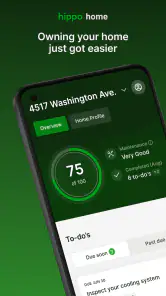
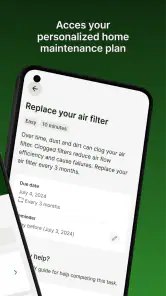
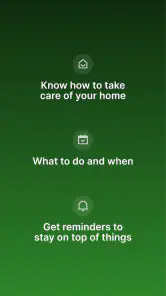
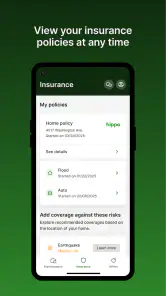

Analysis by Reviewed
Homeownership rarely becomes difficult because of one dramatic problem. More often, it is the slow accumulation of small jobs, forgotten details, and uncertainty about what deserves attention first. That is the space Hippo Home: Maintain & Insure tries to occupy. Developed by Hippo Insurance Services, this free House & Home app combines the idea of home maintenance with insurance-related home ownership support in one mobile experience.
My first impression was that it is more useful as an ongoing household habit than as an app I would open once, browse for a few minutes, and forget. The appeal is immediate because the subject is familiar: keeping a home in good condition and staying organized around it. The harder question is whether that usefulness survives after the initial curiosity fades. In my experience, the answer depends heavily on how willing you are to turn occasional reminders and home information into a routine.
It is available to Everyone, costs nothing to download, and currently sits at version 6.1.0 for devices running iOS or Android 11 and later. The app has an average rating of 4.6 from around 959 ratings, with over 50 thousand installs. Those figures suggest a positive reception, but they do not remove the central trade-off: an app about maintaining a home only becomes valuable when the owner actually returns to it.
From first-week appeal to a useful home routine
Why the first few sessions feel worthwhile
The strongest early appeal is the sense of bringing scattered home responsibilities into one place. Without a dedicated tool, I tend to keep maintenance thoughts in several locations: a note on my phone, a paper receipt, an email from a contractor, or simply a vague memory that something should be checked. Hippo Home: Maintain & Insure is designed around making homeownership feel less improvised.
That matters most for people who have recently moved, bought their first property, or inherited responsibility for a home that has many systems to keep track of. The app gives that responsibility a more deliberate shape. Instead of treating maintenance as a reaction to a leak, a broken appliance, or a seasonal surprise, I can approach the home as something that needs regular attention even when everything appears fine.
The insurance connection also gives the app a different character from a simple checklist. A basic notes app can record that a roof was inspected or that a water heater was replaced, but it does not naturally frame those details as part of responsible home ownership. Hippo’s focus makes the information feel more relevant when I am thinking about protection, documentation, and the condition of the property as a whole.
The best way to set it up
I would not begin by trying to record every object in the house. That creates work before the habit has had time to form. A better approach is to start with the parts of the home that are expensive, easy to forget, or important during an emergency. Major appliances, heating and cooling equipment, plumbing concerns, and insurance-related documents deserve priority over a complete inventory of minor household items.
One practical use case is preparing for a conversation with a contractor. If I know that a technician is coming to inspect a system, having the relevant home details organized beforehand makes the appointment more focused. I can think about the system’s history, collect the questions I actually need answered, and avoid relying on memory while standing in a utility room.
Another useful workflow is to treat the app as a home handover record. When moving between properties or sharing responsibilities with a partner, the important information is not just what needs doing today. It is also what was recently repaired, what should be watched, and which tasks should not be postponed. That continuity is more valuable than a one-time list because it reduces the chance that knowledge disappears when one person is busy or away.
What makes it different from ordinary alternatives
A calendar can remind me to perform a task, and a notes app can store information, but both require me to design the entire system myself. A spreadsheet can be even more flexible, yet it also demands more discipline and maintenance. Hippo Home sits between those options: it is more purpose-built than a blank note and less intimidating than building a personal property-management workbook.
The trade-off is flexibility. A spreadsheet can be shaped around unusual properties, multiple homes, detailed costs, or a very specific renovation history. A general notes system can hold photographs, long explanations, and unrelated household information without asking me to follow a particular structure. Hippo’s benefit is that it gives the home context from the beginning, while its limitation is that I may eventually want more customization than a focused mobile app provides.
The first-week test is simple: if the app helps you remember one important task or locate one important piece of home information, it has already done something a generic notes page might not do as naturally. The more meaningful test, however, arrives later, when there is no urgent problem pushing me to open it.
Who gets the most from the early experience
New homeowners are the clearest audience. They are often learning the property’s systems, collecting documents, and discovering that maintenance is not one job but a chain of recurring responsibilities. The app can provide a central place to develop that awareness instead of waiting for a costly lesson.
It can also suit busy households where one person usually carries the mental load of home care. Even if both people are involved, responsibilities often become uneven because one person remembers service history and the other remembers upcoming tasks. A shared, home-focused reference point can make those conversations less dependent on whoever happens to have the best memory.
Renters may find the insurance and property-maintenance angle less relevant, especially when a landlord controls structural repairs. For them, a general reminder app may be enough. Likewise, experienced homeowners with an established spreadsheet, filing system, and trusted contractor routine may not gain much unless they want to simplify that arrangement.
Month-to-month value: where the app must prove itself
The long-term value of a home app is not measured by how polished the first session feels. It is measured by whether it changes behavior between emergencies. I found the most convincing reason to keep using this type of tool is that maintenance becomes visible. When responsibilities are kept in my head, they compete with work, family, and daily errands. When they are placed into a home routine, they become easier to revisit.
A monthly check-in can be more realistic than opening the app every day. I would use that moment to review what has changed, note completed work, and identify the next task that deserves attention. The goal is not to turn homeownership into a second job. It is to create a small pause before minor neglect becomes an expensive surprise.
This rhythm is especially helpful after a repair. The immediate temptation is to close the issue mentally as soon as the contractor leaves. A better habit is to record what happened while the details are fresh. Later, that record can help me remember which component was replaced, what follow-up was recommended, and whether the same issue is beginning to return.
There is also value in using the app before a seasonal transition. A change in weather often exposes weak points that were easy to ignore during comfortable months. Rather than making a long, stressful list when conditions change, I can use a regular review to decide which home areas deserve attention first. The app cannot perform the inspection for me, but it can make the inspection less random.
Recurring value rather than novelty
The app earns a lasting place when it becomes the home’s memory, not merely another source of notifications. That distinction is important. A reminder has short-term value because it tells me to do something. A reliable record has longer-term value because it preserves why the task mattered and what happened afterward.
For example, a homeowner preparing to sell may benefit from having a clearer history of improvements and maintenance. Someone renewing or reviewing insurance may also appreciate having property information easier to assemble. I would not treat the app as a replacement for official paperwork, professional advice, or policy documents, but it can support the organizational work around those things.
The recurring benefit is strongest when a household has several people involved. One person can update a task after a service visit, while another can check what has already been handled before arranging duplicate work. That small reduction in repeated calls and uncertain conversations is the sort of value that is easy to miss in a store summary but meaningful over time.
How much maintenance does the app itself require?
There is an unavoidable irony here: an app intended to reduce home-management friction still needs to be maintained. Information becomes useful only when it stays current. If I add a repair but never update the record after another change, the app can gradually become a partial history rather than a dependable one.
The key is to avoid over-documenting. I would record information that could affect future decisions, costs, safety, or insurance conversations. I would not spend time creating a museum-quality archive of every small household purchase. A focused record is easier to trust because it is more likely to remain current.
There is also a privacy-conscious trade-off in any app that deals with a home and its contents. I would think carefully about how much sensitive information belongs in a mobile record and avoid treating it as the only copy of critical documents. Keeping important paperwork through the appropriate official or secure channels remains sensible. Hippo Home can support organization, but it should not encourage careless dependence on one device or one application.
Sources of fatigue after the novelty fades
The biggest source of fatigue is repetition. Home maintenance is not naturally exciting, and an app cannot make every inspection or update feel rewarding. If the experience asks me to enter details that do not later help me make a decision, I will eventually stop doing it. That is why a smaller, meaningful record is preferable to a complete but exhausting catalog.
Another possible frustration is the boundary between guidance and action. The app can help me organize my responsibilities, but it does not remove the need to inspect equipment, contact a qualified professional, compare repair options, or make a judgment about urgency. Someone expecting a fully managed maintenance service may find the experience too hands-on.
Insurance-related expectations can also create confusion if a user assumes that organizing home information is the same as resolving coverage questions. Those are different activities. I would still read the relevant policy material and contact the appropriate insurance representative when a coverage decision matters. The app is most useful as a companion to that process, not as a substitute for it.
There is a further trade-off for people who already have strong systems. If I have a well-maintained calendar, a detailed spreadsheet, cloud storage, and a routine shared with my household, moving everything into another tool may create duplication. In that situation, the app needs to save enough effort to justify the change. Convenience is not automatic simply because an app is specialized.
Questions worth answering before installing
Is it suitable for a first-time homeowner? Yes, especially if the main challenge is understanding how many small responsibilities come with a property. I would approach it as a guided home record rather than expecting it to teach every technical skill. For complex repairs, professional help is still the sensible choice.
Can it replace a calendar or notes app? Not necessarily. Those tools remain better for broad scheduling, free-form writing, and household information that has nothing to do with the property. Hippo Home makes more sense when I want homeownership context and maintenance thinking in the same place.
Does it make sense for someone who is not insured through Hippo? The app is still relevant to the broader task of organizing and maintaining a home, but the insurance angle may feel less central depending on the user’s circumstances. I would choose it for the home-management purpose first, rather than assuming that an insurance connection alone makes it the best option.
Will it eliminate surprise repair costs? No. Good records and regular attention can improve preparation, but they cannot prevent equipment from failing or guarantee a particular financial outcome. Its realistic benefit is earlier awareness and better organization, not certainty.
Is it worth keeping after the first month? For me, yes when I use it as a short monthly review and update it after meaningful work. If I only open it during a crisis, its value is narrower. The application rewards a modest habit much more than occasional bursts of enthusiastic data entry.
Who should skip it
I would skip Hippo Home if I want a full contractor marketplace, a detailed renovation-budgeting platform, or a universal household task manager. That is not the role I would assign to it. People managing several rental properties may also need deeper reporting, financial tools, and multi-property controls than a homeowner-focused app is intended to provide.
I would also hesitate if I dislike maintaining digital records. The app cannot create a useful history from incomplete information, and there is no advantage in downloading it if I already know I will not revisit the details. In that case, a simple recurring calendar reminder may be more honest and more effective.
On the other hand, owners who feel that home responsibilities are scattered and easy to forget are more likely to notice a real improvement. The best fit is not necessarily the person with the most expensive home. It is the person who needs a clearer connection between daily upkeep, property information, and insurance-minded organization.
Long-term verdict
After the first-week appeal wears off, Hippo Home: Maintain & Insure stands or falls on habit. I do not see it as a flashy app that demands constant attention. Its lasting value is quieter: a central home record, a prompt to think ahead, and a way to make maintenance less dependent on memory.
That quietness is both its strength and its weakness. The app is well suited to a homeowner who wants structure without building a complicated spreadsheet from scratch. It is less compelling for someone who expects automation, technical diagnosis, or a complete replacement for calendars, documents, and professional advice.
My recommendation is to install it with a narrow plan. Start by organizing the home information that would be hardest to reconstruct later, then establish a short monthly review. Add meaningful updates after repairs and avoid turning the process into a chore of recording everything. That approach gives the app a fair chance to become useful without allowing it to create another layer of household administration.
As a free app from Hippo Insurance Services, it is easy to try, and its Everyone rating makes it broadly accessible within a household. The real question is not whether it looks useful on day one. It is whether it helps you remember, prepare, and communicate a little better several months from now. For first-time owners and busy households, I think it can earn that space. For highly organized owners or users seeking a complete property-management system, the usual combination of a calendar, secure document storage, and a tailored spreadsheet may remain the better choice.
Pros
- Simple home maintenance tracking keeps important tasks organized.
- Helpful reminders can reduce the chance of missed upkeep.
- Insurance details are easier to keep together in one place.
- Useful for planning recurring household maintenance expenses.
- Clean interface makes the app approachable for everyday users.
Cons
- Some features may require entering a lot of property information.
- Reminder usefulness depends on keeping task details up to date.
- May feel unnecessary for renters or owners of newer homes.
- Insurance tools may vary in usefulness by location and provider.
- Limited value if you already use a calendar or home management app.

- Category
- House & Home
- Version
- 6.1.0