Gopuff Driver
- 1.73K
- 4.0
- Installs
- 500.00K
- Price
- Free

Screenshots


Analysis by Reviewed
Delivery work often becomes frustrating for a simple reason: the useful part is not only moving an order from one place to another. A driver also has to keep track of available work, organize a route, protect time between stops, and deal with the uncertainty of a shift that can change quickly. Gopuff Driver is built around that recurring problem. Its purpose is straightforward: help people make deliveries through Gopuff while keeping the work organized from a phone.
I reviewed it as a business app for delivery drivers, rather than as a customer shopping app. That distinction matters. The experience is aimed at people who want to deliver, not people placing an order, and the usefulness depends heavily on whether Gopuff operates actively in the driver’s area. When it fits your location and schedule, it can make delivery work feel more structured. When it does not, the app cannot solve the basic problem of having too little local work.
How Gopuff Driver fits into real delivery work
The recurring problem is keeping a shift manageable
A delivery driver’s day can be lost in small delays. Checking what work is available, deciding whether a trip is worth the time, finding the correct pickup point, and keeping delivery details straight all take attention away from driving. A dedicated driver app is valuable when it reduces those repeated decisions instead of adding another layer of administration.
That is where Gopuff Driver makes the most sense. The app comes from Gopuff, and its entire focus is on the delivery side of that service. Rather than trying to be a general gig-work dashboard, it gives drivers a place to handle the tasks connected with Gopuff deliveries. I found that narrower purpose easier to understand than an app that mixes unrelated services and opportunities.
The important expectation to set is that this is not a guaranteed-income tool. It is a work utility. It can help you participate in delivery activity, but your results still depend on local demand, the times you choose to work, traffic, parking, and how efficiently you move between stops. Anyone considering it should judge the app by how much coordination it removes, not by assuming that installing it automatically creates a reliable schedule.
Gopuff Driver is free to install and is suitable for Everyone from an age-rating perspective. It has passed the point where an app feels untested, with over 500 thousand installs and an average rating of 4.0 from around 4.8 thousand ratings. Those figures suggest a reasonably established tool, although they should not replace a practical check of whether the service is active where you live.
What I would do before relying on it
My first recommendation is to treat setup as a planning step, not a formality. Install the app, read each screen carefully, and make sure your driver details and working area are correct before expecting a smooth first shift. A small mistake at this stage can create confusion later, especially when a delivery requires accurate contact or location information.
More From Our News Desk

Clash of Clans Is Won Between the Battles

Android Auto Makes the Case for Quieter Car Software

MobiOffice: Transforming Mobile Productivity with Seamless Integration

EA SPORTS FC™ Mobile Soccer: Redefining Mobile Sports Gaming

How Microsoft OneDrive Became a Mobile Productivity Giant

How Google Translate Breaks Language Barriers Effortlessly
I would also prepare the physical side of the job before opening the app for work. Keep the phone charged, use a stable mount, and decide where the device will stay while driving. These are ordinary preparations, but they directly affect how much attention the app demands. A driver who is constantly picking up the phone has a worse experience than one who checks it only when safely parked.
One useful habit is to learn the pickup routine before accepting a busy period. If the local Gopuff location is unfamiliar, spend time understanding where you can stop legally and how you will reach the handoff point. The app can organize delivery information, but it cannot remove every physical obstacle around a warehouse, store, apartment entrance, or crowded street.
The current release is version 2.239.3 and supports Android 7.0 or newer. That makes it accessible to people using older Android phones, though delivery work can still expose the limits of an aging device. Slow location updates, a weak battery, or a phone that struggles when several apps are open can make any driver workflow feel unreliable. In my view, the minimum operating-system requirement is only one part of readiness; the phone itself needs to be dependable in motion.
A realistic first shift
Imagine someone who works another job during the day and wants to deliver for a few hours in the evening. They open Gopuff Driver before leaving home, check that the account is ready, and plan to work near the relevant pickup area rather than wandering across town. That decision alone can save time. Driving around without a clear starting point burns fuel and creates stress before the first delivery begins.
Once the shift starts, the driver’s attention should stay on the sequence of tasks: understand the available delivery, reach the pickup point, confirm the next destination, and complete the handoff safely. The app is most useful as the central place for that sequence. It does not need to feel exciting; it needs to keep the driver from repeatedly reconstructing the job from scattered messages or notes.
For a part-time driver, this kind of structure is more important than a large collection of extra features. A person working only a few evenings may not want to learn several separate systems. A focused app can make the work easier to repeat, provided the local delivery flow is active and the driver is comfortable with the practical demands of the route.
Where it saves time during ordinary deliveries
The clearest benefit is reducing the mental switching that comes with delivery work. Instead of treating every order as a new administrative problem, the driver can use the same app-centered routine from one stop to the next. That consistency matters when traffic is heavy or when several small decisions arrive close together.
There is also value in separating driver work from customer shopping. Gopuff Driver is not cluttered with the temptation to browse products or manage a personal order. Its identity is narrower, which makes it easier to approach with a work mindset. I would especially appreciate that distinction on a short shift, when every unnecessary screen or notification competes with the task in front of me.
A less obvious advantage is the ability to build a repeatable personal workflow around the app. For example, I would check the phone only when parked, review the next delivery before leaving the pickup area, and keep a simple mental note of difficult entrances or parking spots. The app handles the digital side, while the driver gradually improves the physical route. That combination is where the real time saving appears.
Another practical insight is that the fastest-looking route is not always the best route. A short distance can still involve difficult parking, apartment access, or a busy entrance. Drivers should consider the whole handoff, not just the map line. Gopuff Driver can support the delivery process, but local knowledge remains a major advantage. Someone who learns which areas cause delays may perform better than someone who simply accepts every apparently nearby stop.
How it compares with familiar alternatives
Compared with general delivery platforms, Gopuff Driver has a more specific role. A multi-service gig app may offer access to several kinds of work, which is useful for drivers who want to compare opportunities across restaurants, groceries, parcels, or other categories. The trade-off is that those apps can require more attention because each service has its own rules, screens, and workflow.
Gopuff Driver is a better fit for someone who prefers a focused connection with one delivery operation. The narrower scope can reduce learning time and make the work feel less scattered. On the other hand, a driver who depends on maximum flexibility may prefer a broader platform, especially if local Gopuff demand is inconsistent or if they want to switch between different types of delivery during the same day.
It also differs from informal arrangements handled through phone calls or messaging. Those methods may feel familiar, but they make it harder to keep work information in one place and easier to miss a detail. A dedicated driver app is more suitable when you want a repeatable process rather than ad hoc coordination.
I would not compare it to navigation apps as though they serve the same purpose. Navigation is about getting from one point to another. Gopuff Driver is about participating in the delivery workflow. Most drivers will still need navigation habits and local street knowledge, but the driver app provides the work context that a map alone cannot provide.
Friction the app can remove, and friction it cannot
The app can remove some digital friction: repeatedly searching for delivery information, using unrelated tools to organize a shift, and losing the thread between pickup and drop-off. That is meaningful because delivery work is made of many small transitions. A single streamlined place for the driver side of the job can make those transitions easier to manage.
It cannot remove traffic, bad weather, limited parking, confusing building layouts, or a customer who is difficult to reach. Those problems are part of the physical job. I would be cautious about judging the app harshly when the real delay comes from the street, but I would also avoid pretending that a clean interface makes those delays disappear.
There is a trade-off between convenience and dependence. The more you rely on the app to organize a shift, the more important it becomes to keep the phone powered and the account accessible. I recommend carrying a charging option and knowing how to pause safely when something unexpected happens. That is not a special feature of this app; it is a sensible response to using a phone as a work tool.
Drivers should also protect their attention. Checking a delivery detail while moving is not worth saving a few seconds. The best workflow is to review information before driving, stop somewhere safe when a new decision is needed, and then continue. The app supports this approach, but safe use depends on the driver’s habits.
Who will get the most from it
I think Gopuff Driver is most suitable for people who want a dedicated way to handle Gopuff delivery work and already understand that earnings and workload depend on local conditions. It can suit a part-time driver looking for a structured side activity, as well as someone who prefers a single-service workflow over a crowded marketplace.
It may also work well for drivers who value routine. If you like starting from a familiar area, learning the pickup process, and improving your route decisions over time, the focused design makes sense. The more often you use the same local delivery pattern, the more useful your own experience becomes alongside the app.
I would be more hesitant to recommend it to someone who needs guaranteed hours, wants to compare several delivery services in one place, or lives somewhere with little Gopuff activity. In those situations, a broader gig platform may be the better first choice. The right decision is not about which app sounds more convenient; it is about whether the available work matches your location and schedule.
My verdict after looking at the complete workflow
Gopuff Driver succeeds by staying focused. It addresses the repeated coordination problem behind delivery work and gives drivers a dedicated place to manage that relationship with Gopuff. I like it most as a practical tool for reducing mental clutter, not as a promise of effortless work.
The limitations are equally clear. The app cannot guarantee a productive shift, replace local route knowledge, or make difficult deliveries physically easy. Drivers who need a wide range of delivery choices may find its single-service focus restrictive. Anyone with an unreliable phone or weak local coverage should also prepare a backup plan before depending on it.
Still, if you want to deliver for Gopuff and the service is active in your area, I think it is worth trying because the cost of entry is low: the app is free, and its purpose is immediately understandable. Its 4.0 average, roughly 1.7 thousand written reviews, and established install base point to a tool that many drivers have already tested, while leaving room for individual experiences to vary.
My recommendation is simple: use Gopuff Driver when you want a focused delivery workflow, test it during a realistic local shift, and judge it by the time it saves you between pickup and drop-off. If it makes those transitions clearer without disrupting your attention, it is doing its job. If your priority is guaranteed volume or access to multiple delivery networks, choose a broader alternative instead.
For Android users, the app was released on March 24, 2022, and its current version remains compatible with Android 7.0 and later. That combination makes it approachable for a wide range of devices. I would install it for a trial period, prepare the phone and route habits first, and then decide based on actual local demand rather than the app’s download count alone.
Gopuff Driver Frequently Asked Questions
Is Gopuff Driver free to download, and which devices can run it?
Gopuff Driver is a free business app from Gopuff for people interested in making deliveries. It is intended for compatible smartphones, and the Android version requires Android 7.0 or later. Before installing, check that your device meets that requirement and has a reliable internet connection, since drivers use the app while checking work and completing deliveries.
Is Gopuff Driver available in every location?
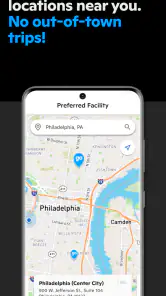
Availability and the way drivers work can vary by market. Gopuff Driver is aimed at delivery partners serving Gopuff locations, so the opportunities shown during registration depend on where you plan to work. Check the app’s registration flow for your area before making plans around it; local operating needs can affect whether you can sign up and what delivery options are available.
What is Gopuff Driver, and how does the app work?
Gopuff Driver is the delivery-partner app used by drivers who fulfill customer orders from Gopuff locations or warehouses. After signing in and completing the required onboarding steps, drivers can view available delivery opportunities, accept or receive assignments, navigate to the pickup point, and deliver orders to customers. The exact workflow, scheduling options, and driver features may vary by market.
What are the requirements to become a Gopuff Driver?
Requirements can differ depending on your city, local regulations, and the type of vehicle you use. Generally, applicants must meet the minimum legal driving age, have a valid driver’s license, provide proof of insurance and vehicle eligibility, pass identity or background checks where required, and own a compatible smartphone. You should review the current requirements shown during registration before downloading or applying.
How much can Gopuff Drivers earn?
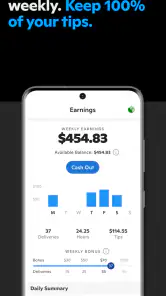
Earnings are not fixed and can vary considerably based on location, delivery volume, demand, incentives, tips, working hours, and applicable fees or expenses. The app may display details about available work and estimated compensation, but these figures should not be treated as guaranteed income. Fuel, maintenance, insurance, taxes, and other vehicle costs may also reduce your actual take-home earnings.
Pros
- Flexible scheduling lets drivers choose when they want to work.
- In-app navigation helps manage deliveries and find customer addresses.
- Drivers can view available orders and earnings from the app.
- Contactless delivery options can make drop-offs quicker and safer.
- Works well for drivers seeking short
- local delivery routes.
Cons
- Earnings may vary significantly depending on demand and location.
- Vehicle costs
- fuel
- insurance
- and maintenance reduce take-home pay.
- Orders can involve waiting at the store before pickup is ready.
- Customer instructions and building access issues may delay deliveries.
- Availability and driver features can differ by city or market.
- Category
- Business
- Version
- 2.239.3